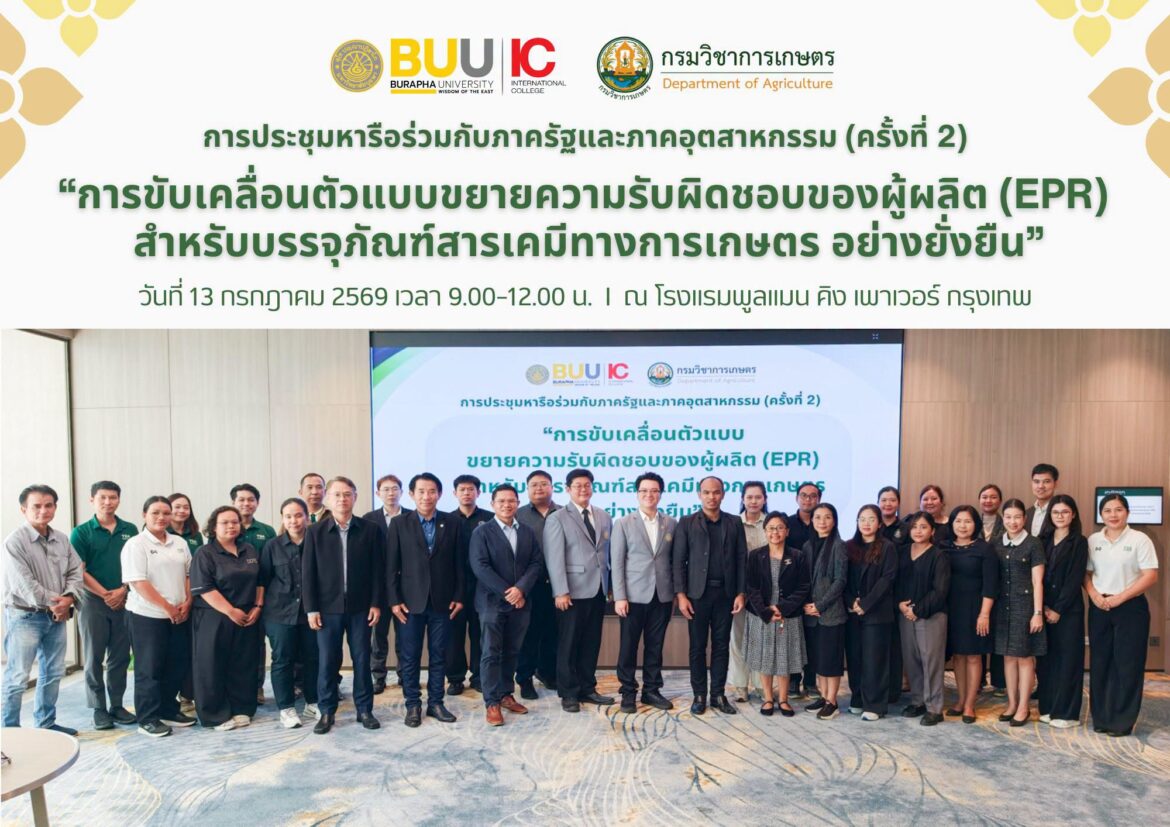
Global agricultural supply chains are increasingly requiring documented environmental compliance as a condition of market access, and this pressure is what prompted Burapha University International College (BUUIC), in partnership with Thailand’s Department of Agriculture (DOA), to convene the 2nd Consultation and Workshop on Extended Producer Responsibility (EPR) for agrochemical packaging in Bangkok on 13 July 2026. EPR is a policy approach that extends producer accountability beyond the point of sale to cover the post-consumer life of a product—in this case, the collection, decontamination, and safe disposal or recycling of hazardous agrochemical containers, which have historically been managed through fragmented, inconsistent voluntary efforts rather than a coordinated national system.
The forum’s objectives centered on translating environmental aspiration into workable technical and institutional design: developing definitive parameters for localized reverse logistics, building public-private frameworks that clarify roles between government, industry, and farmers, piloting area-based sandbox models suited to different cultivation conditions, co-designing accessible take-back systems with farmer incentives in mind, and standardizing decontamination protocols such as triple rinsing—all while positioning the initiative within Thailand’s SDG 2, 12, and 17 commitments and safeguarding the export competitiveness of its agricultural sector.
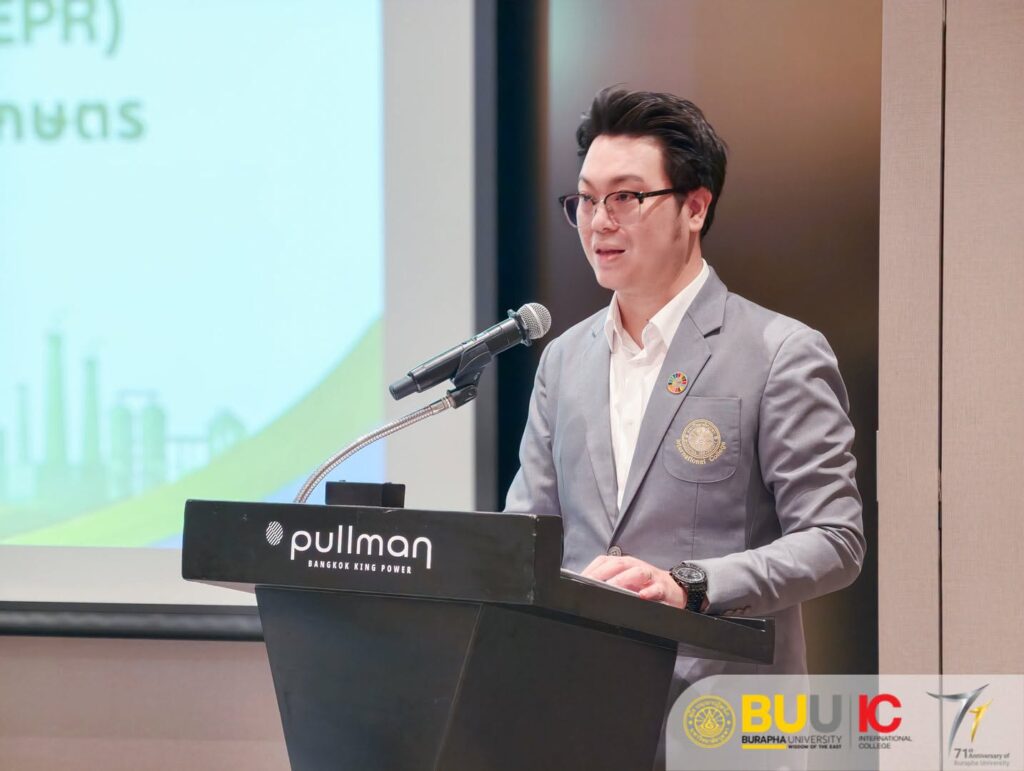
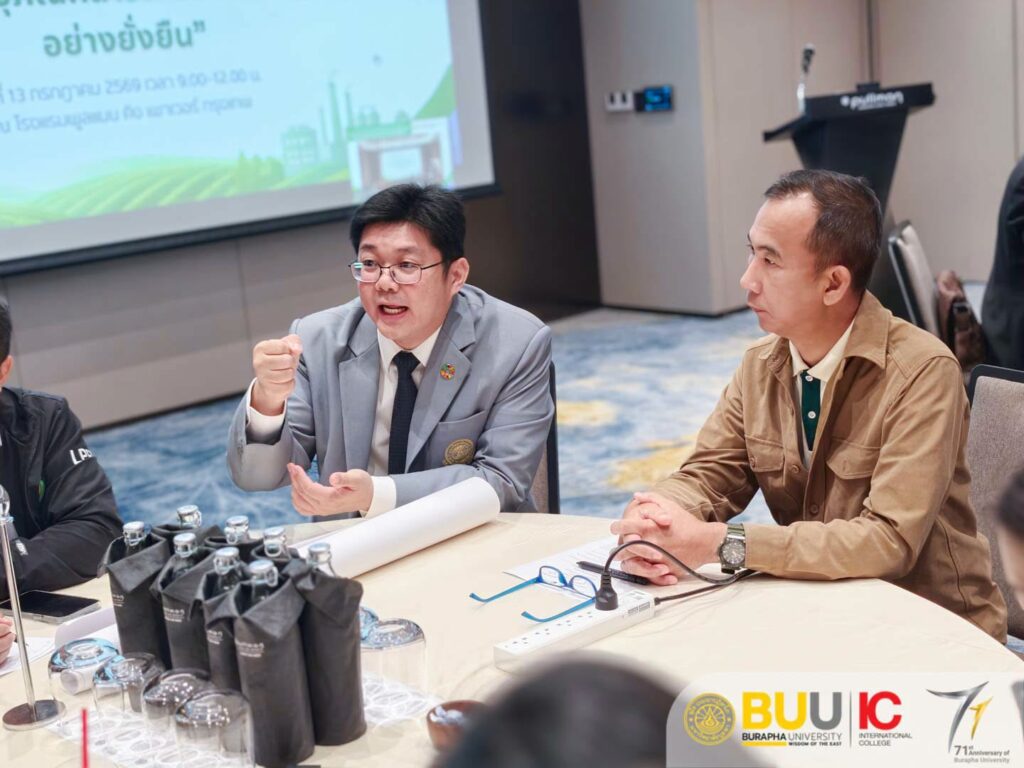
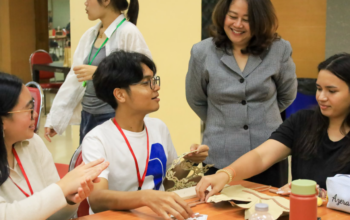
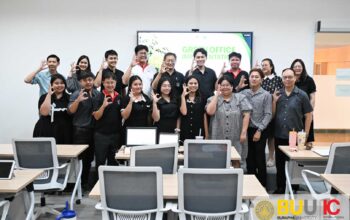
The workshop opened with a Welcome Address by Asst. Prof. Dr. Kritsantipath Phichayadechanant (Dean of BUUIC) and Opening Remarks by Mr. Wittaya Buasri (Director of the Hazardous Substances Control Division, DOA), followed by three parallel working tracks: an Area-Based Sandbox and Logistics session led by Asst. Prof. Dr. Panate Manomaivibool focused on geographically tailored reverse logistics; multi-stakeholder working groups—comprising regulators, manufacturers, importers, and international technical advisors—co-designing take-back network and incentive structures; and a technical session establishing triple-rinsing decontamination standards, with the Thai Agricultural Innovation Trade Association (TAITA) supporting the initiative as research funding partner.
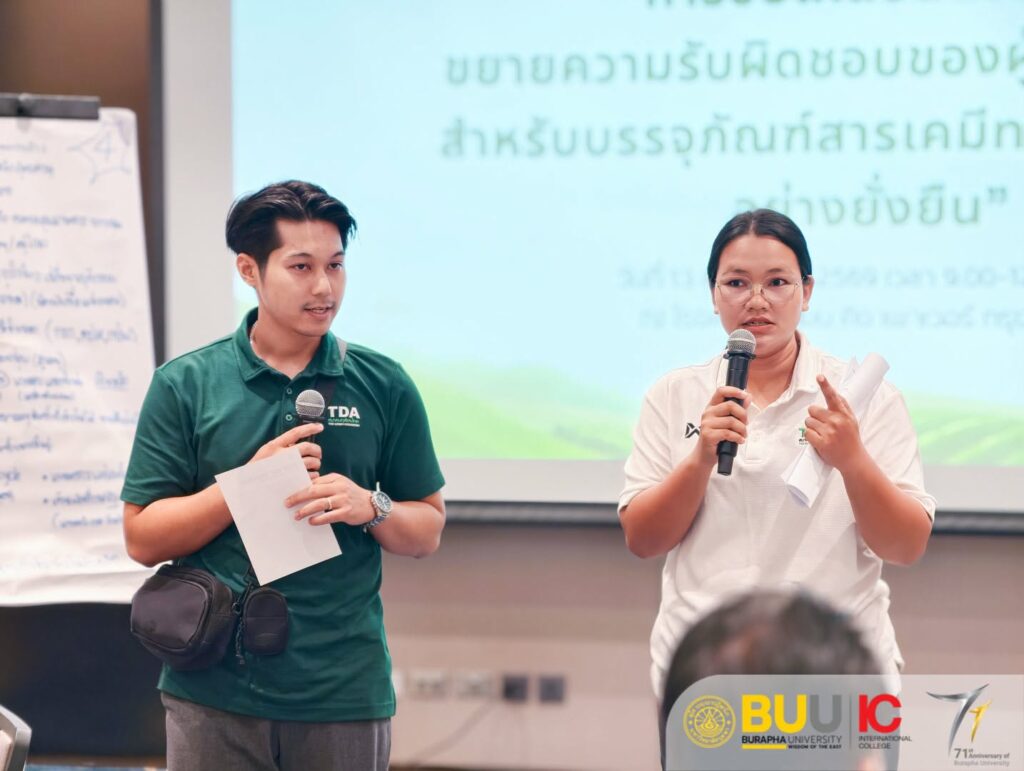
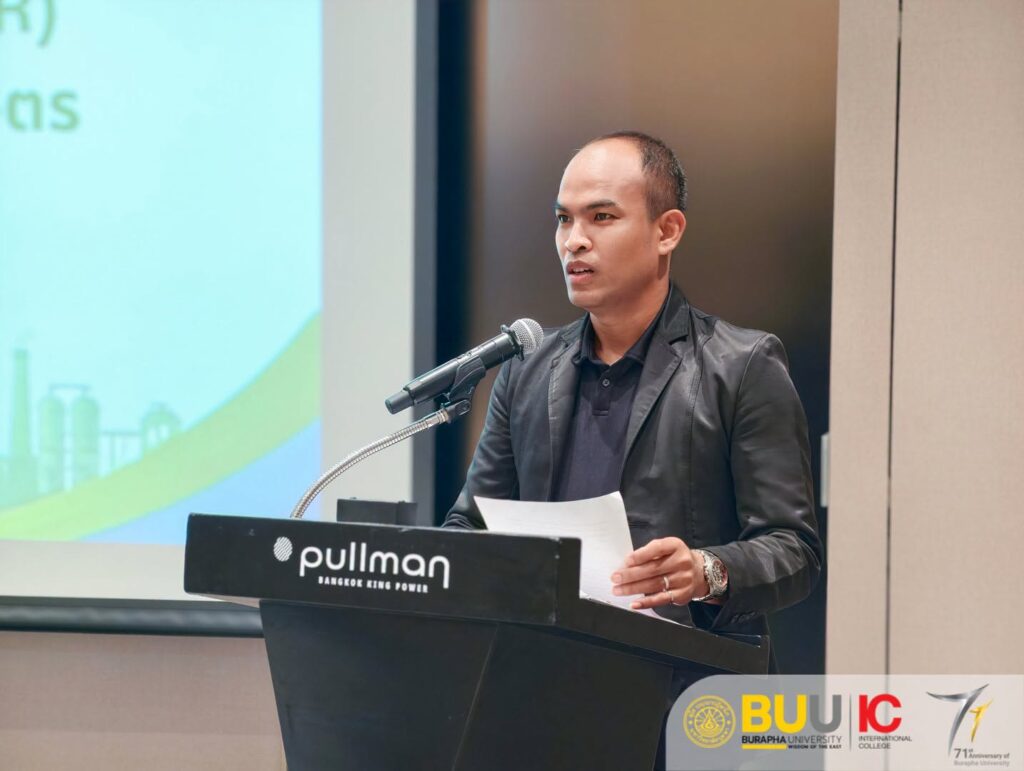
The initiative is expected to reduce chemical contamination risks to farmland, water, and food safety (SDG 2), shift agrochemical packaging management from a linear disposal model toward a circular one aligned with Thailand’s BCG economy (SDG 12), and strengthen cross-sector partnership infrastructure linking academia, government, and industry (SDG 17)—while proactively helping Thailand’s agricultural export sector meet the sustainability and traceability standards increasingly demanded by international markets, and reinforcing BUUIC’s role as a credible convener bridging research and applied policy.
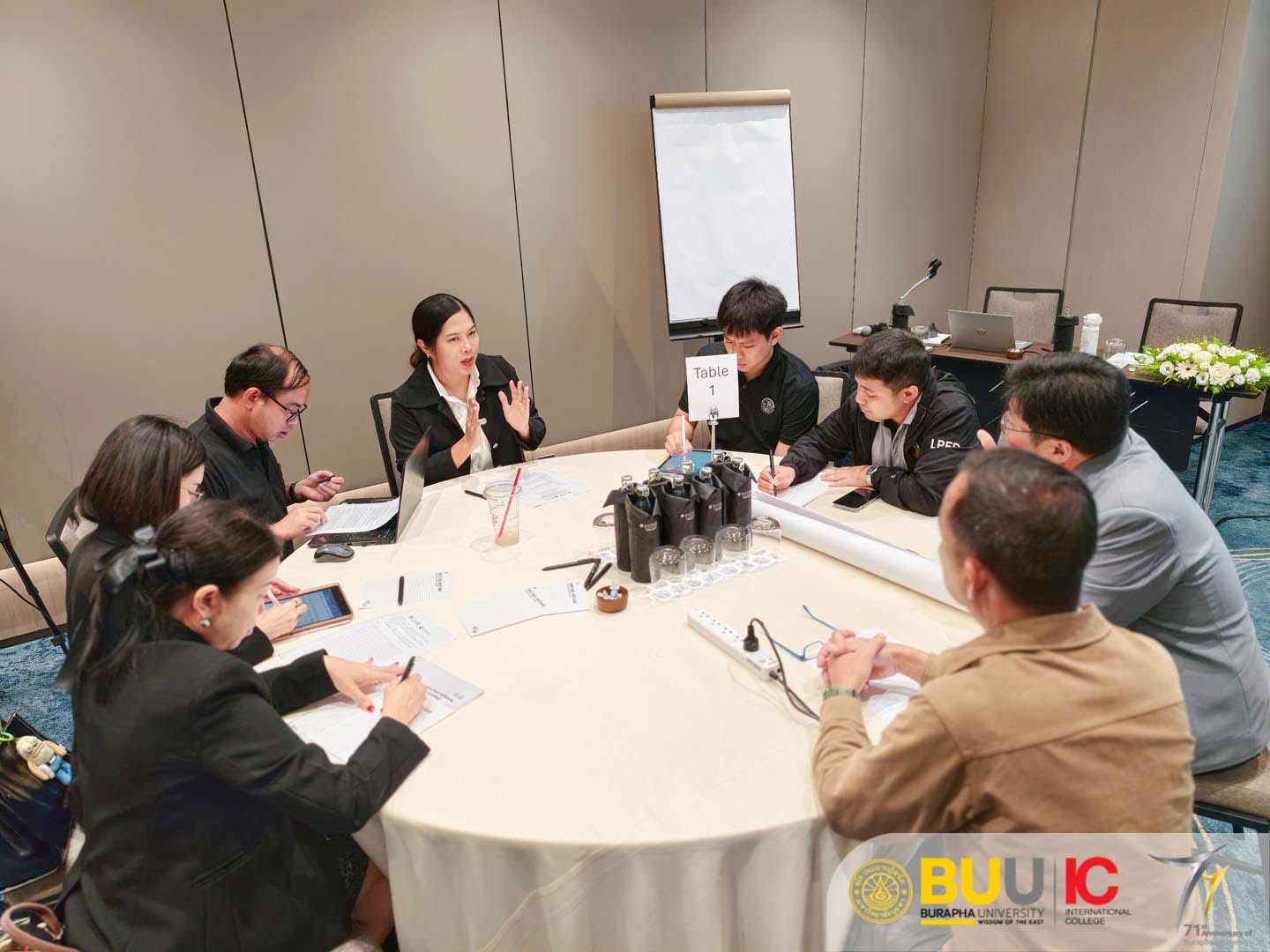
Activity Date: July 13, 2026
Project Leader: Asst. Prof. Dr. Panate Manomaivibool