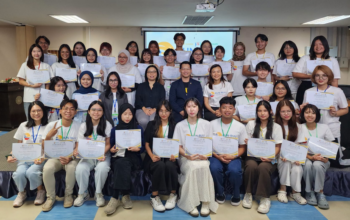
From 15–17 June 2026, the International College of Burapha University organized “AUN-BUU Summer Camp 2026: Global Citizenship and Future Leadership” as part of the AUN-BUU Summer Camp 2026 program coordinated by the Global Relations Center, Burapha University. Held under the theme “YATHA: Youth, Assembly, Traditional, Health & Altruism,” the program brought together international students from ASEAN University Network (AUN) member universities and Burapha University students to develop global citizenship competencies and future leadership skills through experiential learning, cultural exchange, and community engagement.
As a member and one of the founding institutions of the ASEAN University Network (AUN), Burapha University was honored to host AUN-BUU Summer Camp 2026, reaffirming its commitment to strengthening academic collaboration, intercultural understanding, and regional engagement among ASEAN youth. The program also supports student mobility initiatives, enhances international learning opportunities, and contributes to the University’s strategic goals in internationalization and micro-credential development, while strengthening the University’s reputation and visibility on the global stage.
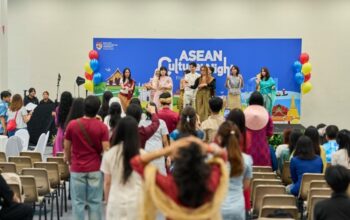
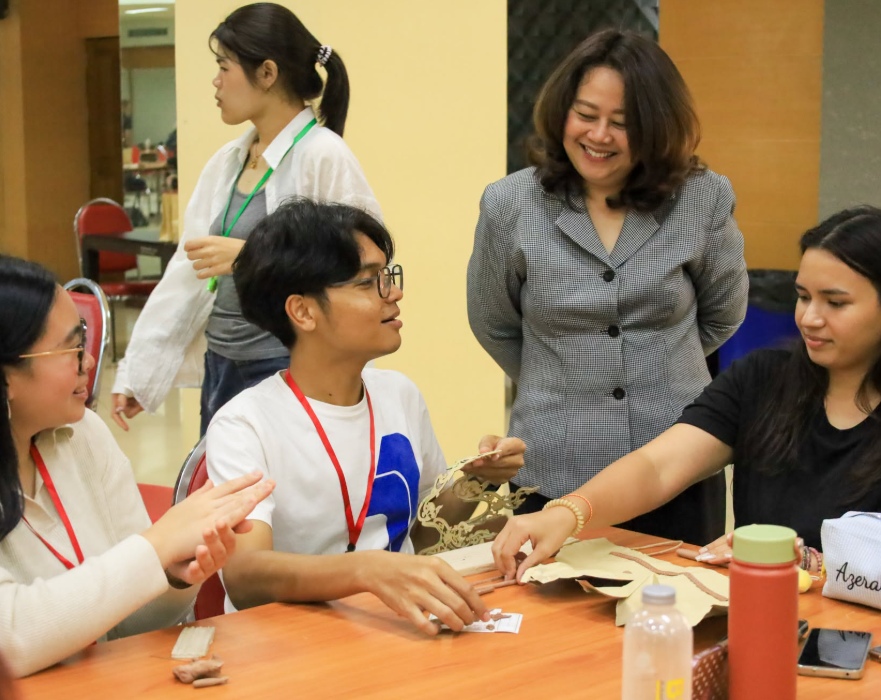
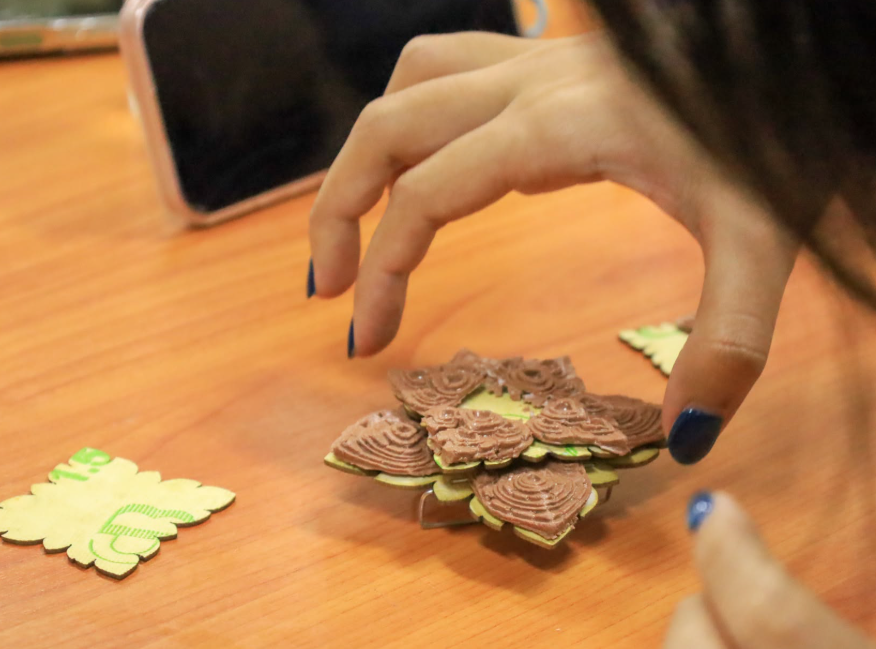
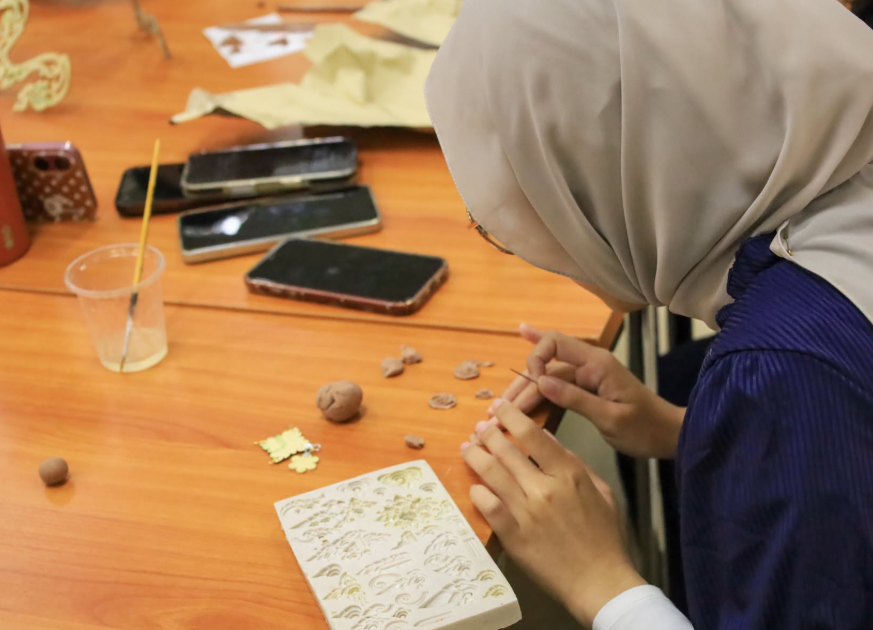
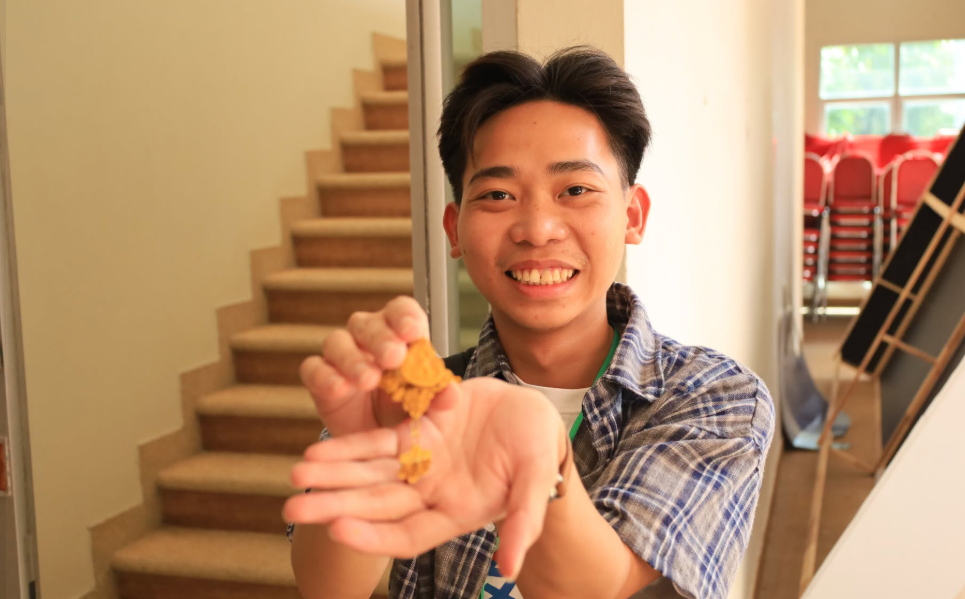
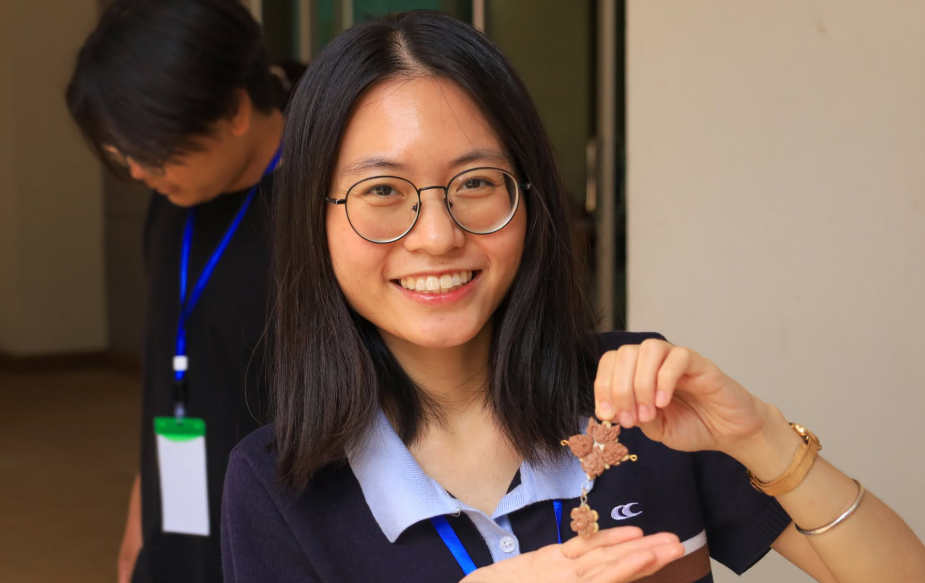
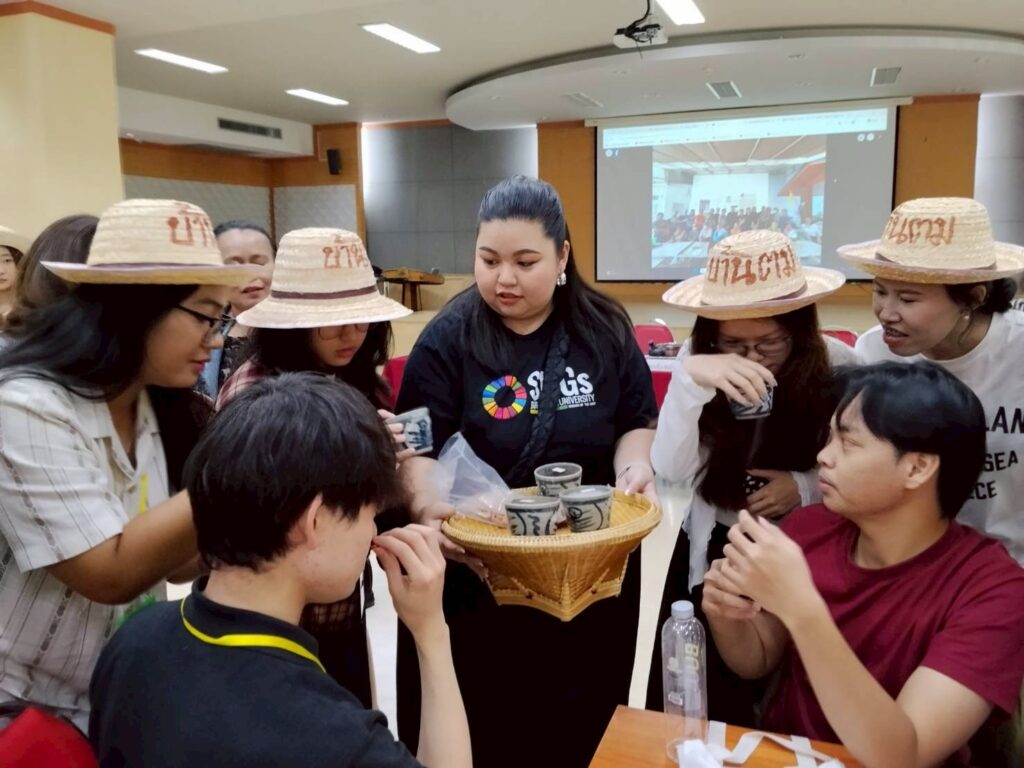
Designed to cultivate globally minded and socially responsible future leaders, the Global Citizenship and Future Leadership program encouraged participants to explore cultural diversity, creative thinking, entrepreneurship, and local wisdom through a variety of interactive and hands-on activities. Through “Dress Like a Thai!”, participants gained insights into Thai cultural identity and traditional attire, while “Taste & Scent Explorer: Thai Herbs Edition” introduced them to the unique characteristics and cultural significance of Thai herbs through sensory learning experiences. Participants also engaged in “Handcrafted Thai Ornament” workshops, where they explored traditional Thai craftsmanship and learned about the preservation of cultural heritage through local artistic practices.
In addition, students participated in a Business Model Workshop, which fostered entrepreneurial thinking, strategic planning, teamwork, and problem-solving skills. Through collaborative activities, participants explored how innovative business ideas can generate social value while addressing sustainability challenges, highlighting the important role of future leaders in balancing economic development with social and environmental responsibility.
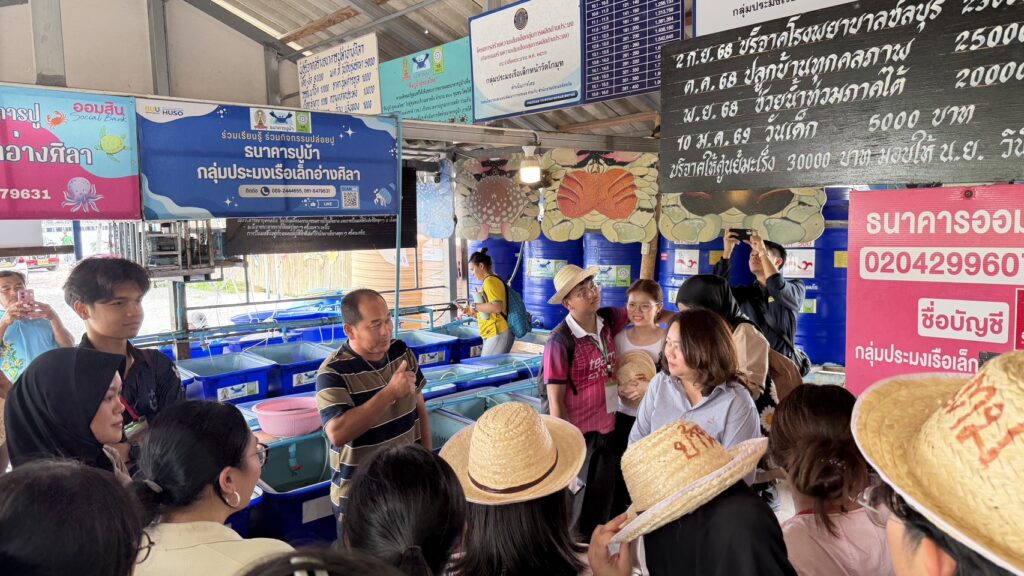
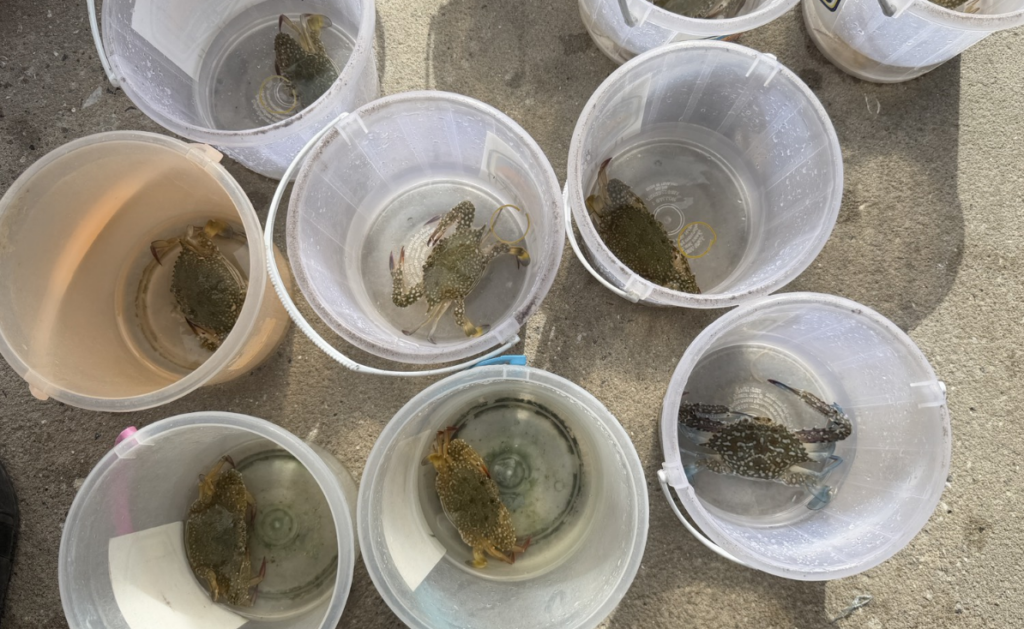
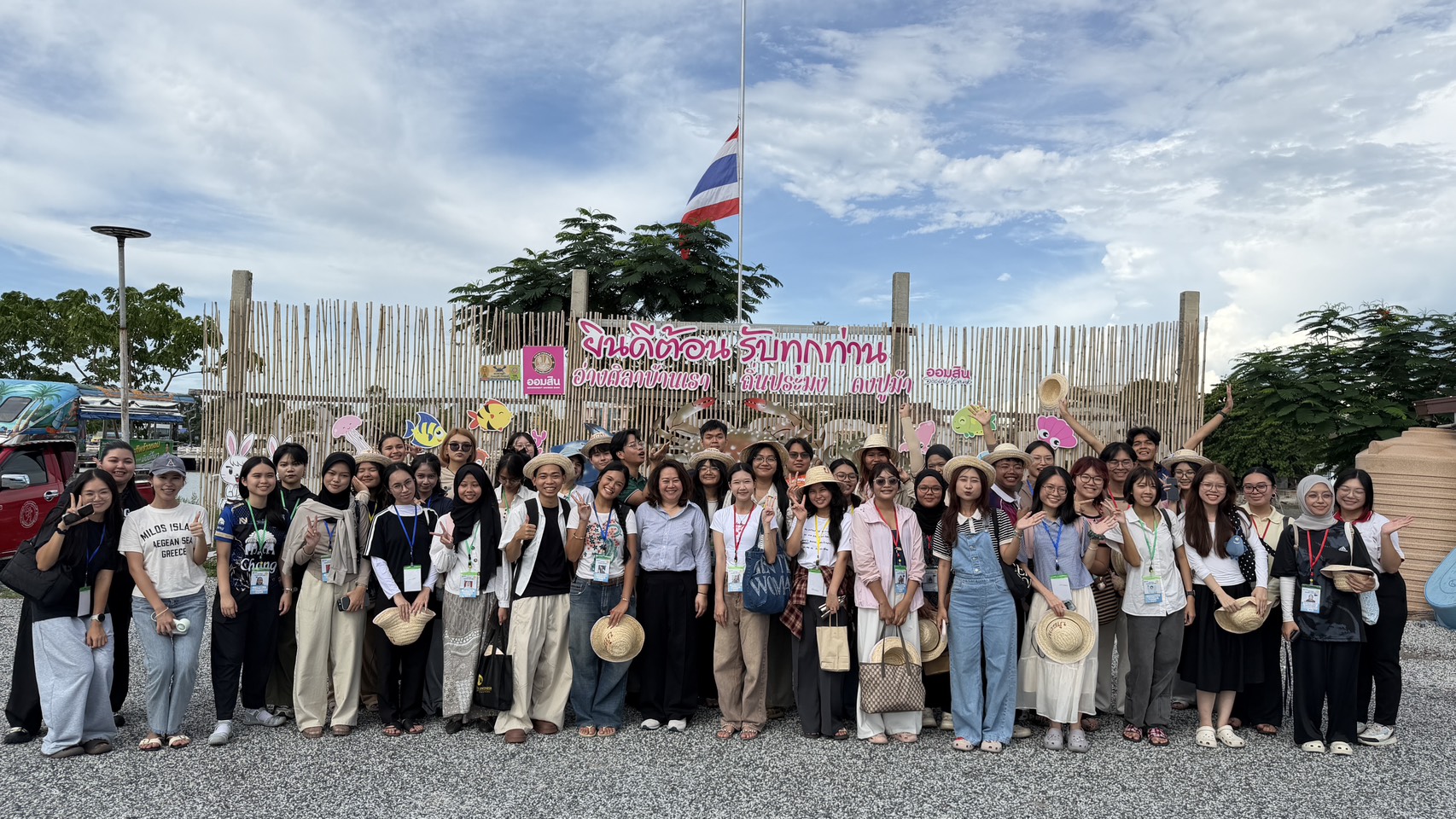
One of the program’s key highlights was a field visit to a local Blue Swimming Crab Learning Group, where participants learned about community-based fisheries management and sustainable marine resource conservation. The visit provided valuable insights into how local communities work together to protect coastal ecosystems, restore marine biodiversity, and maintain a sustainable balance between livelihoods and environmental stewardship. Through direct interaction with community members, participants gained a deeper appreciation of the role of local knowledge and collective action in achieving sustainable development.
Participants also explored the natural beauty of coastal ecosystems through a kayaking activity, which provided opportunities to learn about the relationship between people and nature while raising awareness of environmental conservation and biodiversity protection. The activity encouraged participants to reflect on the importance of preserving natural resources for future generations and highlighted the value of sustainable tourism and outdoor learning experiences.
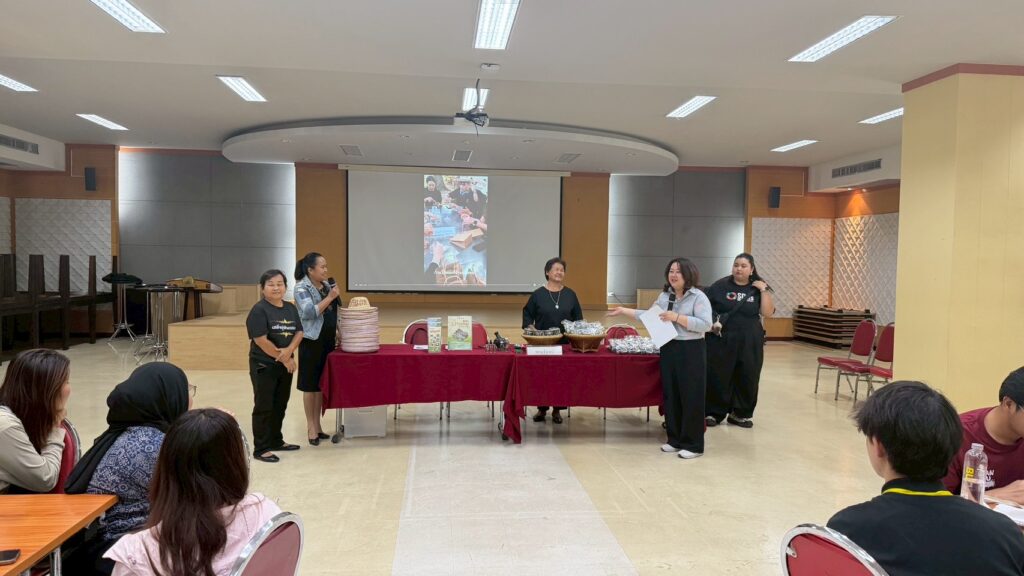
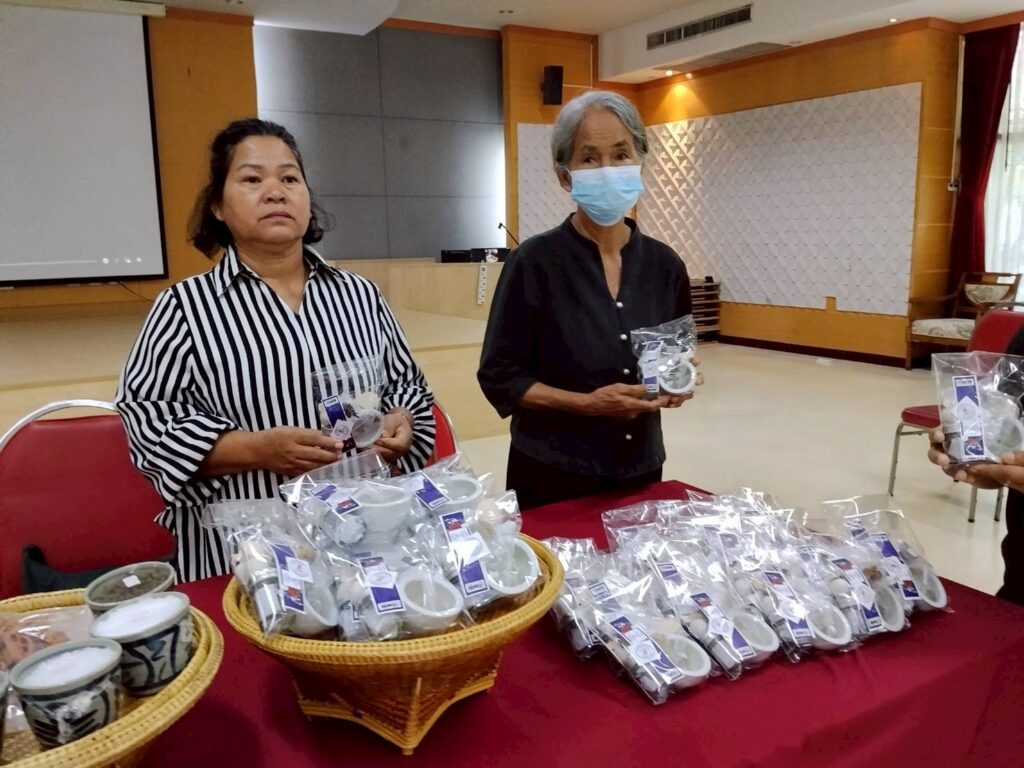
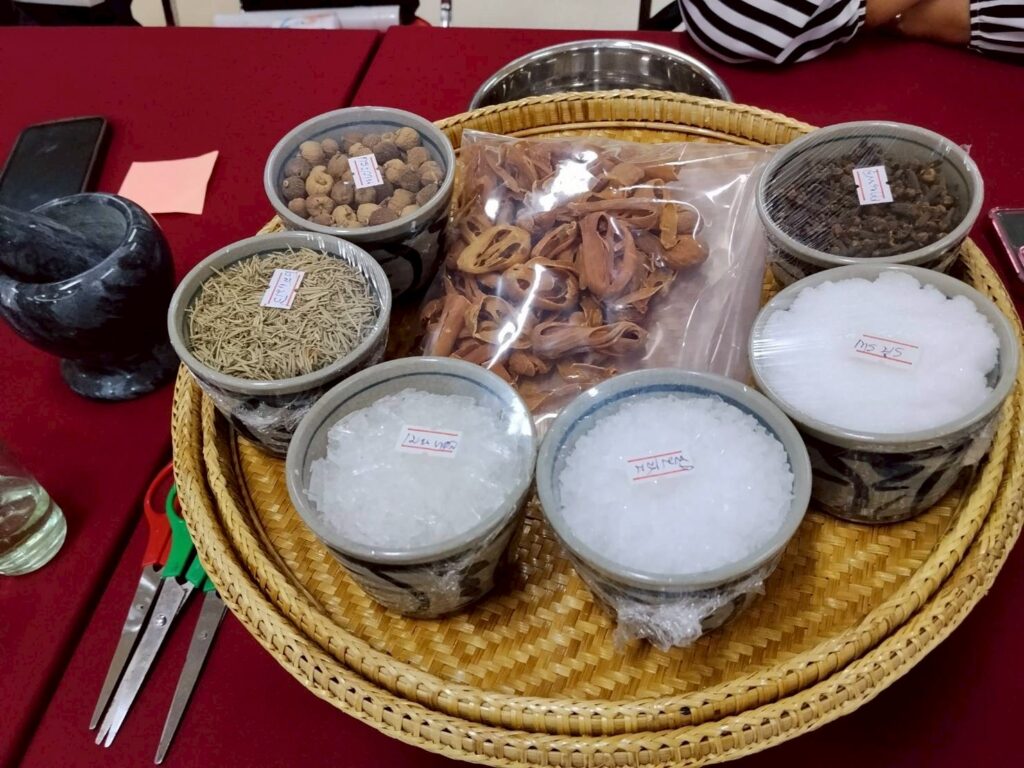
Another unique cultural experience involved the creation of “Ya Dom Hom Chan,” a traditional Thai herbal inhaler. Participants learned about the medicinal properties of Thai herbs and the traditional knowledge behind this locally developed wellness product. By creating their own herbal inhalers, students gained hands-on experience in utilizing natural resources and appreciating the value of indigenous wisdom in promoting health and well-being.
Throughout the program, participants from diverse cultural backgrounds exchanged ideas, experiences, and perspectives in an atmosphere of friendship, mutual respect, and collaboration. These interactions helped foster intercultural competence, broaden global perspectives, and strengthen regional solidarity among young people from across ASEAN, empowering them to become responsible global citizens and future leaders capable of addressing complex global challenges.
The program reflects Burapha University’s commitment to nurturing globally competent graduates who possess both international perspectives and an appreciation of local cultures and communities. By integrating cultural heritage, entrepreneurship, environmental sustainability, and community engagement into an international learning experience, the University provides meaningful opportunities for students to develop the knowledge, skills, and values necessary to thrive in an interconnected world.
AUN-BUU Summer Camp 2026: Global Citizenship and Future Leadership contributes to several United Nations Sustainable Development Goals (SDGs). The program supports SDG 4: Quality Education through experiential, interdisciplinary, and intercultural learning opportunities. It advances SDG 8: Decent Work and Economic Growth by fostering entrepreneurial thinking and innovation. The promotion of Thai cultural heritage and local wisdom aligns with SDG 11: Sustainable Cities and Communities, while the study visit to the Blue Swimming Crab Learning Group and environmental learning activities contribute to SDG 14: Life Below Water. Furthermore, the program strengthens regional cooperation and international partnerships in support of SDG 17: Partnerships for the Goals.
Through this initiative, Burapha University continues to demonstrate its leadership in international education by creating transformative learning experiences that empower ASEAN youth to become globally minded, culturally aware, socially responsible, and sustainability-oriented leaders of the future.