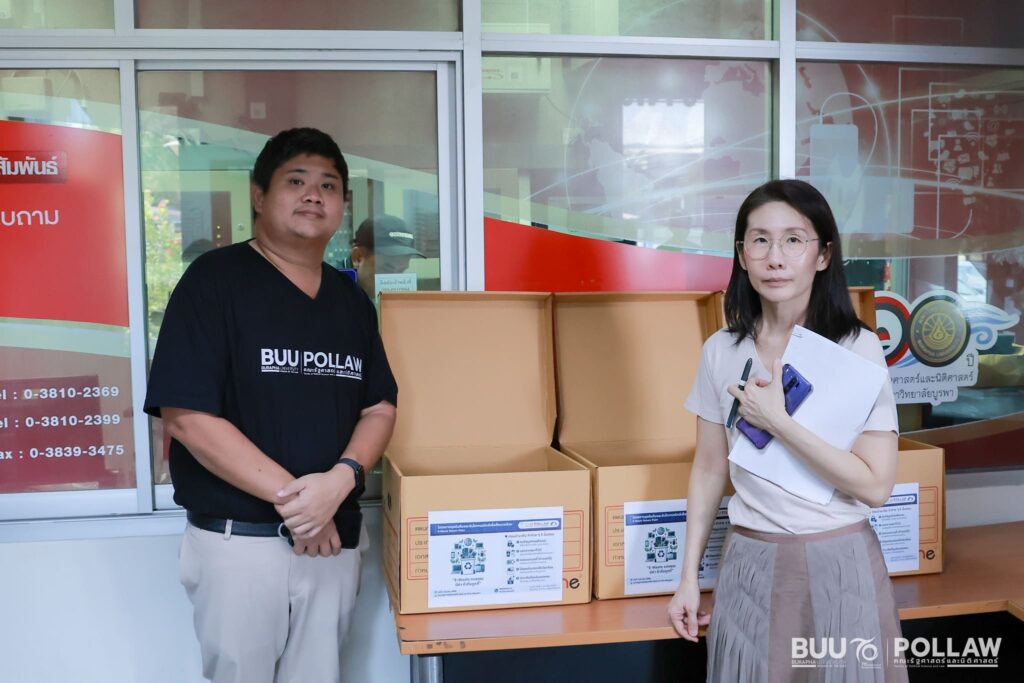
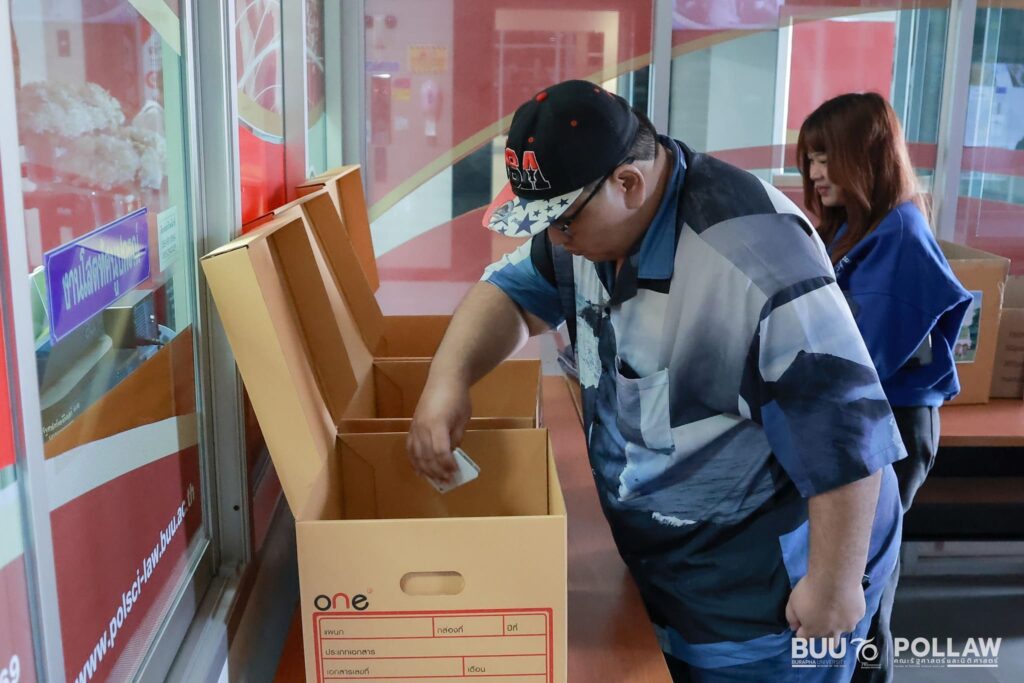
Electronic waste has become a growing environmental concern due to the increasing use of technology in daily life and work. If not properly separated and managed, e-waste can negatively impact the environment and public health. The Faculty of Political Science and Law, Burapha University, therefore organised the “E-Waste Return Point for Environmental Sustainability Project” to encourage executives, faculty members, staff, and students to properly separate and transfer e-waste for environmentally sound disposal or recycling. The project aligns with the Green University policy and supports SDG 12: Responsible Consumption and Production, as well as other related environmental sustainability goals.
Project Coordinator: Assoc.Prof.Dr.Rungnapa yanyongkasemsuk
Objectives:
- To promote proper separation and management of electronic waste and reduce the release of hazardous substances into the environment.
- To raise awareness and encourage responsible behaviour among staff and students regarding consumption, resource use, and waste management.
- To support the Green University initiative and the implementation of the Sustainable Development Goals, particularly SDG 12 and related goals.
Program Activities:
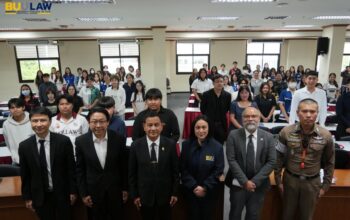
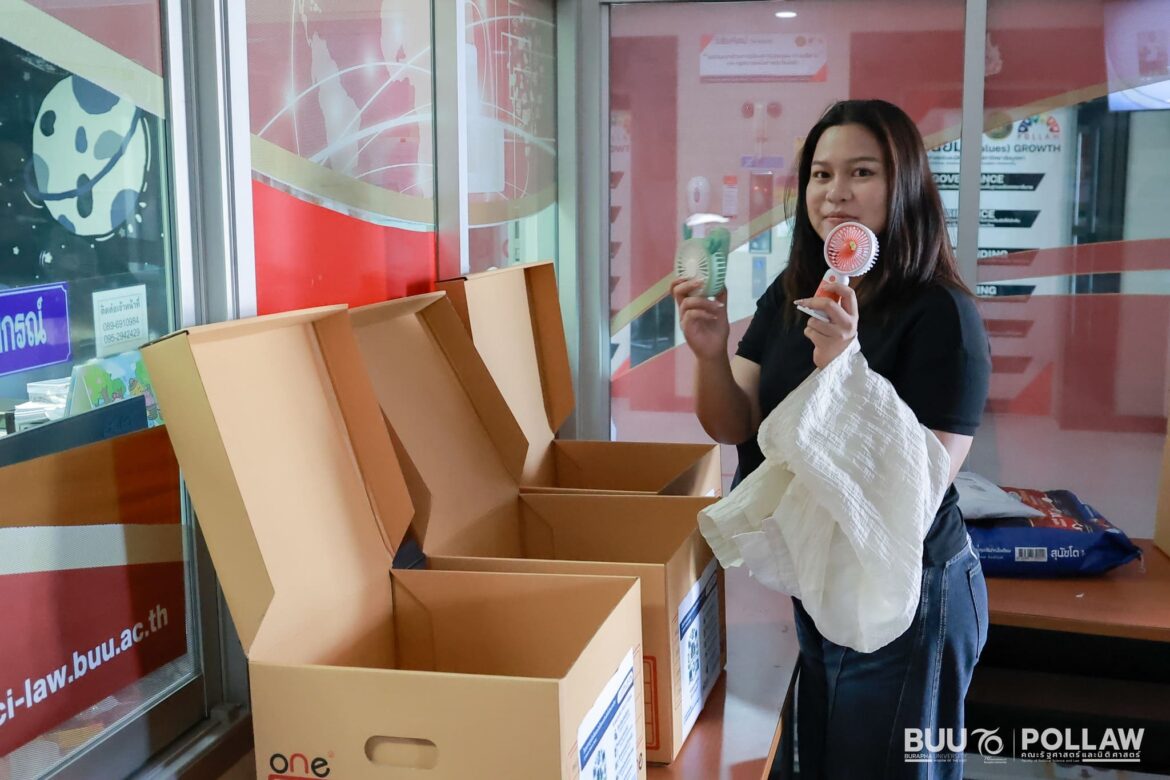
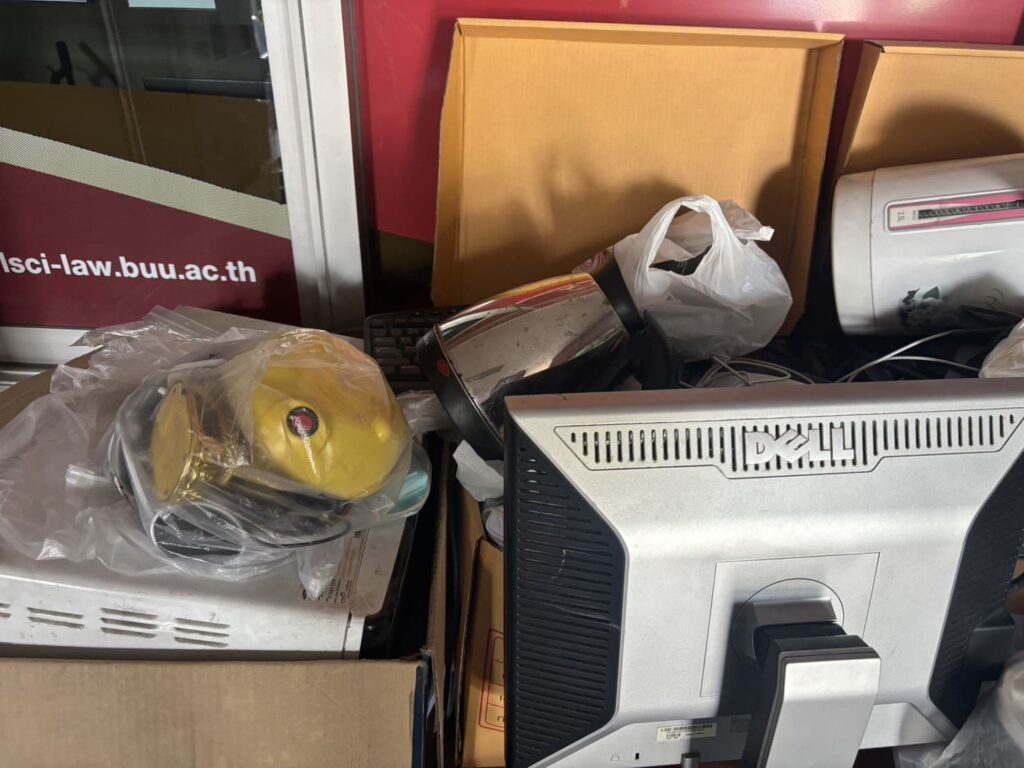
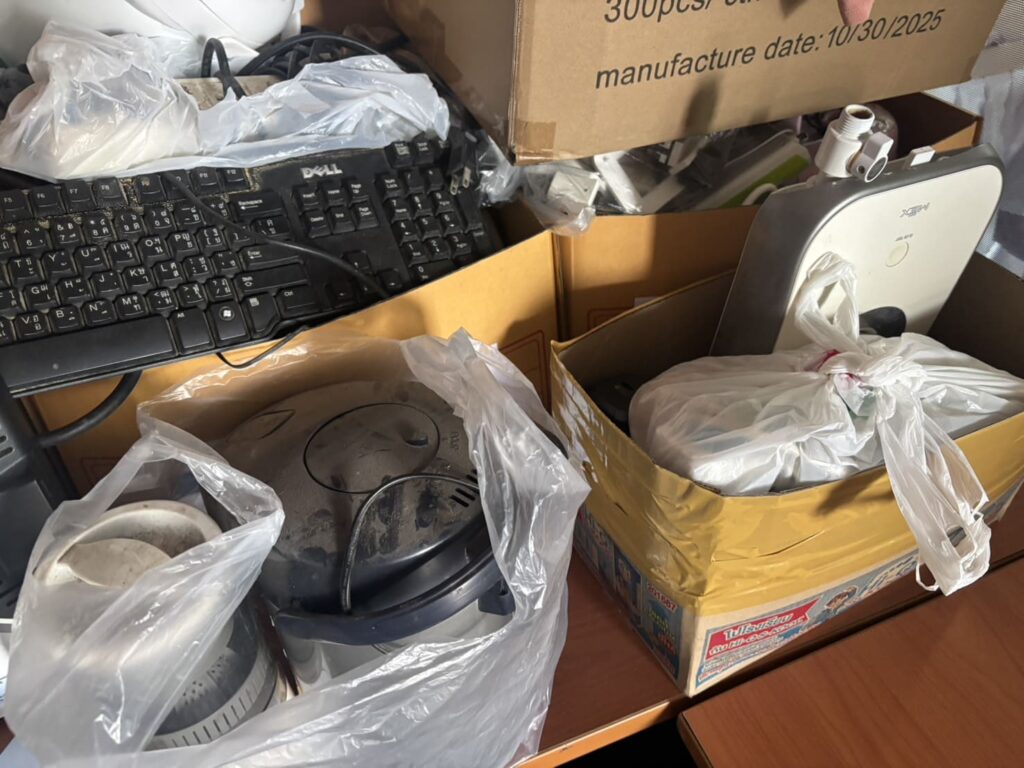
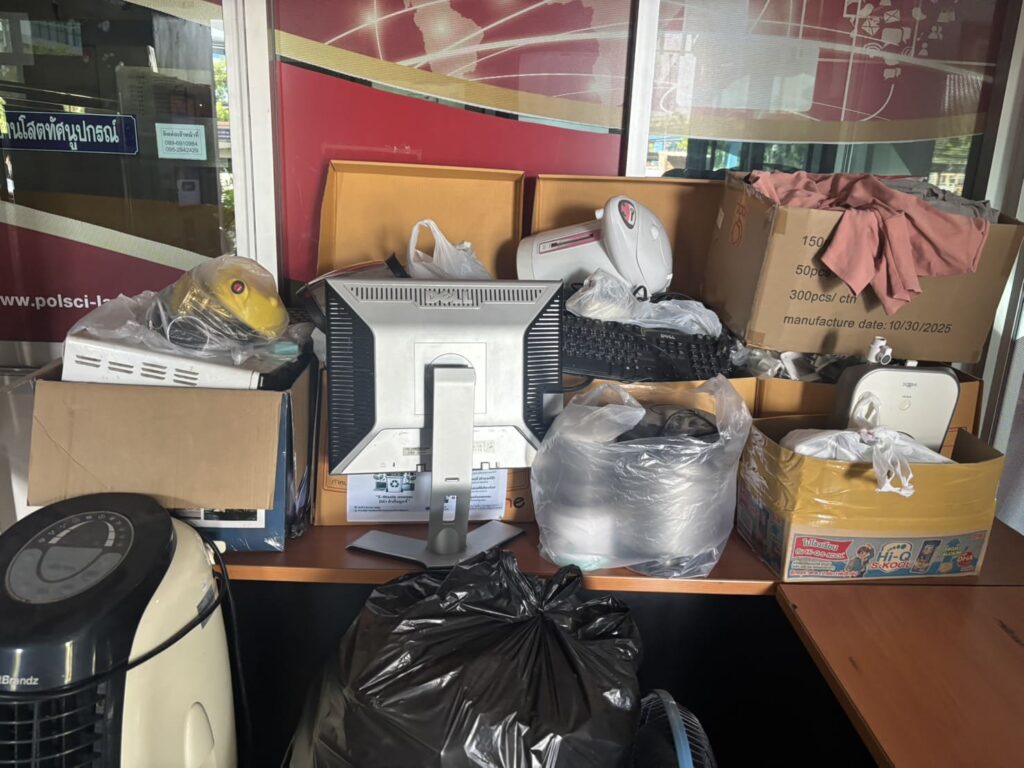
On 2 March 2026, the Faculty of Political Science and Law, Burapha University, organised the “E-Waste Return Point for Environmental Sustainability Project” at the lobby area of the Faculty of Political Science and Law building. University executives, faculty members, staff, and students participated in the activity by bringing unused electronic devices for proper separation and collection. The project accepted e-waste, including mobile phones, computers, peripheral devices, and small electrical appliances. The collected items were sorted by category, recorded by quantity, and prepared for transfer to certified agencies or companies for proper disposal or recycling in accordance with environmental standards.
Expected Outcomes (Impacts):
This project had a positive impact on environmental management within the faculty by reducing the amount of electronic waste that might otherwise be mixed with general waste and lowering the risk of hazardous substances contaminating soil, water, and ecosystems. Executives, faculty members, staff, and students gained greater awareness of responsible consumption, efficient resource use, and proper waste management. The project also strengthened an organisational culture of social and environmental responsibility. Its outcomes can further support the Green University initiative, educational quality assurance, and the implementation of SDG 12: Responsible Consumption and Production, while also contributing to SDG 13: Climate Action by reducing environmental impacts and SDG 17: Partnerships for the Goals through cooperation with certified organisations for proper e-waste disposal and recycling.
Date of Implementation: Mar 2, 2026