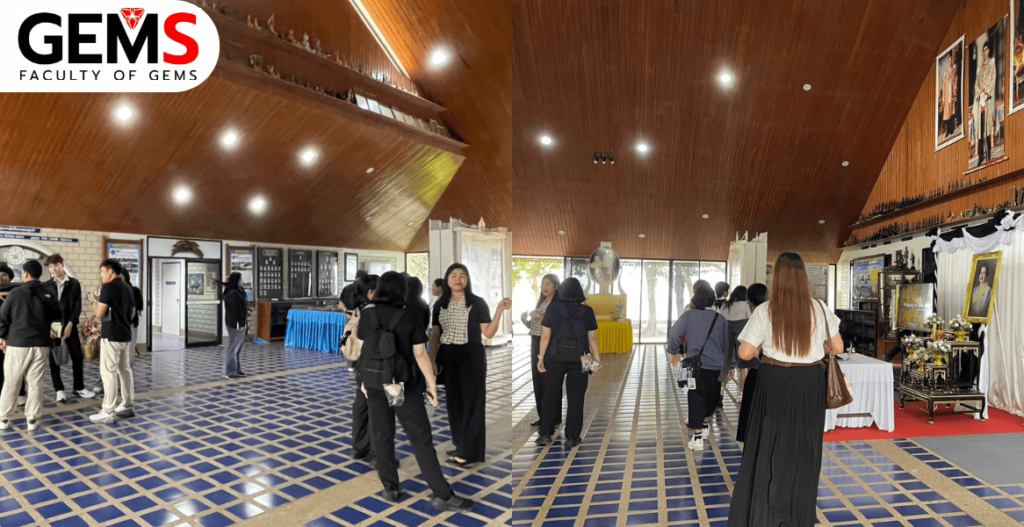
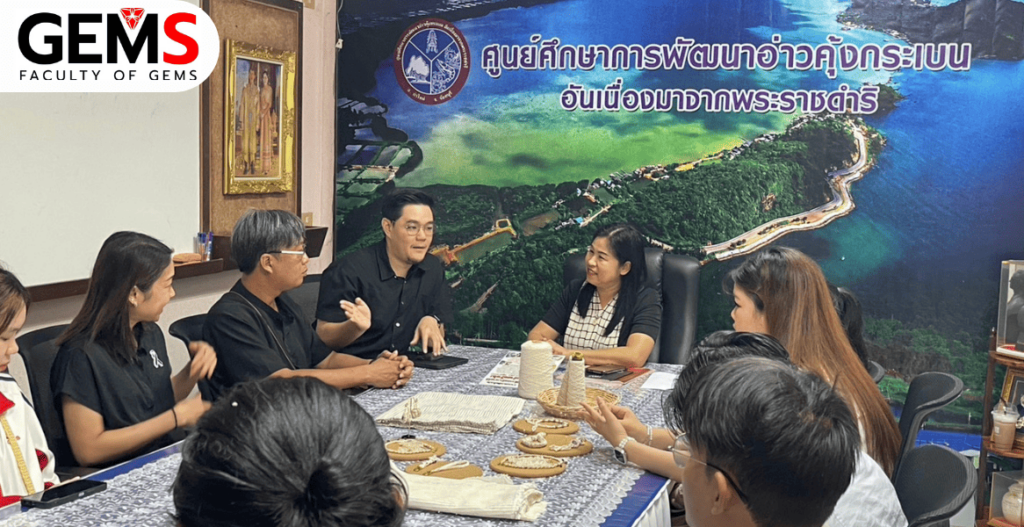
This proactive initiative integrates the Contemporary Jewellery Design curriculum with the Green University policy, focusing on waste management and innovative research to drive the Gems 1 Strategy through experiential learning at the Kung Krabaen Bay Royal Development Study Center. By addressing the ecological challenge of seaweed accumulation, students undergo a transformative process—reimagining biological waste as “Creative Resources” under the Circular Economy framework to develop sustainable material innovations. Furthermore, in alignment with the Faculty of Gems’ Gems 3 Strategy, the project utilises “Design as a Change Agent” to empower communities, returning processed knowledge to residents to inspire economic value addition and environmental stewardship. Ultimately, the project concretely advances SDG 4 (Quality Education), SDG 12 (Responsible Consumption and Production), and SDG 14 (Life Below Water), resulting in a holistic learning model that bridges art and ecology to nurture a new generation of socially responsible designers capable of driving genuine sustainability.
Project Coordinator: Assistant Professor Worachai Roubroumlert, Jewelry Design Department, Faculty of Gems, Burapha University, Chanthaburi Campus
Objectives:
This project aims to enhance experiential learning through contemporary jewellery research, fostering desirable graduates by transforming seaweed biowaste from Kung Krabaen Bay into value-added, circular economy materials. By leveraging design as a tool for academic service, it empowers local communities with sustainable production knowledge, creating economic opportunities. Ultimately, the initiative drives SDGs by blending artistic aesthetics with marine conservation and socially responsible innovation.
Program Activities:
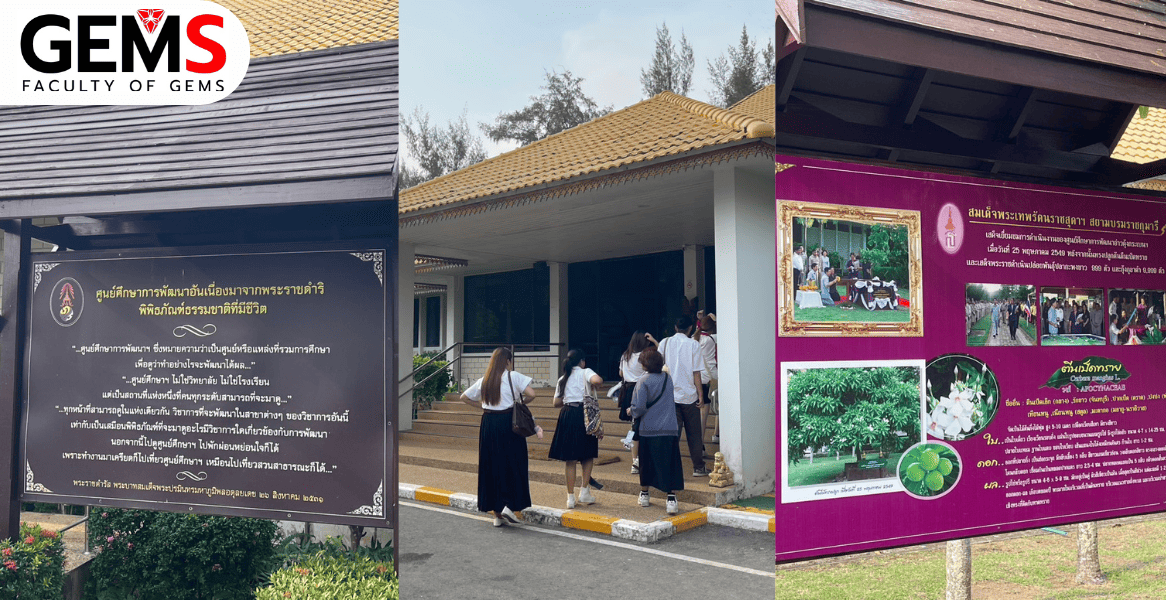
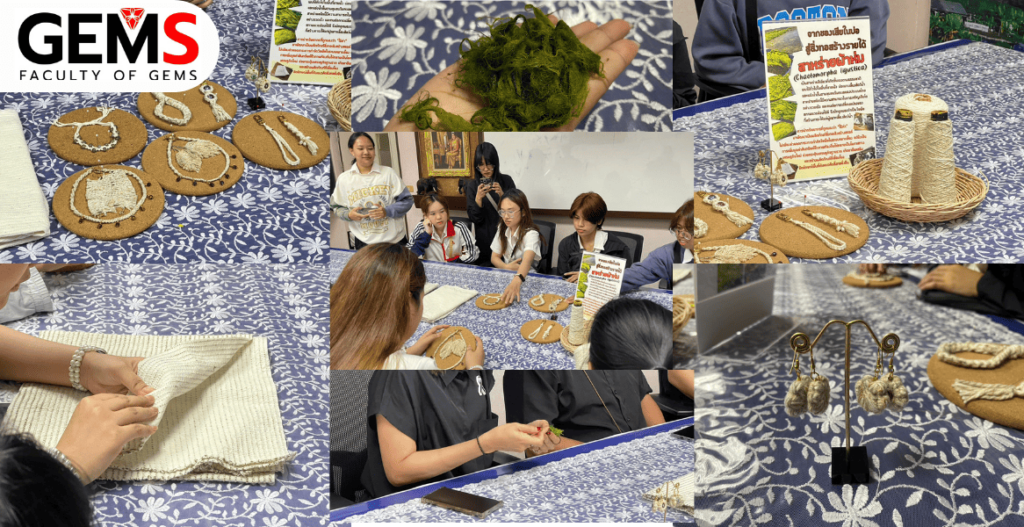
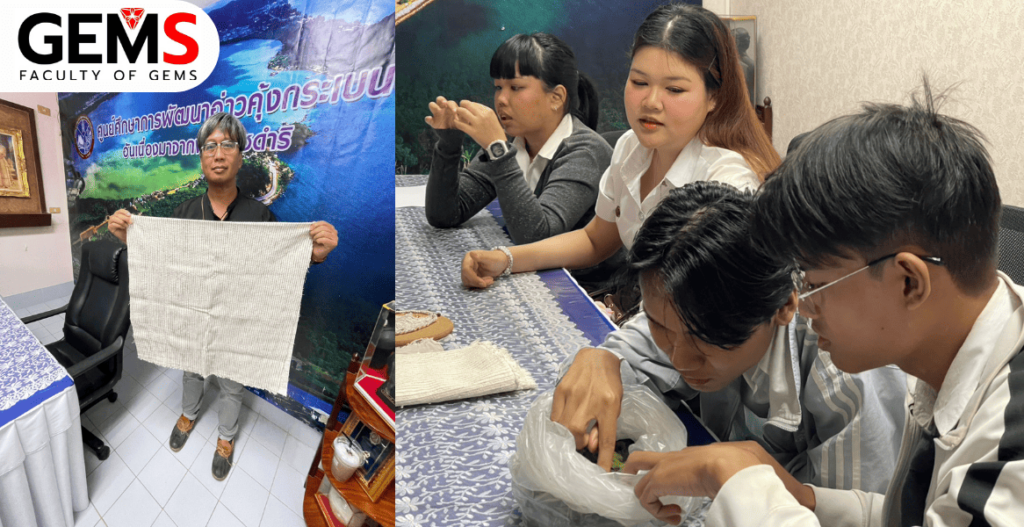
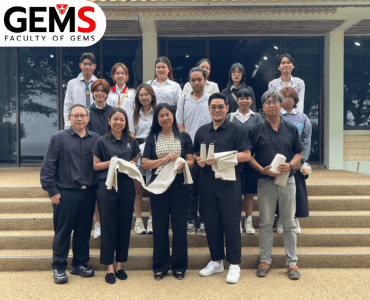
This project integrates the Contemporary Jewellery Design course with hands-on research at the Kung Krabaen Bay Royal Development Study Center. Students engage in experiential learning by studying biological seaweed waste and researching techniques to transform these local materials into “creative resources.” By collaborating with the community and experts to analyse material processing, the project develops innovative upcycled jewellery that adds economic value to the region while fostering environmental sustainability.
Expected Outcomes (Impacts):
This project generates a significant impact by aligning with key Sustainable Development Goals (SDGs). It advances Quality Education (SDG 4) by equipping students with experiential learning and social responsibility. Through Responsible Consumption and Production (SDG 12), the project creates a sustainable model for upcycling seaweed waste into high-value creative resources. Additionally, it supports Life Below Water (SDG 14) by reducing marine debris in the Kung Krabaen Bay area, thereby preserving the coastal ecosystem and providing economic opportunities for the local community.
Date of Implementation: February 12, 2026