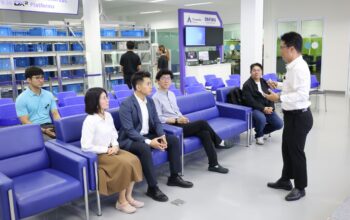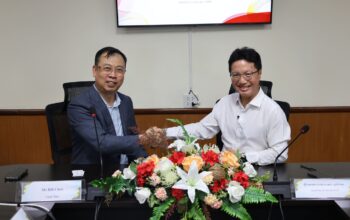
The Faculty of Engineering, Burapha University, is committed to creating a learning environment that supports quality of life and sustainability. The Sustainable Drinking Water Initiative was established to ensure that students, faculty members, and staff can access safe, clean, and standard-compliant drinking water across the Faculty.
By reducing reliance on bottled water, the project lowers single-use plastic waste. It minimises environmental impacts—supporting SDG 6 (Clean Water and Sanitation) and promoting responsible resource use within the university community.
Project Coordinator: Asst. Prof. Thongchai Sriviriyarat, PhD.
Objectives:
- To provide safe, clean, and standard drinking water for students, faculty, and staff
- To reduce single-use plastic bottle consumption within the Faculty
- To promote efficient and sustainable water resource use
- To create a practical learning space for water management and sustainability
- To support the university’s SDG implementation
Program Activities:
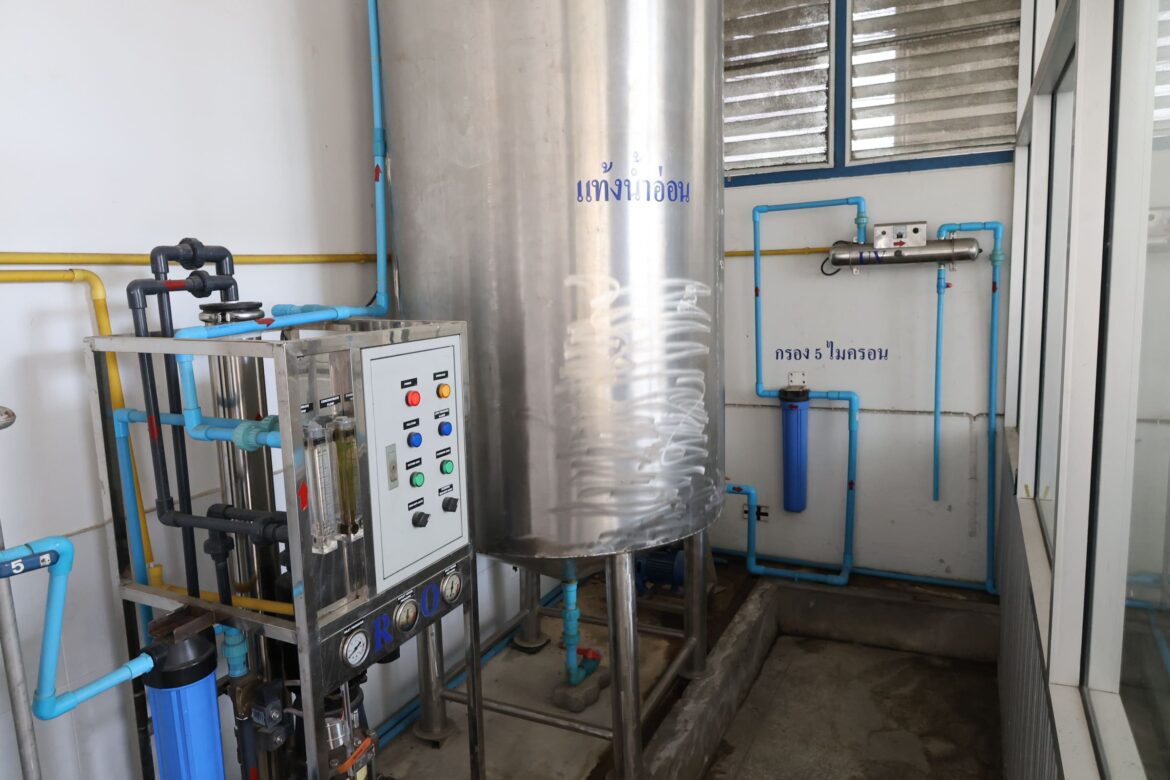
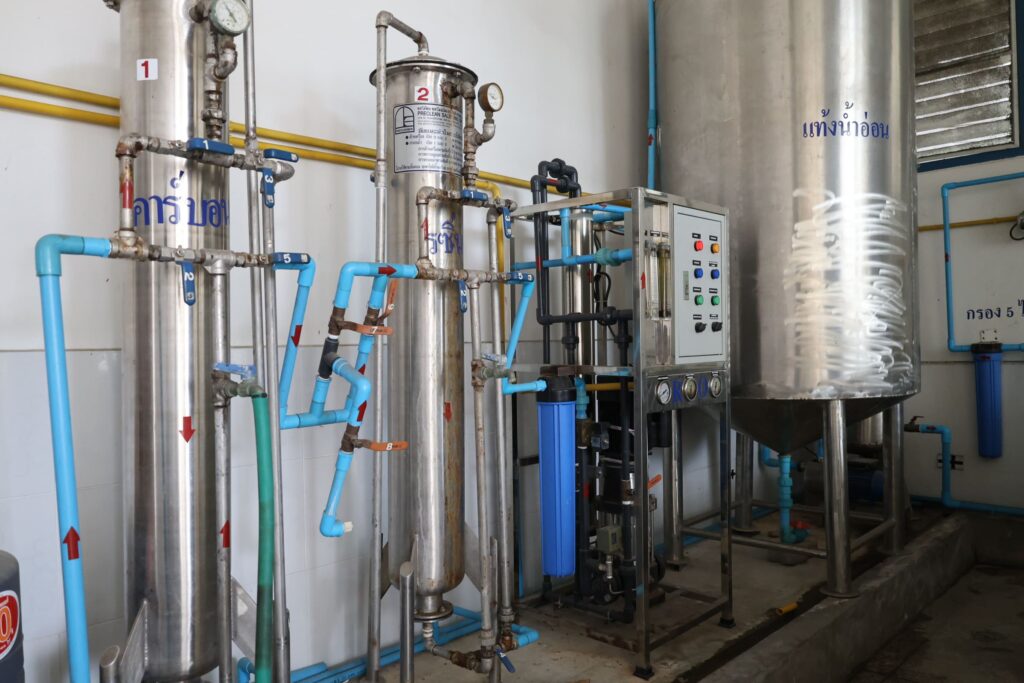
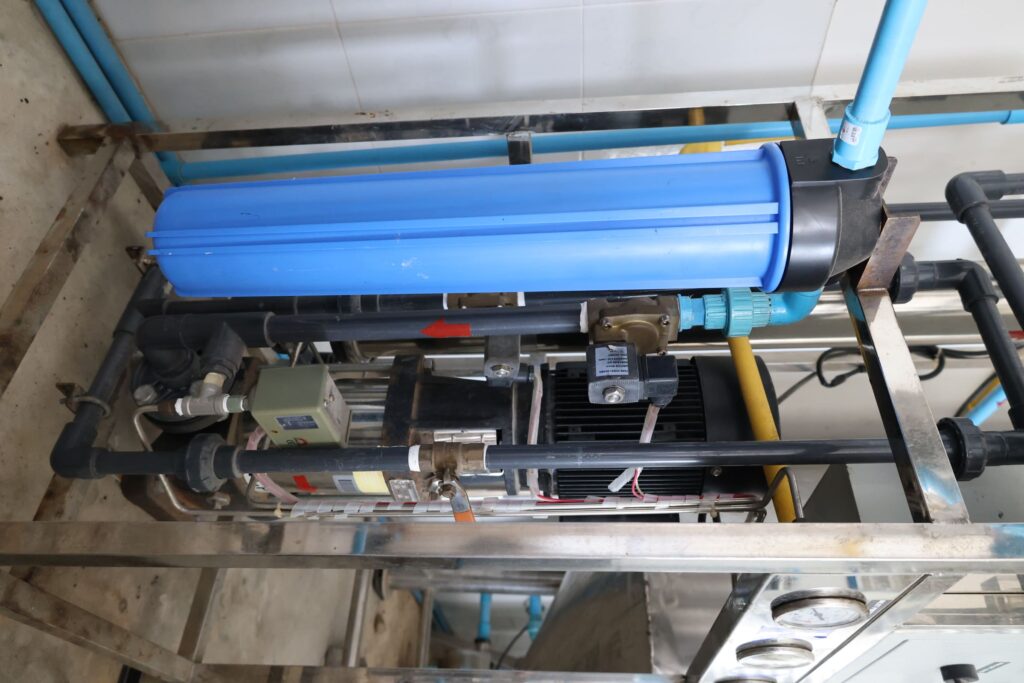
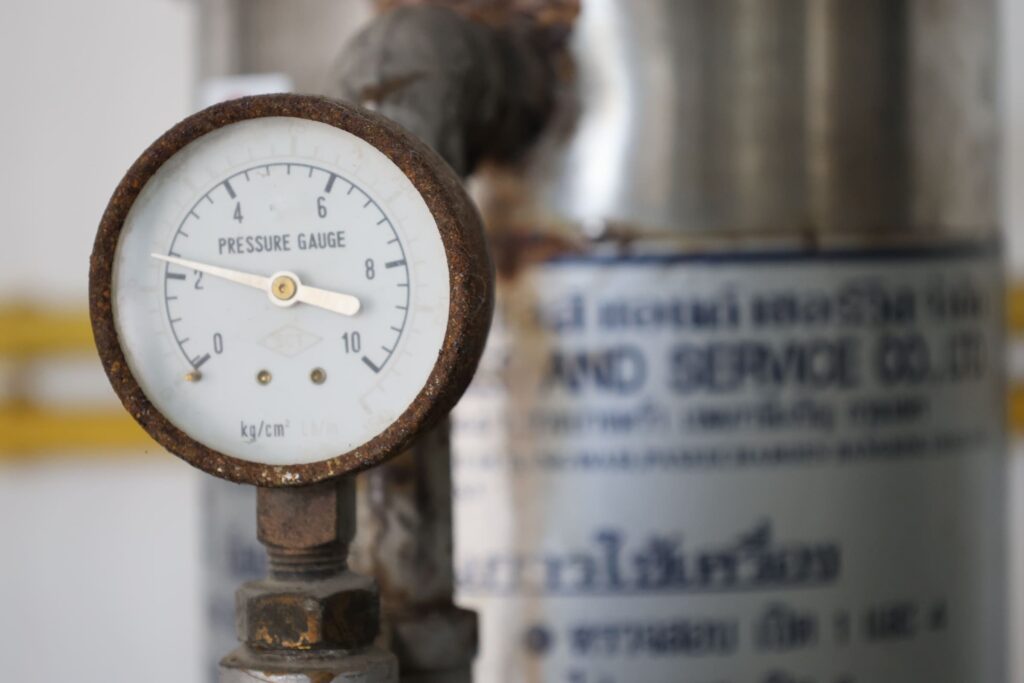
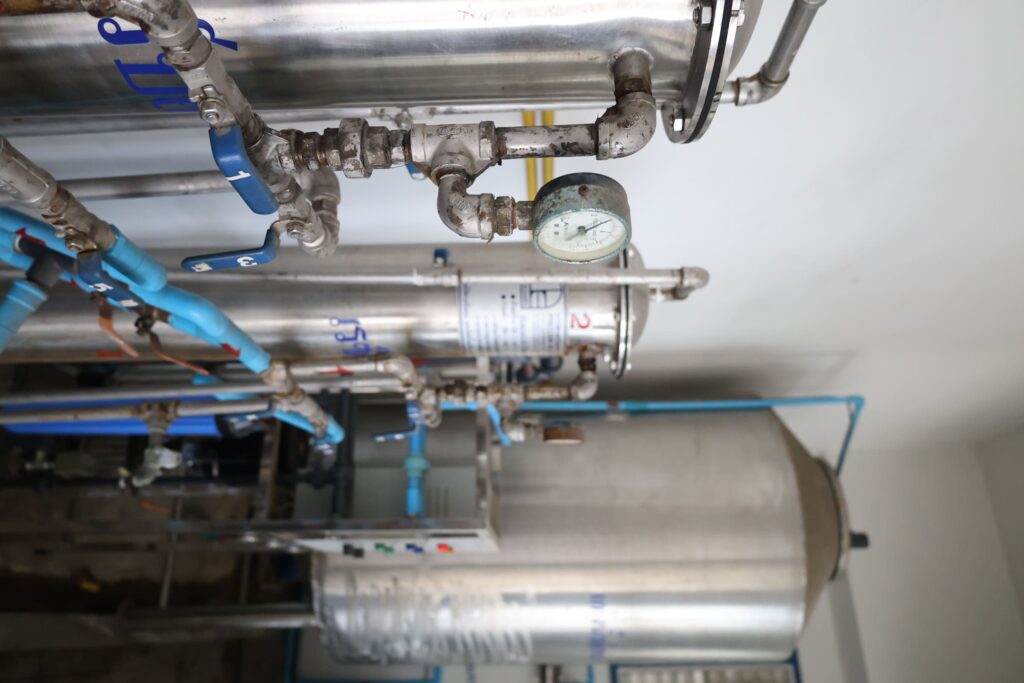
The Faculty developed an in-house drinking water production system, applying environmental engineering expertise to design filtration and water quality improvement processes that meet safety standards. The system operates in real conditions and is supported by nine drinking water service points installed across key areas of the Faculty building—covering classrooms, laboratories, offices, and student activity spaces.
Ongoing maintenance ensures consistent water quality, while communication campaigns encourage the use of reusable bottles to reduce single-use bottled water. This promotes responsible water use, reduces plastic waste, and advances sustainability in a practical, visible way.
Expected Outcomes (Impacts):
The initiative improves quality of life for more than 2,000 students, faculty members, and staff by providing widespread access to safe drinking water—supporting health and reducing personal spending on bottled water. It significantly cuts single-use plastic waste and helps reduce greenhouse gas emissions associated with transporting bottled water.
The project also serves as a concrete example of applying engineering knowledge for sustainable development, strengthening awareness of water conservation and environmental responsibility among students—skills and values that can be carried into future professional practice and society.
Date of Implementation: Continuous Operation (2024 – Present)