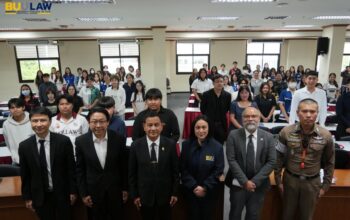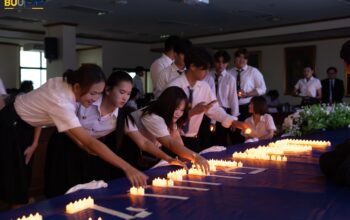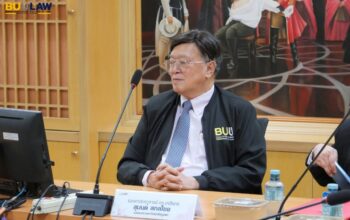
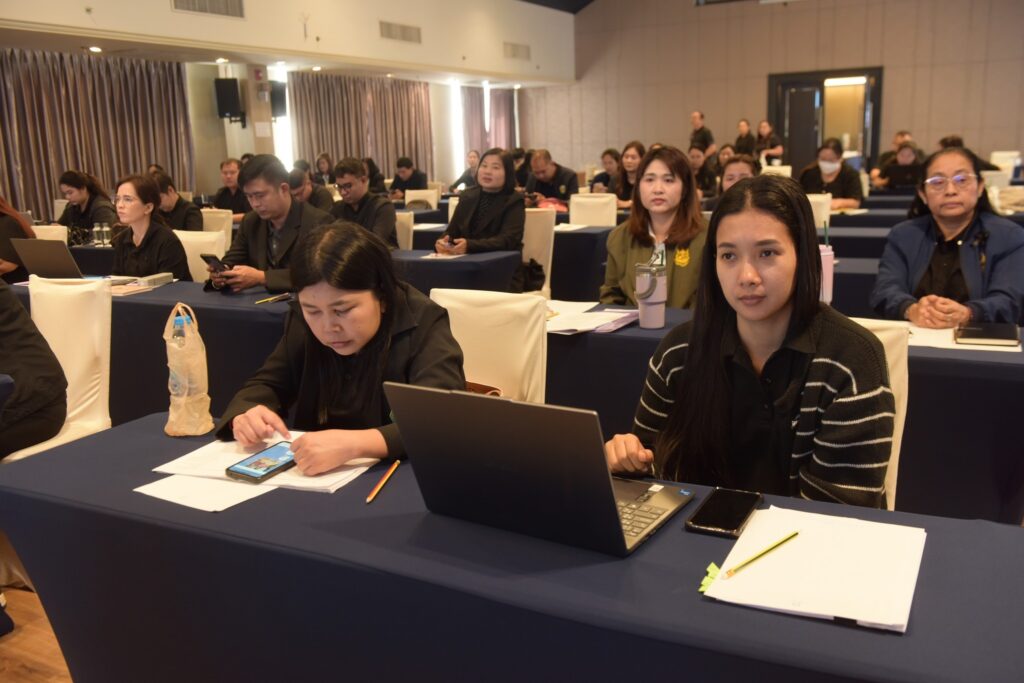
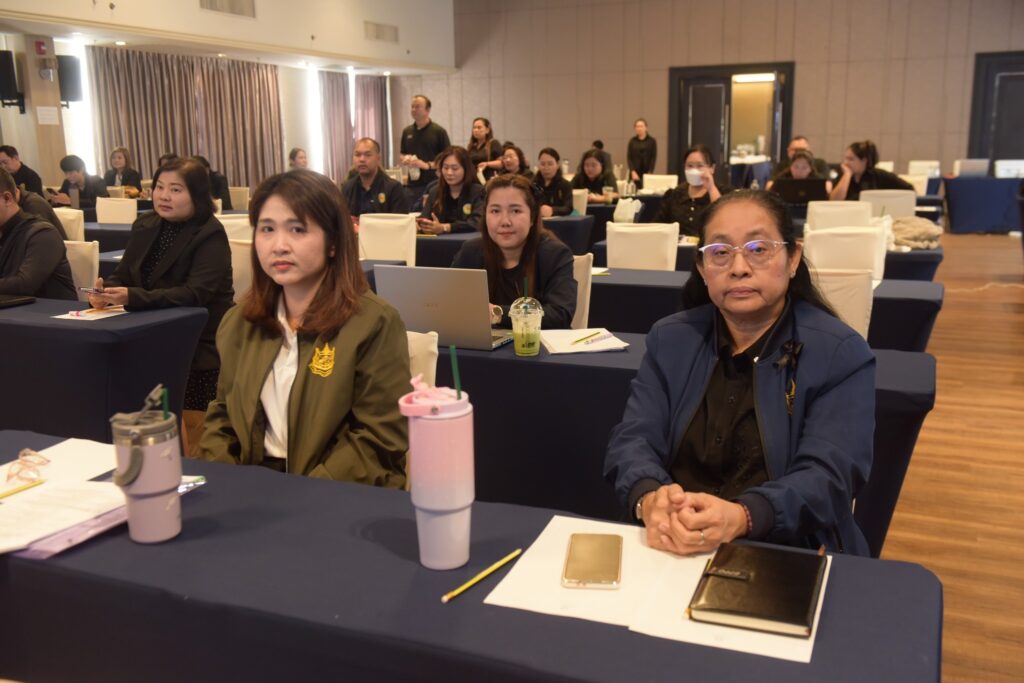
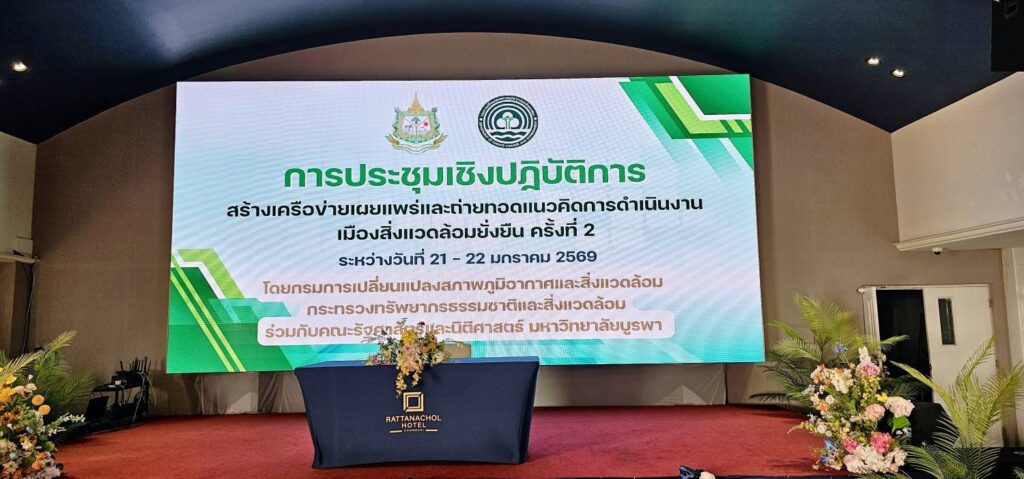
Thailand is increasingly facing environmental challenges and the impacts of climate change, which affect urban sustainability and the quality of life of citizens. Issues such as pollution, resource constraints, and climate-related risks underscore the urgent need for cities and local administrative organisations to strengthen environmental governance and adopt more systematic approaches to sustainable development. In this context, the Sustainable Eco-City concept plays a vital role in supporting practical implementation and promoting the transition to low-carbon, climate-resilient cities. To strengthen national and local capacity, the Department of Climate Change and Environment organised the “2nd Workshop on Building a Network for Dissemination and Knowledge Transfer on Sustainable Eco-City Implementation,” held on 21–22 January 2026 at the Rattanachol Hotel in Mueang District, Chonburi Province.
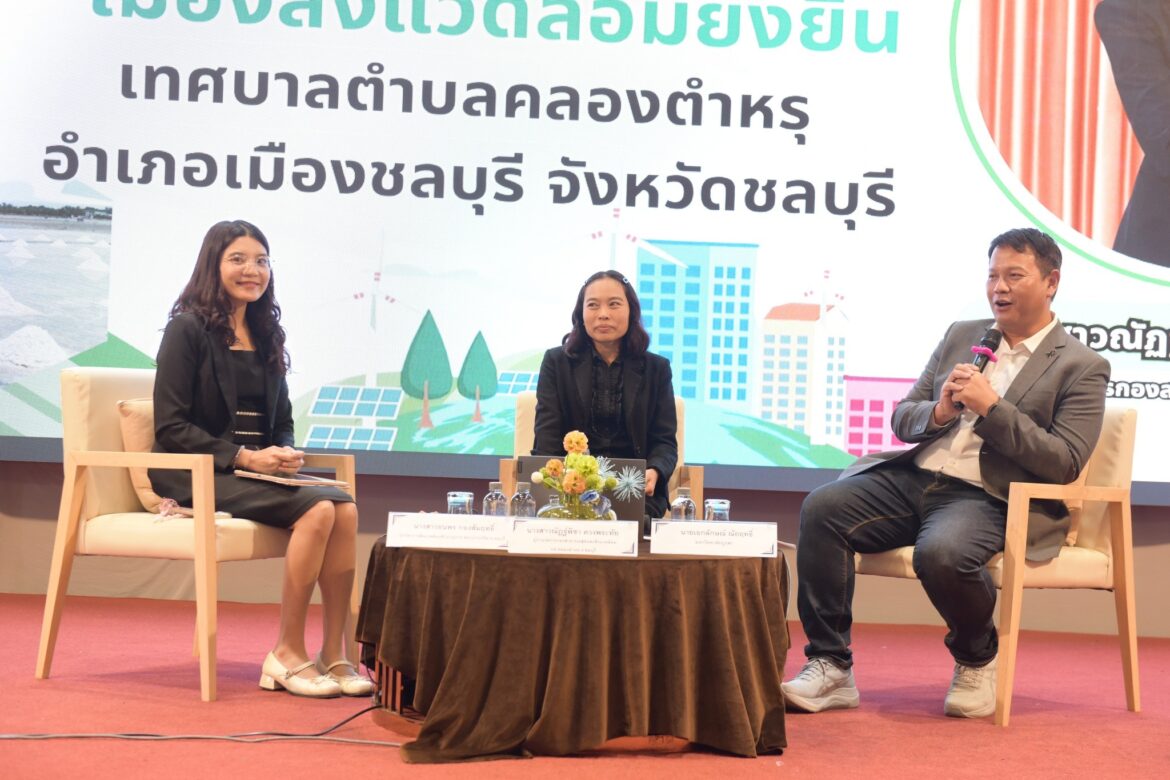
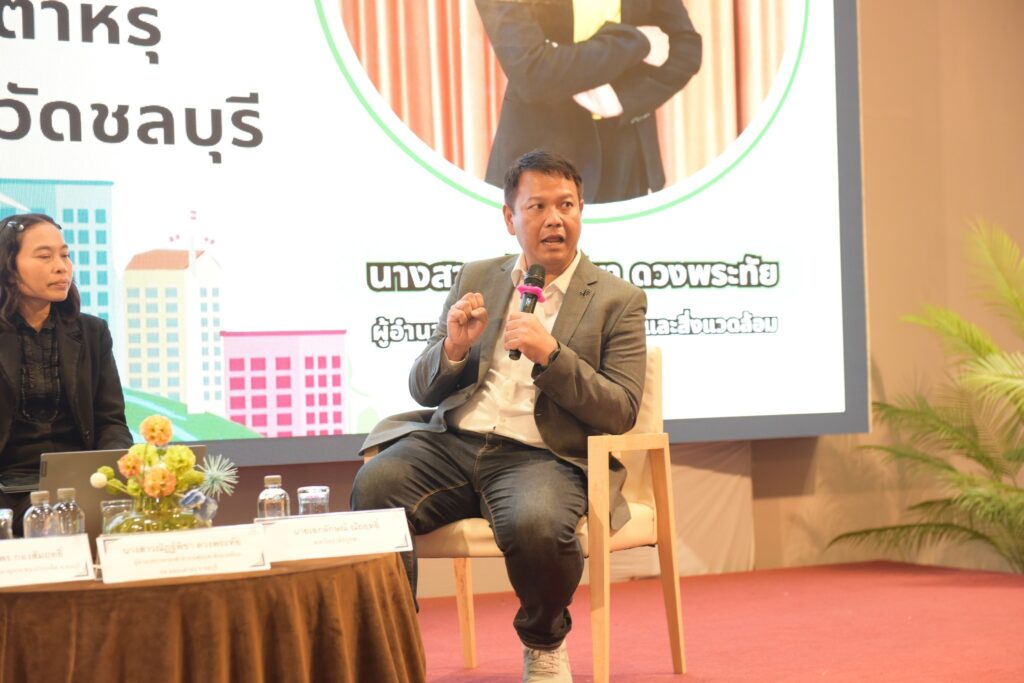
The workshop aims to enhance stakeholders’ knowledge, skills, and operational readiness, enabling them to apply Sustainable Eco-City principles and develop consistent strategies aligned with sustainable urban development goals. A key significance of the workshop is the strengthening of cooperation and learning networks among government agencies, local administrative organisations, and academic institutions. In this regard, the Faculty of Political Science and Law, Burapha University, was invited to serve as a co-host organisation, demonstrating universities’ role in supporting policy implementation through academic expertise and knowledge-based engagement. A vital program component is the panel session entitled “Techniques and Best Practices for Developing Sustainable Eco-Cities toward Low-Carbon Cities and Greenhouse Gas Data Collection,” delivered and moderated by Akekaluk Nuttarit. The session promotes best practices and strengthens participants’ understanding of greenhouse gas data collection and the fundamentals of estimating emissions and removals, which are essential for evidence-based planning and monitoring.
Moreover, the workshop encourages participating agencies to use structured assessment tools, such as the Self Assessment Report (SAR) under the Sustainable Eco-City framework, to support cities in setting priorities and developing practical improvement plans. Overall, this workshop serves as an essential platform to expand collaboration and capacity building toward sustainable, low-carbon urban transformation.
Project Coordinator: Dr. Akekaluk Nuttarit
Objectives:
- To establish and strengthen a collaborative network among government agencies, local administrative organisations, academic institutions, and relevant partners to drive Sustainable Eco-City implementation in a concrete and coordinated manner.
- To disseminate and transfer knowledge and best practices on Sustainable Eco-City development toward low-carbon cities, including practical approaches that can be adapted and applied in local contexts.
- To enhance participants’ capacity in environmental and greenhouse gas data collection and evaluation, and to support the preparation of the Self Assessment Report (SAR) as a tool for planning, implementation, and monitoring of sustainable urban development.
Program Activities:
The project was implemented as a two-day workshop held on 21–22 January 2026 at the Rattanachol Hotel in Mueang District, Chonburi Province. The primary implementation process included:
- Networking and capacity-building sessions with participants from government agencies, local administrative organisations, academic institutions, and relevant partners to strengthen collaboration on Sustainable Eco-City development.
- Knowledge dissemination and practical guidance on Sustainable Eco-City implementation, with emphasis on the transition toward low-carbon cities and the application of best practices in local contexts.
- A panel discussion on “Techniques and Best Practices for Developing Sustainable Eco-Cities toward Low-Carbon Cities and Greenhouse Gas Data Collection,” delivered and moderated by Akekaluk Nuttarit.
- Hands-on practice on greenhouse gas data collection and fundamental estimation to support evidence-based planning and monitoring at the city level.
- Promotion and support of Self Assessment Report (SAR) preparation, enabling participating organisations to assess performance, set priorities, develop improvement plans, and ensure continuous progress in sustainable urban management.
Expected Outcomes (Impacts):
The workshop strengthened participants’ knowledge and understanding of Sustainable Eco-City development through practical learning and shared experiences among government agencies, local administrative organisations, and relevant partner networks. It also enhanced collaboration and built a stronger network mechanism to support coordinated implementation toward sustainable urban management. Through the panel discussion and knowledge exchange sessions, participants gained clearer insights into best practices for advancing low-carbon city development that can be adapted to local contexts.
In addition, the capacity-building component on greenhouse gas data collection and fundamental estimation improved participants’ readiness to apply evidence-based approaches in planning and monitoring city development. The project encouraged the use of structured tools, such as the Self Assessment Report (SAR), enabling participating organisations to assess their current performance, identify gaps, and prioritise practical improvement actions. Overall, the workshop contributed to building skilled human resources and reinforcing institutional support systems for sustainable environmental governance.
It further supported long-term progress toward environmentally friendly, low-carbon, and climate-resilient cities. As a result, participating agencies are better equipped to drive continuous and measurable improvement in urban sustainability, aligned with national development direction and global sustainability goals.
Date of Implementation: January 21–22, 2026