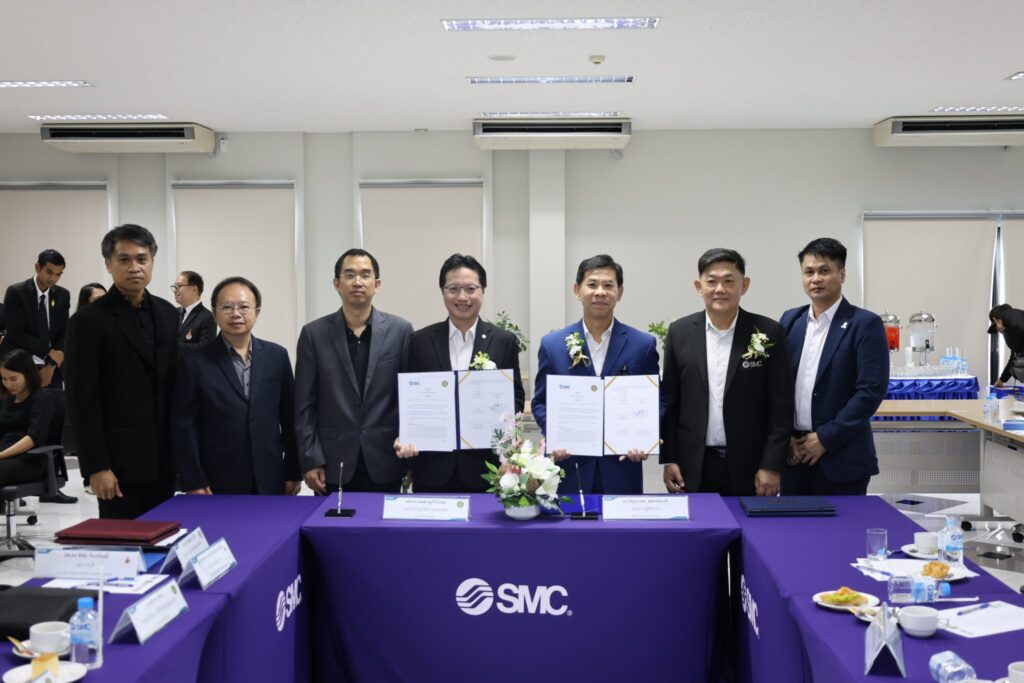
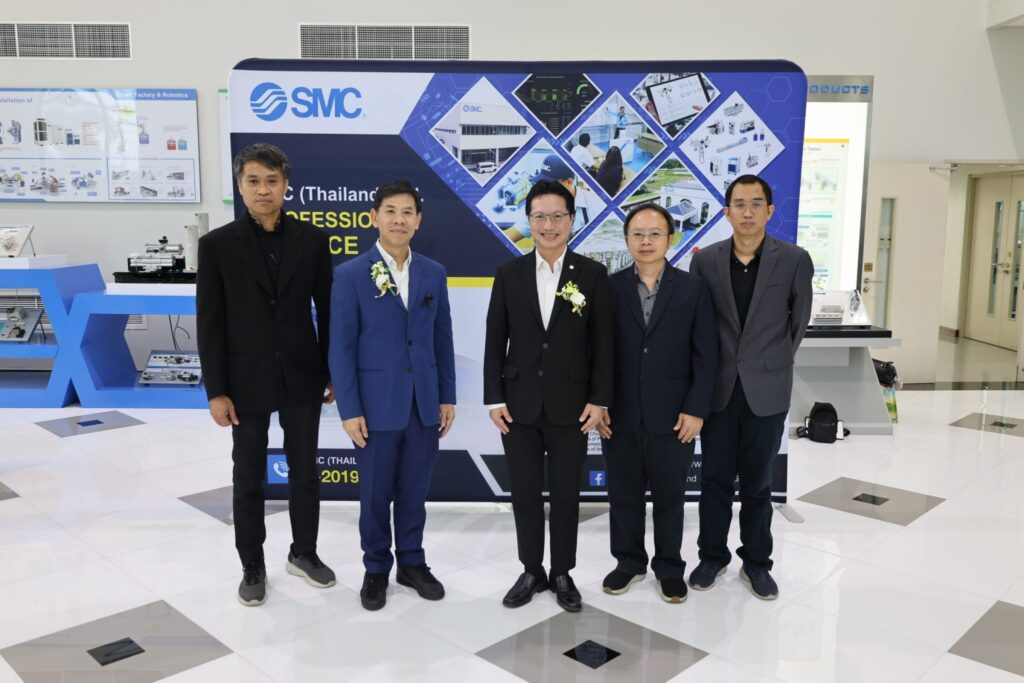
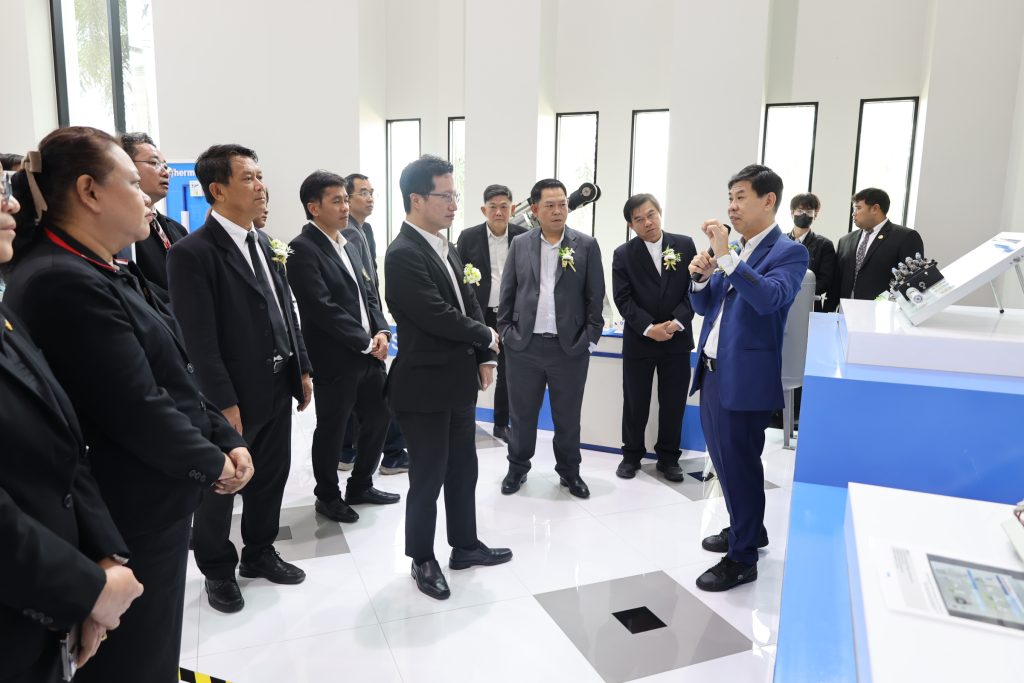
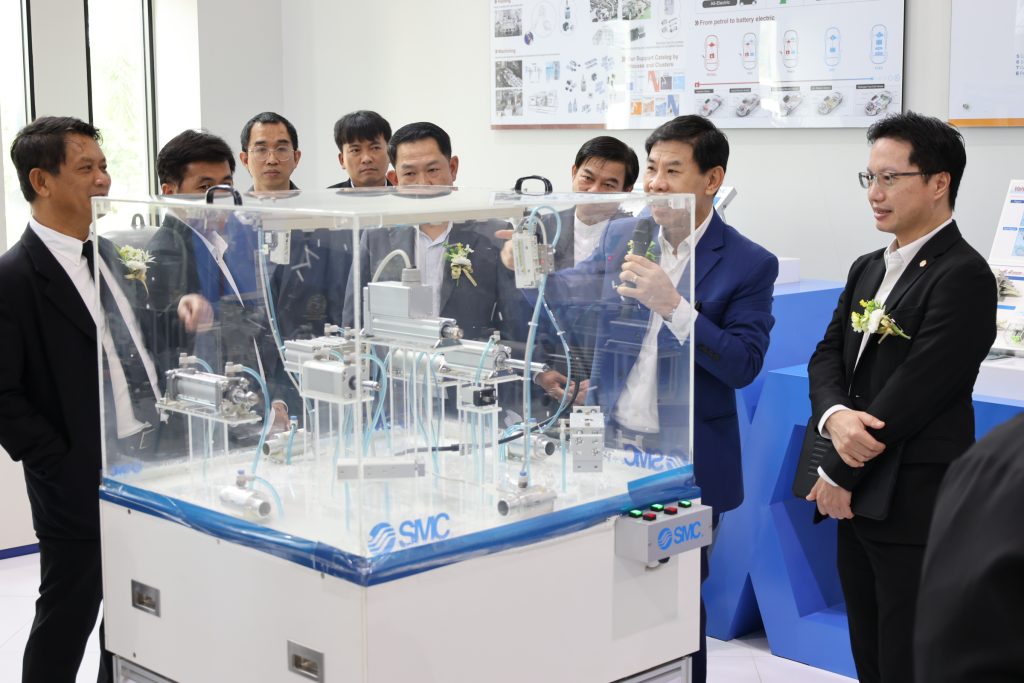
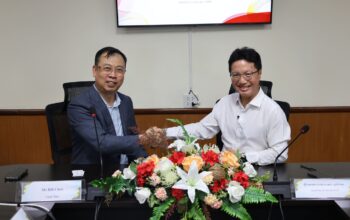
Academic Collaboration on Pneumatics and Automation Technology under the EEC Model between the Faculty of Engineering, Burapha University and SMC (Thailand) Ltd.
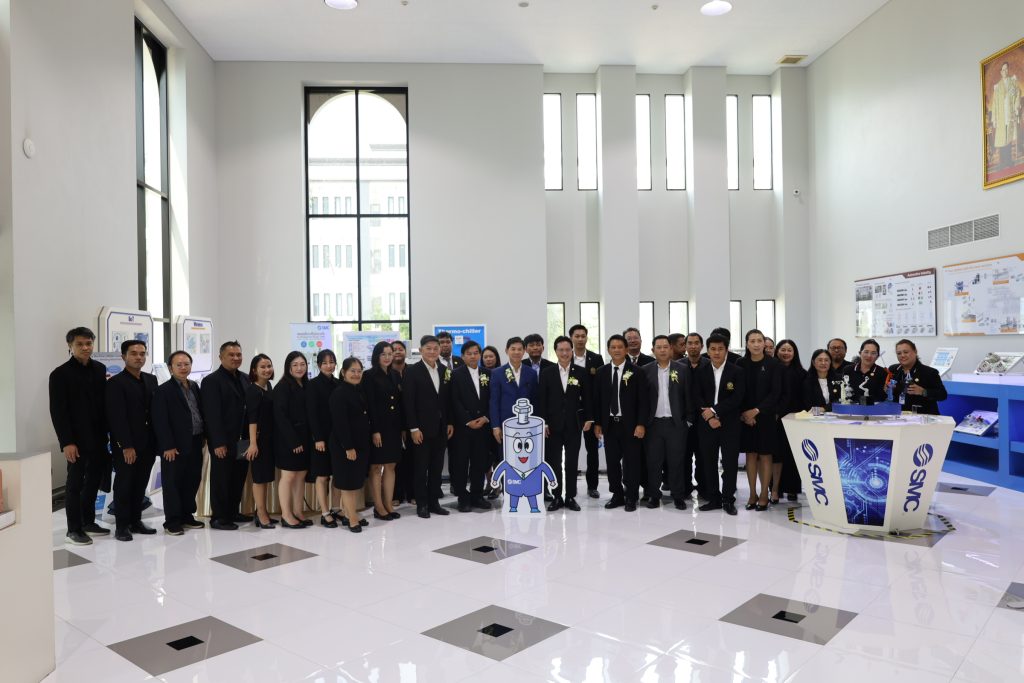
This collaboration was established between the Faculty of Engineering, Burapha University, and SMC (Thailand) Ltd. to develop automation and pneumatics talent aligned with real industrial needs in the Eastern Economic Corridor (EEC). Guided by Demand-Driven and Industry-Oriented Education principles, the partnership strengthens teaching, training, research, and technology transfer from industry to academia—enhancing industrial competitiveness and supporting sustainable economic development.
Project Coordinator: Faculty of Engineering, Burapha University
Objectives:
To modernise curricula and teaching in automation and pneumatics aligned with industry demand
To develop competencies of students and industrial personnel through re-skilling and up-skilling
To promote collaborative research and innovation between the university and industry
To produce high-quality talent supporting EEC target industries sustainably
Program Activities:
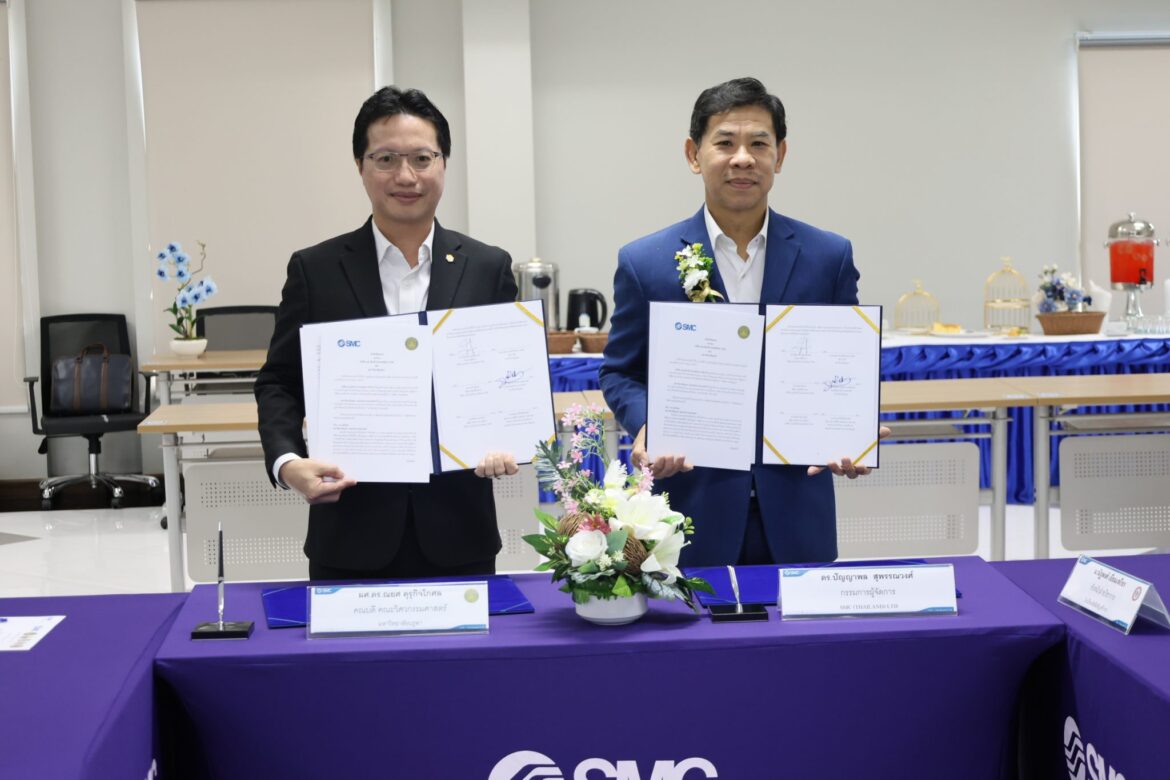
The project operates under an MOU, with joint curriculum development under the EEC Model, covering both Degree Programs (Type A) and Non-Degree Programs (Type B). Industry partners contribute to curriculum design, resource support, workplace-based training, knowledge exchange, and research development. Progress is monitored through ongoing coordination and follow-up meetings.
Expected Outcomes (Impacts):
The collaboration generates positive impacts across workforce development, education, and the economy. Students and industrial personnel gain relevant automation and pneumatics skills that match workplace demands—improving employability and career stability. Industry benefits from higher-competency talent and strengthened capacity for efficiency and innovation. The partnership also enhances the university’s research and technology-transfer capabilities, reinforcing the Faculty’s role as a hub for talent and innovation development in the EEC—supporting national sustainable development.
Date of Implementation:
MOU Signing:November 11, 2025
Project Period:2025 – 2028, with ongoing expansion under the MOU framework