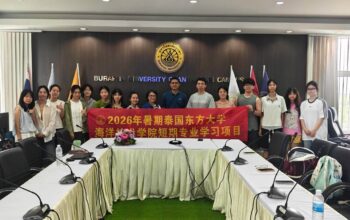
The Faculty of Marine Technology, Burapha University, Chanthaburi Campus, plays a vital role in developing human resources in marine science and technology to support the sustainable management of marine and coastal resources. The Marine Technology Camp was initiated to inspire high school students to understand the importance of marine resources and the role of technology in marine conservation. The program emphasises experiential learning through hands-on workshops, practical experiments, and field activities that connect science, technology, and environmental stewardship.
Project Coordinator: The team of scientists from the Faculty of Marine Technology
Objectives:
To enhance students’ understanding of marine science and technology.
To inspire positive attitudes and awareness of marine and environmental conservation.
To introduce educational and career pathways in marine technology.
To develop science communication skills among marine technology students who serve as mentors.
Program Activities:
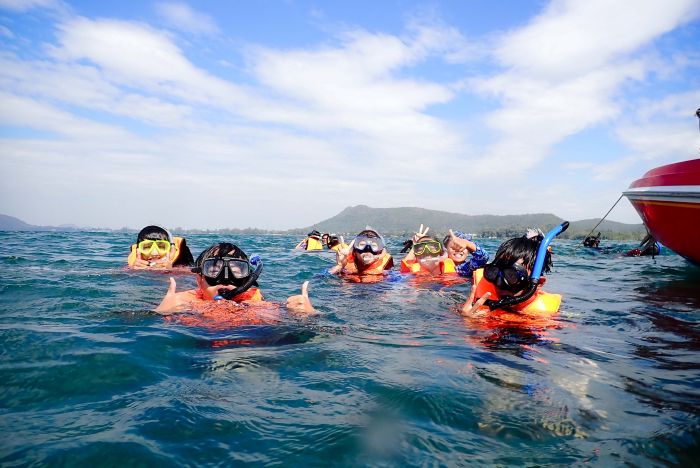
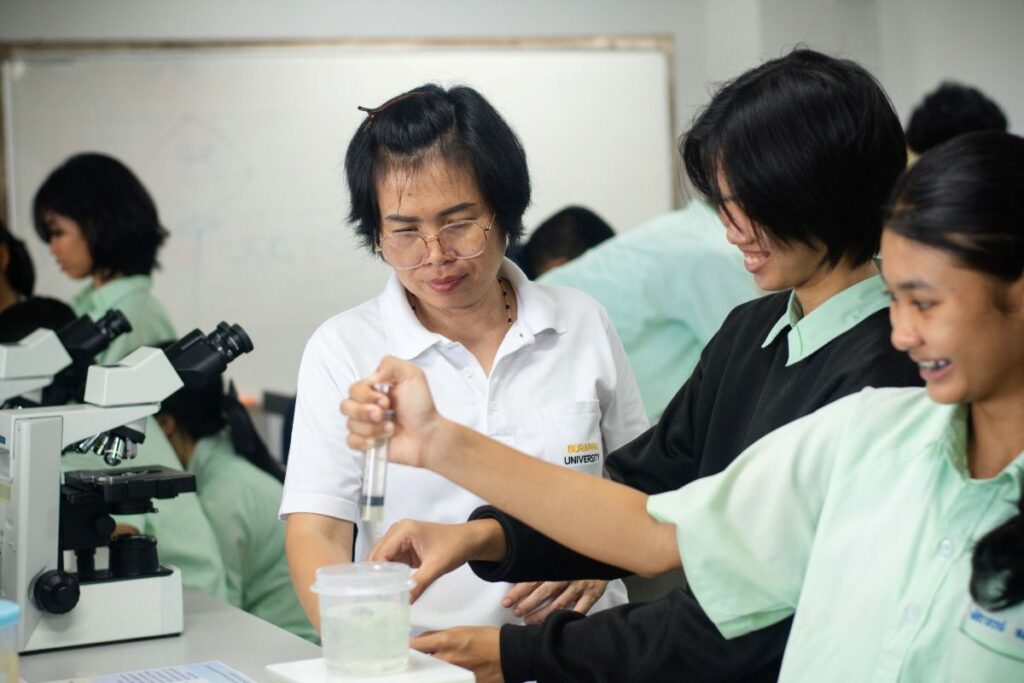
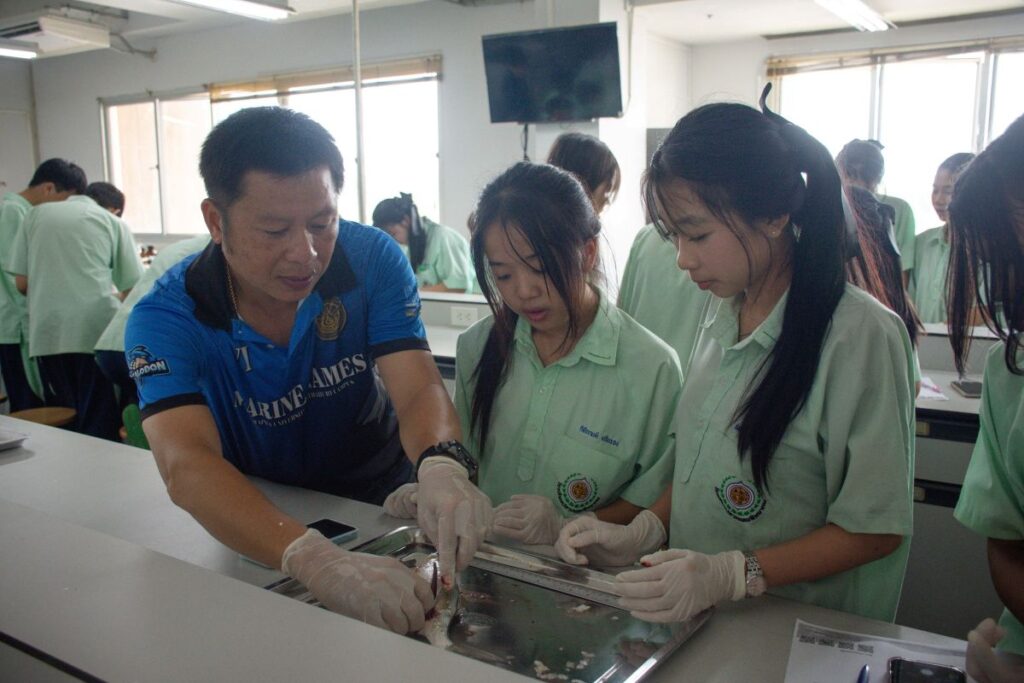
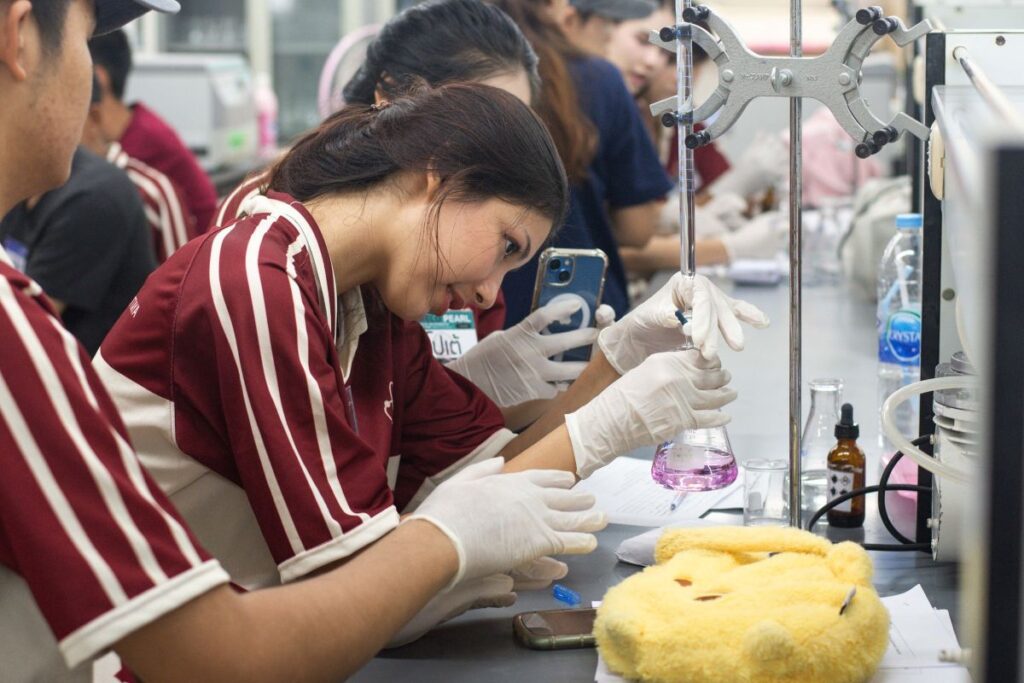
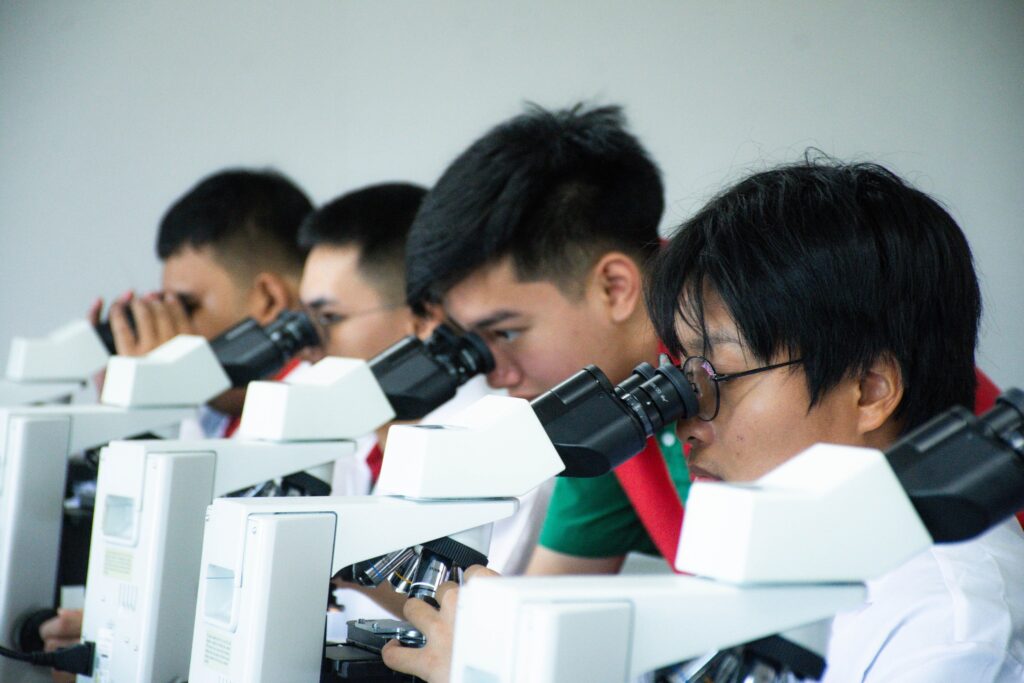
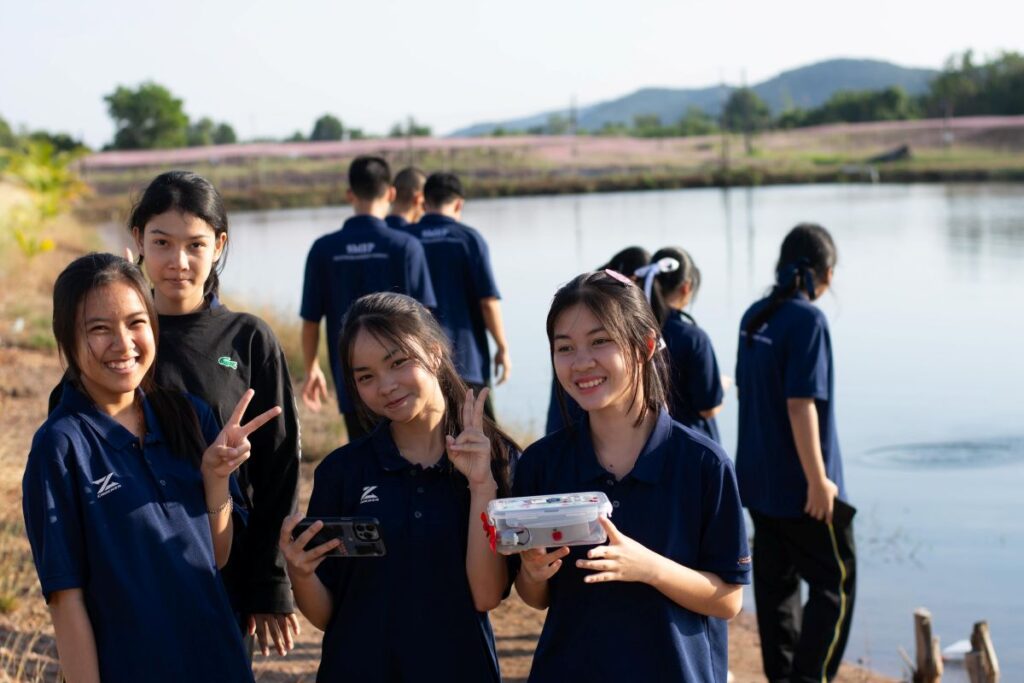
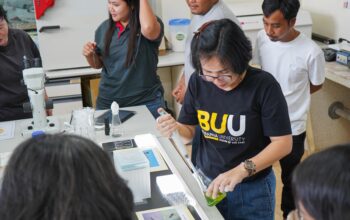
The camp is a one or 2-day program held at the Faculty of Marine Technology, Burapha University, Chanthaburi Campus, and nearby coastal field sites such as Kung Krabaen Bay and Chao Loa Beach. Activities include: • Water quality experiments (e.g., measuring alkalinity related to ocean acidification) • Marine animal anatomy workshops • ROV (Remotely Operated Vehicle) construction and testing via mobile applications • Plankton observation and microalgae bead preparation • Snorkeling and coral reef ecosystem studies in pools or coastal waters • Scuba Try Dive and water safety training Each camp is adapted to the participants’ level, providing both fun and meaningful learning experiences.
Expected Outcomes (Impacts):
Enhanced science communication skills among marine technology students who served as mentors, enabling them to share knowledge with younger learners effectively.
Strengthened engagement between university students and local schools through hands-on mentoring activities.
Promoted experiential learning that benefits mentors and participants, fostering leadership and a sense of social responsibility among university students.
This contributed to building a new generation of youth with awareness and interest in marine science and sustainability. In the fiscal year 2025, the Faculty organised 17 camps for schools across 10 provinces, engaging 2,177 students and 89 teachers.