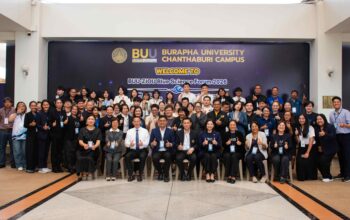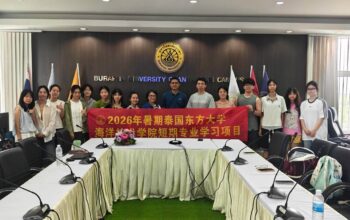
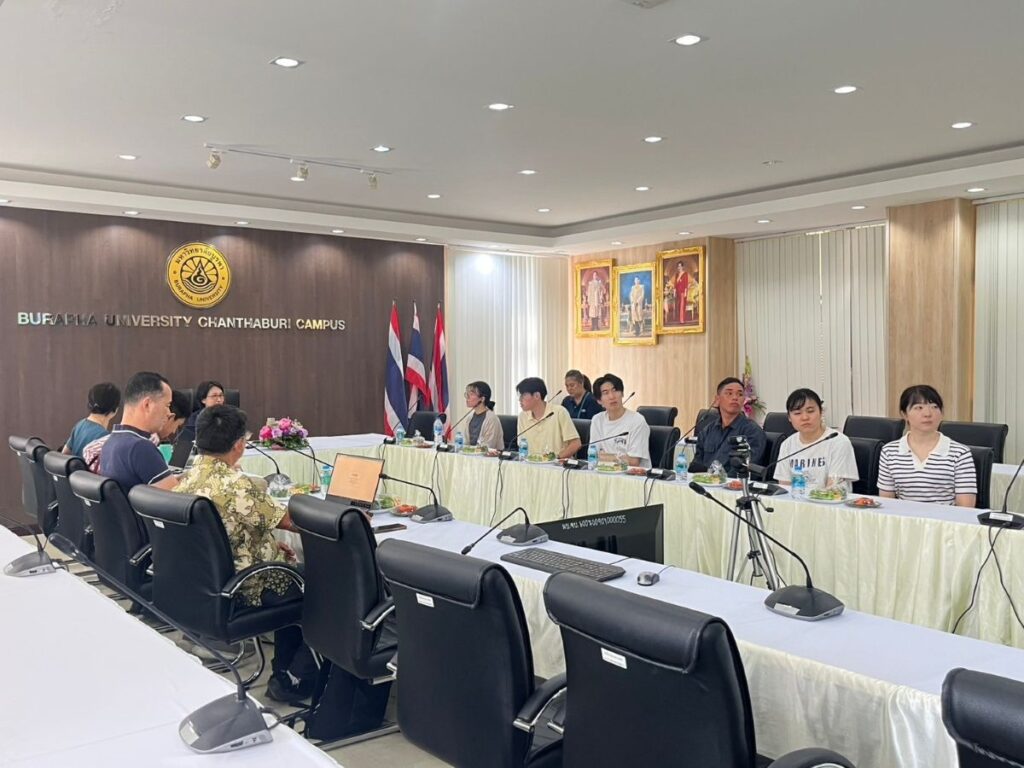
The BUU-TUMSAT Tropical Ecological Camp is a recurring international program organised by Burapha University (BUU) and the Tokyo University of Marine Science and Technology (TUMSAT), designed to integrate marine science, ecological studies, and cultural exchange. This activity directly supports the university’s commitment to the Sustainable Development Goals (SDGs), particularly focusing on Quality Education (SDG 4), Life Below Water (SDG 14), and Partnerships for the Goals (SDG 17). Burapha University’s Faculty of Marine Technology has maintained a strong, long-standing academic relationship with Tokyo University of Marine Science and Technology (TUMSAT) in Japan, solidified through a Memorandum of Understanding (MOU) and continuous exchange programs. This camp was established at both in BUU Chanthaburi Campus (Faculty of Marine Technology and Faculty of Gem) and primary campus in Bangsaen (Faculty of Science and Burapha Institute of Marine Science) to further strengthen this collaboration, providing a crucial platform for students and faculty from both institutions to exchange knowledge, technologies, and perspectives on tropical ecology, environment, and culture.
Project Coordinator: Dr. Thanabun Tatawee
Objectives:
- To reinforce and deepen academic cooperation between the Faculty of Marine Technology (and the Institute of Marine Science) at BUU and TUMSAT.
- To elevate the quality of BUU graduates by equipping them with practical, hands-on knowledge in marine and environmental science that meets industry demands.
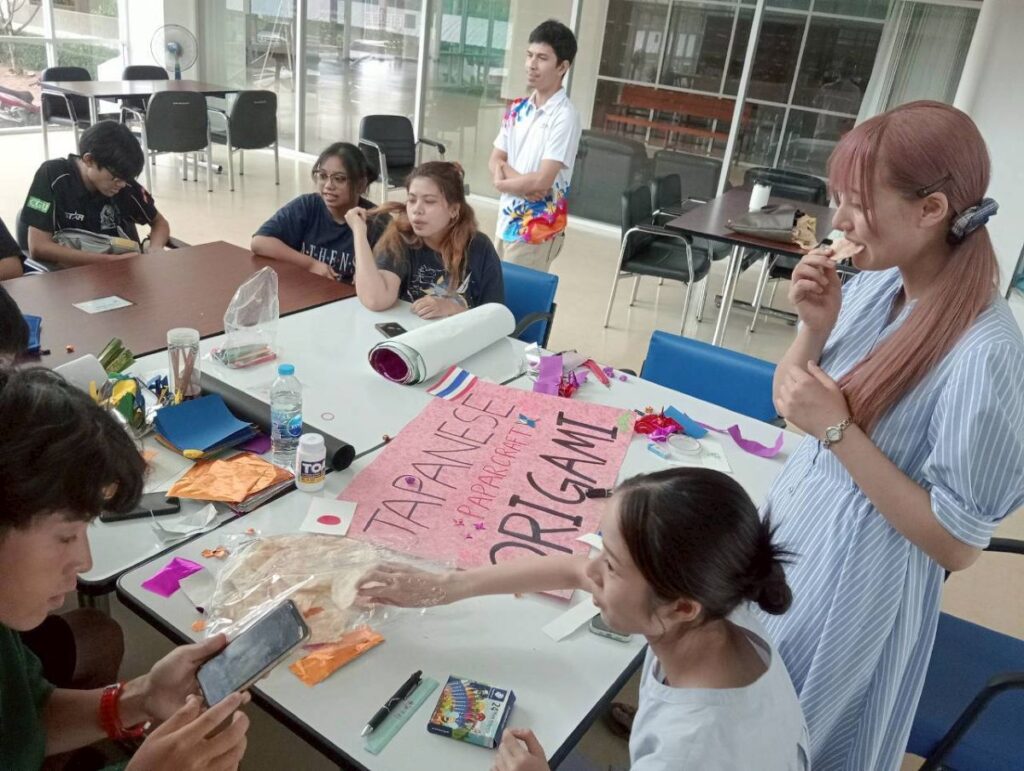
- To offer students from both universities an invaluable opportunity to exchange knowledge in language, technology, environmental issues, and arts and culture.
Program Activities:
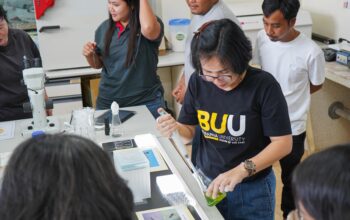
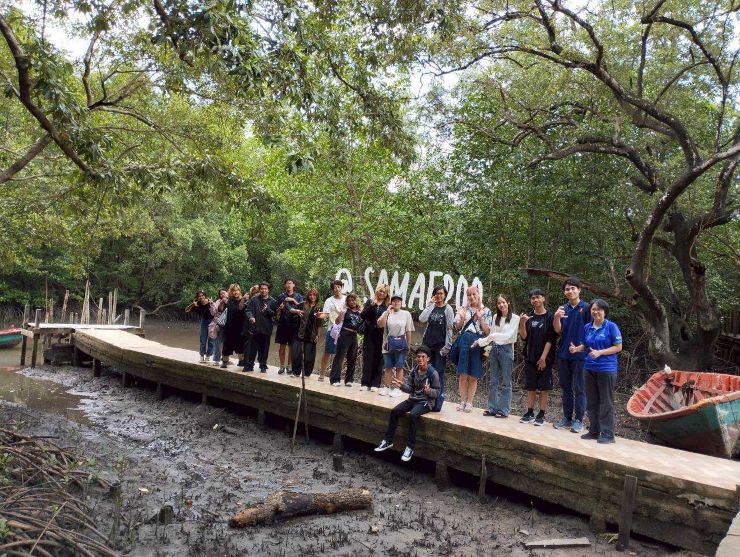
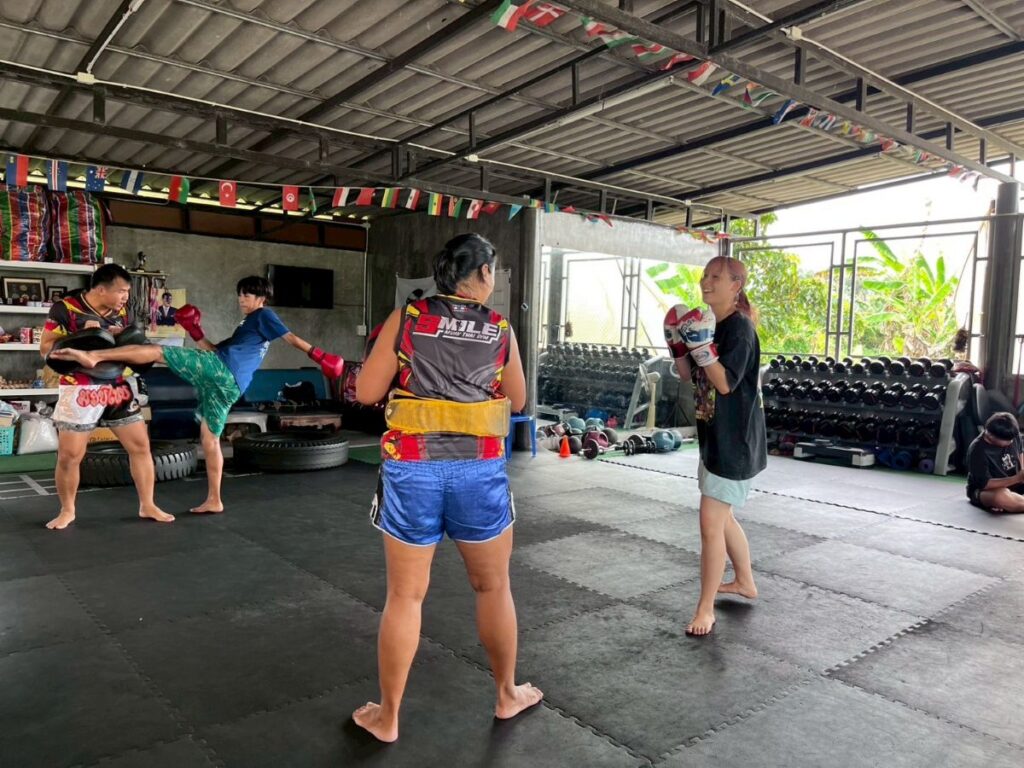
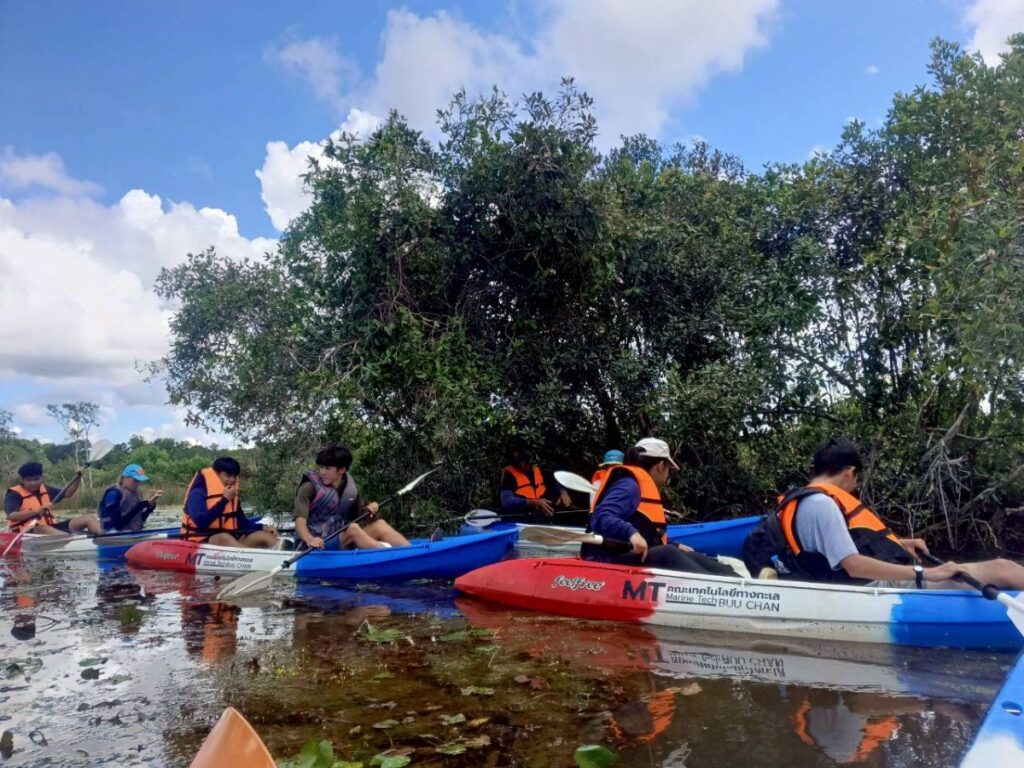
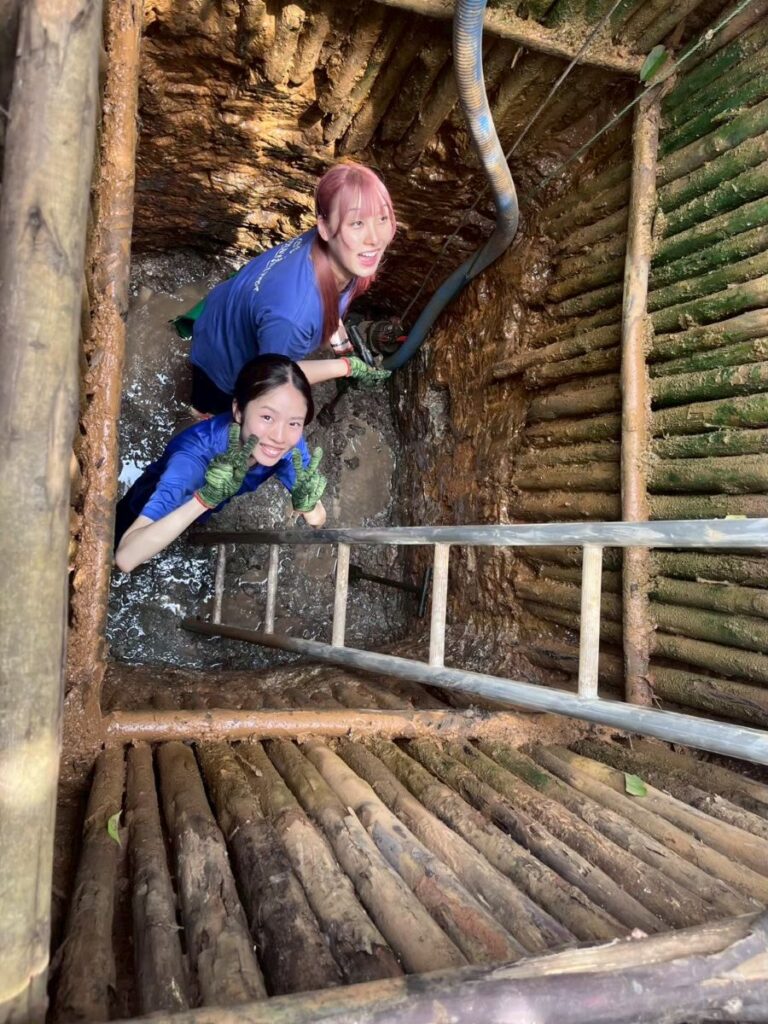
The program involves intensive field excursions and practical workshops across significant coastal areas in Chanthaburi, Trat, Rayong and Chonburi, Thailand. Key Activities Include: • Ecological Field Studies: Conduct surveys in crucial ecosystems, such as mangrove forests at the Kung Krabaen Bay Royal Development Study Center, Thong Prong Thong and explore rocky coastal habitats. • Wetland Mapping: Using hands-on activities like Kayaking or subboarding to map and study local wetland areas. • Conservation and Community Work: Participating in coastal resource conservation activities and experiencing local life through homestays in the Ban Nam Cheaw Community in Trat province and Bo Ploy Lek Petch Community Learning Center. • Cultural Exchange: the camp focuses on local industries (e.g., gem and jewellery), a “Cooking War” challenge featuring Thai cuisine, visits to historical and cultural landmarks like the Chanthaboon Riverside Community and the Cathedral of the Immaculate Conception, and experience practising Thai boxing.
Expected Outcomes (Impacts):
In 2025, two BUU-TUMSAT Tropical Ecological Camp sessions were successfully organised. The first camp, held from March 3–28, 2025, involved 15 students from the Faculty of Marine Technology (MT) at BUU participating alongside five students from TUMSAT. The second camp followed later in the year, running from August 12 to September 12, 2025, and hosted 25 students from the Faculty of Marine Technology and four from TUMSAT, demonstrating continuous, strong international collaboration.
The Tropical Ecological Camp successfully enhances the capabilities of both the university and its students, leading to measurable positive outcomes: • SDG 4 (Quality Education) & Global Citizenship: Students gain practical, real-world marine knowledge beyond the classroom and develop essential 21st-century skills, including cross-cultural communication and teamwork, fostering a sense of global citizenship. • SDG 14 (Life Below Water): The program contributes directly to environmental awareness and coastal resource conservation, inspiring the next generation of researchers and leaders in marine sustainability. • SDG 17 (Partnerships for the Goals): The continuous exchange of students with TUMSAT solidifies a crucial international partnership, aligning with the university’s strategy to achieve internationalisation.
Date of Implementation:
1st camp on 3-28 March 2025
2nd camp on 12 August – 12 September 2025