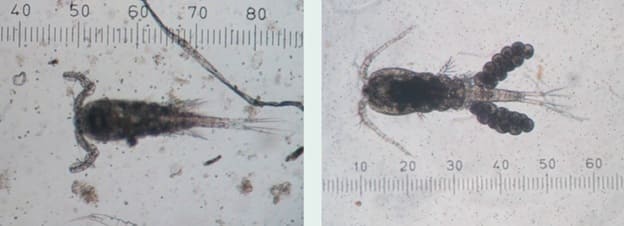
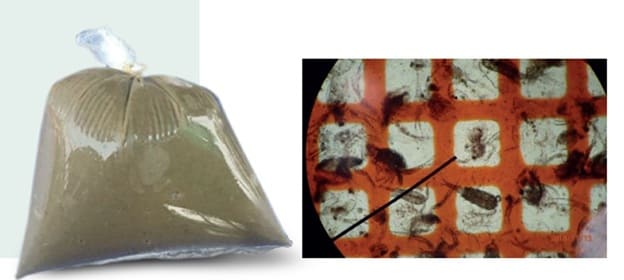
For a long time, fish and shrimp farmers have relied on traditional live foods like rotifers and Artemia. However, these traditional feeds can be expensive, may lack essential nutrients, and can carry diseases. To solve this problem, researchers from the Faculty of Marine Technology, Burapha University (Chanthaburi Campus), in collaboration with the National Center for Genetic Engineering and Biotechnology (BIOTEC), developed a sustainable culture system for the copepod Apocyclops royi strain AMBT201601, originally isolated from a brackish canal in Chanthaburi Province. These local copepods are amazing because they grow fast, reproduce quickly, and are packed with healthy fats that baby fish and shrimp need to grow strong. Using these copepods is a safe and high-quality way to feed marine life. It helps make aquaculture in Thailand more sustainable and directly supports the UN Sustainable Development Goals: SDG 2 (Zero Hunger), SDG 12 (Responsible Consumption and Production), and SDG 14 (Life Below Water).
Project Coordinator: Assist. Prof. Dr. Maliwan Kutako
Objectives:
- To create a clean, closed, and disease-free farming system for these copepods.
- To test how nutritious they are and ensure they are good for baby aquatic animals.
- To teach local farmers how to use this new method to build sustainable businesses.
Program Activities:
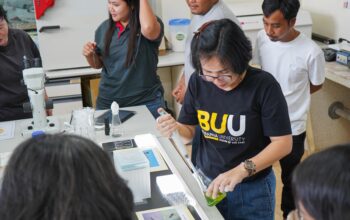
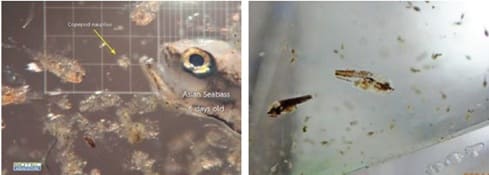
Project Implementation The research team successfully established a closed culture system for A. royi using microalgae diets (e.g., Tetraselmis suecica), ensuring pathogen-free production. Laboratory trials confirmed that the copepods could complete their life cycle within 6–7 days, providing various size stages (50–850 μm) suitable for different larval species. Feeding experiments with white shrimp larvae (Litopenaeus vannamei) demonstrated that A. royi could serve as the sole live feed through the PL10 stage, supporting strong growth and survival. Technology transfer included designing cost-effective 150-litre copepod tanks and 50-litre algae tanks, tested at commercial shrimp farms.
Expected Outcomes (Impacts):
- Scientific Impact: The project created a reliable and proven way to produce highly nutritious, disease-free live food for marine life.
- Economic Impact: It gives local hatcheries a cheaper and better choice. Farmers save money by not having to buy imported feeds (like Artemia), and they lose less money to fish diseases.
- Environmental Impact: It promotes eco-friendly farming by using natural, local food sources in a safe, closed system that does not harm the outside environment.
- Social Impact: The project successfully shared valuable new knowledge with local farmers, giving them the tools and confidence to use sustainable technology for a better future.
Date of Implementation: 2025-2026 Budget-Funded Research