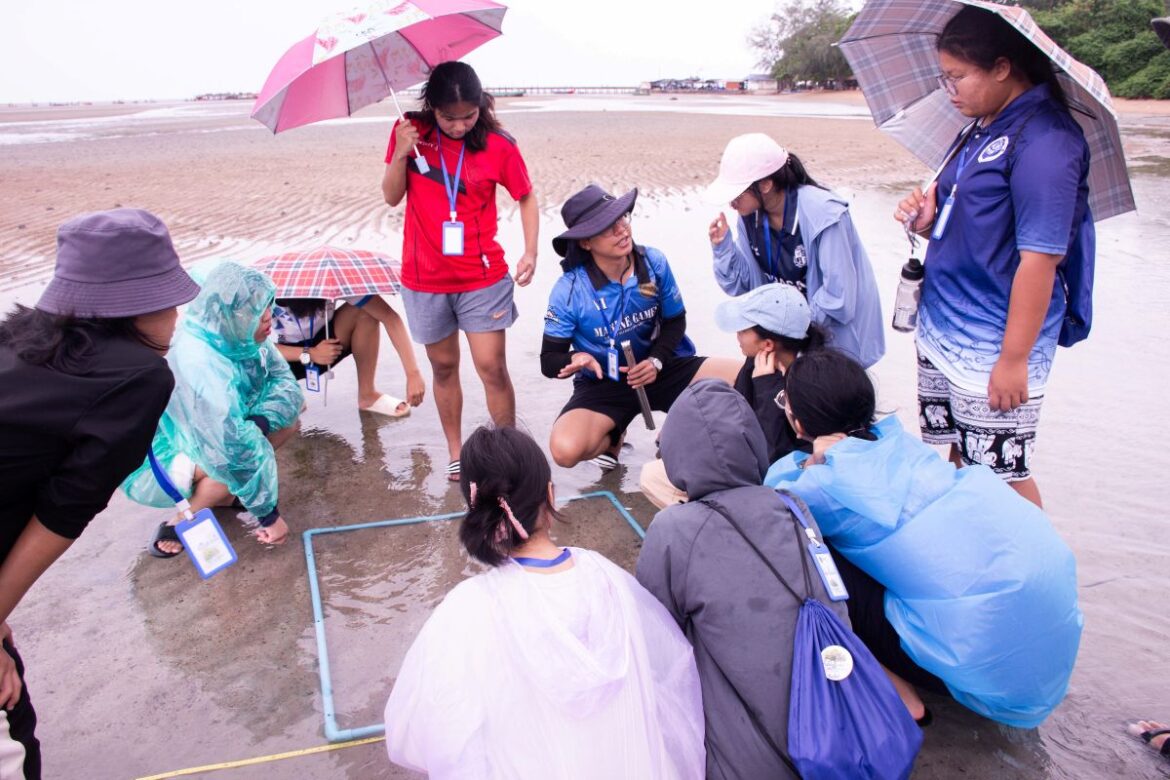
The climate change crisis, the degradation of natural resources, and the environment are widely recognised as partly caused by human activities. We have witnessed how climate change has led to seasonal variability, crop damage, and disasters such as severe floods or heatwaves in certain regions. The degradation of natural resources and the environment has both direct and indirect impacts on humans, potentially leading to shortages of essential resources for survival, such as energy, water, and food. Although these problems occur regularly, public awareness and concern remain relatively low. Therefore, it is crucial to create opportunities for young people who will soon become the primary users and caretakers of these resources to understand the issues and their causes and to actively participate in identifying sustainable solutions for responsible resource use. This initiative emphasises the interconnection between land and coastal resources.
Project Coordinator: Assistant Professor Penchan Laongmanee
Objectives:
- To transfer knowledge about coastal ecosystems and nurture environmental consciousness among high school students.
- To provide Marine Technology students opportunities to develop and apply science communication skills.
Program Activities:
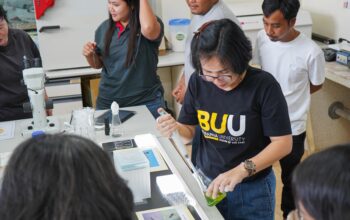
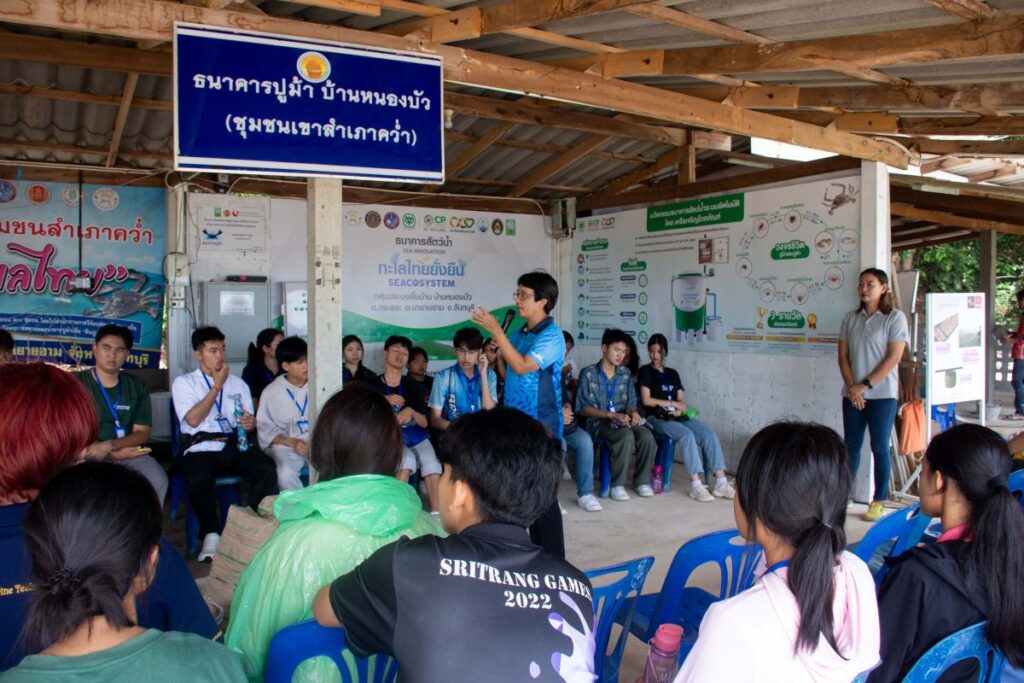
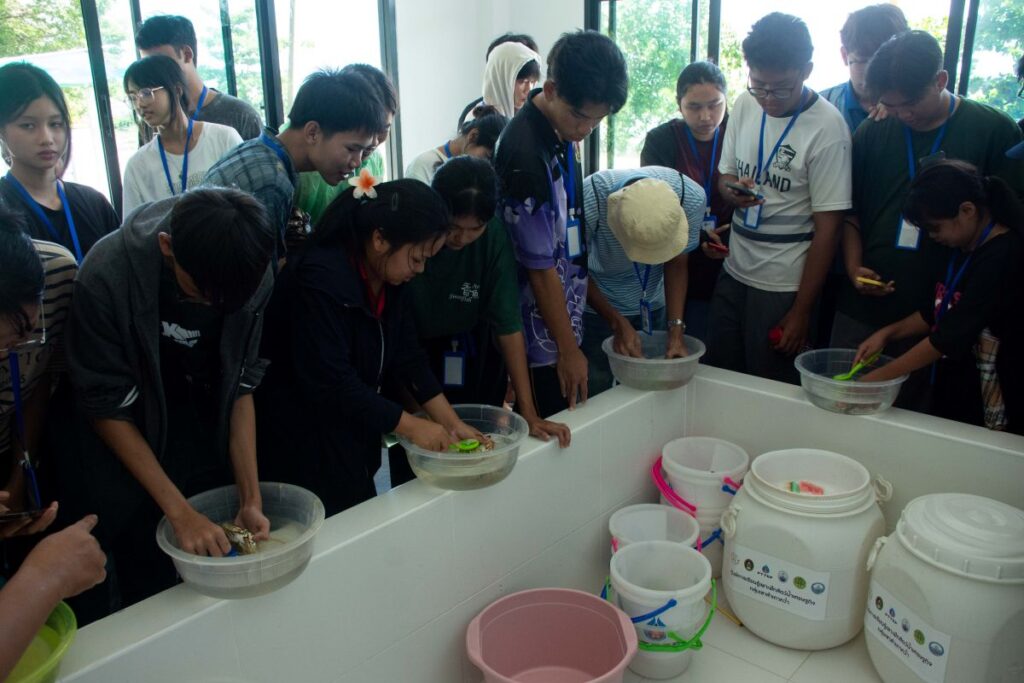
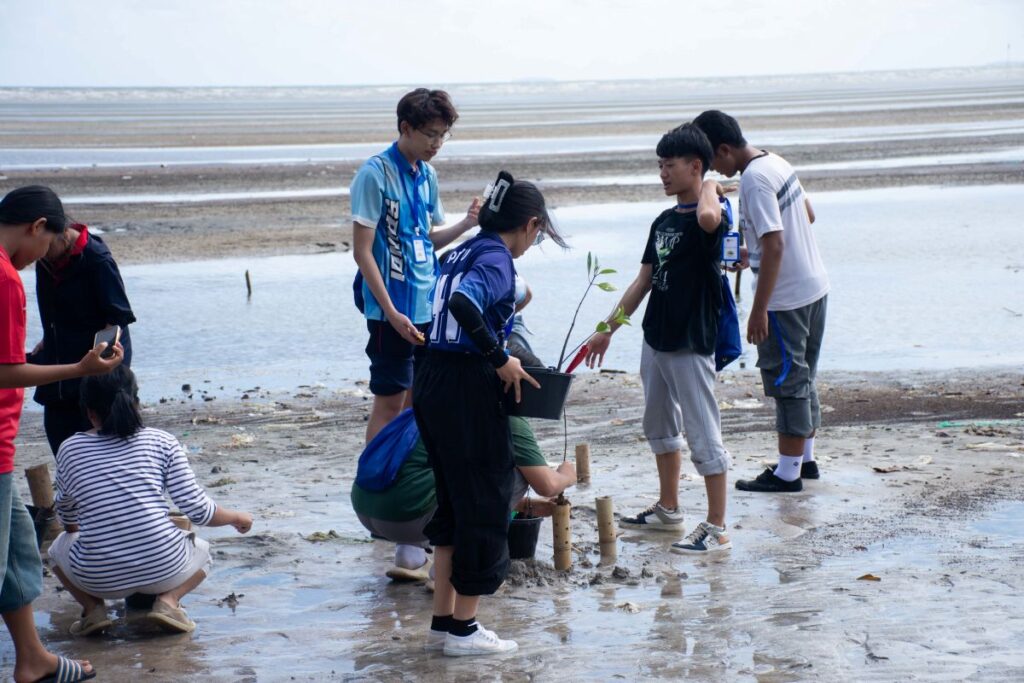
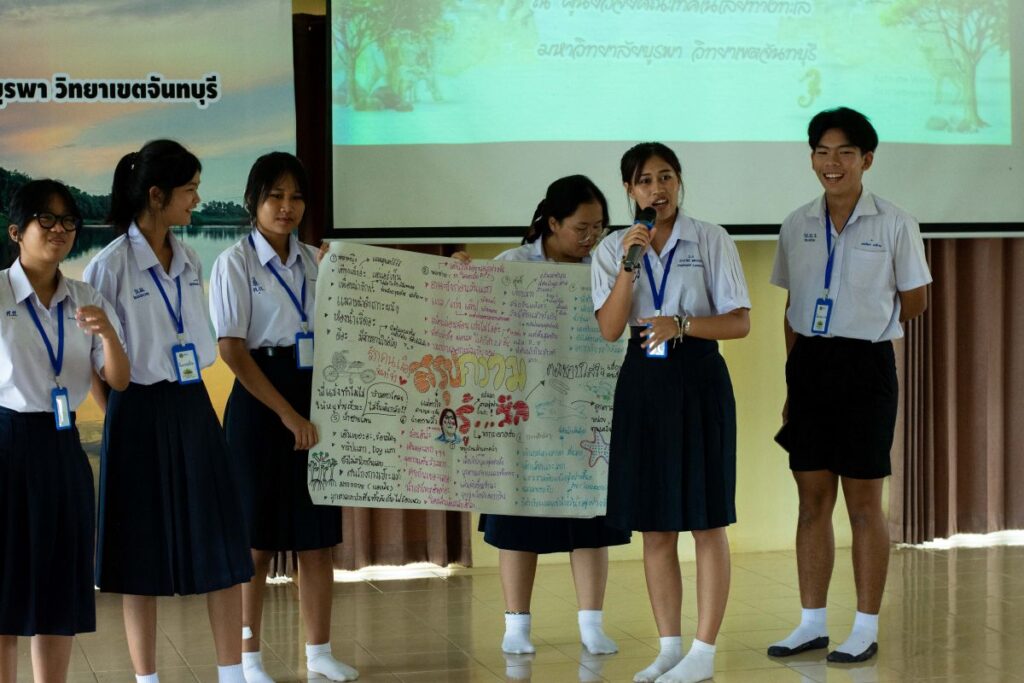
The camp adopts an experiential learning approach to immerse participants in real-world interactions with nature and local communities, fostering awareness and action toward sustainable development. Participants participate in hands-on activities exploring sustainable utilisation and restoration practices for coastal and marine resources, such as mangrove and seagrass. Through direct observation and fieldwork, they gain a deeper understanding of ecosystem dynamics and conservation strategies. The program includes community visits to the Sampao Kwam Community, where participants learn from traditional ecological knowledge and community-led conservation initiatives such as crab bank and Mangrove forest restoration.
Expected Outcomes (Impacts):
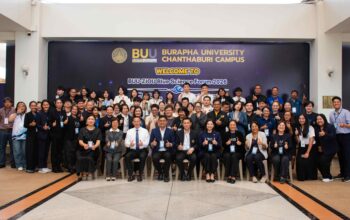
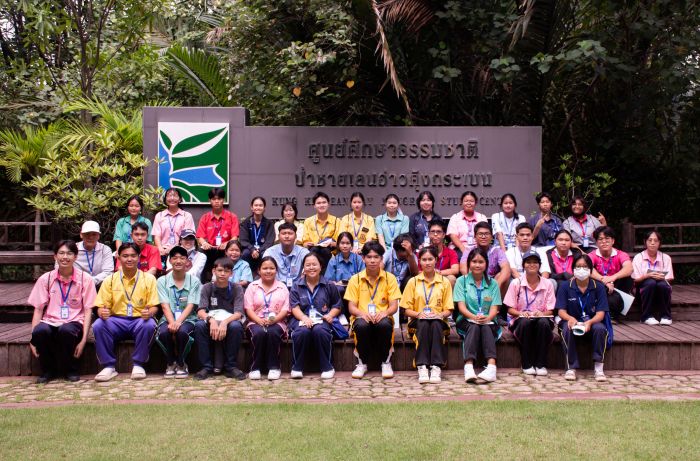
The impact of “Beautiful Forests, Beautiful Seas” Camp, organised by the Faculty of Marine Technology, Burapha University (Chanthaburi Campus), successfully empowered high school and university students through experiential learning focused on coastal and marine ecosystems. Held from 31 May to 3 June 2025, the program engaged 60 participants, including 37 high school students, 16 marine technology undergraduates, and seven faculty and staff members. Through hands-on field studies, participants explored key ecosystems such as mangrove forests, seagrass beds, and coral reefs, learning about their ecological importance and sustainable management practices. Visits to local communities, including Sampao Kwam Village, provided first-hand exposure to community-based conservation efforts and traditional environmental knowledge, fostering appreciation of local wisdom in sustainable resource use.
The camp emphasised the interconnectedness between terrestrial and marine environments, allowing participants to witness how upland activities affect coastal health. Activities like beach clean-ups with World Ocean Day strengthened environmental responsibility and collective action toward marine conservation. The program instilled awareness of climate change, ecosystem degradation, and the urgent need for sustainable resource management in high school students. Many participants reported gaining new knowledge and intended to apply lessons learned in their studies and communities. For university students, the camp provided valuable opportunities to develop science communication skills, leadership, and teamwork through mentoring younger participants and facilitating learning sessions.
Evaluation results indicated high satisfaction levels, with most participants describing the camp as a meaningful and enjoyable learning experience. They highlighted improved understanding of marine ecosystems, inspiration for future environmental action, and appreciation for collaborative conservation. Overall, the project contributed to advancing multiple Sustainable Development Goals (SDGs)—notably SDG 4: Quality Education, SDG 13: Climate Action, SDG 14: Life Below Water, and SDG 17: Partnerships for the Goals—by integrating education, community engagement, and hands-on environmental stewardship. The camp’s lasting impact lies in nurturing youth ambassadors for sustainability, equipping them with knowledge, skills, and motivation to safeguard natural resources for future generations.
Date of Implementation: May 31 – June 3, 2025