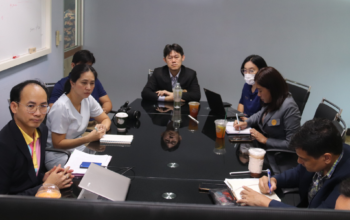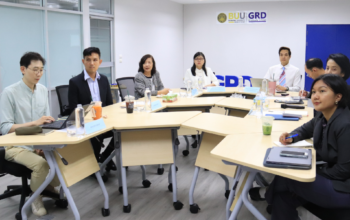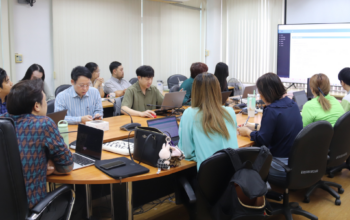
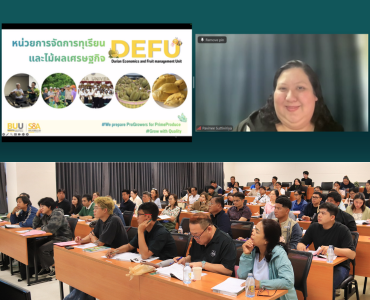
The project was organized as an academic service activity by the Graduate School, Burapha University, in collaboration with relevant experts and agencies, particularly in relation to the Department of Agriculture’s requirements for persons involved in the sale and control of agricultural hazardous substances. The project aimed to provide essential knowledge, practical guidance, and regulatory understanding to agricultural hazardous substance sellers, business operators, and interested participants. The significance of this project lies in its contribution to safer and more responsible agricultural input management. By equipping participants with knowledge about agricultural hazardous substances and relevant legal requirements, the project supports the development of a more competent group of sales controllers who can contribute to safer agricultural practices. It also helps ensure that hazardous agricultural substances are distributed and advised upon by trained individuals who understand both technical and regulatory responsibilities.
The project is also relevant to sustainable development, particularly in terms of responsible consumption and production, public health protection, agricultural safety, and lifelong learning. It supports the professional development of participants and strengthens the role of the university in transferring academic knowledge to society. In this sense, the project does not only serve as a training course for occupational qualification, but also as a mechanism for reducing risks associated with agricultural chemical use and promoting responsible practices in the agricultural supply chain.
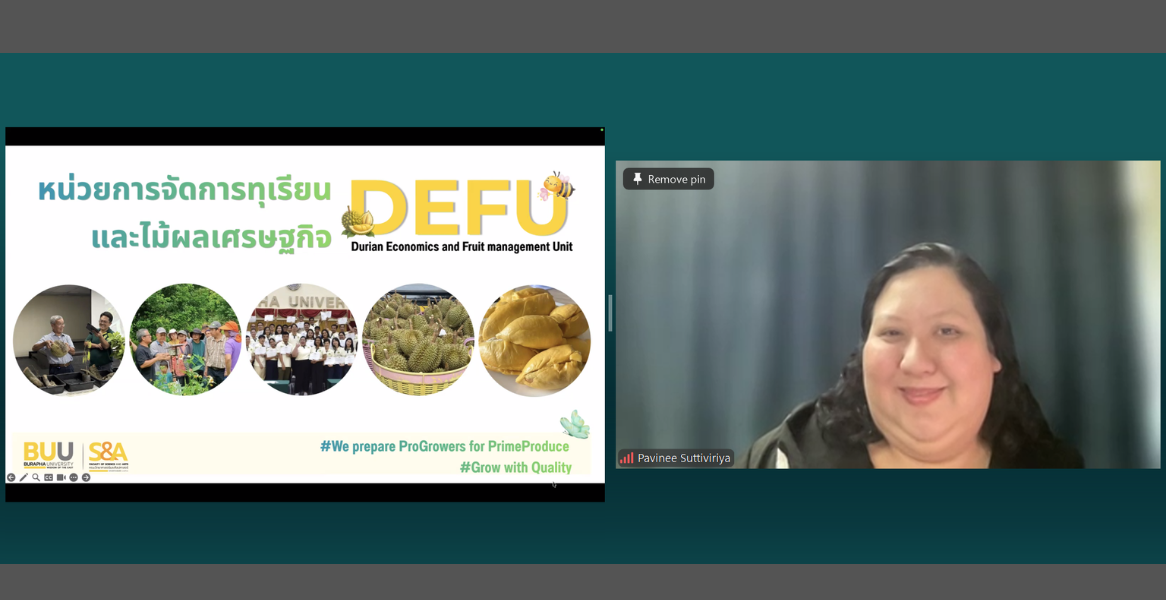
The project aimed to provide participants with knowledge, understanding, and practical experience related to the sale and control of agricultural hazardous substances in accordance with the principles, criteria, and conditions prescribed by the Department of Agriculture and to prepare participants to take the required assessment and, upon passing the criteria, use the test results as supporting evidence for becoming an agricultural hazardous substances seller or sales controller in accordance with the requirements of the Department of Agriculture.
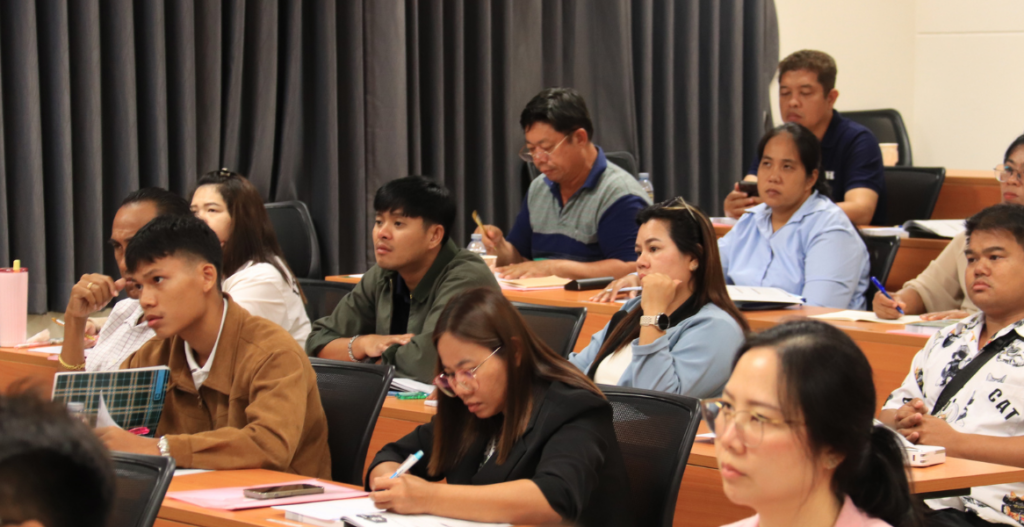
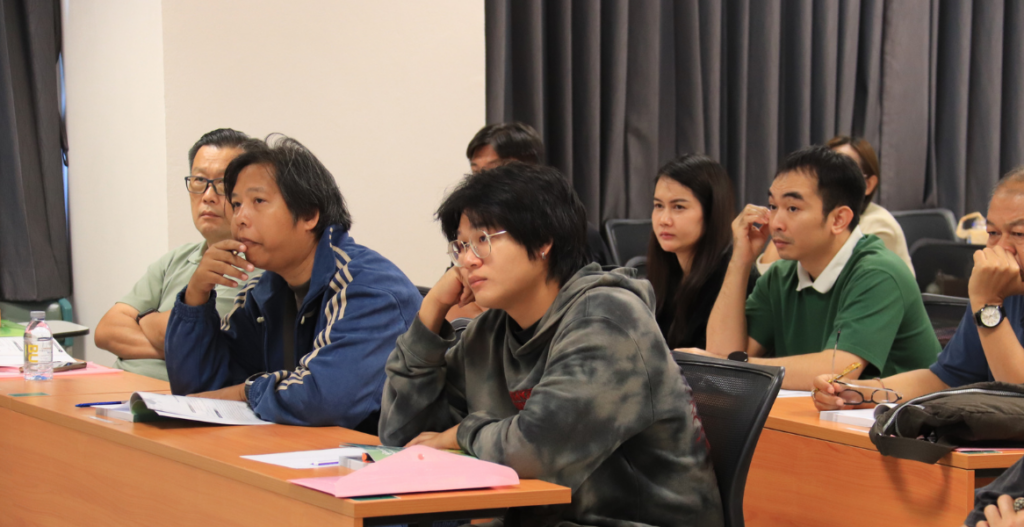
The project was implemented as a structured training course. It was organized by the Graduate School, Burapha University, with participants consisting mainly of agricultural hazardous substance sellers, business operators, interested individuals, administrators, staff members, and academic personnel. The target group included approximately 250 general participants and 28 administrators, operational staff, and academic personnel. The training was conducted at Burapha University during 26–27 June 2026. The course consisted of lectures, knowledge assessment, and certification procedures. The programme included a pre-test before training and a post-test after training to evaluate participants’ knowledge acquisition. Participants who met the required criteria were eligible to receive a certificate issued in connection with the Department of Agriculture’s requirements.
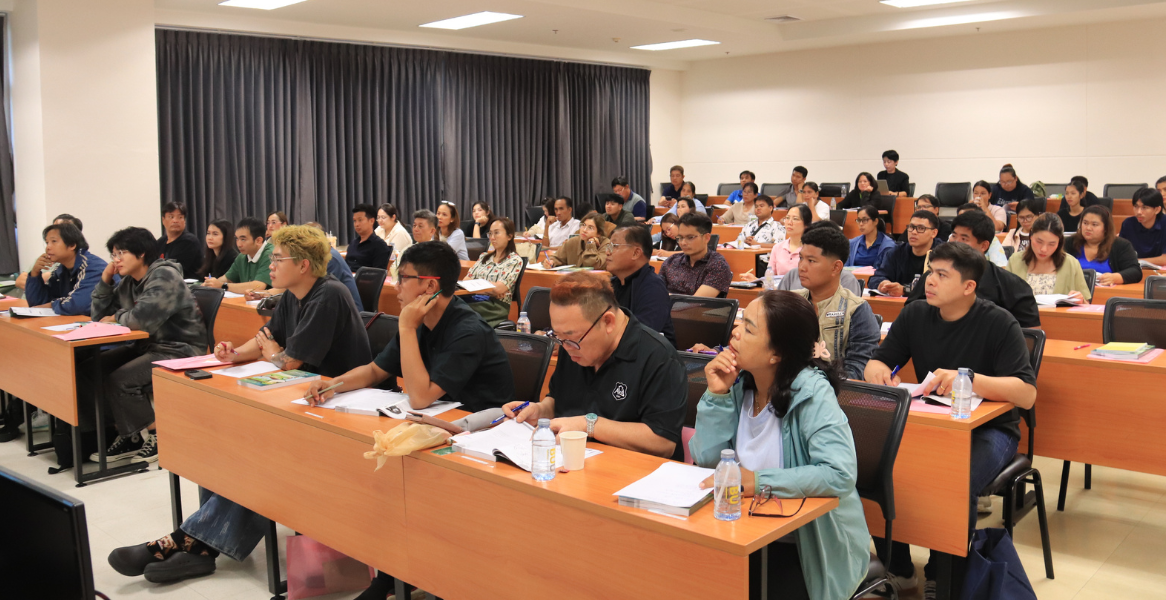
Participants gained knowledge and understanding of agricultural hazardous substances, relevant laws, safety measures, and appropriate practices for selling and controlling such substances. The use of pre-test and post-test assessments helped ensure that participants’ learning outcomes could be evaluated. Those who passed the assessment were able to use the results as evidence for becoming agricultural hazardous substance sellers or sales controllers according to the relevant criteria. In addition, the project contributed to the development of qualified personnel in the agricultural hazardous substances sector. Trained participants are expected to perform their roles more responsibly, provide more accurate advice to farmers and customers, and comply with legal and technical requirements. This can help improve the standard of agricultural input businesses and reduce inappropriate or unsafe practices in the distribution of hazardous agricultural chemicals. In relation to sustainable development, the project is particularly connected to SDG 12: Responsible Consumption and Production, especially the responsible management of hazardous materials, and SDG 4: Quality Education through professional training and lifelong learning.
Project Leader: Asst.Prof.Dr.Supphasin Thaweesak
Activity Dates: 26–27 June 2026.