
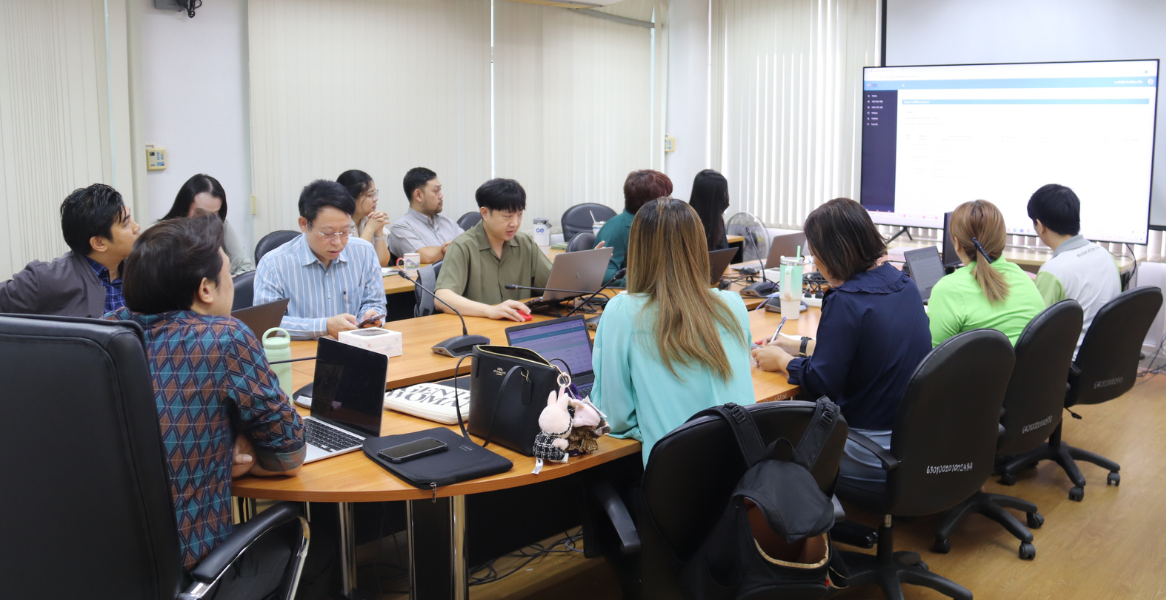
In the digital era, where information technology plays a crucial role across all sectors, electronic document management systems have become essential tools for effective data administration. This is particularly true in graduate education, where large volumes of highly complex documents must be handled. These include processes such as thesis topic proposals, advisor appointments, submission of examination forms, progress tracking, and academic evaluations. The adoption of electronic document systems significantly enhances efficiency, transparency, and flexibility throughout these processes.
The development of such systems originates from the limitations of traditional paper-based documentation, which often struggles with inefficient storage, delays in document retrieval, risks of loss or damage, and the burden of manual circulation between departments. Moreover, traditional systems fail to adequately support retrospective audits or data analysis for policy development. Changing behaviors of students and staff, who are increasingly accustomed to digital tools, alongside resource constraints within higher education institutions, have further driven the need for a shift toward electronic documentation.
Electronic document systems for graduate studies are therefore critical to effective management. They reduce processing time, improve data accuracy, minimize unnecessary resource consumption such as paper and staff effort, and align with environmentally friendly management practices (Green Office) that are now widely prioritized. Additionally, such systems allow students and faculty members to access services anytime and anywhere, breaking down previous barriers of time and place. Beyond improving administrative efficiency, these systems also serve as strategic tools that enhance the quality of education and student satisfaction.
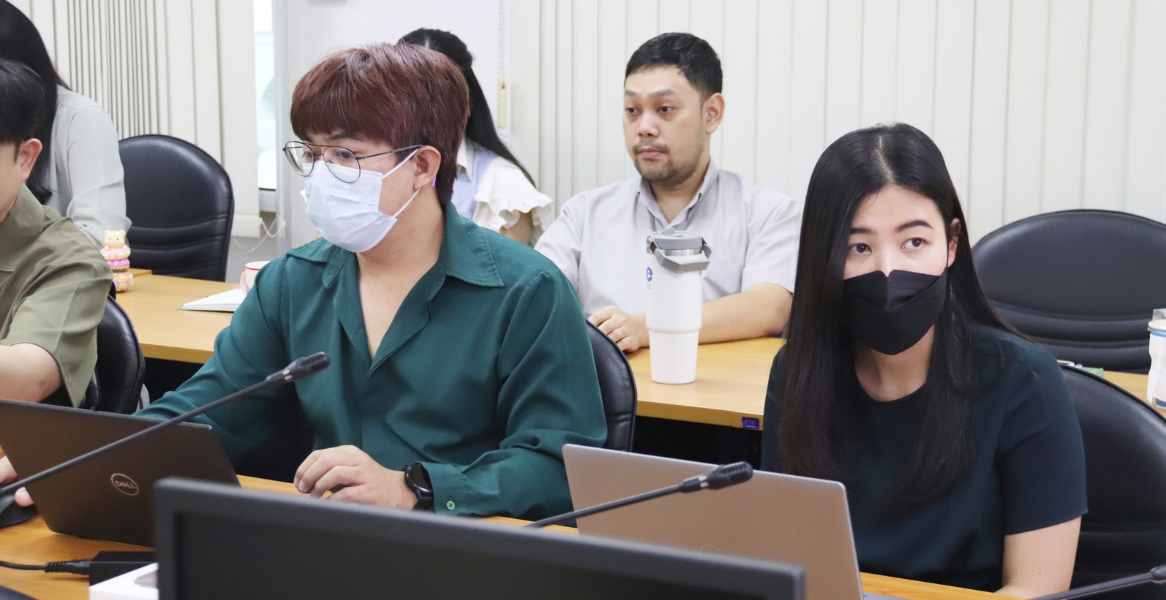
Objectives of the Project
The collaboration between the Graduate School and the Computer Center plays a central role in planning and shaping an electronic documentation system tailored to graduate studies. The project’s primary objectives are to:
Foster a shared understanding between academic and IT units to ensure system development aligns with actual operational needs.
Identify and analyze the specific requirements of the Graduate School and its students.
Jointly design digital workflows and systems that are appropriate to the institutional context.
Project Implementation
The project includes two key implementation processes:
Needs Identification and Analysis – The Graduate School provides input on academic workflows and information requirements, covering processes such as thesis proposals, advisor appointments, qualifying and thesis examinations, student progress tracking, and graduation approval. This stage enables staff to share challenges, obstacles, and limitations of the current system, as well as ideas and necessary functions for the new system.
System and Process Design – The Computer Center translates these requirements into practical digital solutions, offering technical guidance on database structures, data security, user interface design, and integration with central databases.
Project Outcomes and Impact
The introduction of an electronic document system for graduate studies is expected to yield significant impacts:
Reduced processing time and enhanced accuracy of information.
Lower consumption of unnecessary resources such as paper and clerical workload.
Promotion of environmentally friendly practices in line with the Green Office concept.
Improved convenience for students and faculty, enabling them to complete tasks anywhere, anytime.
Increased efficiency and reduced administrative burdens within graduate education.
Project Duration and Management
The project is scheduled to run continuously from October 2024 to September 2025, with a key meeting held on January 22, 2025. The project is supervised by Asst. Prof. Dr. Montana Rungsiyopas.