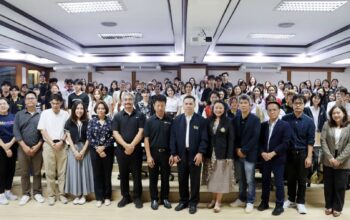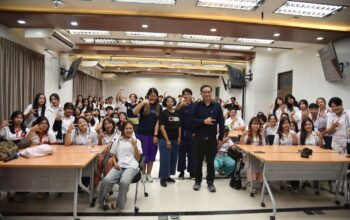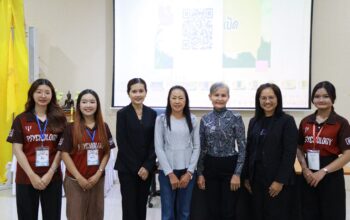
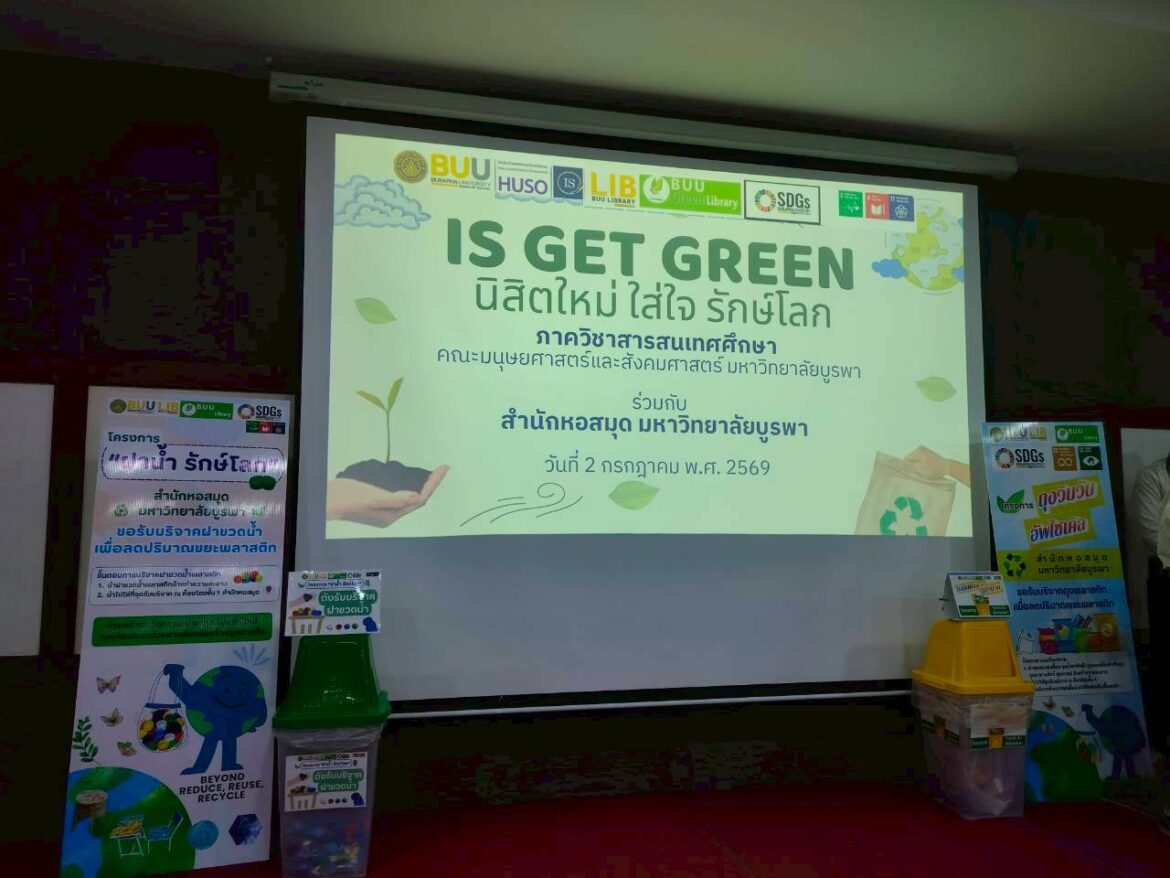
Burapha University has established a strategic policy to transform the institution into a Green University under the framework of sustainable development. This initiative focuses on efficient natural resource management, the minimization of energy consumption, the reduction of environmental pollution, and waste mitigation. Additionally, it actively promotes tangible and sustained engagement from both university personnel and students in environmental conservation. In alignment with this institutional directive, the Department of Information Studies, Faculty of Humanities and Social Sciences, has launched the project titled “IS Get Green: Eco-Conscious Freshmen.” The primary objective of this project is to cultivate a comprehensive understanding of the “Green University” and “Green Library” concepts, while simultaneously encouraging the practical application of the 5R principles—namely Reduce, Reuse, Recycle, Repair, and Refuse/Upcycle—through participatory activities and systematic waste management campaigns. Ultimately, the project aims to foster behavioral shifts toward optimal resource utilization, appropriate waste reduction and segregation, and the innovative repurposing of waste materials, thereby advancing the sustainable and green university initiatives at both the institutional and faculty levels.
The aims of projects
1. To enhance knowledge and understanding of the Green University and Green Library frameworks and guidelines.
2. To raise awareness and promote behavioral practices regarding waste reduction, waste segregation, and optimal resource utilization in accordance with the 5R principles.
3. To encourage the tangible participation of students and personnel in the environmental initiatives and activities of both the faculty and the university.
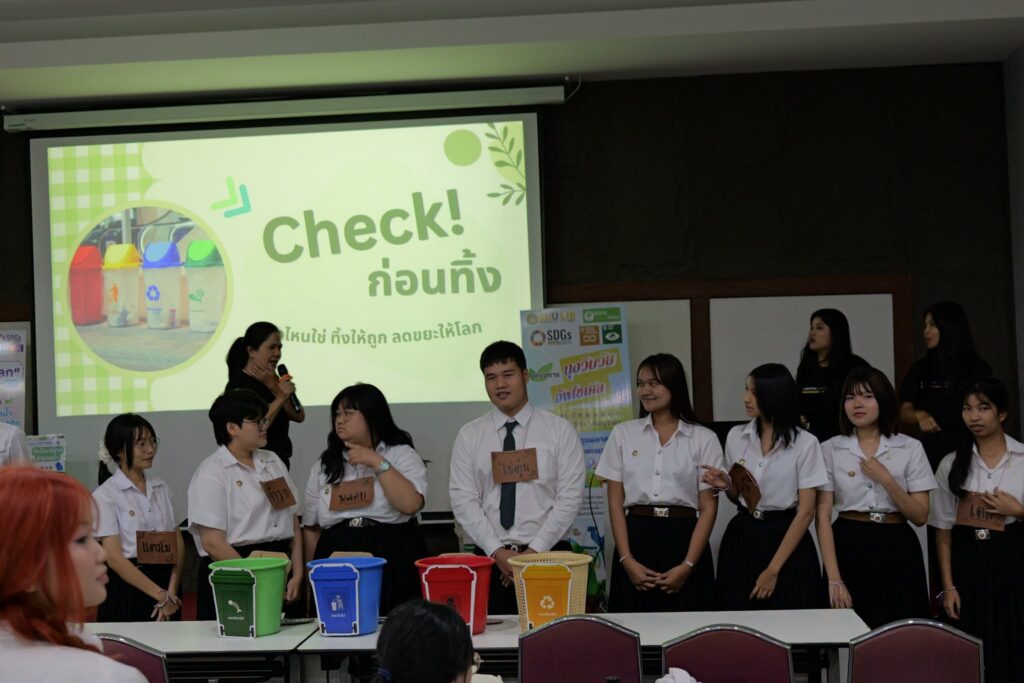
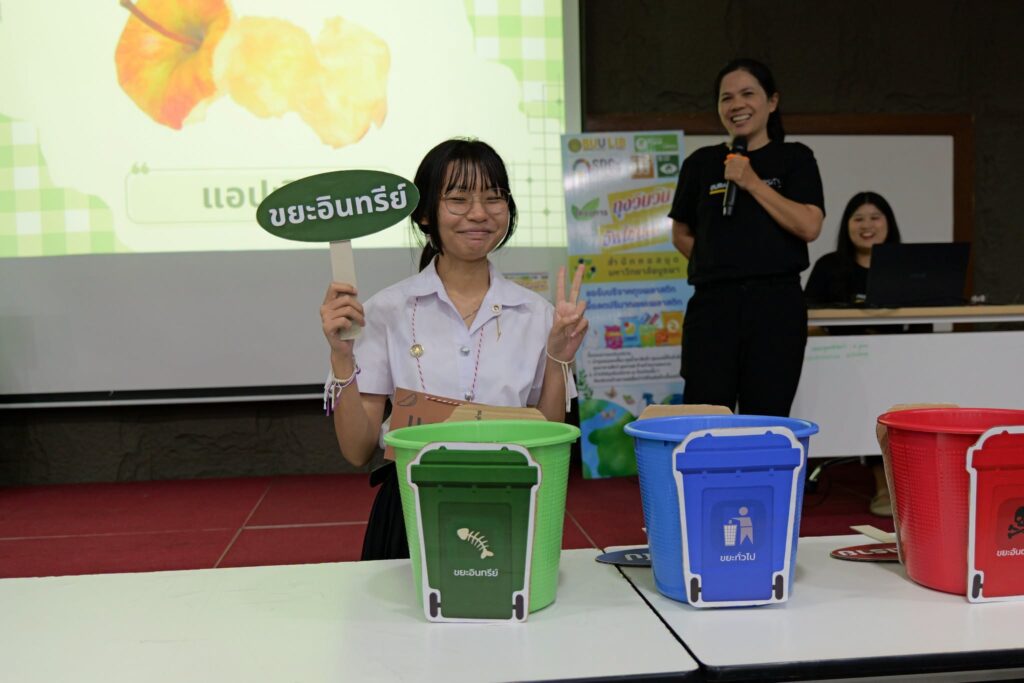
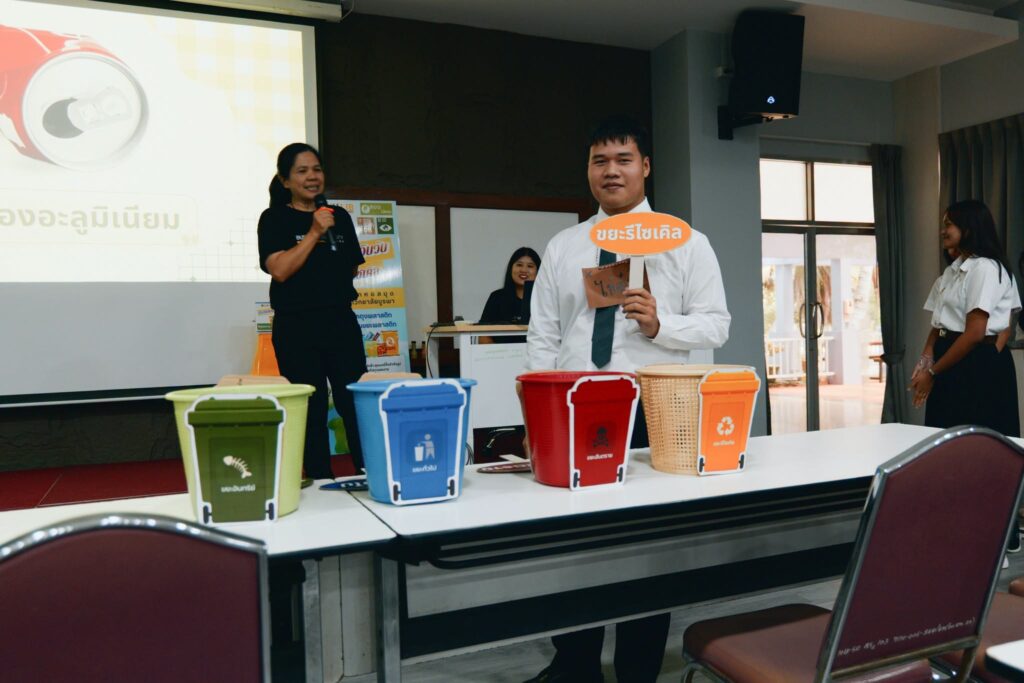
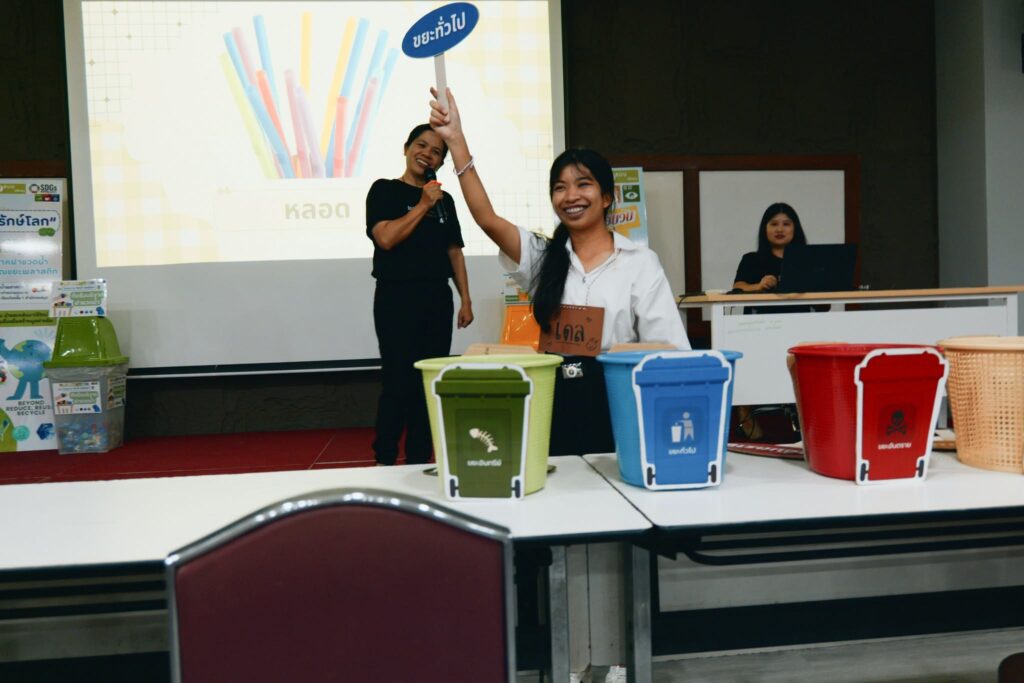
A hands-on workshop focusing on waste segregation and the mindful utilization of resources. The session commenced with a guest speaker providing a comprehensive overview of the Green Library and Green University policies, ensuring that students thoroughly understood the underlying principles and rationale behind these initiatives. Following the briefing, a practical demonstration on waste segregation was conducted, covering various waste categories such as organic waste, general waste, recyclable waste, and hazardous waste. Student representatives were then invited to actively participate in a hands-on activity, sorting different types of waste into their designated bins, while the speaker reinforced the critical importance of proper waste segregation. Concluding the session, students were encouraged to donate recyclable materials to ensure they would be processed through proper disposal and recycling channels.
The impacts:
1. Students demonstrate heightened awareness and an increase in behaviors conducive to optimal resource utilization, waste reduction, and daily waste segregation.
2. The department and students achieved a higher level of concrete engagement in supporting the university’s green and sustainable campus initiatives.
3. Students demonstrated a heightened awareness and actively engaged in waste reduction, waste segregation, and efficient resource utilization, ultimately leading to a behavioral shift toward environmentally conscious consumption patterns.
Project Leaders: Asst.Prof. Akara Thammasatitkul, Mrs.SomruThai Theeraruangsiri