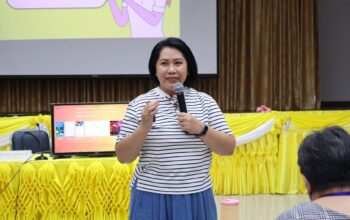
The Bachelor of Business Administration program in Tourism and Hospitality Management aims to equip students with both academic knowledge and professional skills required by the international tourism industry, particularly fostering collaboration between theory and practice (theory-integrated practice). To enhance learning experiences aligned with the principles of Education for Sustainable Development within the framework of the United Nations Sustainable Development Goals (SDGs), the department organised a workshop titled “Innovative Service in Accommodation and Related Service Businesses – Learn & Play: Beyond the Classroom”. Furthermore, the program integrates knowledge from five specialised subjects: • Room Division and Guest Services Management • Food and Beverage Operation and Management • Mixologist and Barista • Kitchen and Culinary Arts • Airline Business and Passenger Services. This reflects the educational approach aimed at developing high-quality human resources to support the sustainable growth of the tourism and hospitality industry. Relevant SDGs: • SDG 4 – Quality Education: Developing skills-based and experiential education. • SDG 8 – Decent Work and Economic Growth: Preparing a quality workforce for the labour market. • SDG 9 – Industry, Innovation and Infrastructure: Learning about innovative services in industry. • SDG 17 – Partnerships for the Goals: Collaboration between universities and businesses.
Project Coordinator:
- Asst. Prof. Dr Chitlada Pinthong
- Asst. Prof. Dr Thanapol Inprasertkul
- Asst. Prof. Dr Chavana Angkanurakbun
- Asst. Prof. Dr Natthakan Pruksorranan
- Ms Thanyarat Dumklang, faculty member from the Department of Tourism and Hotel Management.
Objectives:
The main objectives of this workshop are as follows:
- To enable students to understand and be aware of working in the accommodation and related service industries.
- To enable students to learn about innovations and service models in the hotel and service business in a real-world environment.
- To integrate knowledge from specialised courses, from theory to practical application in real-world business settings. The implementation of this project plays a crucial role in developing essential 21st-century skills for students, such as: • Service Mind • Hospitality Innovation • Professional Awareness • Industry Readiness. These are key components of human resource development to support the future growth of the tourism and hospitality industry.
Program Activities:
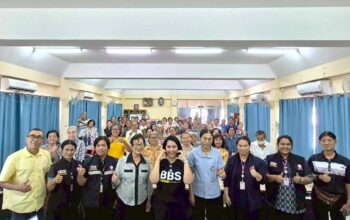
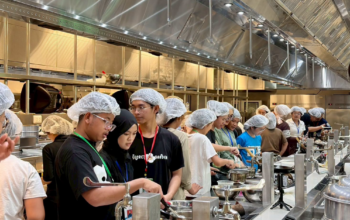
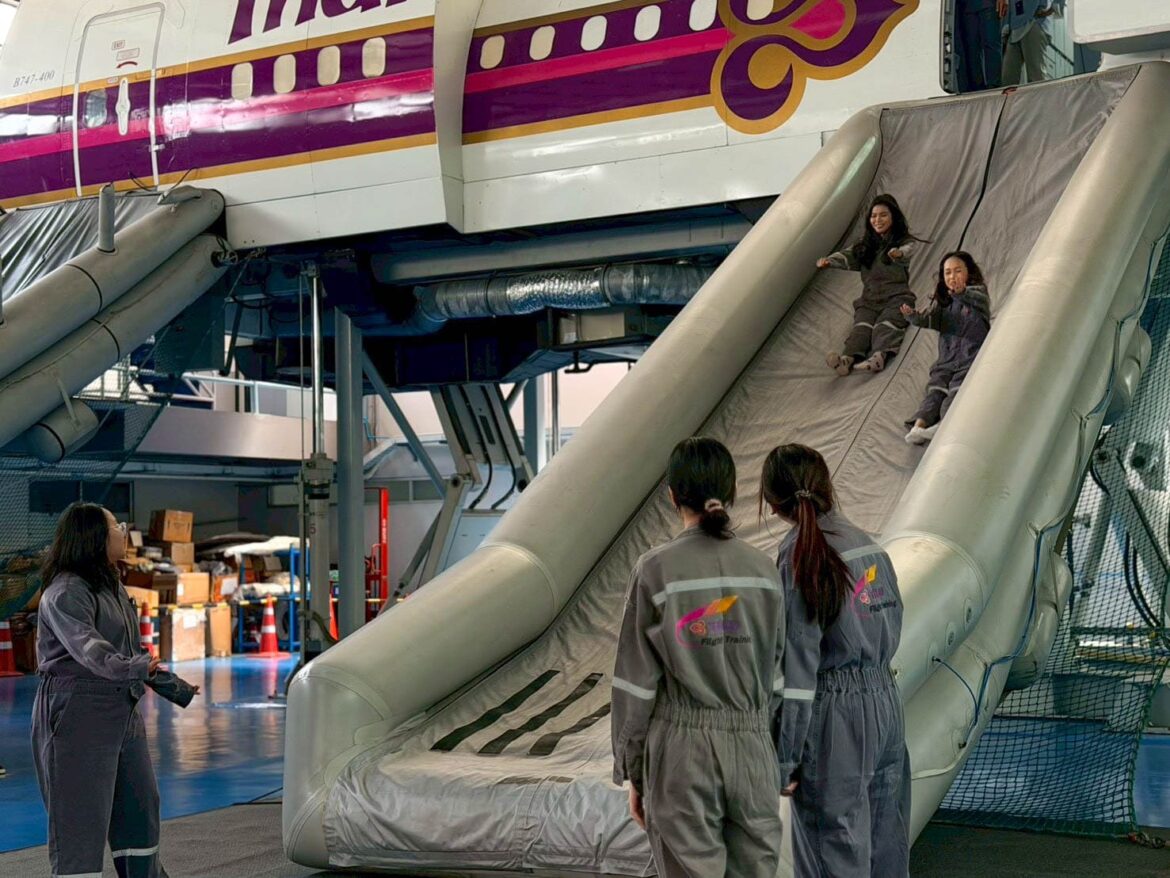
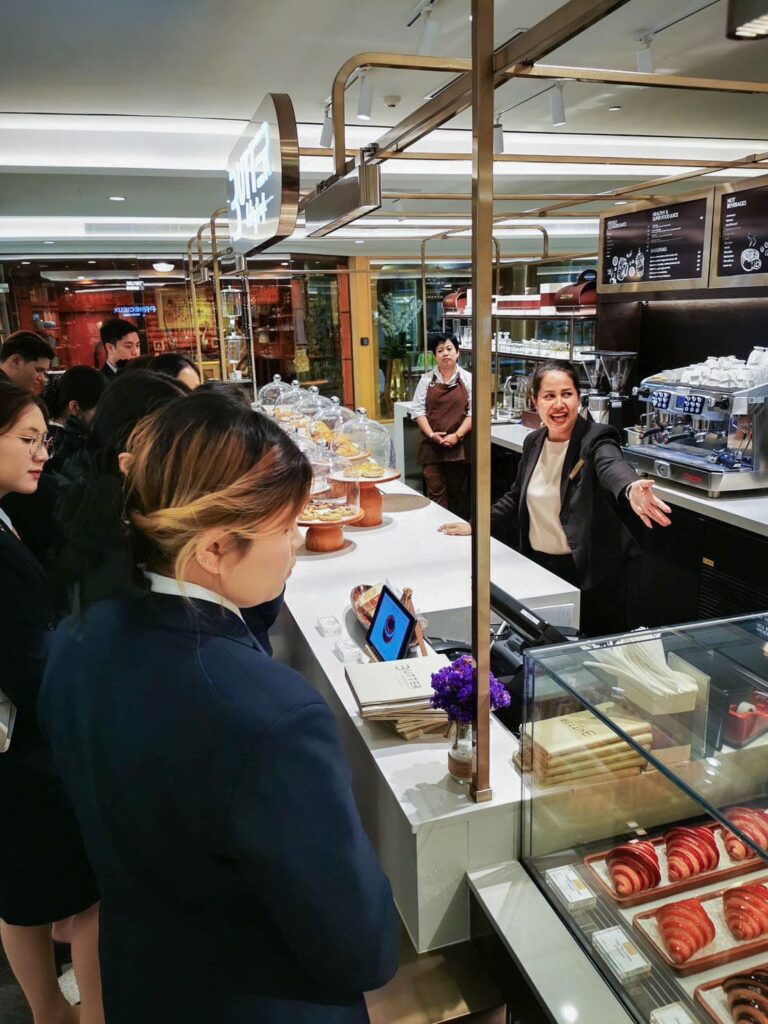
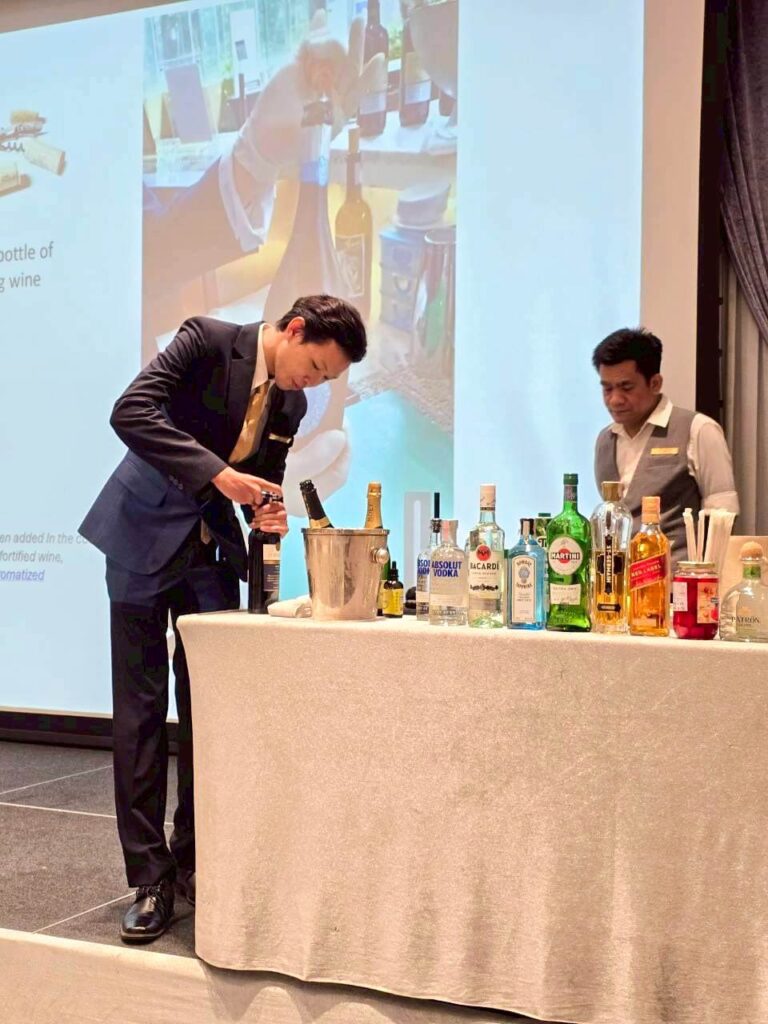
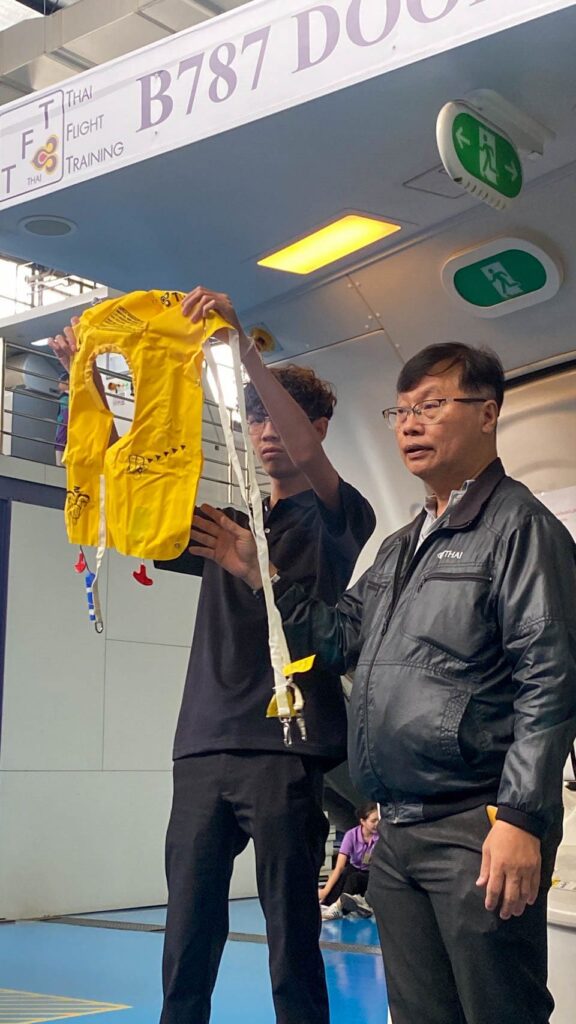
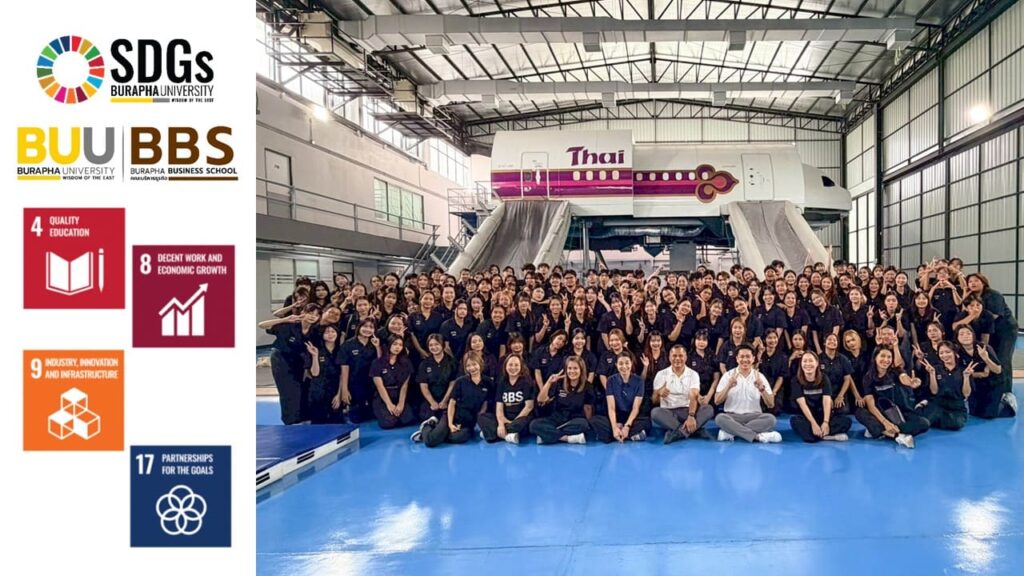
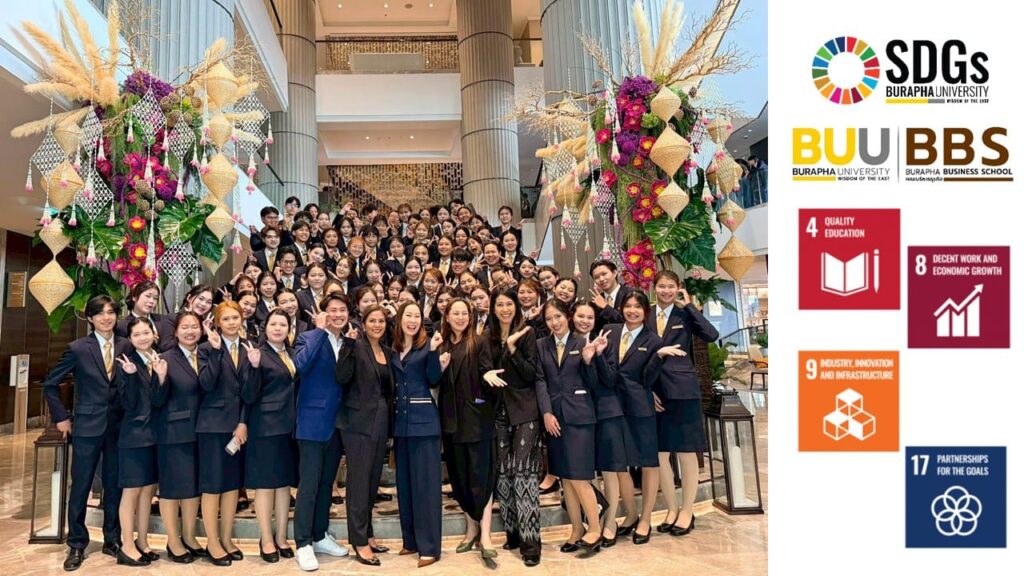
The workshop project “Innovative Service in Accommodation and Related Service Businesses – Learn & Play: Beyond the Classroom” for the academic year 2026 was held for students in the Tourism and Hospitality Management program. Participants included: • 131 first-year students (code 68) • 1 second-year student (code 67). With a total of 132 participants, this program provided students with the opportunity to learn from a real-world work environment in the internationally standardised service industry. It also allowed them to learn about service innovation in the hotel, airline, food and beverage, and related service industries. This helped students visualise the actual workings of the industry and guide their decisions when selecting companies for future cooperative education placements. This activity focuses on learning from real establishments with international service standards through studying the work environment, observing service processes, and learning management approaches in the service industry. Study visit’s locations include: • InterContinental Bangkok • Ibis Styles Bangkok Silom • Thai Flight Training • White Orchid Cruise.
Expected Outcomes (Impacts):
The implementation of this project has yielded positive results in education, vocational skills development, and the creation of collaborative networks between educational institutions and industry. The impact of the project can be summarised as follows:
- Student Development: Students gain learning experiences from a real-world service business environment, leading to an understanding of the operational structure of the hotel, aviation, and related service industries. This enhances their analytical thinking, communication, and teamwork skills.
- Professional Skill Development: Students learned about internationally standardised service models, including concepts of service innovation, which are essential skills for personnel in the tourism and service industry in the service economy.
- Industry Collaboration: The project helps strengthen collaborative networks between educational institutions and businesses, which play a crucial role in curriculum development, co-operative education programs, and prepare students for the job market.
- Sustainable Education Development. These activities reflect an integrated educational approach focused on developing human resources with the potential to drive sustainable growth in the tourism and service industries, in line with the SDGs framework.
Date of Implementation: March 4-5, 2026