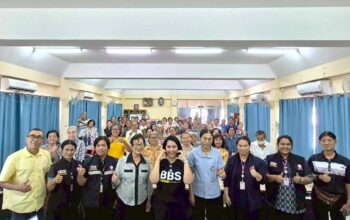
In an era of rapid financial and technological change, finance graduates are expected to demonstrate not only theoretical knowledge but also practical skills in financial planning, investment decision-making, and risk management. However, conventional lecture-based teaching often limits students’ ability to apply knowledge in real-world contexts. To address this gap, the Finance Program at Burapha Business School, Burapha University, developed an innoฺvative learning initiative that integrates active learning with simulation-based education through board games. This project enables students to translate classroom knowledge into practice by designing and engaging in realistic financial scenarios. It enhances critical thinking, strategic decision-making, teamwork, and ethical awareness—key competencies for future financial professionals. Moreover, the initiative promotes inclusive, lifelong learning by creating engaging, accessible educational tools that extend beyond the classroom. Ultimately, the project contributes to developing work-ready graduates capable of adapting to the evolving demands of the financial industry and supporting sustainable economic growth.
Project Coordinator: Dr. Kamolwan Rodhring, Dr. Netdao Chaiyakhet
Objectives:
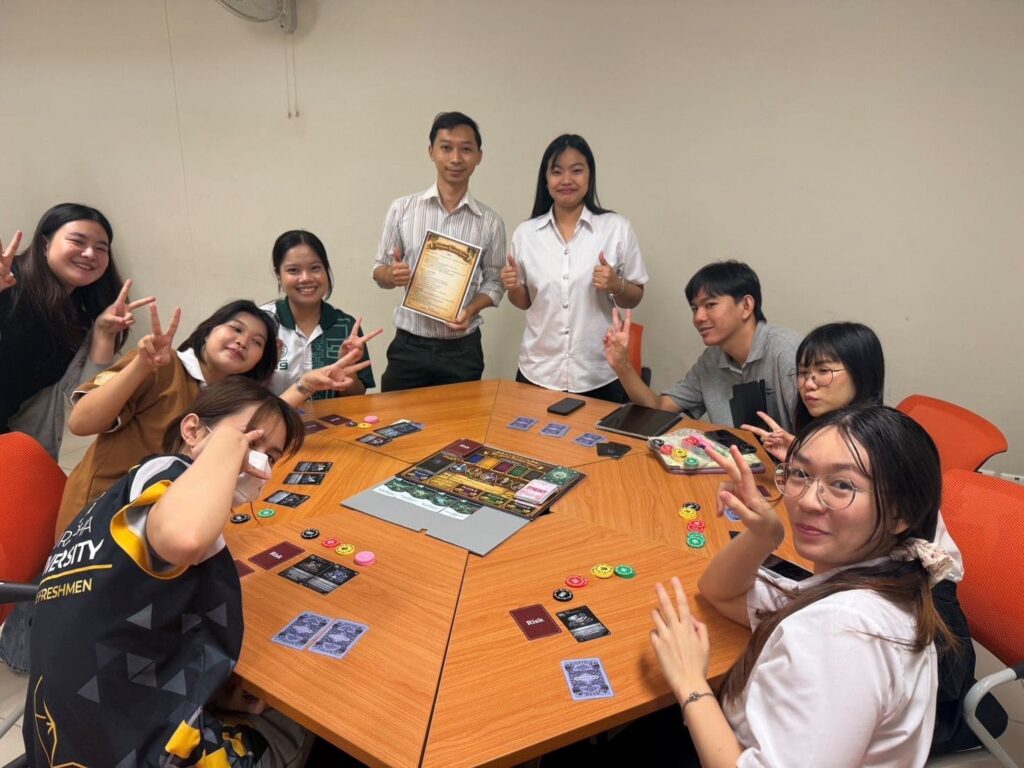
The primary objective of this project is to enhance students’ knowledge and understanding of financial planning and investing through active, experiential learning. By integrating simulation-based activities, the project aims to develop practical skills in financial decision-making, risk management, and strategic thinking within realistic contexts. It also encourages students to apply theoretical concepts from investment banking and financial advisory to real-world situations, thereby bridging the gap between theory and practice. In addition, the project seeks to foster essential soft skills, including analytical thinking, problem-solving, teamwork, and effective communication. It emphasises the importance of ethical awareness and professional standards in the financial industry. Furthermore, the initiative aims to create innovative, engaging learning tools, such as board games, to support knowledge retention and stimulate student engagement. Ultimately, the project is designed to promote lifelong learning, facilitate knowledge sharing among students, and prepare graduates to be work-ready professionals who can adapt to the rapidly changing financial environment.
Program Activities:
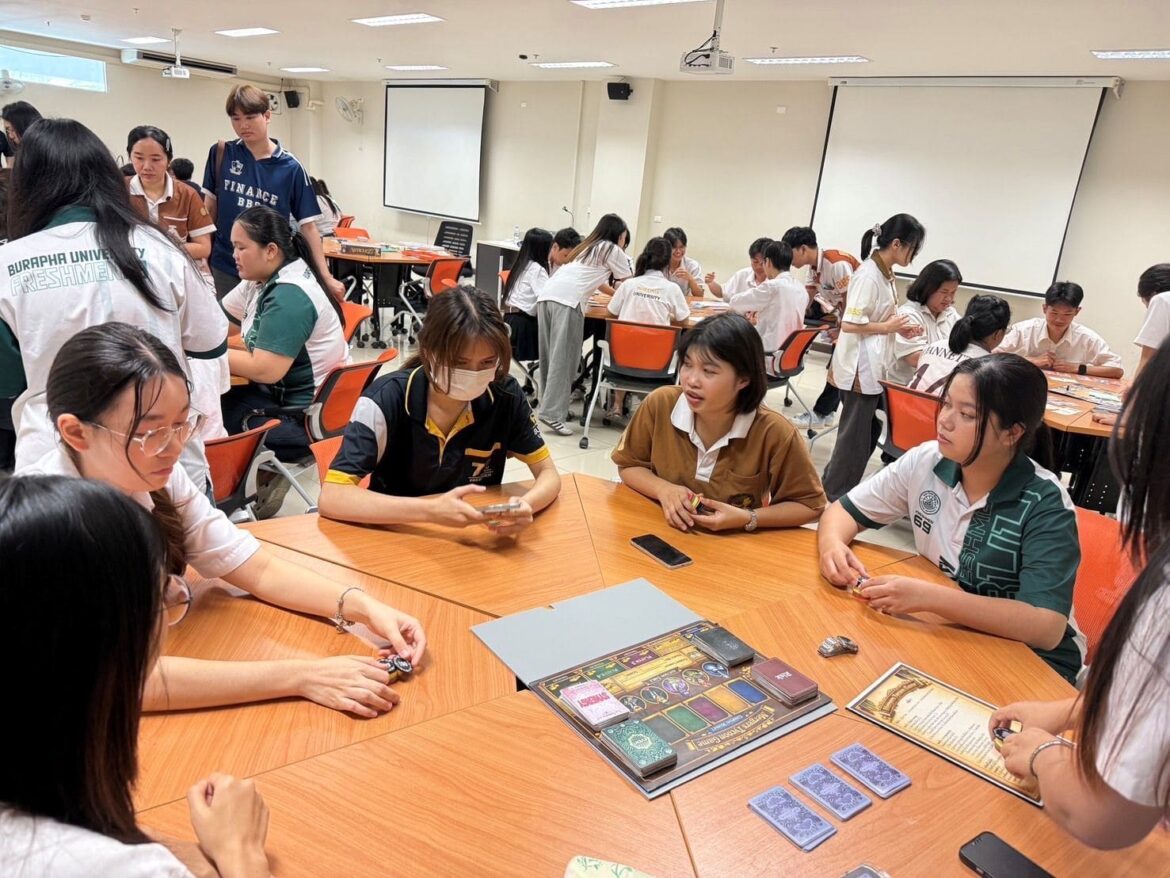
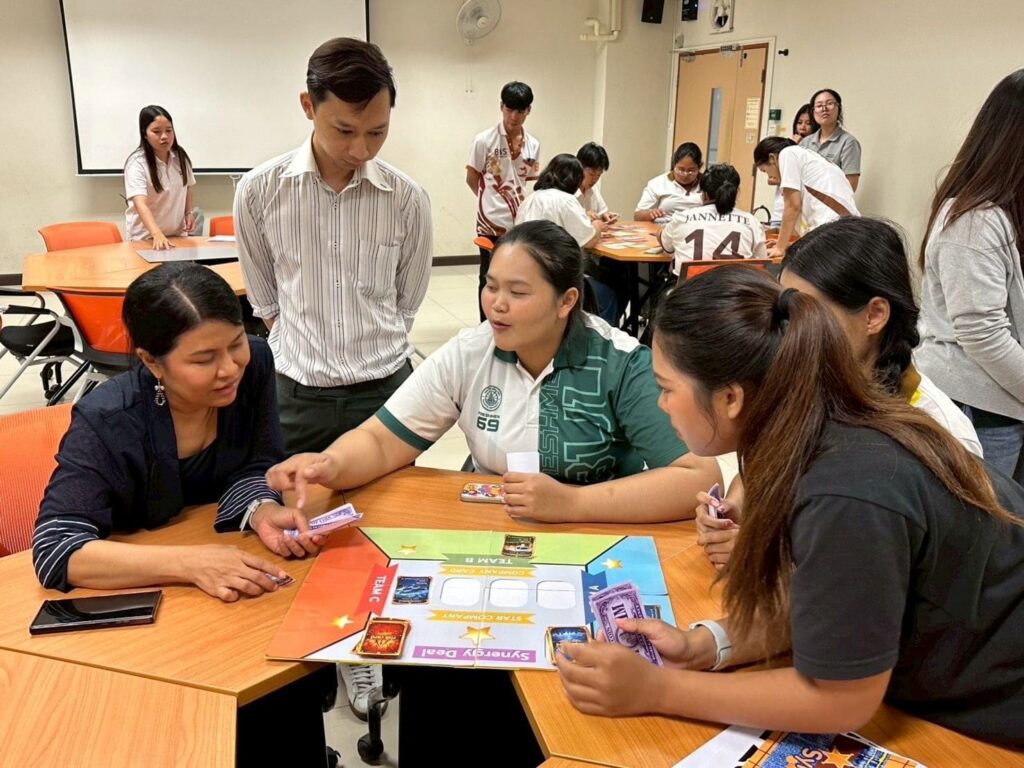
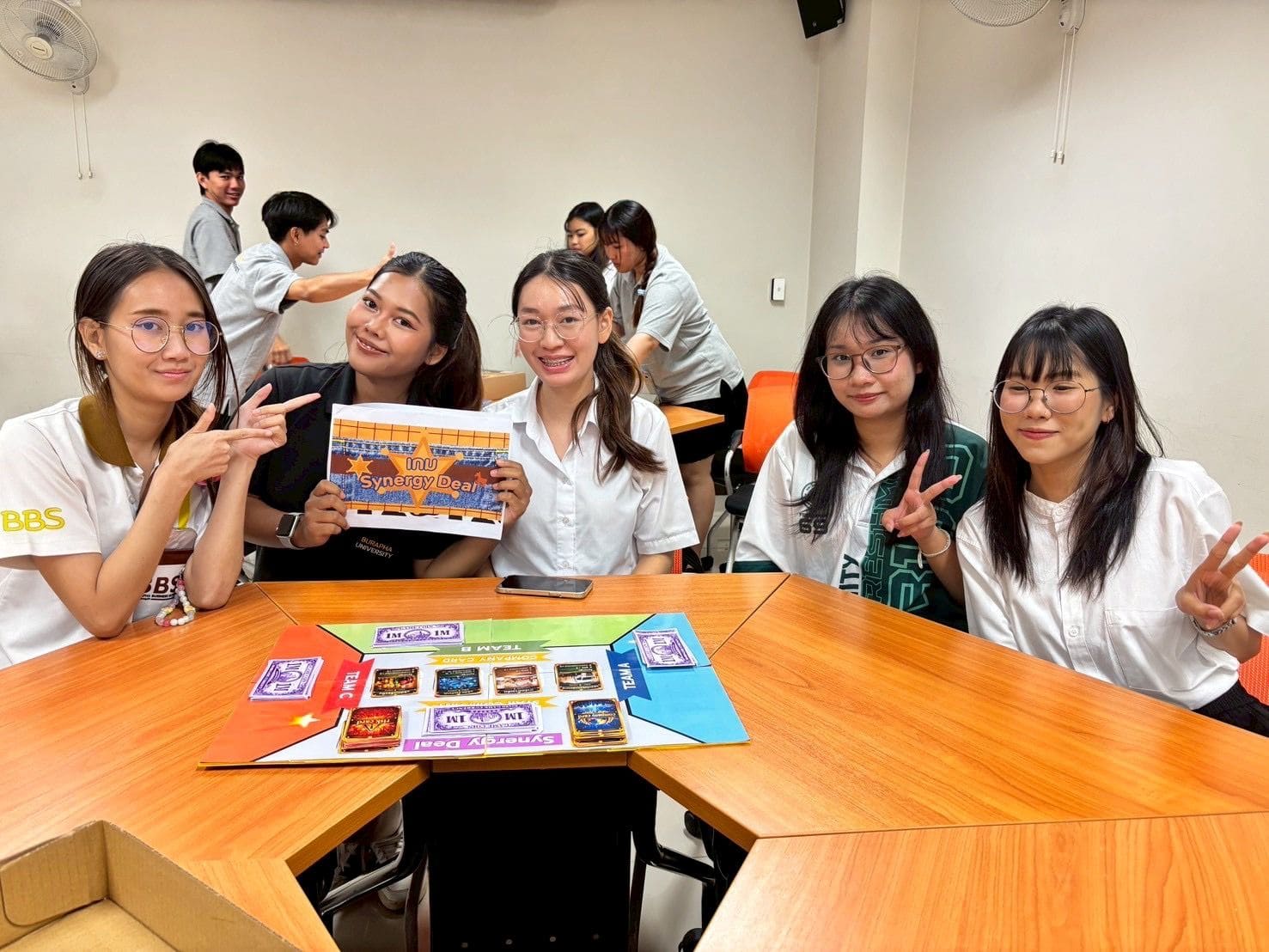
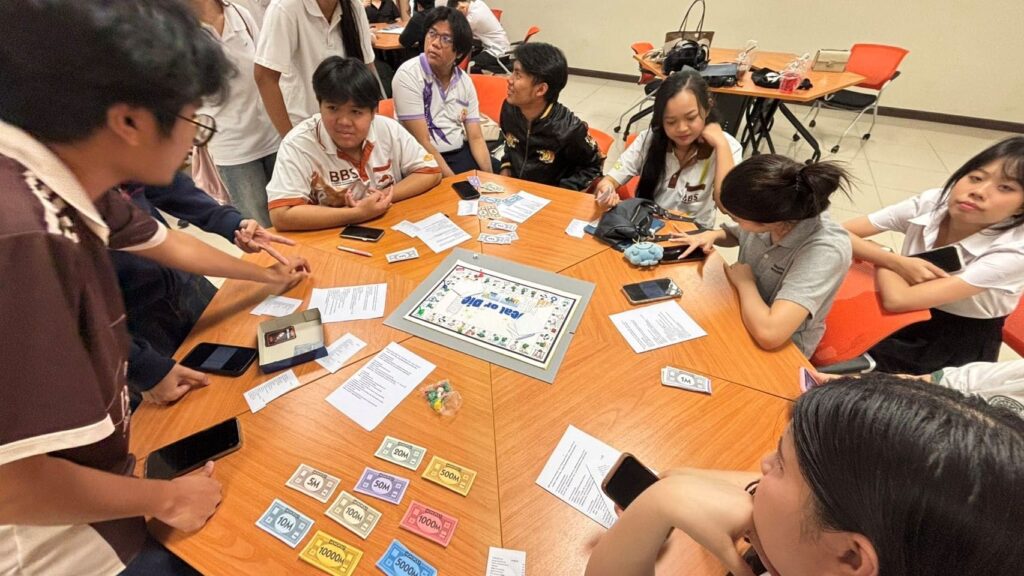
The project was implemented through a structured two-phase process that integrated classroom learning with practical application. In the first phase (February 17 – March 17, 2026), third-year students enrolled in the Investment Banking and Financial Advisory course were tasked with designing and developing board and card games based on financial and investment concepts. During this stage, students conducted research, applied theoretical knowledge, and created simulation scenarios reflecting real-world financial activities, including investment decision-making, risk management, and corporate transactions. Lecturers in the Finance program provided guidance and feedback throughout the development process. In the second phase (March 24, 2026), the completed games were presented and used in a competitive learning event. Second- and fourth-year students, as well as other interested students, participated as players, engaging in gameplay that simulated realistic financial environments. This phase emphasised experiential learning, peer interaction, and knowledge sharing. Evaluation methods included observation, participation assessment, and post-activity feedback to measure learning outcomes and the project’s overall effectiveness.
Expected Outcomes (Impacts):
The project had a significant positive impact on students’ learning outcomes and skill development. Participants demonstrated improved understanding of financial planning, investment strategies, and risk management through hands-on, experiential learning. The integration of simulation-based board games enhanced students’ ability to apply theoretical knowledge to real-world scenarios, strengthening their analytical thinking and decision-making skills. In addition, the project led to the successful development of seven board games, demonstrating students’ ability to transform academic knowledge into practical, innovative learning tools. These outputs can be further utilised in teaching and learning activities, and for knowledge dissemination to wider audiences. The project also fostered essential soft skills, including teamwork, communication, and problem-solving, as students actively collaborated and engaged in dynamic gameplay. It promoted ethical awareness and a deeper understanding of professional practices in the financial industry. Overall, the initiative enhanced students’ readiness for careers in finance, supported lifelong learning, and reinforced the role of higher education in producing innovative, work-ready graduates in a rapidly changing economic environment.
Date of Implementation: From February 17 to March 17, 2026 (The final competition and project implementation event took place on March 24, 2026.)