Higher education under the Outcome-Based Education (OBE) framework prioritises integrating theoretical knowledge and practical skills to achieve desired learning outcomes. For the course 67813264 Criminal Law 2, off-site experiential learning is essential to bridge the gap between classroom theories and judicial reality. Aligned with AUN-QA v4.0 and SDGs 4 and 16, this field trip to the Supreme Court aims to provide students with firsthand insights into the Thai judiciary and the rule of law. By engaging with legal experts, students will enhance their analytical thinking and professional ethics, ensuring they develop the competencies required for future legal practice and socially responsible citizenship.
Project Coordinator: Mr.Pongsakorn Jittiwan
Objectives:
- To promote Experiential Learning by providing students with firsthand insights into criminal justice, criminology, and the operations of the Supreme Court, in alignment with SDG 4 (Quality Education).
- To enhance teaching practices according to the Outcome-Based Education (OBE) framework, bridging theoretical knowledge with professional expertise through off-site lectures by judicial specialists.
- To cultivate a profound understanding of the Judiciary’s roles and administrative processes in upholding the Rule of Law, consistent with SDG 16 (Peace, Justice, and Strong Institutions).
Program Activities:
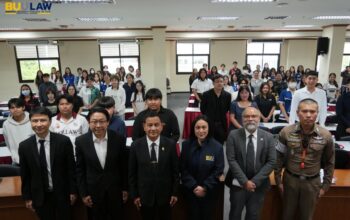
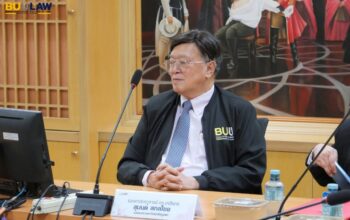
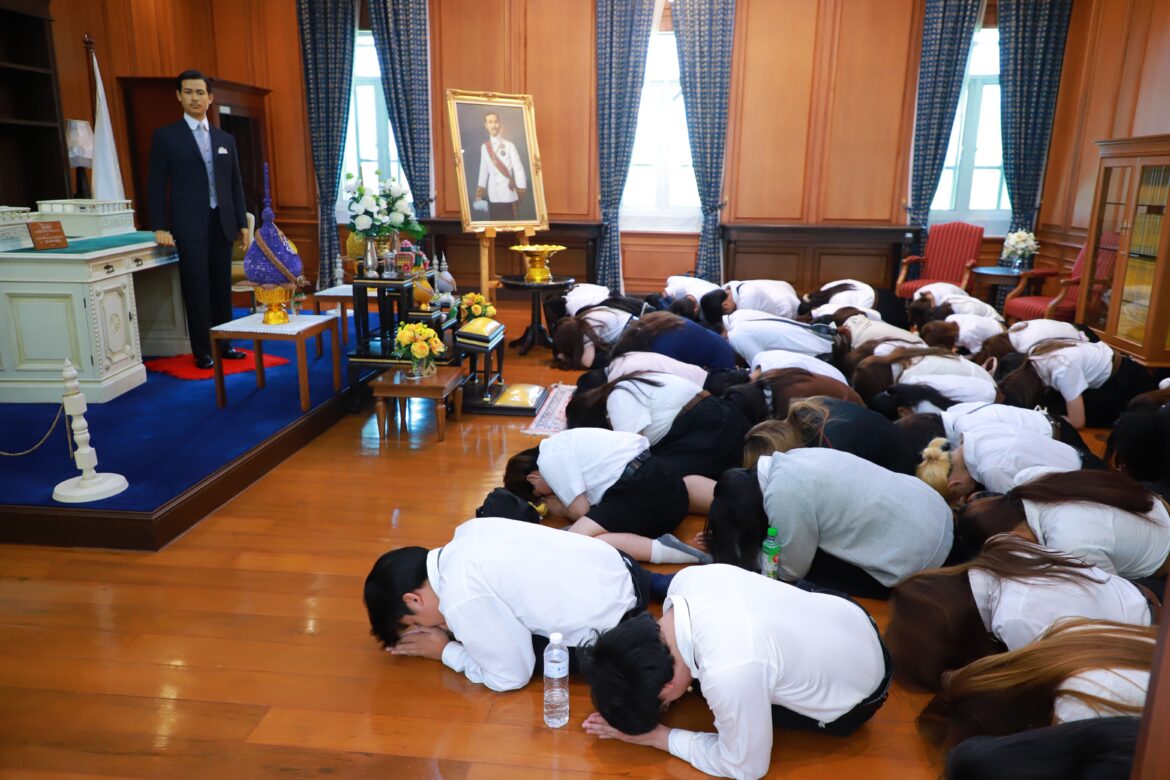
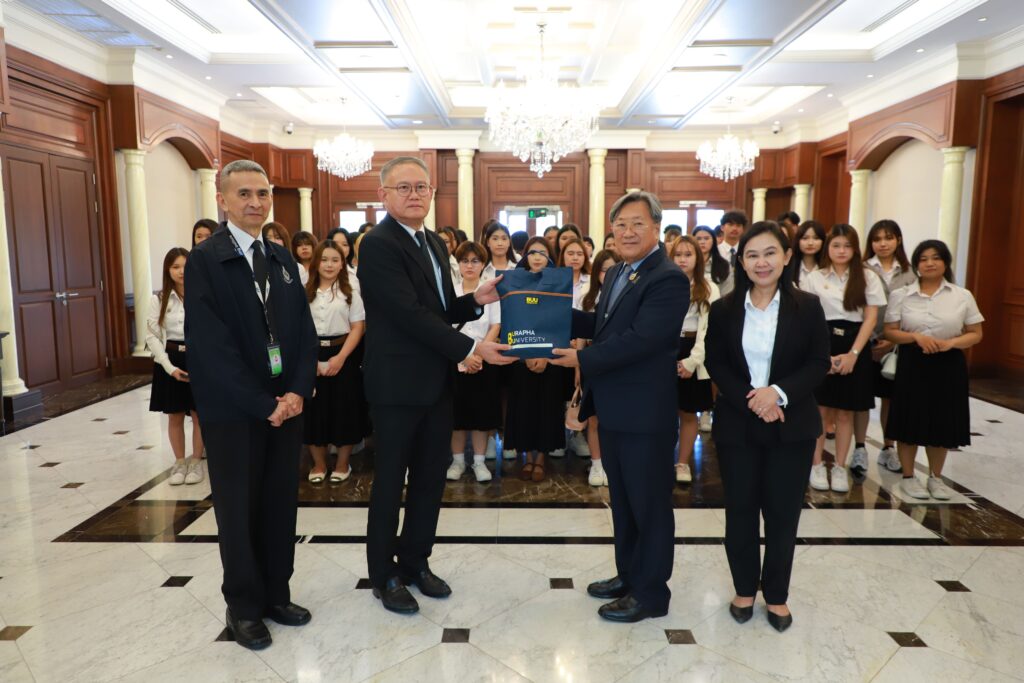
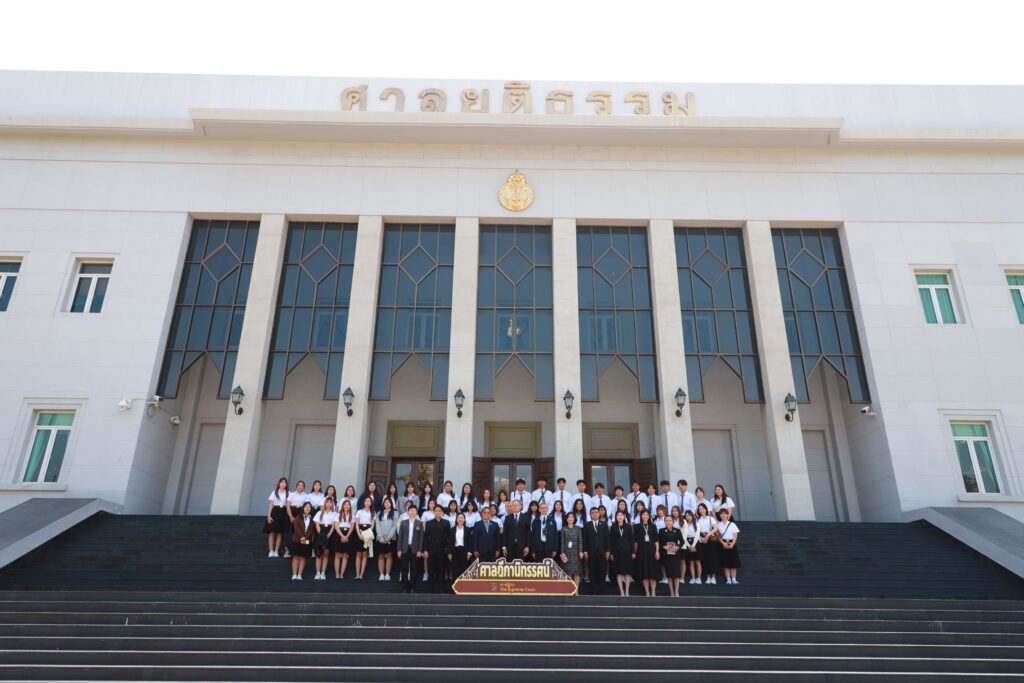
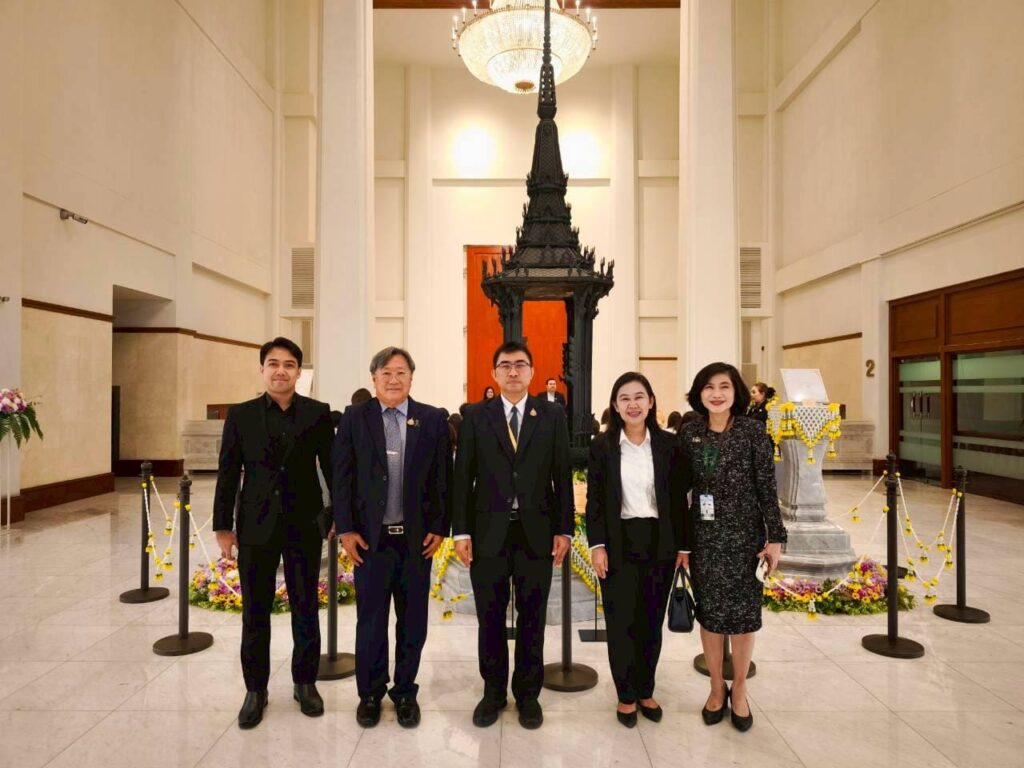
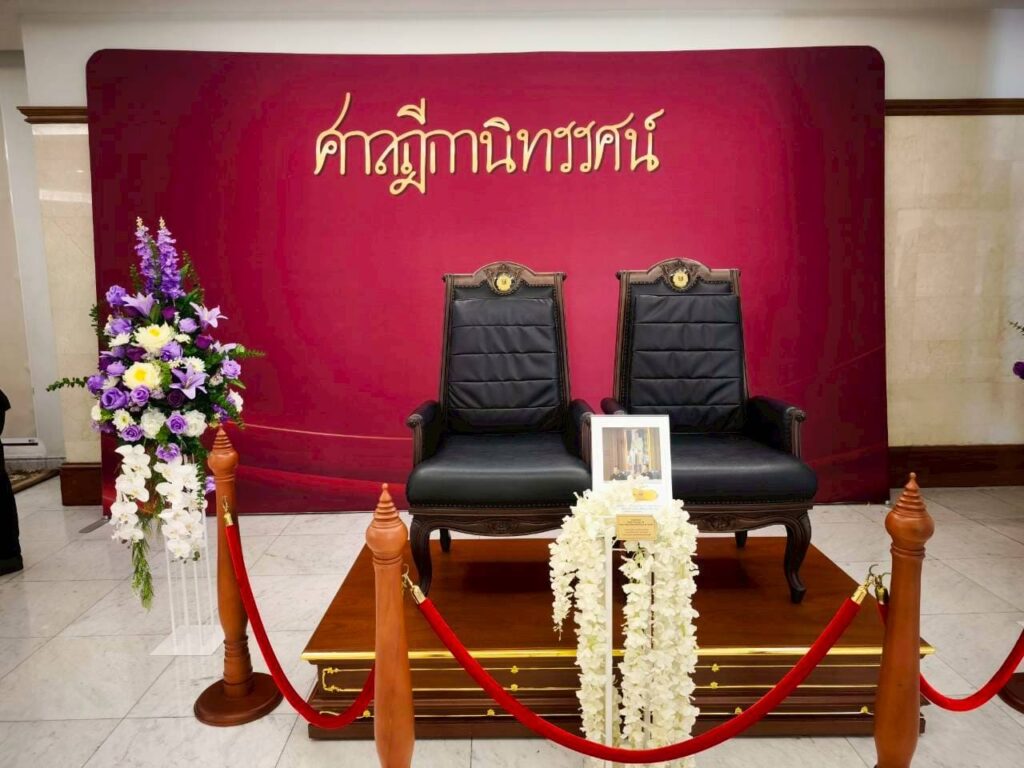
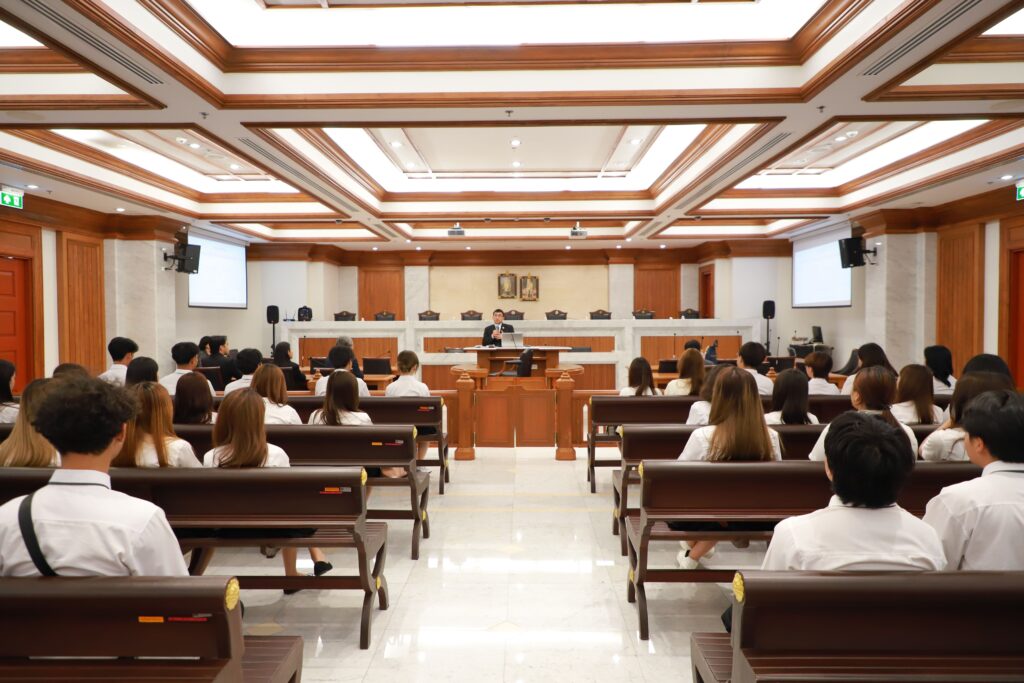
The study group was honoured by Mr Suwit Pornpanit, Vice President of the Supreme Court, who delivered a welcome address. The program featured distinguished keynote lectures: “Insights into the Thai Judiciary and Supreme Court Procedures” by Mr Ariya Navintham, President of the Juvenile and Family Division, and Mr Pracha Ngamlamyuang, President of the Tax Division. Additionally, Dr Supakit Yampracha, Deputy Secretary-General of the Office of the Judiciary, presented on “Criminology and Judicial Operations.” Furthermore, the delegation visited the “Yod Prasat Yutitham” and the “Supreme Court Exhibition Center.” It paid respects to the statue of HRH Prince Raphi Phatthanasak, Prince of Ratchaburi, the Father of Thai Law. This project significantly enhanced the students’ understanding of the justice system and inspired their professional aspirations within the legal field.
Expected Outcomes (Impacts):
- Academic & Practical Proficiency: Students will attain comprehensive knowledge and practical insights aligned with course learning outcomes, enabling them to effectively integrate criminal law, justice systems, and criminology within real-world contexts.
- Collaborative & Active Learning: The project fosters Active Learning and knowledge exchange among students, faculty, and judicial experts, while enhancing social and communication skills in accordance with the AUN-QA framework.
- Professional Ethics & Rule of Law: Students will gain a profound understanding of the Supreme Court’s operations, strengthening their commitment to the Rule of Law, legal ethics, and the vital role of judicial institutions in society.
Date of Implementation: March 5, 2026