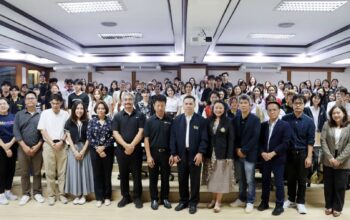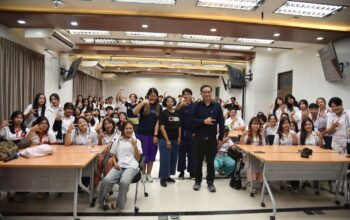
The Department of Thai, Faculty of Humanities and Social Sciences, at Burapha University, recognises the importance of gender equality, social inclusion, and the development of essential workplace competencies. To prepare students for professional internships in both public and private sectors, the Department initiated the project “Enhancing Soft Skills: Empowering Students to Drive an Equitable and Inclusive Society Before Professional Internship.”
This initiative aims to cultivate the critical soft skills necessary for future careers, including creative thinking and teamwork, and to apply Thai language knowledge in designing and presenting innovative work. The project emphasises the creation of outputs that promote gender and social equality, expand access to resources and essential services, and encourage non-discriminatory practices toward women, children, LGBTQ+ individuals, older persons, people with disabilities, and those from diverse linguistic and cultural backgrounds.
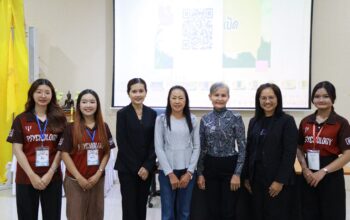
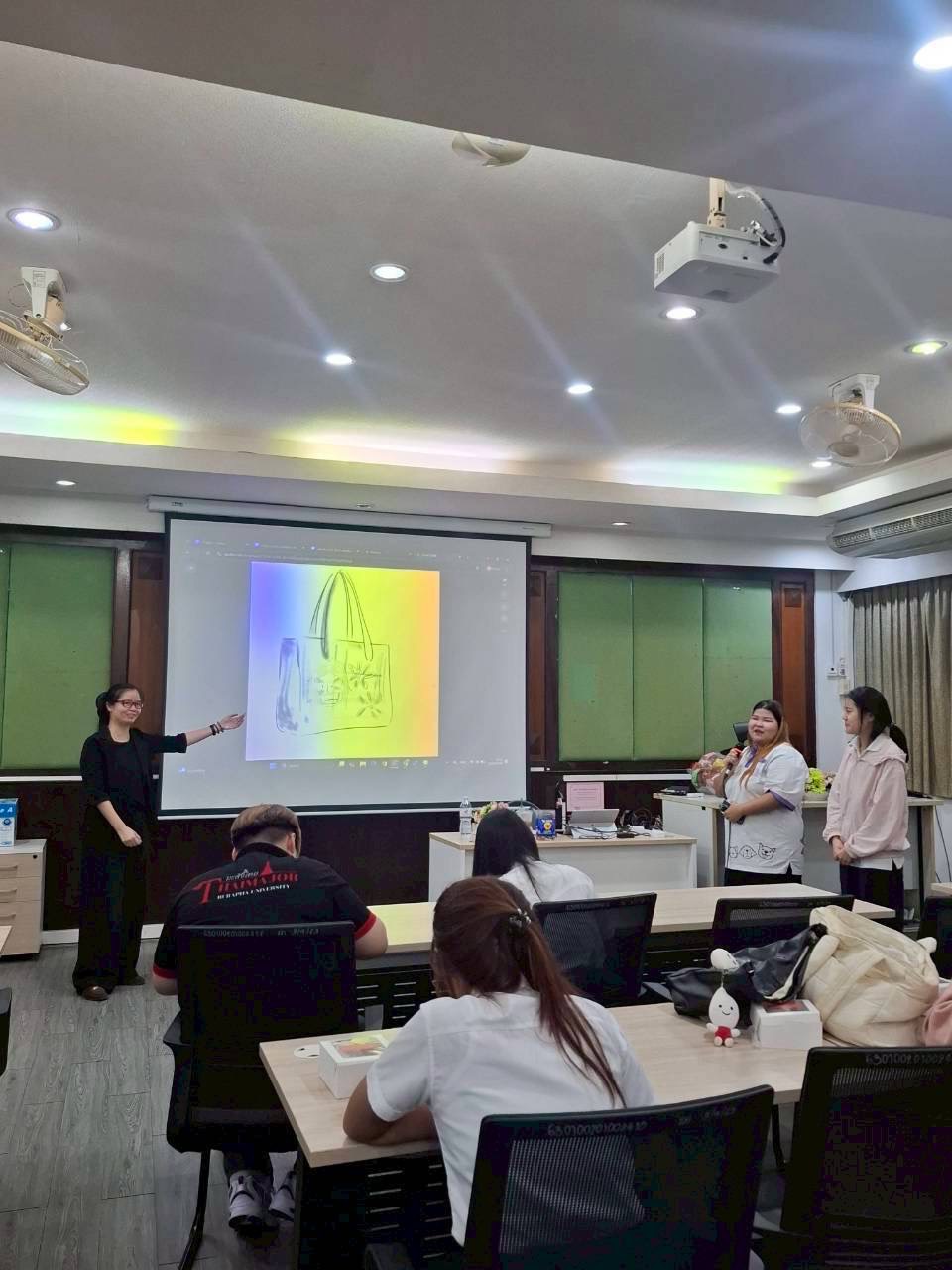
The program was honoured to welcome Dr Kwankanit Sae-ung, a specialist in advanced thinking skills development from the Office of Learning Innovation at Srinakharinwirot University, who delivered expert lectures and hands-on workshops. Through practical activities, students designed products for diverse social groups, equipping them with adaptable skills to navigate a rapidly changing world that embraces identity, rights, and diversity. The knowledge and experience gained can be applied to their internships, daily lives, and future professional roles, making them active contributors to a more equitable society.
Project Coordinator: Lecturer Karnrawee Elabyad & Asst. Prof. Nattha Khamchoo, PhD.

Objectives:
- To prepare second-year Thai major students for professional internships in public and private organisations.
- To promote gender equality and social inclusion among students in the Thai program.
- To advance the Faculty of Humanities and Social Sciences’ mission in fostering socially responsible graduates.
Program Activities:
The project followed the PDCA (Plan–Do–Check–Act) framework:
Plan
- The organising committee convened to design and structure the project.
- A formal proposal was prepared and approved.
Do
- The program was delivered to 70 second-year students.
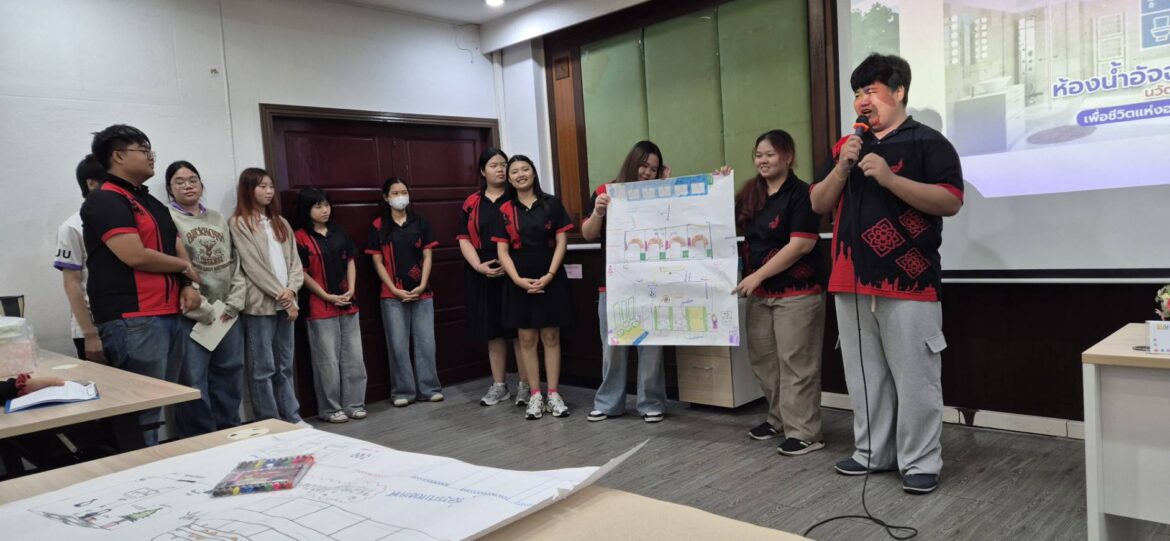
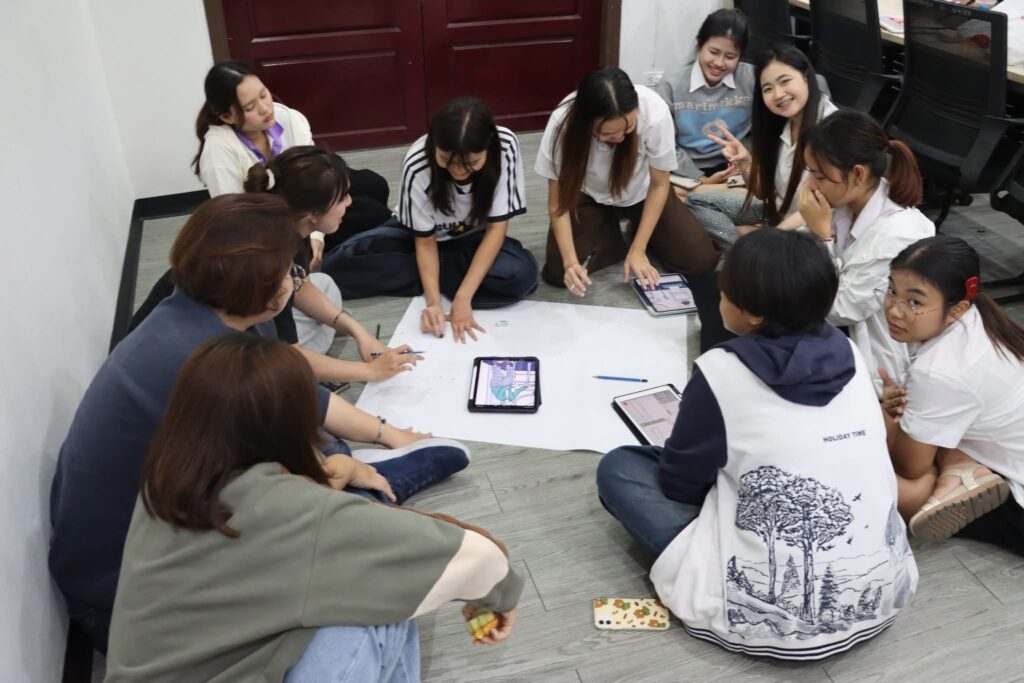
- Activities combined lectures and practical workshops using the Design Thinking approach.
- Students designed products for target groups representing gender and social diversity.
Check
- Project outcomes were summarised and evaluated.
Act
- An evaluation report was prepared, and feedback was used to improve future initiatives.
Expected Outcomes (Impacts):
Participants developed a deeper understanding of gender equality and social inclusion through lectures and discussions addressing real-world social phenomena—for example, the question, “Does wearing makeup define a man’s sexual orientation?” Such discussions sparked critical reflection and encouraged respect for individual identity.
Students further explored self-awareness and interpersonal understanding through the DISC personality assessment model (Dominance, Influence, Steadiness, and Compliance), fostering appreciation for diverse personality types in society.
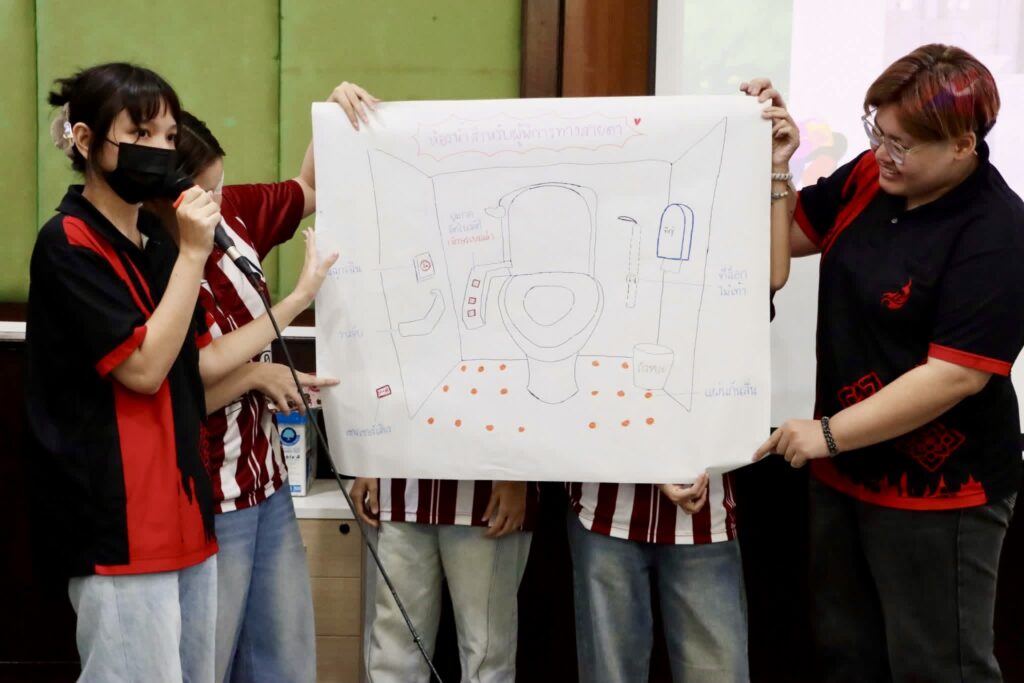
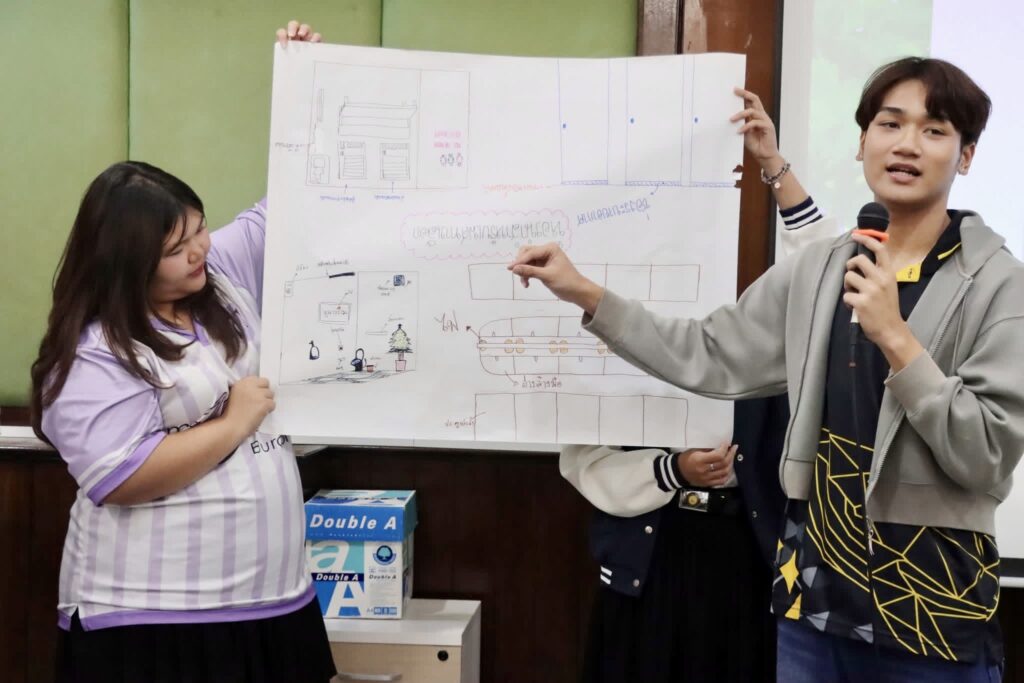
Through Design Thinking workshops, students applied principles of equality in practical design tasks, including creating inclusive bag designs and restroom facilities tailored to specific groups: women and young children, LGBTQ+ individuals, older persons, visually impaired individuals, working-age adults, and international tourists. These activities required research, collaborative discussion, and prototype development, encouraging students to consider differences in physiology, gender identity, physical ability, language, and cultural needs.
As a result, students strengthened their awareness of equality across gender, age, physical capability, language, and culture. They are now better equipped to apply inclusive principles in their academic pursuits, professional training, and future careers, contributing meaningfully to a multicultural and equitable society.
Date of Implementation: February 12, 2026