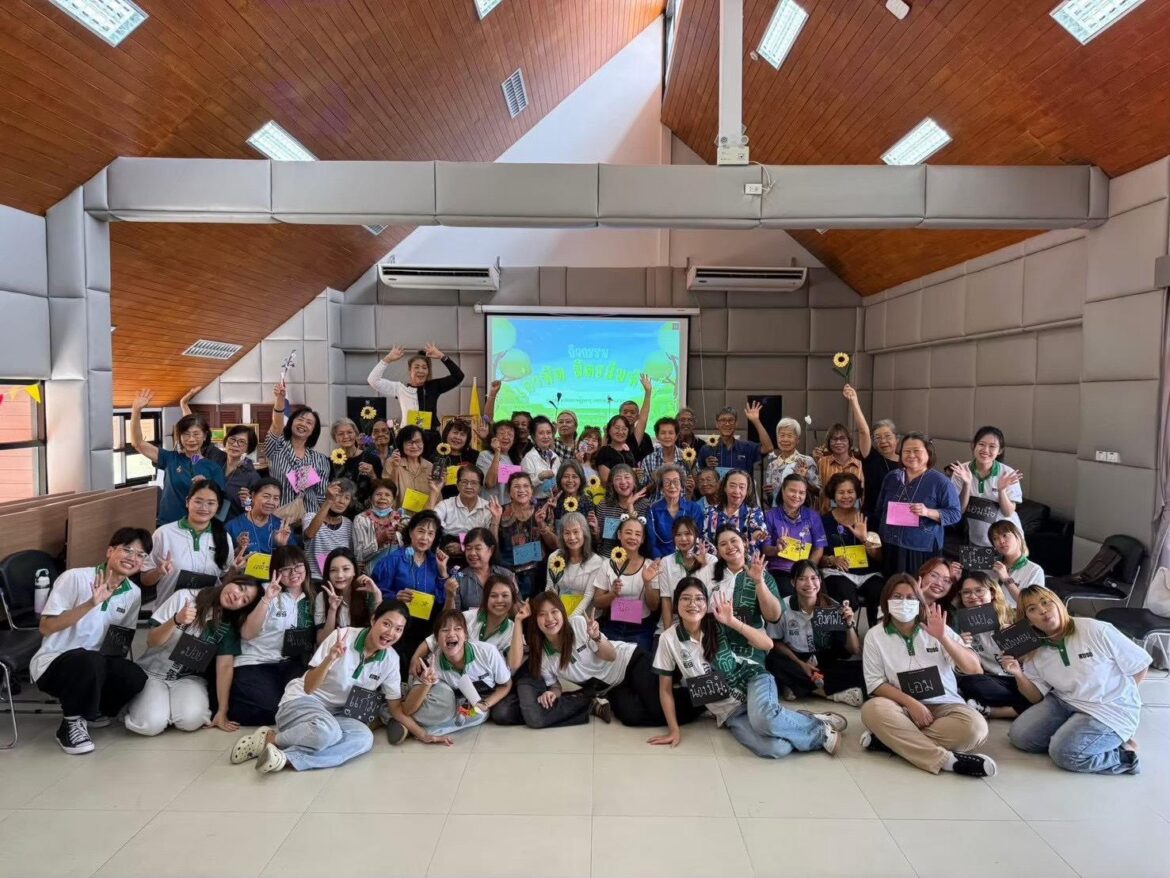
The Department of Psychology organized this project to enhance the quality of life of elderly individuals and to emphasize the importance of lifelong learning in aging populations. The initiative integrates psychological knowledge to promote both physical and mental well-being. The activity was conducted at the Elderly Potential Development Center, Saensuk Municipality, Chonburi. This project aligns with SDG 3: Good Health and Well-being, with a focus on promoting healthy aging and improving overall well-being within the community.
The aims:
1.To enhance the quality of life of elderly participants by promoting their physical health, mental well-being, and active engagement in recreational and social activities within a supportive community environment.
2.To raise awareness of the importance of lifelong learning among the elderly and to encourage their continuous participation in meaningful activities that support cognitive stimulation, emotional resilience, and social interaction.
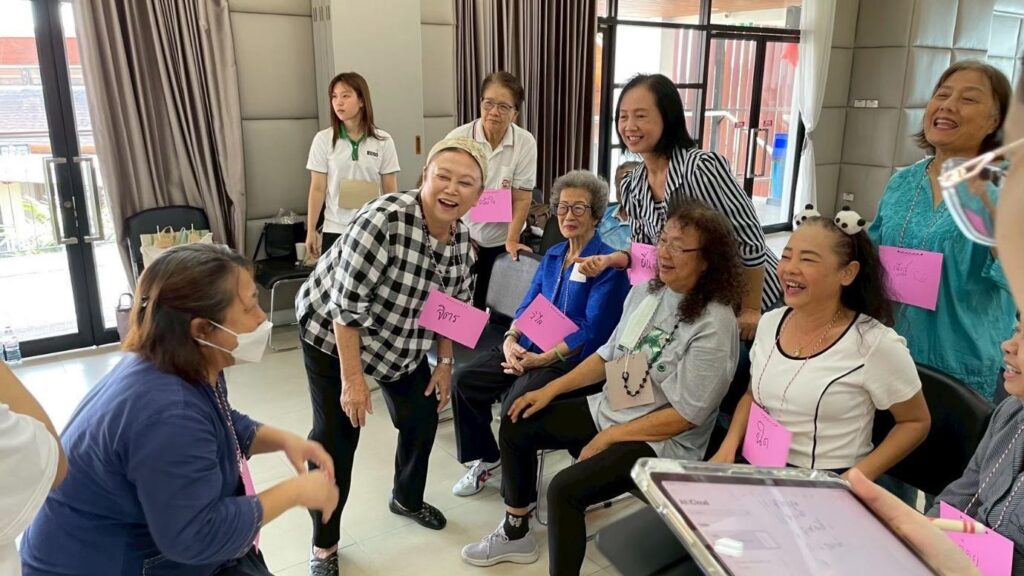
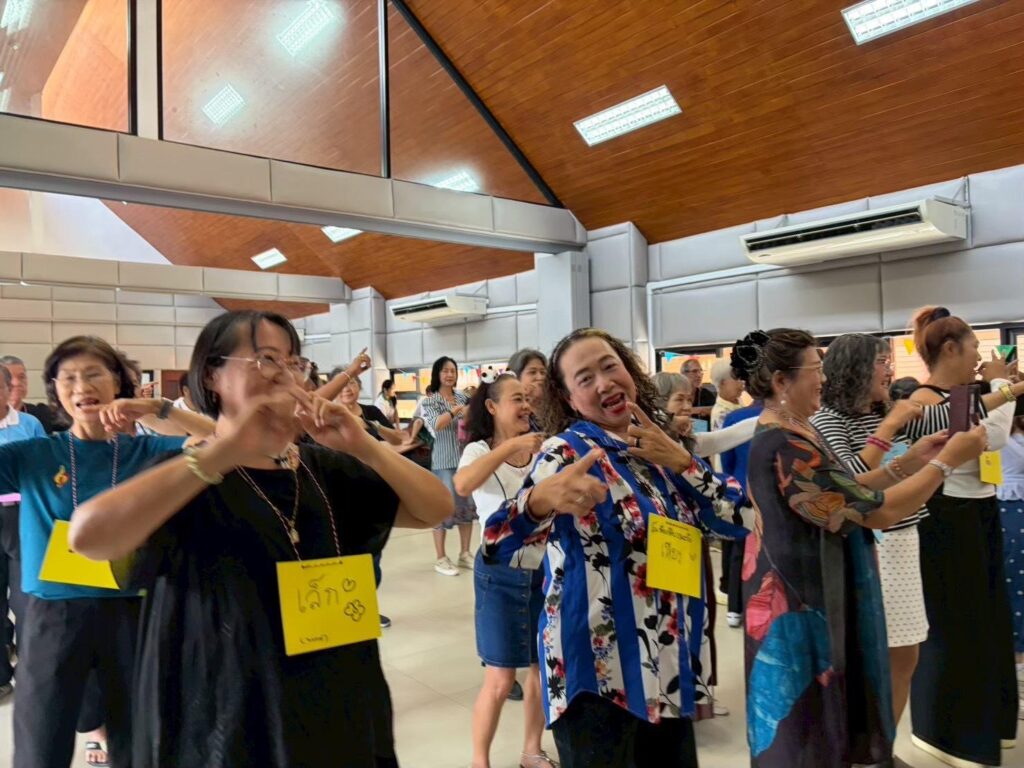
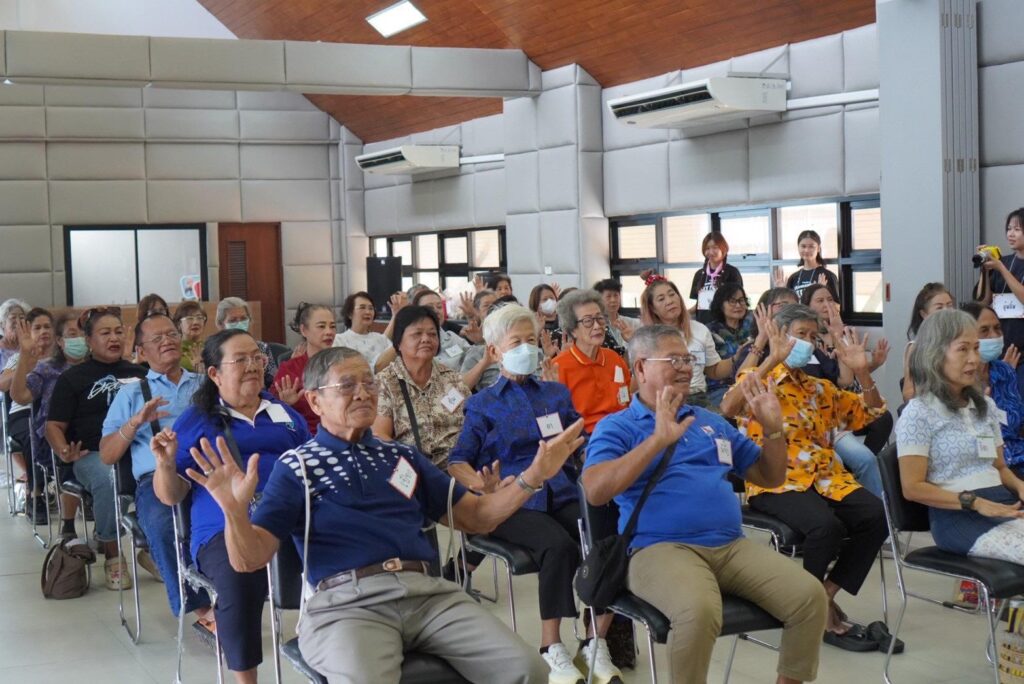
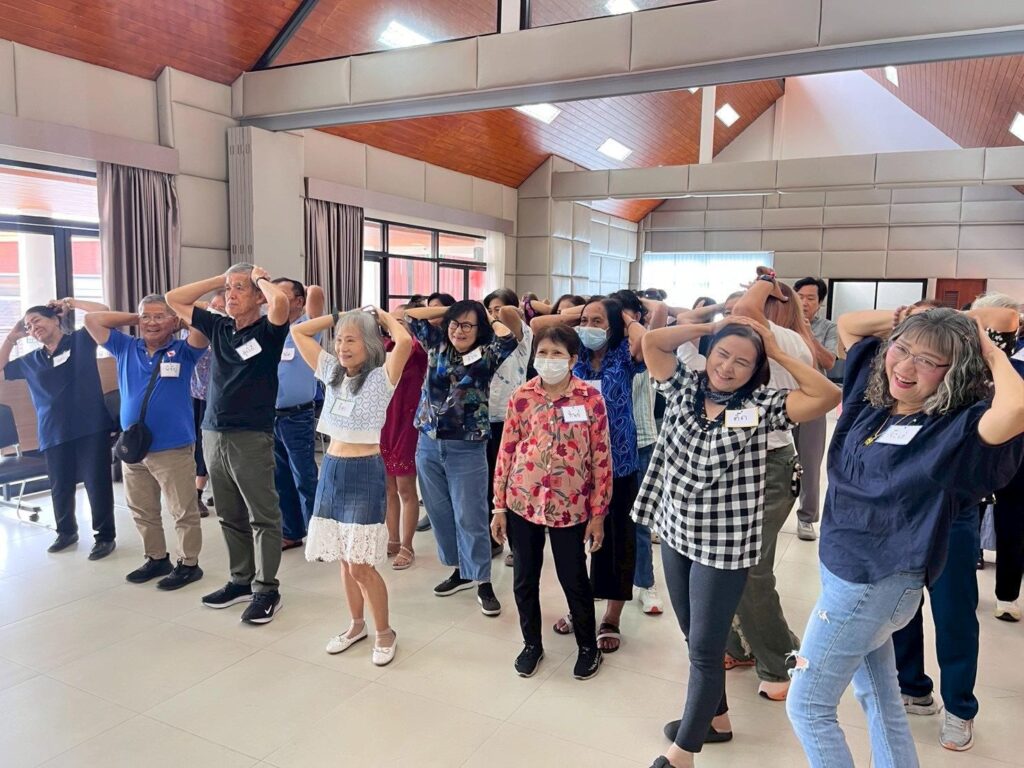
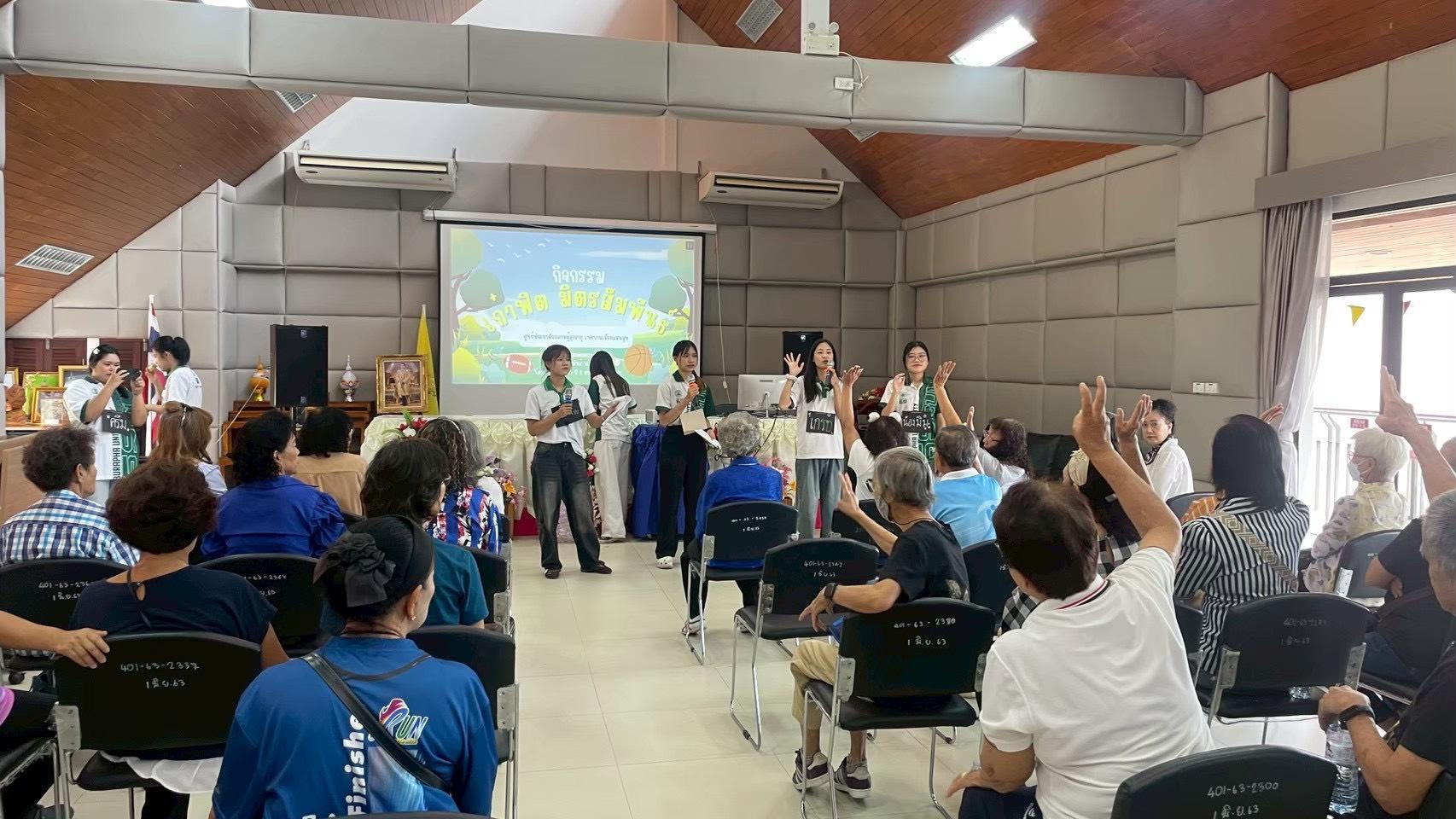
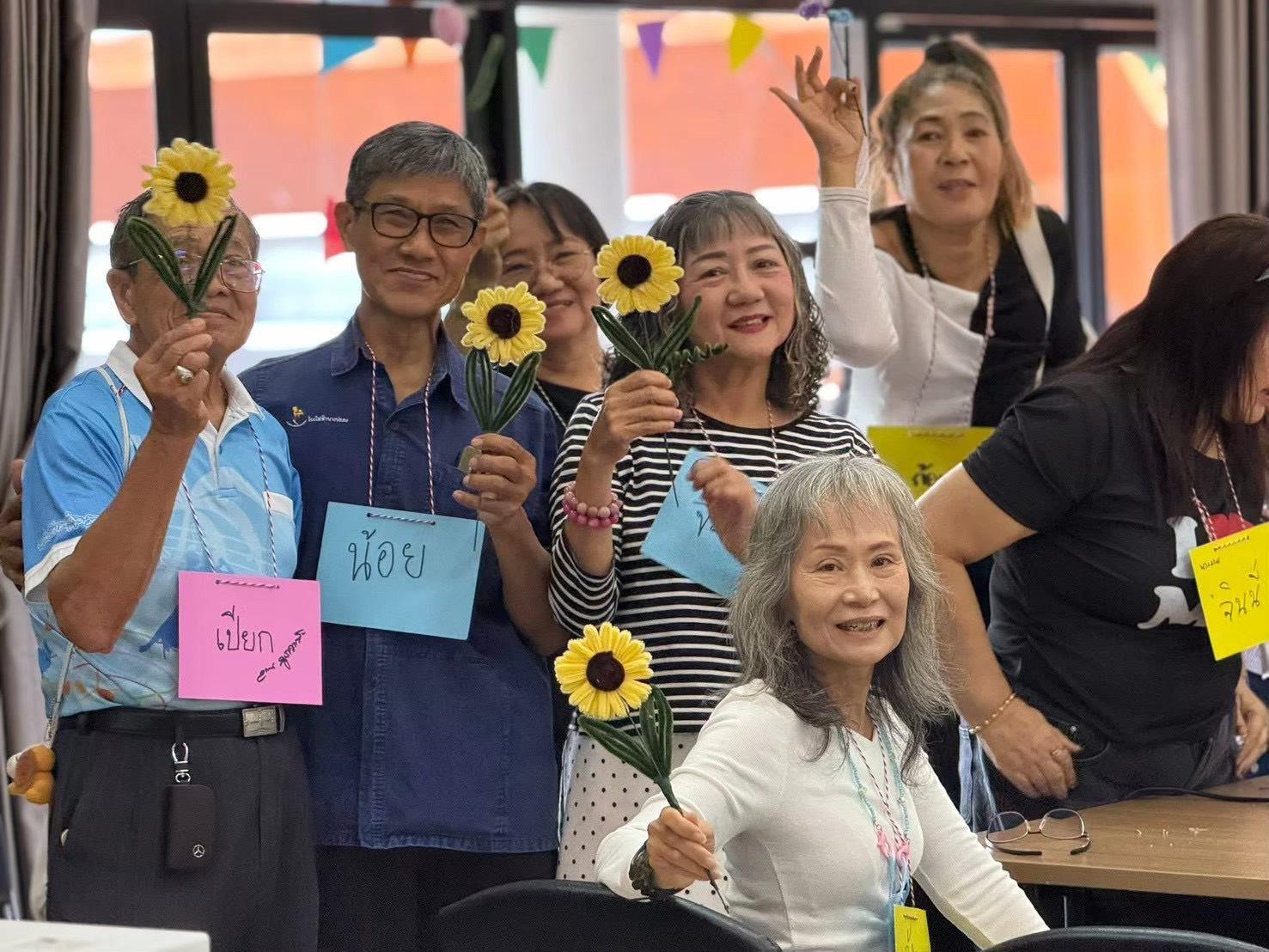
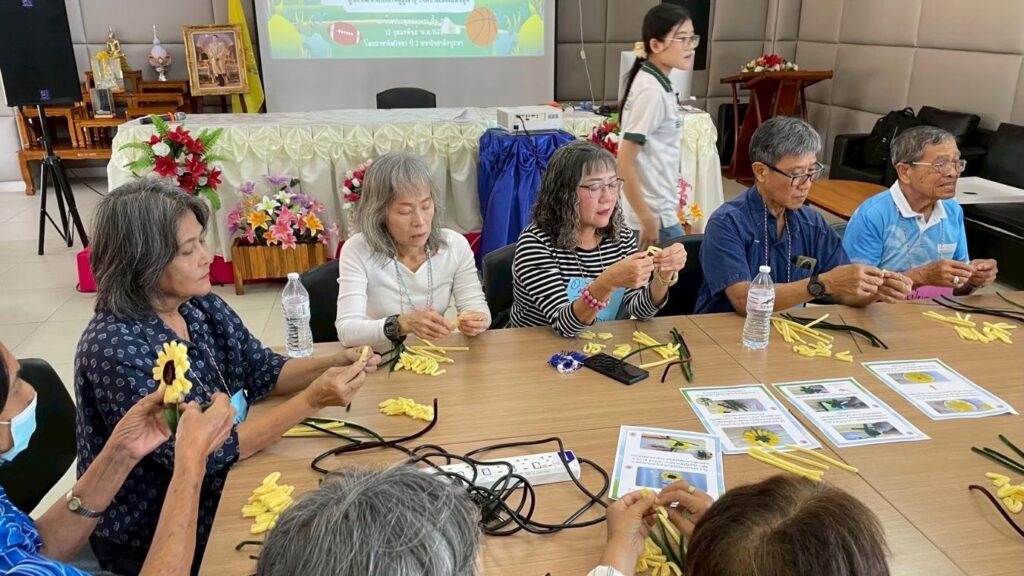
The project was implemented through interactive and participatory activities designed to actively engage elderly participants. Participants were divided into four groups and rotated across multiple activity stations to ensure inclusive participation in all sessions. The activities integrated both physical and cognitive engagement, including word guessing games, message relay activities, and ball coordination and color-sorting exercises to promote cognitive stimulation and motor skills. In addition, creative and relaxing activities such as crafting artificial flowers from yarn and decorating herbal sachets were incorporated to enhance fine motor skills and emotional well-being. The program also included meditation and mindfulness practices to support mental relaxation and inner balance. Across both sessions, all participants actively engaged in the activities, fostering a positive, lively atmosphere filled with enjoyment, relaxation, happiness, and meaningful social interaction.
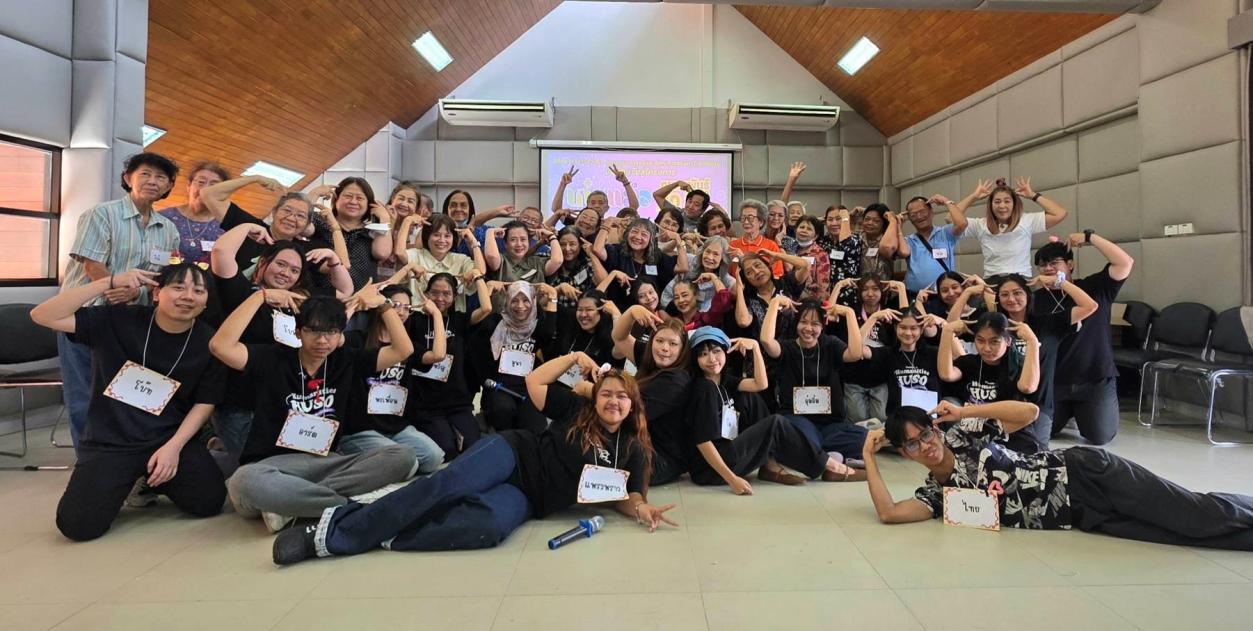
The project contributed to improving both physical and mental well-being among elderly participants through a combination of recreational, cognitive, and mindfulness-based activities. It fostered social interaction, reduced feelings of isolation, and encouraged active engagement in lifelong learning.
Furthermore, the project demonstrated the practical application of psychological knowledge in community service, thereby strengthening university–community engagement and promoting sustainable well-being among the elderly.