Modern industries are rapidly transforming under the pressures of technology disruption, environmental challenges, and energy transitions. Developing a workforce with engineering, innovation, and systems-thinking skills has become essential for national development.
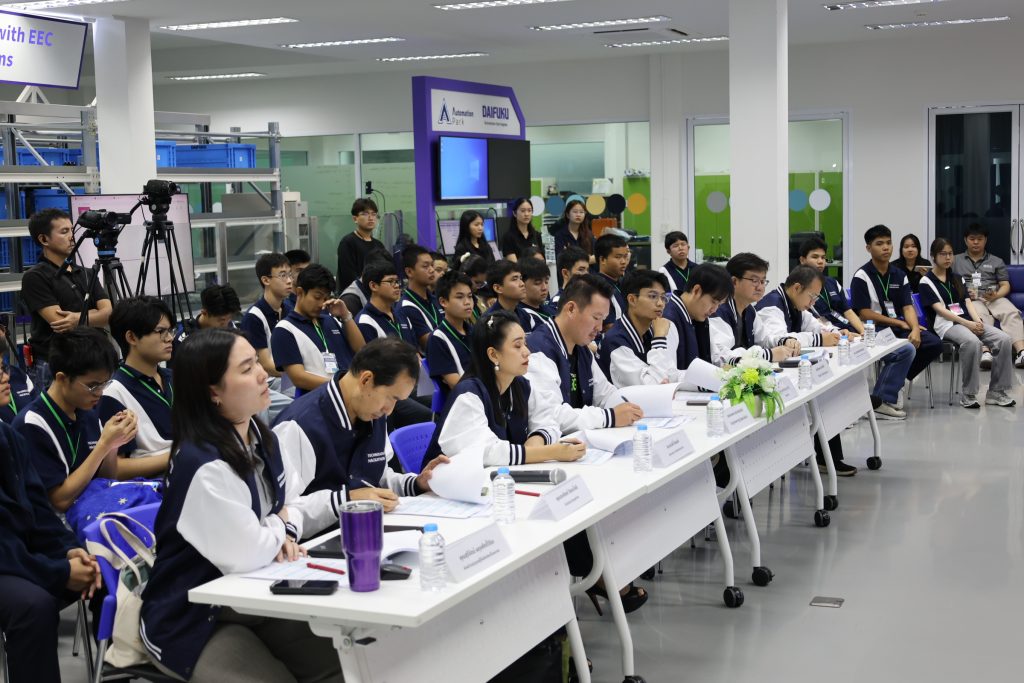
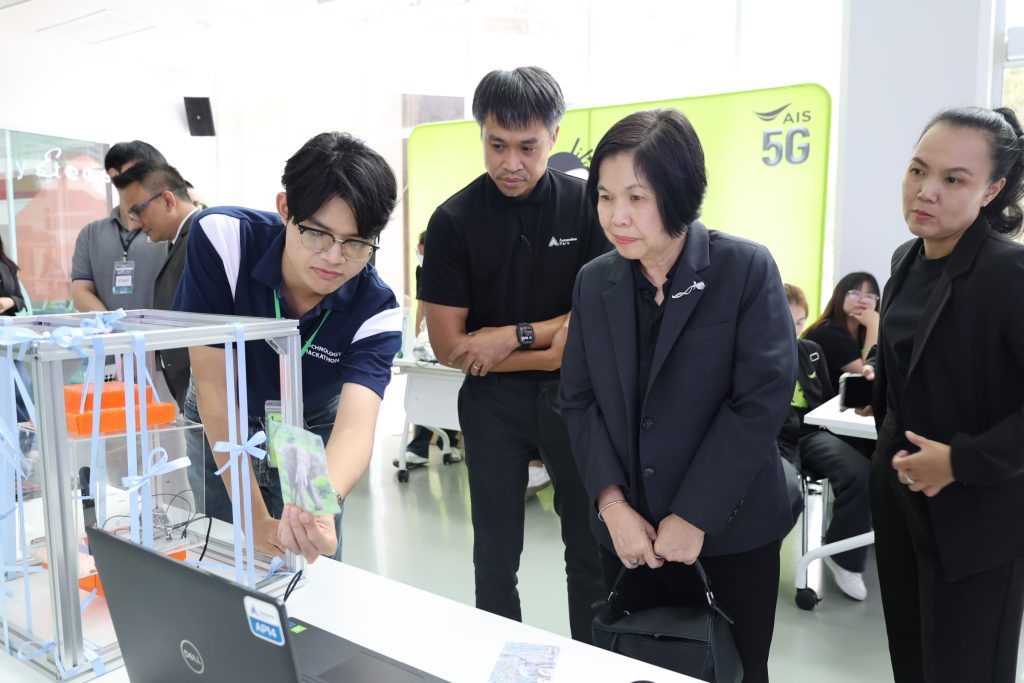
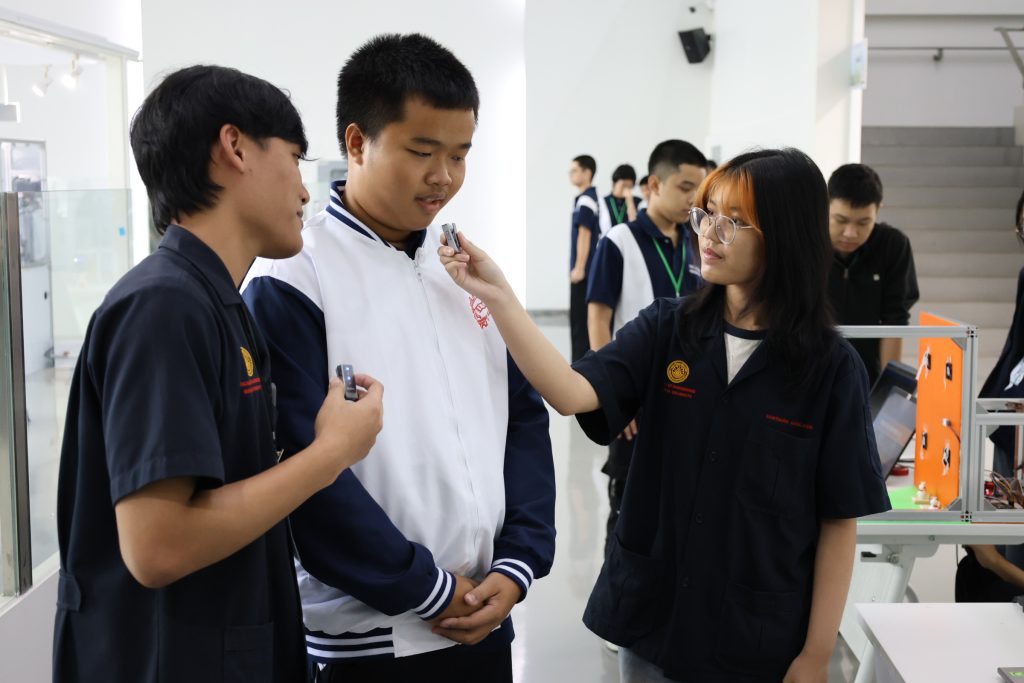
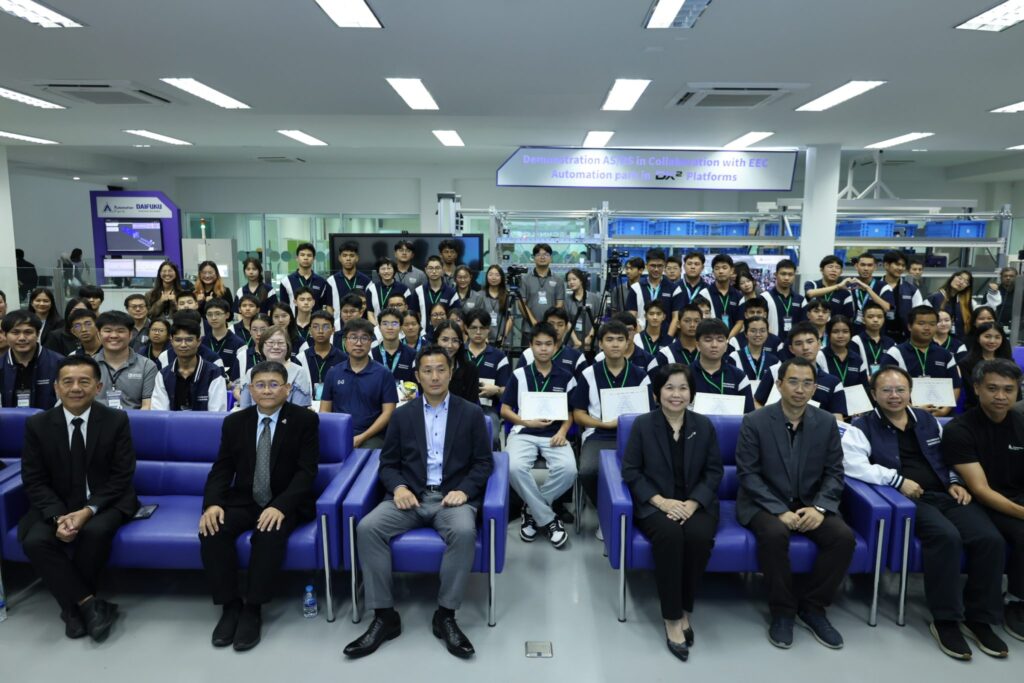
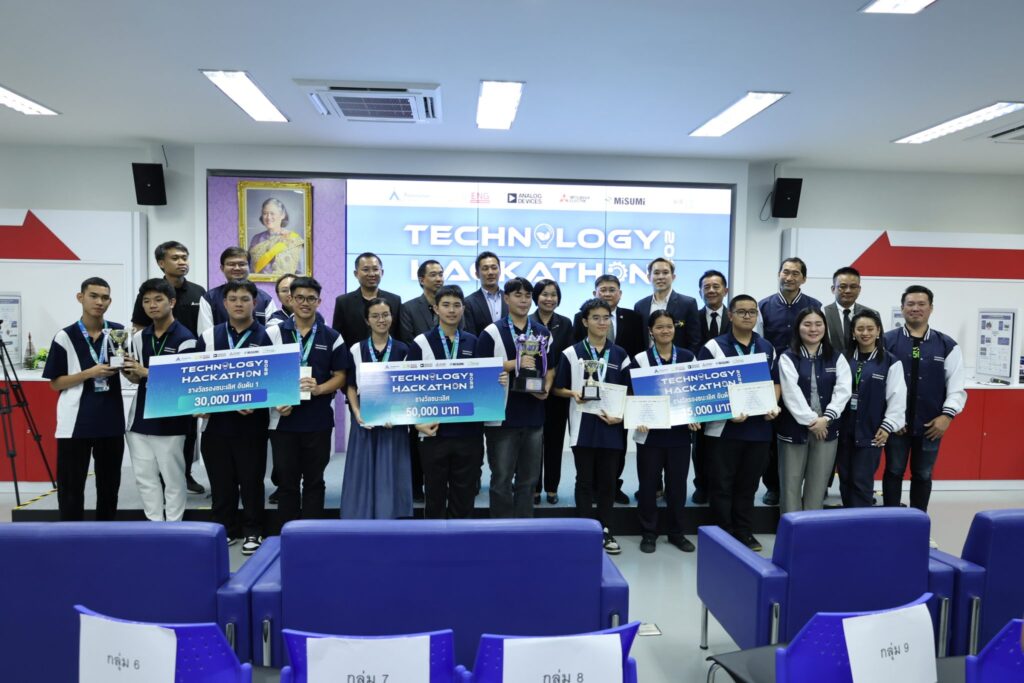
The Technology Hackathon 2025—organised by EEC Automation Park, Faculty of Engineering, Burapha University—created a hands-on learning space for upper secondary and vocational (certificate-level) students to develop smart innovations addressing sustainability challenges in the environment and energy sectors. With strong industry collaboration, the project contributes to building an innovation ecosystem, strengthening human capital, and supporting sustainable industrial development in the EEC and beyond.
Project Coordinator: EEC Automation Park
Objectives:
- To promote hands-on learning in engineering, technology, and innovation
- To develop design thinking, teamwork, and engineering problem-solving skills
- To create innovation prototypes with potential for real industrial application
- To strengthen collaboration among the university, industry partners, and youth communities
- To cultivate the mindset of using technology for sustainable development
Program Activities:
The program used a blended learning approach: starting with an online bootcamp to build foundations, followed by an onsite workshop at EEC Automation Park for practical training, and culminating in a 32-hour continuous hackathon.
Teams developed prototypes under defined challenges, supported by mentors from the Faculty of Engineering and industry experts who provided technical guidance and design-process coaching—leading to prototypes that could be presented and evaluated.
Expected Outcomes (Impacts):
Technology Hackathon 2025 generated concrete positive impacts across multiple dimensions:
- Human Capital Development: Participants built skills in engineering, digital technology, IoT, automation, and innovation through real practice—aligned with modern industry needs.
- Innovation Outcomes: The project produced prototypes addressing sustainability and safety challenges, such as smart rice field monitoring, fire-response systems, and intelligent energy solutions—demonstrating strong youth potential for real-world technology development.
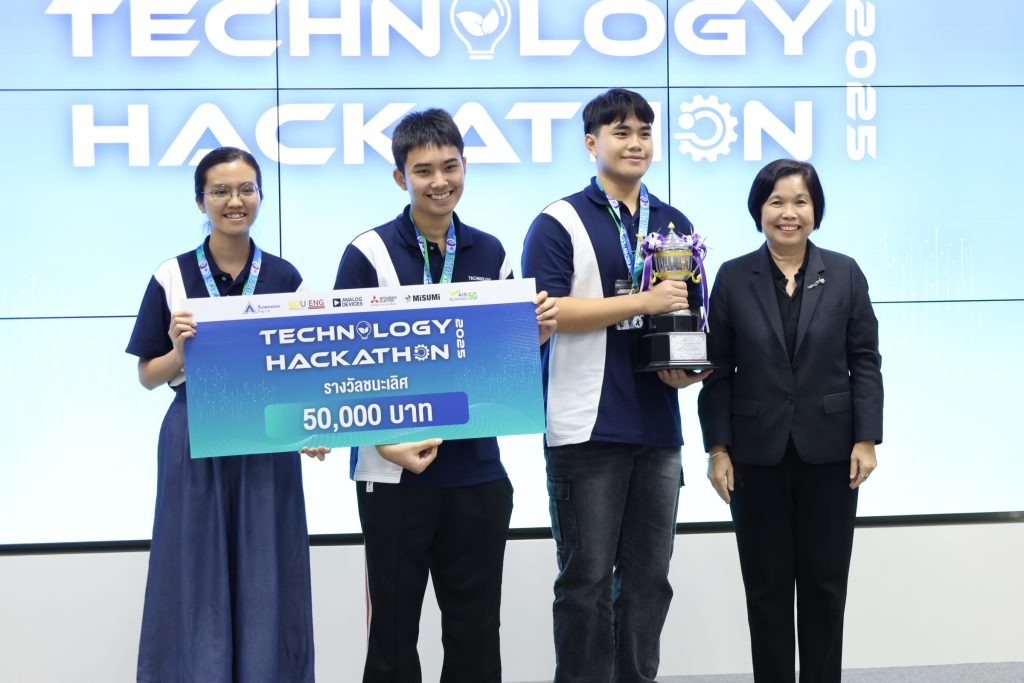
- Industry and Economic Linkages: Industry partners helped bridge academia and practice through mentorship and opportunities for continuation—especially for winning teams who presented to industry leaders, supporting future commercialisation pathways.
- Social and Sustainability Value: The program nurtured a “technology for society and the environment” mindset, aligning with SDG 9 (Industry, Innovation and Infrastructure) and the Faculty’s sustainability-driven vision.
Date of Implementation: October 31, 2025