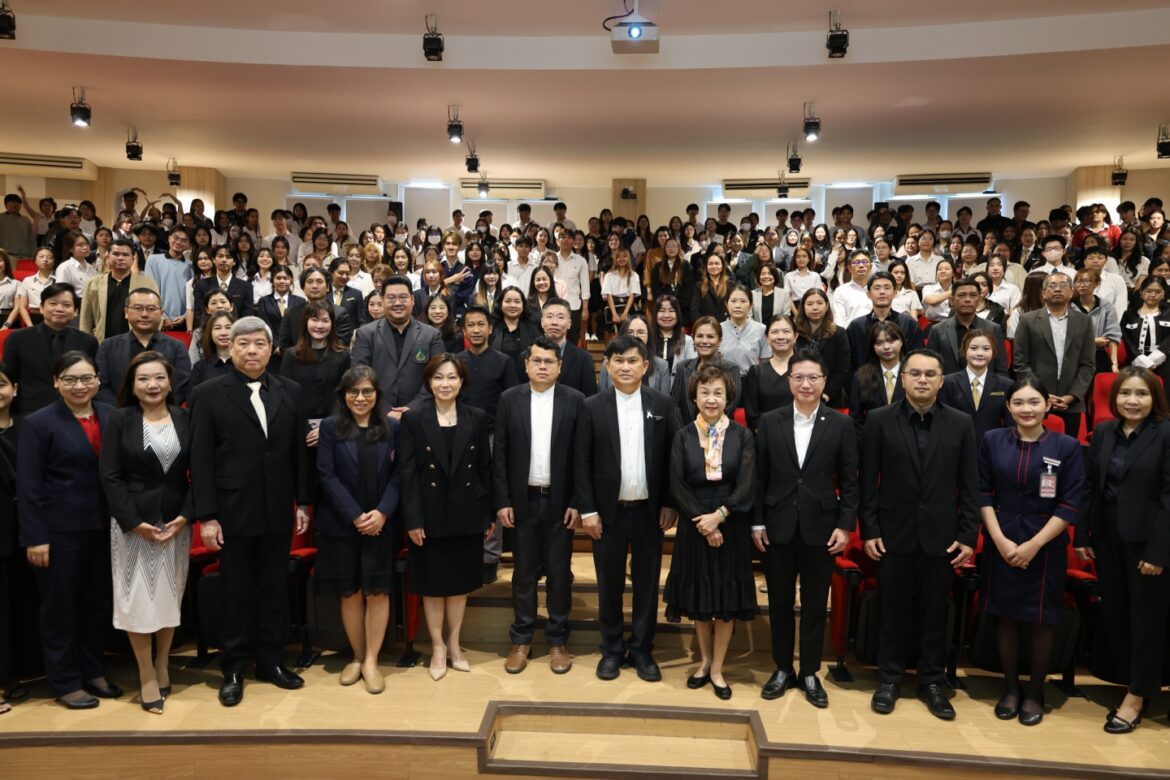
In the context of rapid technological advancement and structural transformation of industries, higher education institutions are required to continuously adapt their teaching and learning models to meet the evolving demands of the labor market. This challenge is particularly significant in the Eastern Economic Corridor (EEC), a strategic area designated to drive Thailand’s industrial and economic development. Consequently, universities play a crucial role in producing high-competency graduates equipped with both academic knowledge and practical skills relevant to real-world work environments. This workshop was organized to enhance understanding of Cooperative and Work Integrated Education (CWIE) among higher education institutions and industry partners, while promoting active participation in curriculum development, learning management, and policy-level scaling. The initiative aims to support the production of qualified graduates who meet labor market needs and contribute to sustainable national development, in alignment with the Sustainable Development Goals (SDGs), particularly Quality Education (SDG 4) and Decent Work and Economic Growth (SDG 8).
Objectives
To enhance understanding of CWIE policies, frameworks, and operational guidelines among higher education institutions and enterprises.
To strengthen the capacity of academic staff in designing and managing CWIE curricula that integrate learning with real-world work experiences.
To promote collaboration among universities, government agencies, and industry sectors in developing high-competency human resources.
To support the production of high-competency workforce aligned with the needs of industries in the EEC, contributing to sustainable economic and social development.
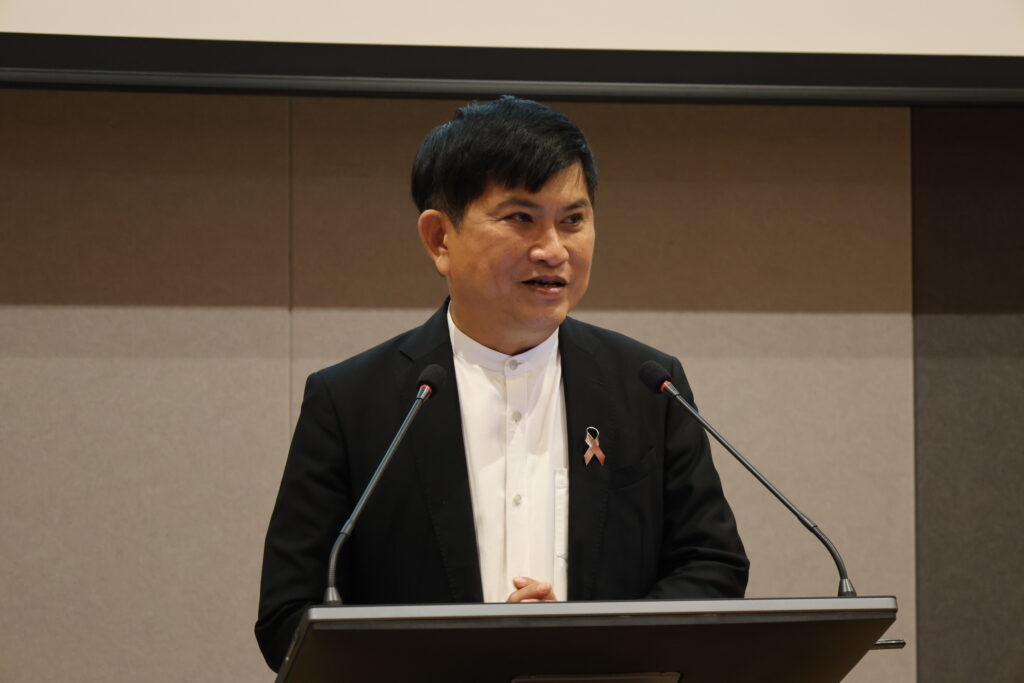
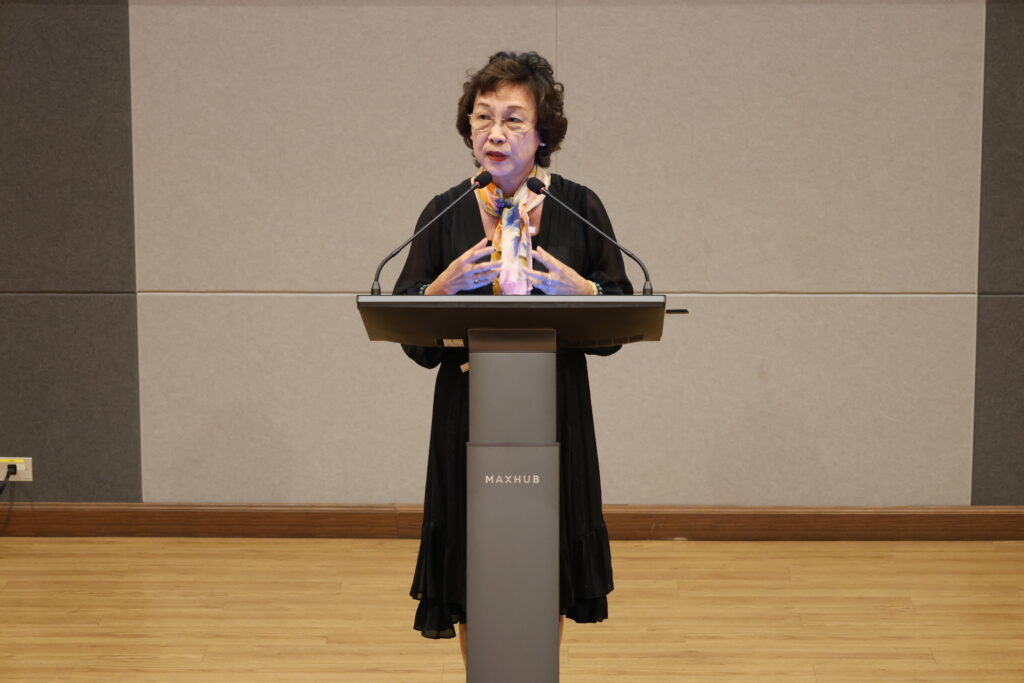
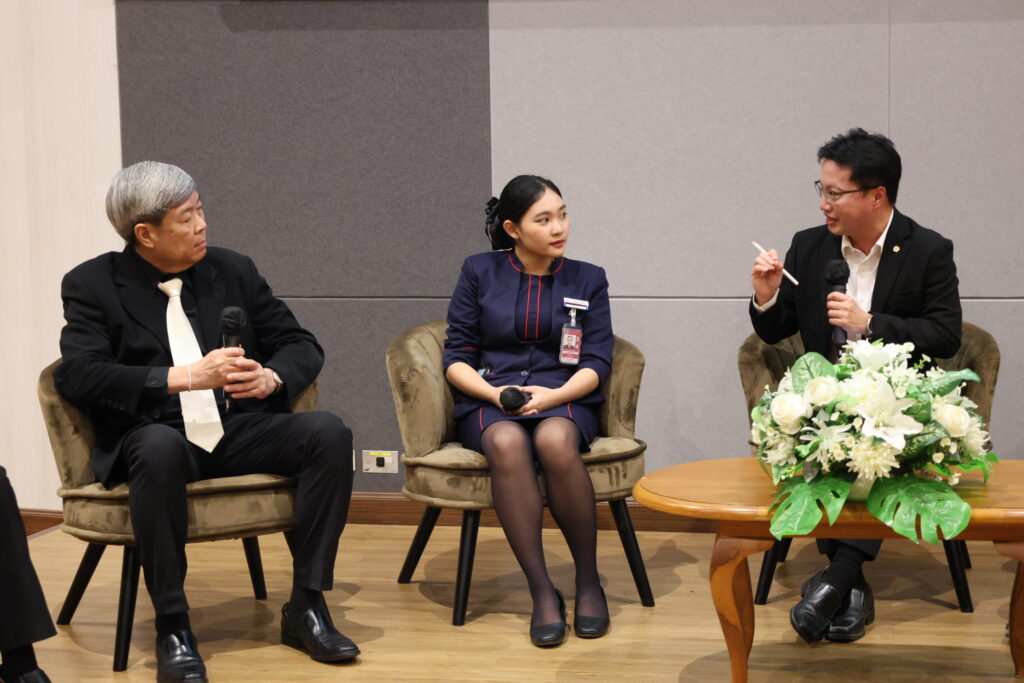
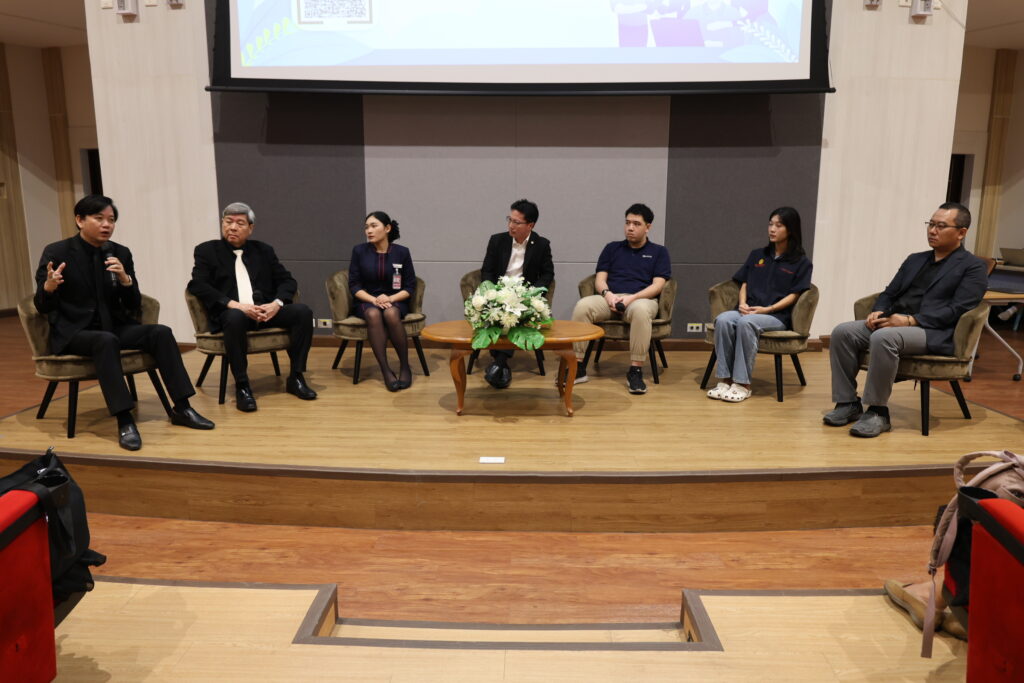
The project was conducted in the form of a workshop comprising keynote lectures on CWIE platforms and curriculum standards, providing participants with policy-level and practical insights into effective CWIE implementation. Experience-sharing sessions from industry representatives were organized to reflect workforce expectations and best practices in preparing students for professional careers. In addition, group activities were arranged to develop CWIE project proposals for the Fiscal Year 2026, with senior academics serving as mentors to provide academic and practical guidance. These collaborative learning processes fostered mutual understanding and strengthened partnerships between higher education institutions and industry, which are fundamental to the CWIE approach and consistent with the spirit of multi-stakeholder partnerships under SDG 17.
The workshop generated tangible positive impacts on higher education management and workforce development. Participants gained clearer and deeper understanding of CWIE principles and were able to apply this knowledge to curriculum development and teaching practices aligned with real working environments. The project also facilitated the establishment of collaborative networks among higher education institutions, industry partners, and government agencies in the Eastern region. As a result, graduate quality was enhanced, employability opportunities for students were increased, and alignment between education and labor market demands was strengthened. Moreover, the project reinforced the role of Burapha University, particularly the Faculty of Engineering, as a regional hub for high-competency workforce development, contributing to Quality Education (SDG 4), Decent Work and Economic Growth (SDG 8), and Partnerships for the Goals (SDG 17) in support of sustainable development.
Project Date: 4 December 2025
Faculty of Engineering, Burapha University