The Faculty of Informatics at Burapha University is committed to enhancing the quality of education and research to meet international standards. A core mission of the Faculty is to develop strong collaborative networks with leading higher education institutions worldwide, thereby providing opportunities for faculty members, staff, and students to strengthen their academic, research, and innovation capabilities continuously. To support this mission, the Faculty of Informatics has signed academic Memoranda of Understanding (MOUs) with Chiba University and Tokyo Metropolitan University (TMU).
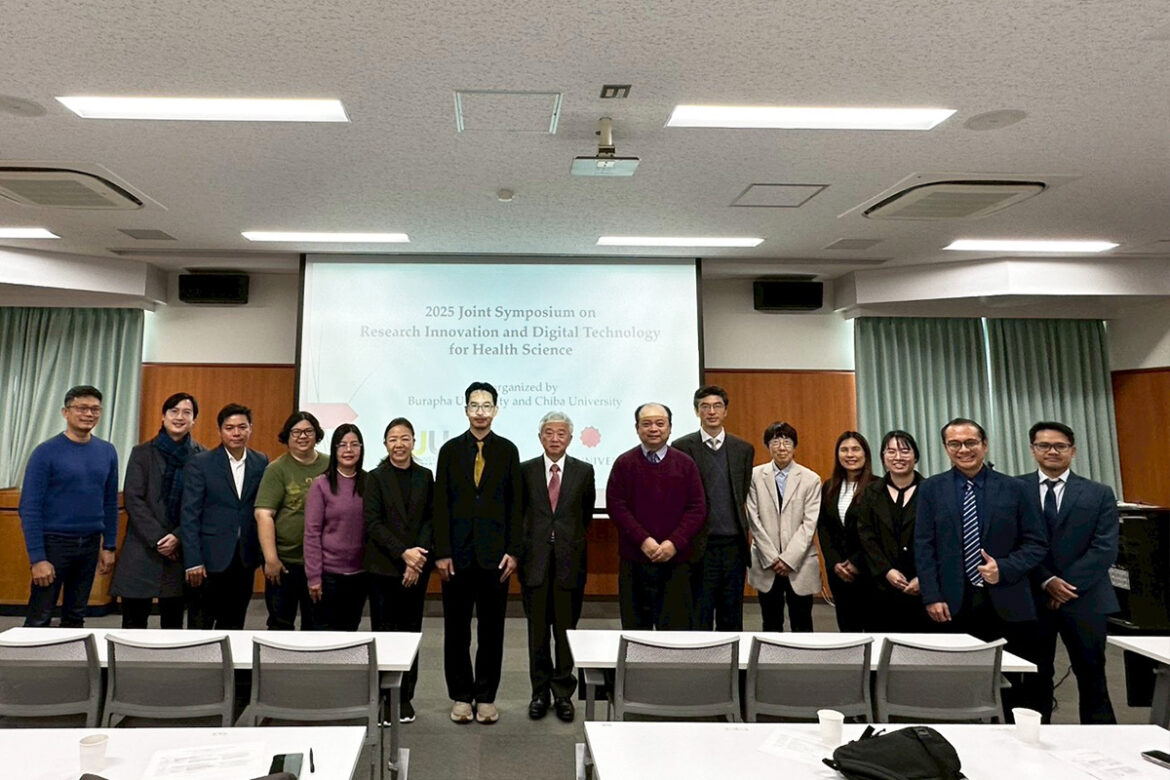
These agreements cover key areas, including student and staff exchanges, joint research initiatives, academic conferences, and the exchange of educational information and expertise. Chiba University invited the Faculty to participate in the Symposium on Research Innovation and Digital Technology for Health Science and coordinated a meeting with TMU’s executive leadership during 18–22 November 2025. The purpose of these visits was to discuss and establish operational plans for activities under the existing MOUs. This visit represents an important step in advancing Burapha University’s academic and research collaborations on the international stage and in strengthening long-term strategic partnerships with globally recognised institutions.
Project Coordinator: Asst.Prof. Peerasak Pianprasit
Objectives:
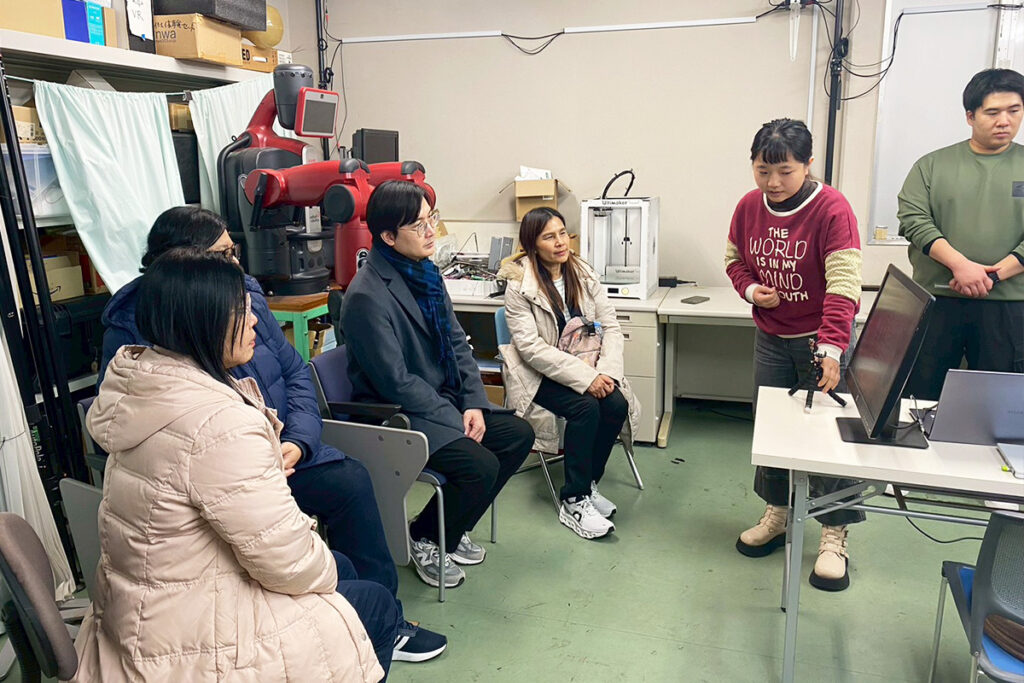
- To strengthen academic collaboration in research and innovation with strategic partner networks.
- To enhance the international skills, competencies, and experiences of students and staff through various exchange programs.
- To elevate the quality of research and innovation outputs that can be transferred and applied for the benefit of society.
Program Activities:
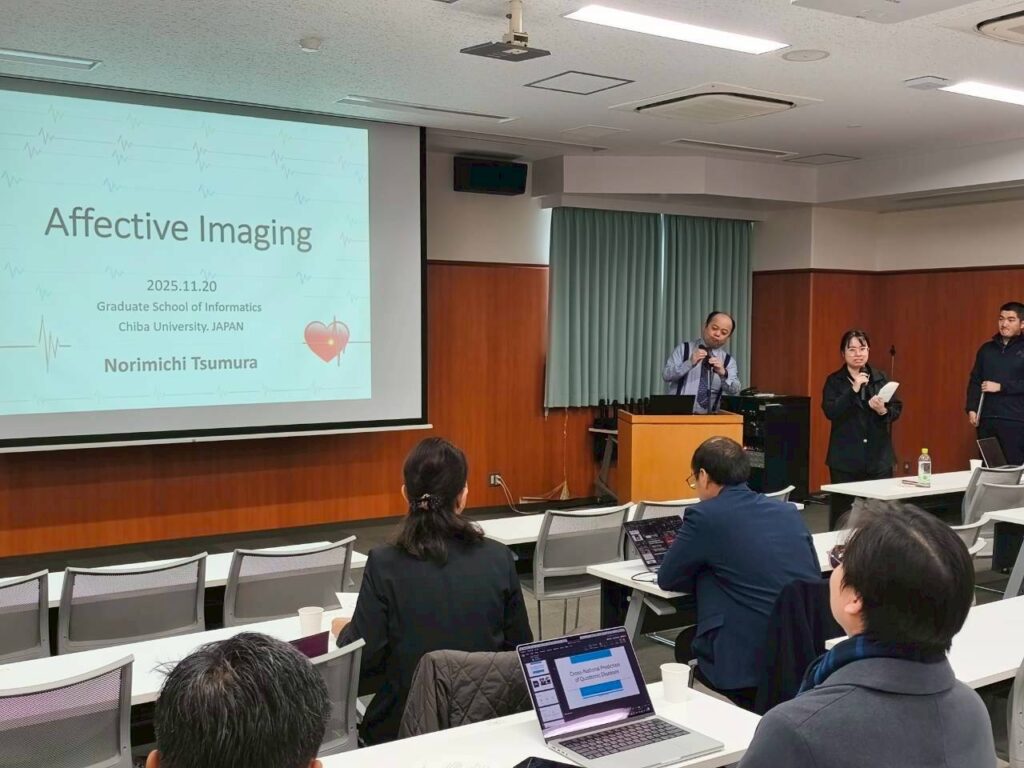
The Faculty of Informatics, Burapha University, participated in the Symposium on Innovation & Digital Technology on 20 November 2025, an essential platform for exchanging knowledge on digital innovation with leading partner universities in Japan. During the visit, the Faculty also met with Chiba University—ranked among the Top 300 universities in the Times Higher Education Asia University Rankings—discussing activities under the existing academic Memorandum of Understanding (MOU) between the institutions.
These include student and staff mobility programs such as Research Internships, the Engine Program, and the Sakura Program, aimed at strengthening students’ and staff’s international competencies and global experience. This collaboration plays a crucial role in advancing the Faculty’s mission aligned with SDG 9: Industry, Innovation and Infrastructure, through international cooperation and the development of advanced digital skills. It supports the expansion of expertise in digital technology, fosters innovation, and contributes to developing a digital workforce that meets the demands of modern industries, thereby enhancing the country’s technological capacity.
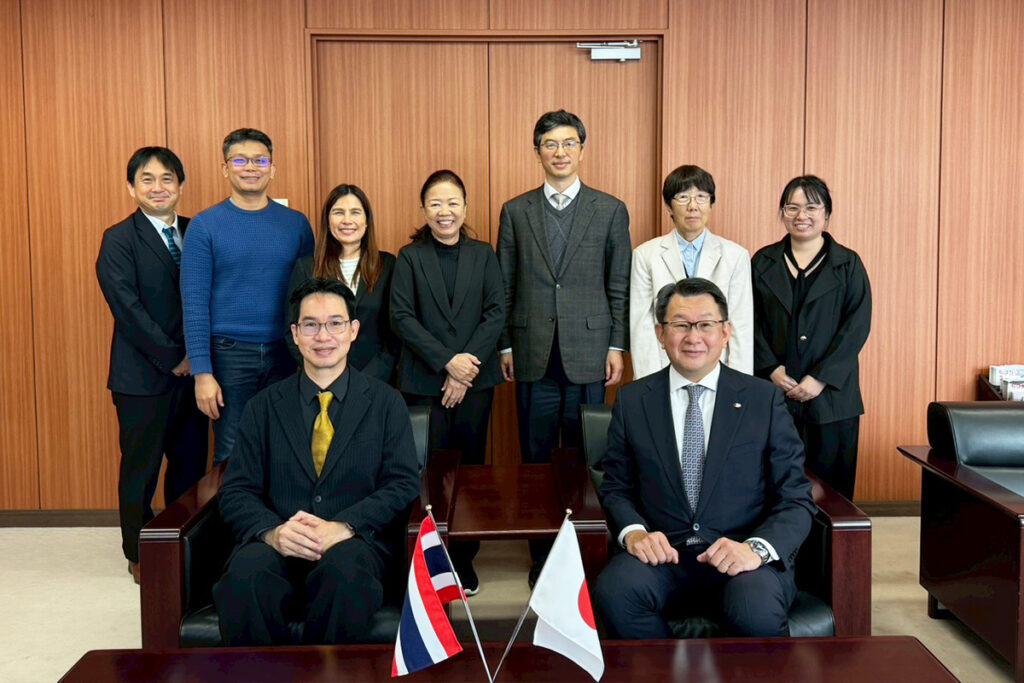
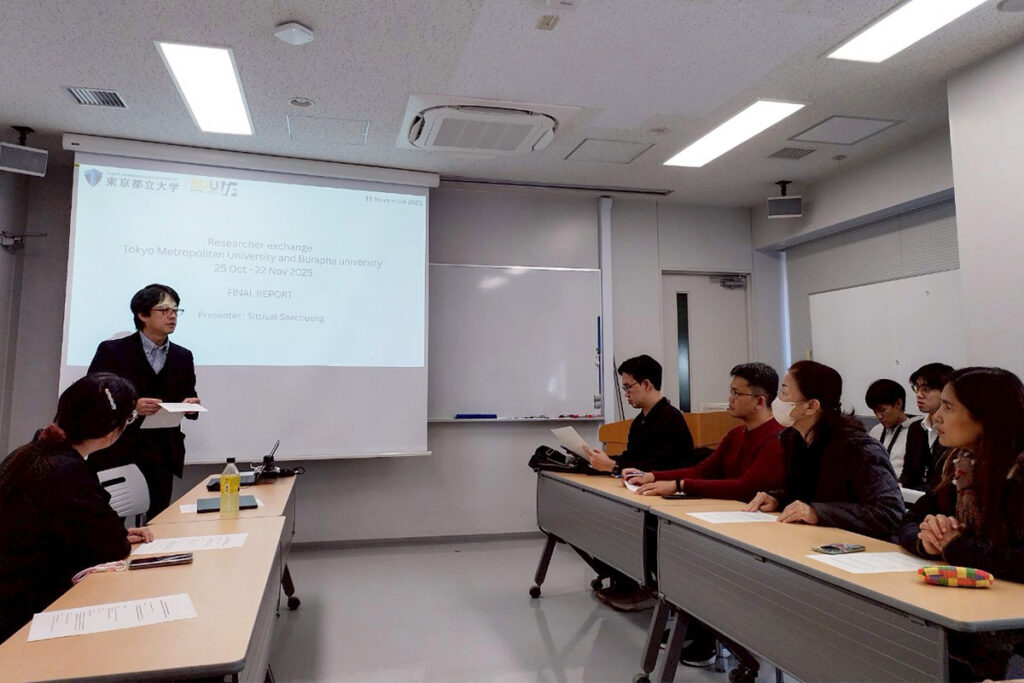
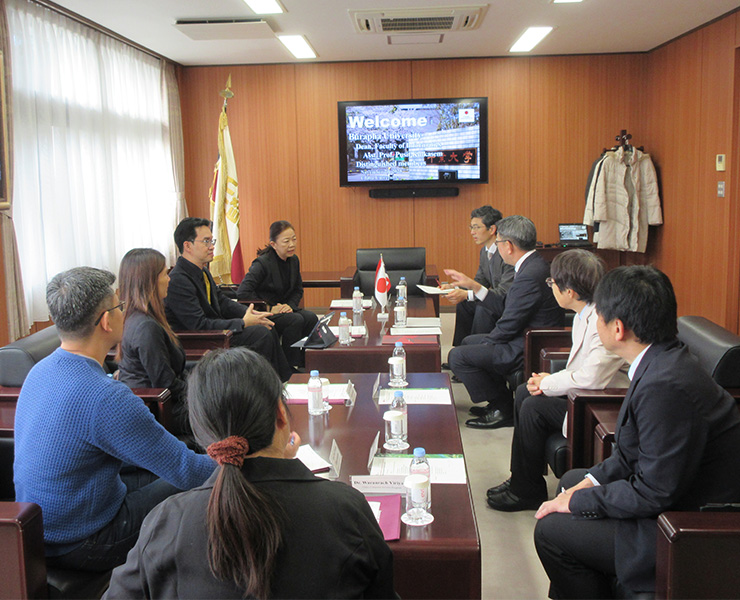
In addition, the Faculty visited Tokyo Metropolitan University (TMU) to review the progress of the Co-Research Program between the two institutions. Discussions included the potential expansion of TMU faculty members’ participation in the coming year, as well as the enhancement of joint innovation. They applied research activities to generate outcomes that can be transferred and utilised for the benefit of various sectors of society.
During the same visit, a joint planning meeting was held to prepare for the 17th International Conference on Knowledge and Smart Technology (KST 2027), which will be hosted at the Minami-Osawa Campus in Japan and co-hosted by TMU, with technical support from the IEEE Japan Section. This initiative strengthens international academic collaboration, facilitates knowledge exchange, and fosters a robust research and innovation network—aligning closely with the goals of SDG 17: Partnerships for the Goals.
Expected Outcomes (Impacts):
Collectively, these activities reflect the Faculty of Informatics’ strong commitment to strengthening research excellence, innovation capacity, and digital human capital development in alignment with global standards. They also reinforce long-term strategic partnerships with world-class universities and organisations, enabling the exchange of knowledge, research outputs, and emerging technologies that support sustainable national development. Through these collaborations, the faculty actively contributes to enhancing Thailand’s technological capabilities and digital competitiveness on the international stage.
Date of Implementation: Nov 18-22, 2025