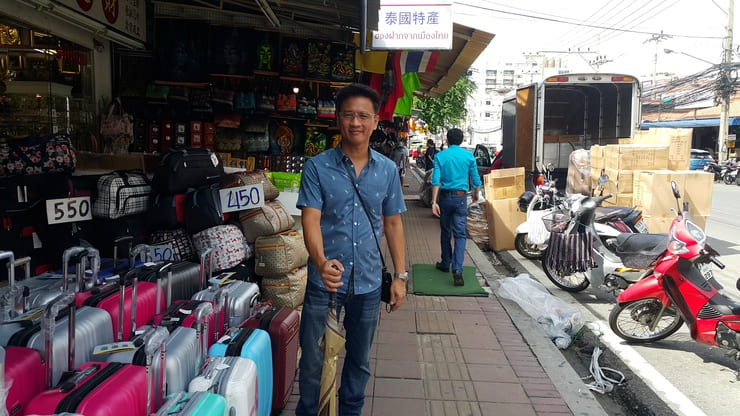
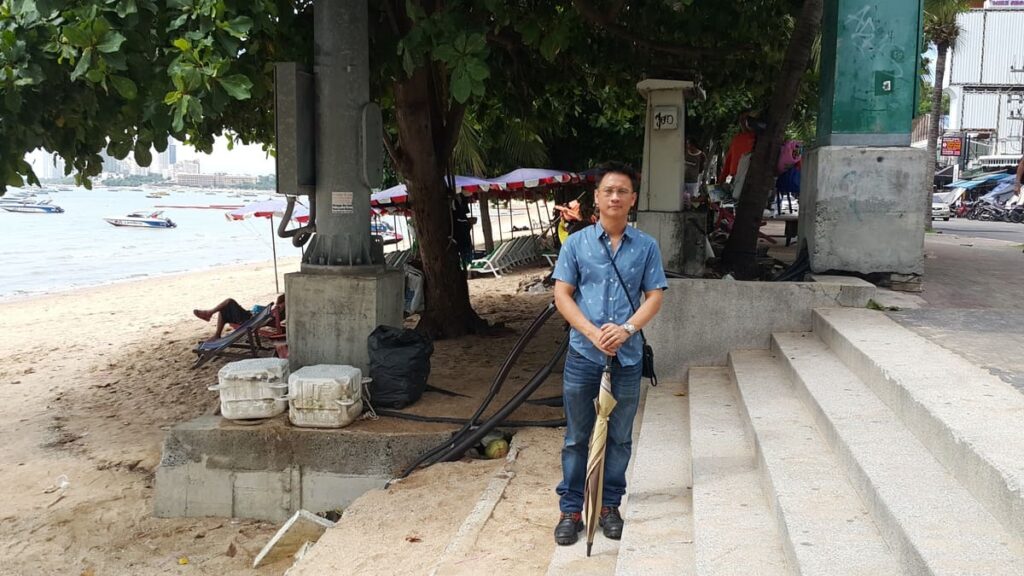
Pattaya, a special administrative district in Chonburi Province, Eastern Thailand, is one of the country’s most well-known tourist destinations. However, the city faces significant challenges in ensuring a safe and trustworthy environment for international visitors. Reports of overcharging by transport operators and vendors, scams targeting tourists, theft, robbery, and even incidents of assault and drugging in nightlife venues have severely impacted Pattaya’s reputation. These issues harm individual tourists and discourage international travellers from visiting Thailand, particularly Pattaya.
This research project seeks to examine the perspectives of key stakeholders on how communication strategies can be employed to prevent harm to international tourists and to drive Pattaya toward becoming a sustainably livable tourist city. The project strengthens urban safety, promotes ethical economic practices, and aligns local tourism development with sustainability principles.
Project Coordinator: Assoc. Prof. Dr. Songyot Buaphuean
Objectives:
- To study the perspectives of key stakeholders—including Pattaya police officers, foreign volunteer tourist police, national media, administrative officials (provincial and district levels), rescue volunteers, international tourists, representatives from the Ministry of Social Development and Human Security (Chonburi), and foreign embassies/consulates—on preventive communication strategies to safeguard international tourists in Pattaya.
- To explore the views of policymakers and local leaders—including members of parliament (Chonburi), Pattaya city administrators, the Pattaya Business and Tourism Association, local media, NGOs, Smart City and urban planning experts, environmental specialists, and administrative authorities—on communication strategies to transform Pattaya into a sustainably livable tourist city.
Program Activities:
This project adopts a qualitative research approach, employing in-depth interviews with two groups of key informants:
- Group 1: Seven informants focusing on strategies for preventing harm against international tourists in Pattaya.
- Group 2: Seven informants focusing on communication strategies to advance Pattaya toward a sustainably livable city.
Expected Outcomes (Impacts):
- Economic Impact: Enhanced tourist safety will help attract more international travellers, particularly “high-end tourists,” strengthening Pattaya’s financial resilience.
- Social Impact: Tourists will benefit from greater protection of life and property. Beyond material value, safeguarding sentimental and irreplaceable possessions reinforces trust and well-being. The research outcomes will provide policymakers and the community with knowledge to promote justice and security (SDG 16).
- Environmental Impact: The study highlights the importance of integrating ecological awareness into urban planning and development. This includes ecosystem management, energy use, and flood prevention, contributing directly to Pattaya’s transformation into a sustainable city (SDG 11).
In summary, this project provides evidence-based insights for Pattaya’s administrators to develop protective measures for tourists and apply sustainable urban development strategies, ensuring that Pattaya grows as a safe, inclusive, and sustainable global tourist destination.
Date of Implementation: From October 1, 2024, to March 31, 2026