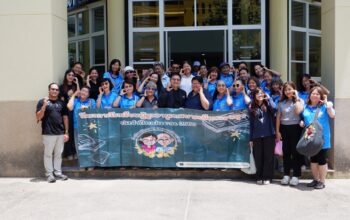

In today’s digital era, graphic design and visual media creation have become essential skills across education, business, communication, and creative industries. Adobe Photoshop, in particular, is the world’s most widely used standard software for image editing and graphic design. Many learners—including students, professionals, and the general public—seek to improve their Photoshop skills to create high-quality works. Developing an online course titled “Using Adobe Photoshop” in the format of a MOOC (Massive Open Online Course) is therefore significant, as it provides an open, accessible, and flexible learning platform without limitations of time or place. Learners can study at their own pace, which helps reduce resource and time constraints. This also supports the principle of lifelong learning, which is increasingly emphasised by both society and universities. Furthermore, the project enhances learners’ digital skills, aligning with current labour market demands for professionals capable of producing digital media at a professional level. It also strengthens the university’s reputation as a center for educational innovation and contributes to Sustainable Development Goal 4 (SDG4), which focuses on ensuring equitable access to quality education.
Project Coordinator: Dr. Thanankorn Chunuan
Objectives:
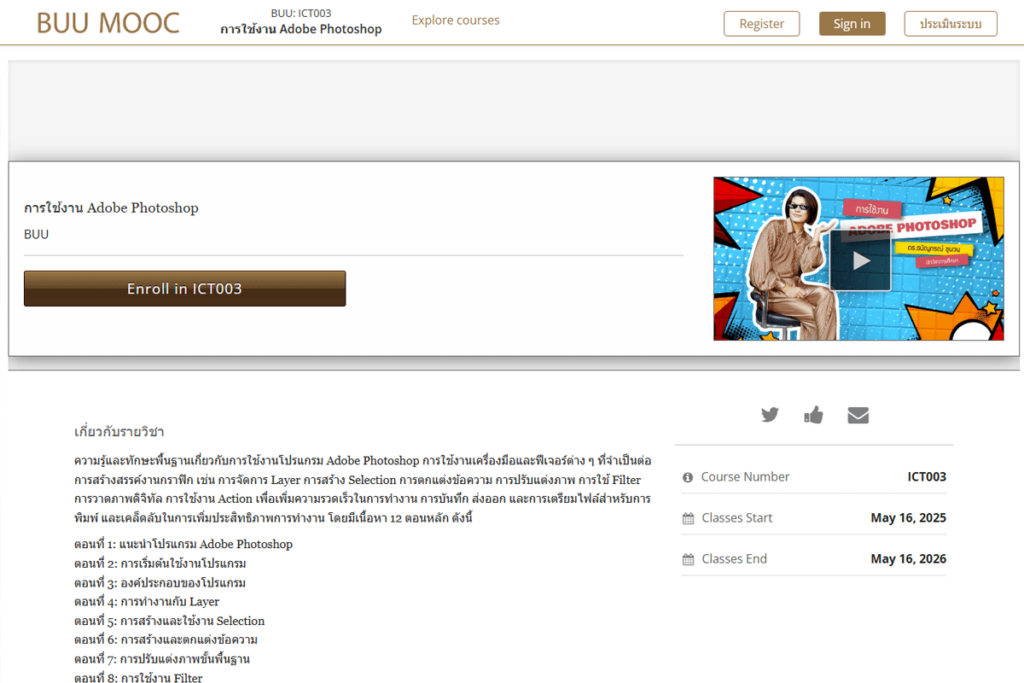
- Learners will be able to identify the components of Adobe Photoshop.
- Learners will learn and understand the functions of various tools in Adobe Photoshop.
- Learners can create and set up new project files.
- Learners will be able to create and adjust text.
- Learners will be able to edit and enhance images.
- Learners will be able to export different types of files.
- Learners will be able to create and use Actions.

Program Activities:
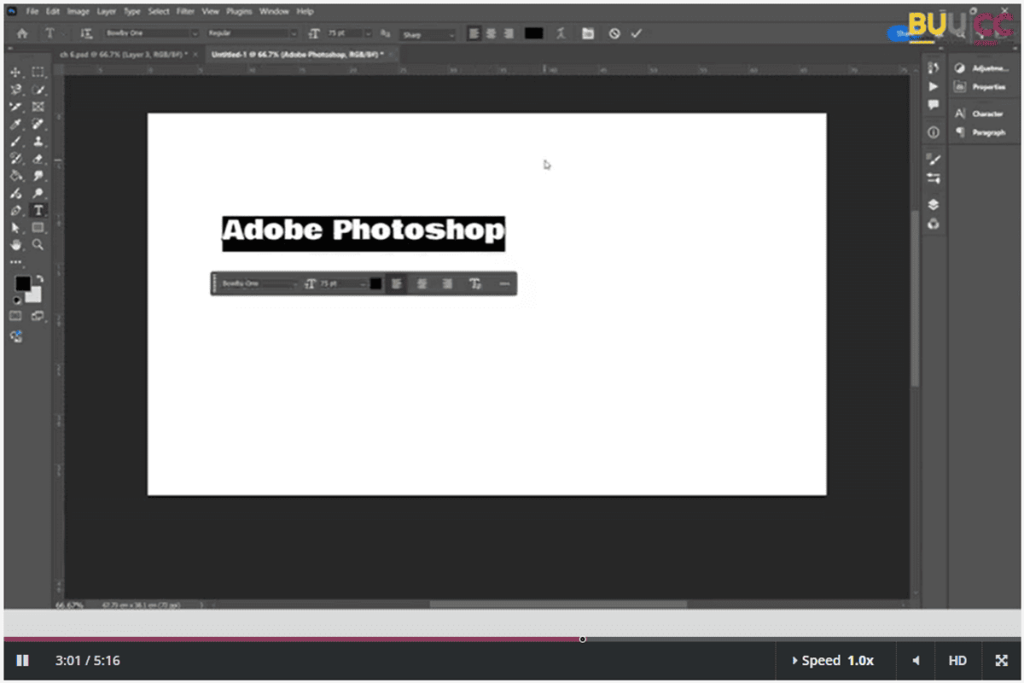
The online course “Using Adobe Photoshop” in MOOC format was developed in a structured manner. The process began with planning and course design, including defining the course structure and clear learning outcomes. The team then developed content and teaching materials, including lessons, videos, infographics, and quizzes, before integrating them into the university’s BUU MOOC platform. This allowed learners to access the course anytime and anywhere. In addition, the project incorporated continuous monitoring and evaluation to improve course quality and ensure its relevance to the future needs of society.
Expected Outcomes (Impacts):
This project provides learners broad access to knowledge of Adobe Photoshop without limitations of time and place. As a result, learners acquire skills in designing and creating high-quality digital media, which can be applied to academic work, employment, and freelance opportunities. The project also raises the digital skill levels of students and personnel, aligning with labour market demands and creating opportunities for continuous self-development in line with lifelong learning. Moreover, it disseminates knowledge to the broader society and strengthens the university’s image as a leader in educational innovation.
Date of Implementation: Fiscal Year 2025