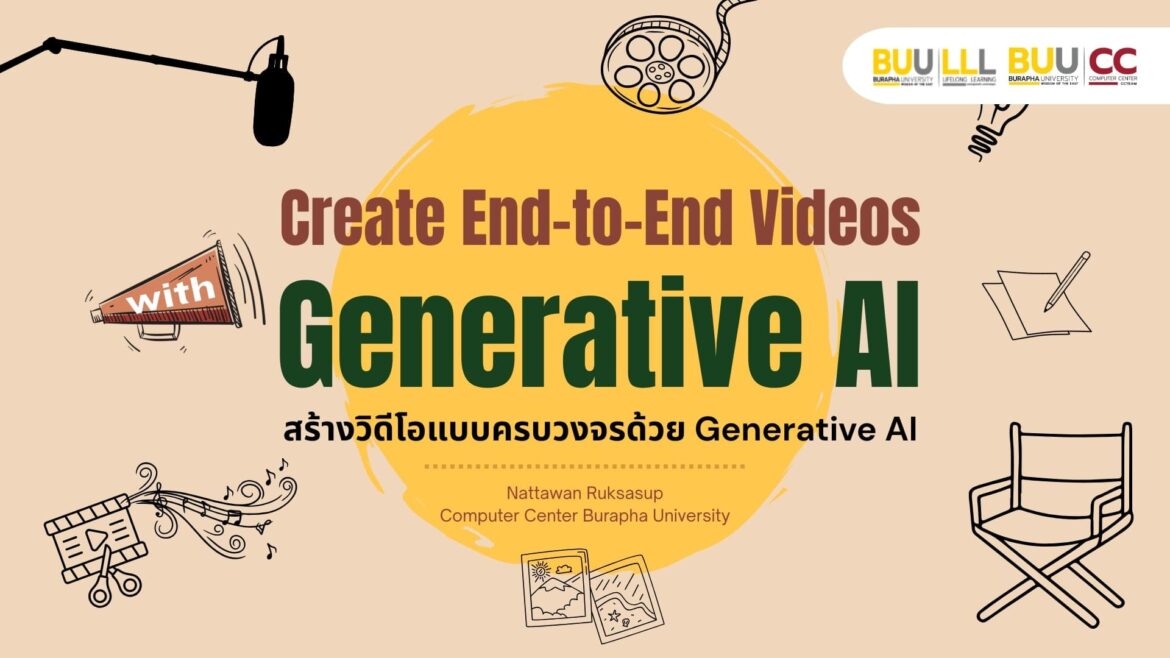
: Rapid advancements in Generative Artificial Intelligence (Generative AI) are transforming digital media production by streamlining the entire creative pipeline—from initial concept development and scriptwriting to asset generation, animation, audio design, and video editing. While these tools substantially reduce production time and technical barriers, creators require practical competence in effective prompt engineering, tool selection, and critical awareness regarding copyright, content accuracy, and ethical AI deployment. To address these needs, Burapha University developed the online course “Create End-to-End Videos with Generative AI.” The course offers structured, step-by-step digital learning resources that empower learners to cultivate essential digital competencies at their own pace, fostering lifelong learning and enabling efficient, responsible media creation for both academic and professional pursuits.
Project Coordinator: Dr. Nattawat Raksasap
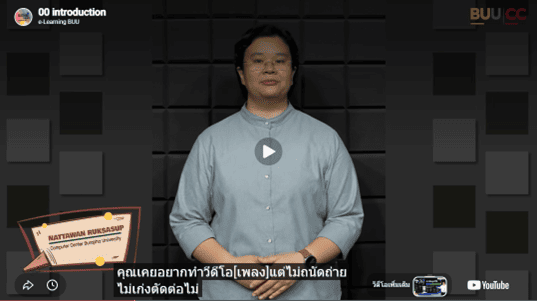
Objectives:
- To build a comprehensive understanding of the core video production workflow (Pre-production, Production, and Post-production: 3P).
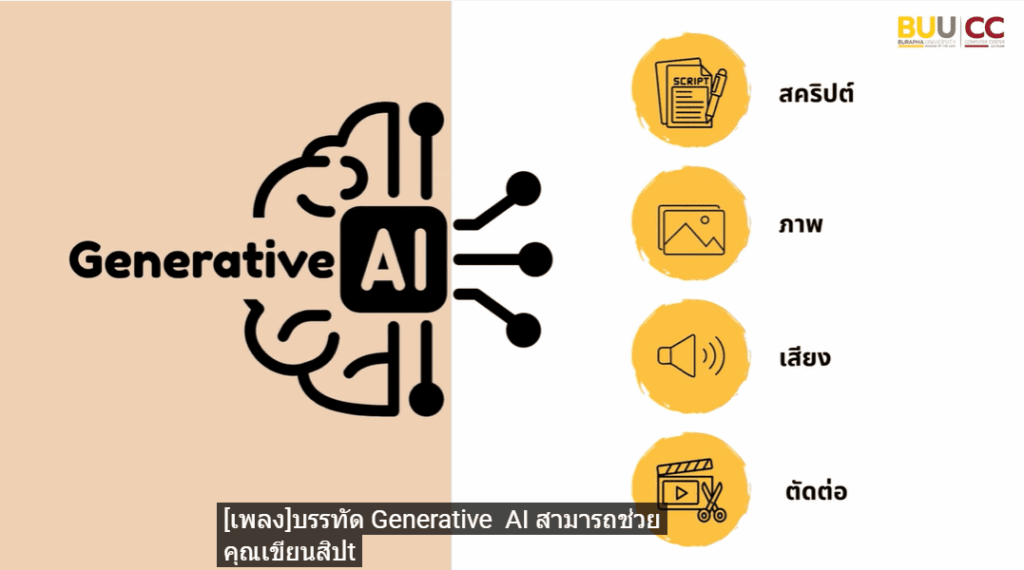
- To enable learners to conceptualise video ideas and generate production-ready scripts using Generative AI.
- To guide learners in designing and generating visual storyboards through AI tools.
- To train learners in generating high-quality still images, motion assets, voiceovers, and sound effects using Generative AI.
- To develop practical skills in assembling, editing, and finalising cohesive video projects.
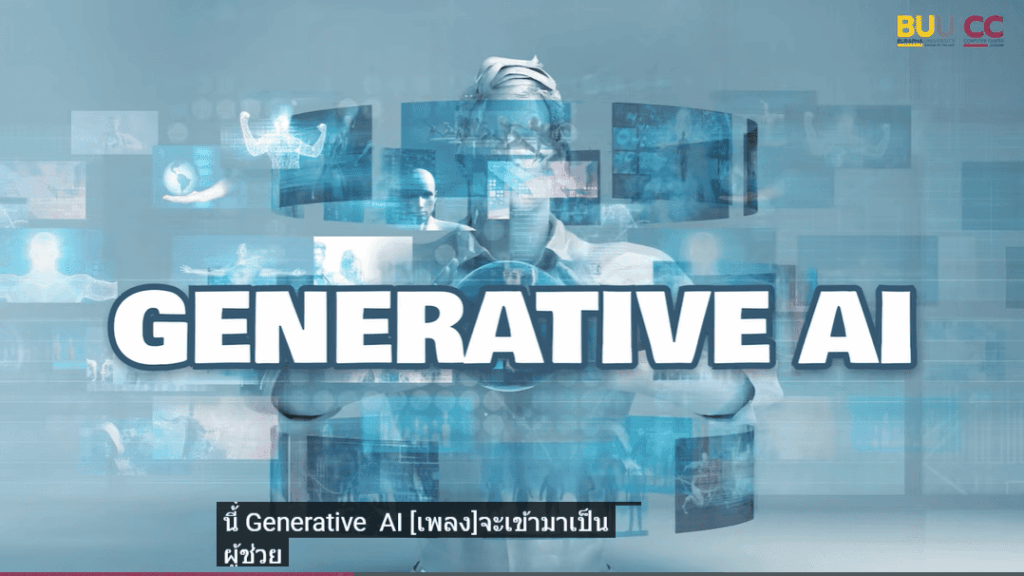
Program Activities:
The project commenced with an in-depth analysis of Generative AI tools, workflows, and emerging media trends to structure a modular, self-paced curriculum. The team systematically developed detailed lesson storyboards, video scripts, supplementary instructional materials, and formative evaluation quizzes. The production process leveraged generative AI across multiple media modalities—text, imagery, voice synthesis, and video generation—alongside standard editing software. Before public deployment, the course underwent quality assurance reviews to ensure content accuracy, pedagogical clarity, and technical performance. The finalised curriculum was integrated into the university’s online learning management system with established completion criteria, followed by active learner monitoring and feedback collection for ongoing course enhancement.
Expected Outcomes (Impacts):
- Democratized Access to Creative AI Skills: Expanded open access to comprehensive AI-powered video production training, allowing learners to master end-to-end media creation anytime and anywhere.
- Streamlined Production & Efficiency: Reduced traditional technical and time barriers associated with video editing and asset creation, enabling creators to produce high-impact digital content with greater agility.
- Responsible & Ethical AI Awareness: Instilled best practices in ethical AI usage, intellectual property considerations, and the recognition of technological limitations.
- Lifelong Learning & Digital Empowerment: Supported continuous personal and professional development in digital literacy, serving as a scalable model for future AI-integrated educational initiatives.
Date of Implementation: Fiscal Year 2026