Currently, the leading causes of death among the population in Thailand are respiratory and cardiovascular diseases, heart disease, hypertension, and accidents. Patients or injured individuals may experience abnormal physical conditions, and in some cases, sudden respiratory or cardiac arrest. If left untreated for too long, even if resuscitation is eventually successful, permanent brain damage may occur. Therefore, timely and proper first aid, along with prompt and appropriate referral to medical professionals or healthcare facilities, significantly increases the chances of survival and recovery for patients or injured individuals. Basic first aid and life-saving skills training is thus an essential course that equips participants with accurate knowledge and hands-on experience, enabling them to effectively assist others in emergencies. The Faculty of Informatics, Burapha University, recognises the importance of this training, which aligns with Sustainable Development Goal 3 (SDG 3: Good Health and Well-being). Increasing the number of individuals trained in basic life-saving skills can help reduce mortality and disability from medical emergencies, empowering people with the knowledge and skills needed to respond to critical medical situations, such as sudden cardiac arrest, which remains a major cause of death.
Objectives
This training program is designed to equip participants with the knowledge and skills in basic first aid, enabling them to safely assist themselves and others in emergency situations. It aims to reduce the risk of fatalities, minimize the severity of injuries, and ensure that participants are able to apply their knowledge effectively to provide safe assistance to victims prior to hospital transfer.
To provide participants with accurate knowledge and practical skills in basic first aid.
To enable participants to perform proper first aid and basic cardiopulmonary resuscitation (CPR).
To raise awareness of the importance of basic life support and encourage the application of this knowledge in daily life.
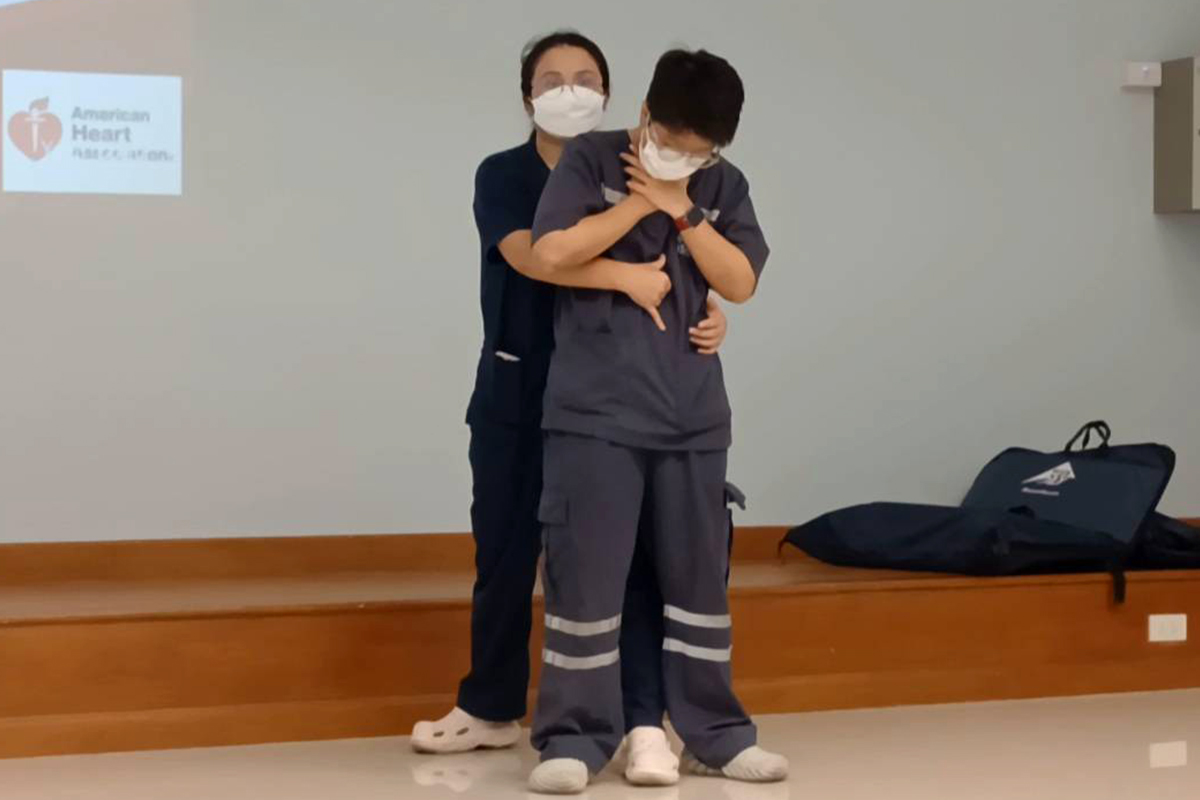
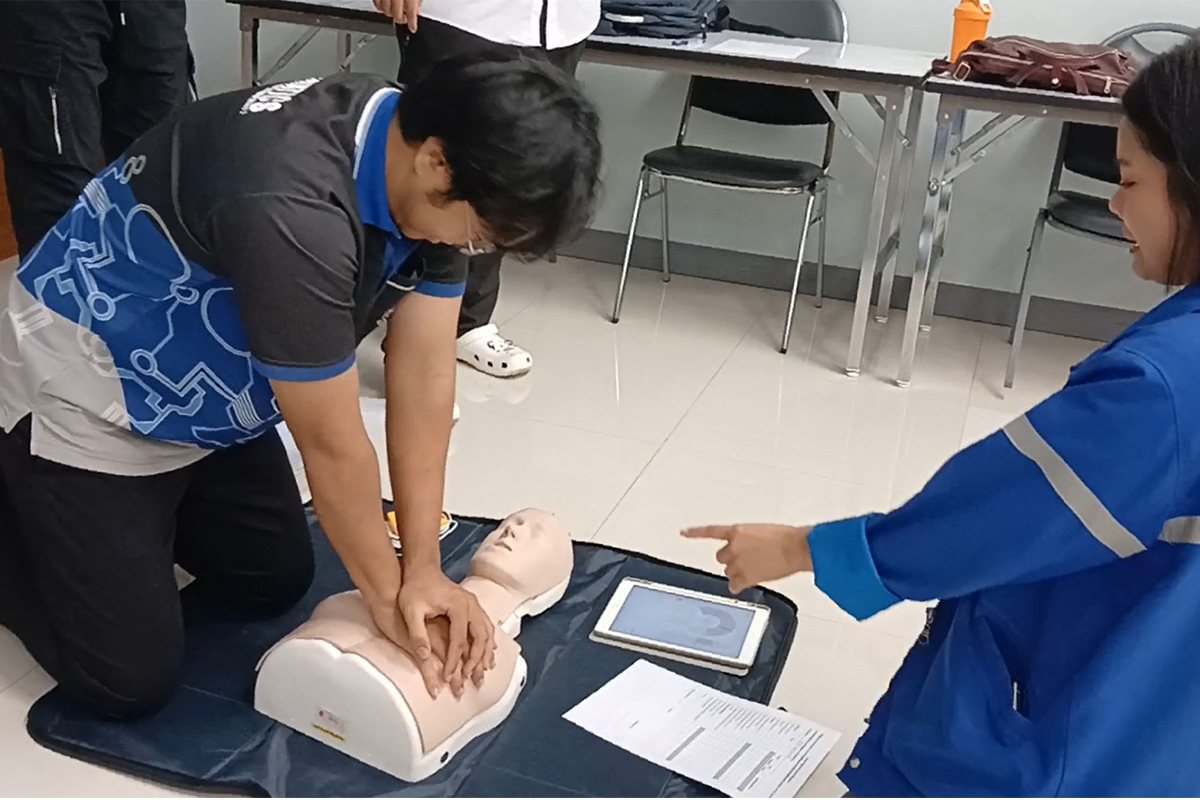
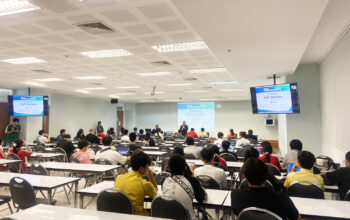
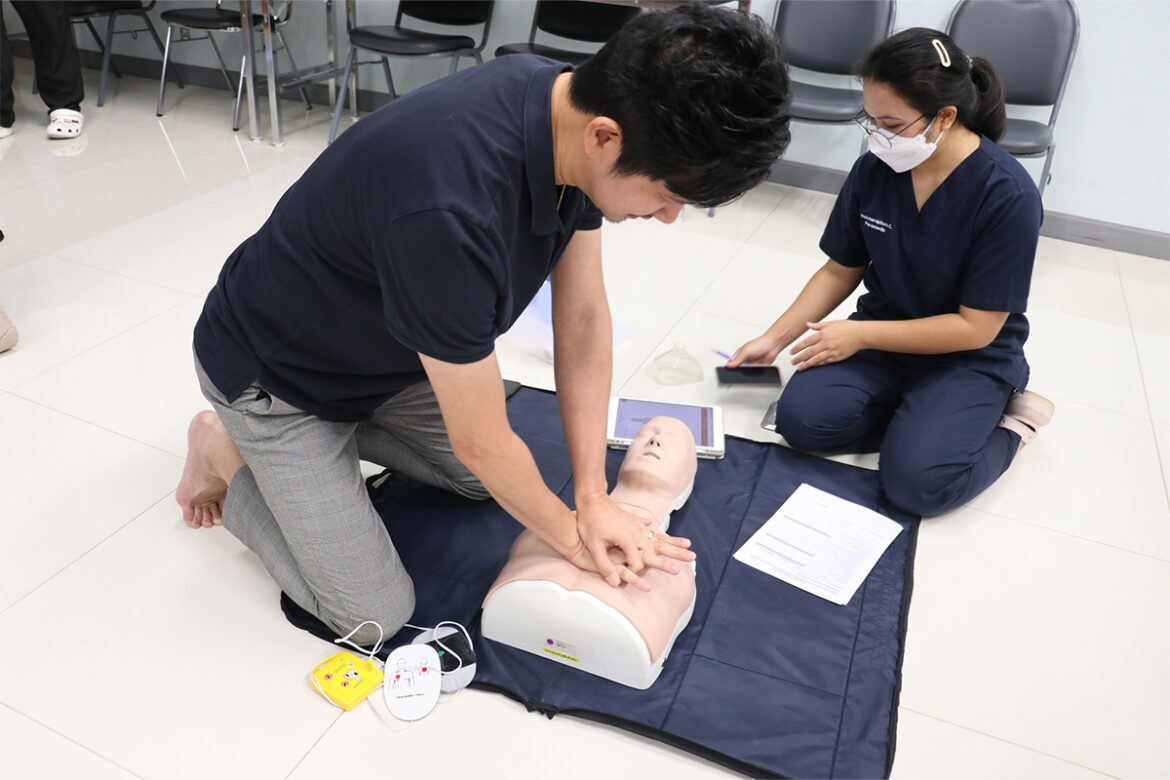
The Faculty of Informatics, Burapha University, invited students and staff members to register and participate in the workshop. A team of expert instructors from the Faculty of Medicine, Burapha University, provided lectures and hands-on training on key topics such as situation and safety assessment, safe methods of moving injured persons, evaluating patients with respiratory and cardiac arrest, principles of Cardiopulmonary Resuscitation (CPR), and the proper use of an Automated External Defibrillator (AED). Theoretical Session: The lectures covered fundamental knowledge of basic life support, situation assessment, and first aid practices in various emergency scenarios. Practical Session: Participants engaged in hands-on training in Cardiopulmonary Resuscitation (CPR), the use of an Automated External Defibrillator (AED), first aid techniques in different emergency situations, and simulated emergency drills to strengthen their readiness and confidence in real-life applications.
The workshop on Basic Life Support for Non-Health Care Providers, organized by the Faculty of Informatics, Burapha University, has generated significant and valuable outcomes for its participants. Attendees gained both essential knowledge and hands-on skills in first aid, cardiopulmonary resuscitation (CPR), and the proper use of an Automated External Defibrillator (AED). These practical competencies enhanced participants’ confidence and preparedness to respond effectively in emergency situations, ensuring safe, accurate, and timely assistance before professional medical help arrives. Beyond skill development, the training fostered a strong sense of safety awareness and emphasized the importance of the “golden minutes” in saving lives and reducing the severity of injuries. Through realistic simulation exercises, participants were able to bridge theoretical knowledge with practical applications, equipping them with the ability to respond swiftly and effectively in real-life scenarios. These skills can be applied not only to protect themselves but also to safeguard their families and communities.
Importantly, the program also cultivated a culture of responsibility, empathy, and safety within the university community. By integrating knowledge with the Faculty of Medicine, the workshop created a platform for interdisciplinary learning and collaboration, thereby strengthening sustainable health awareness. Ultimately, the project contributes to building a more resilient society where individuals are empowered and ready to support one another in times of crisis.
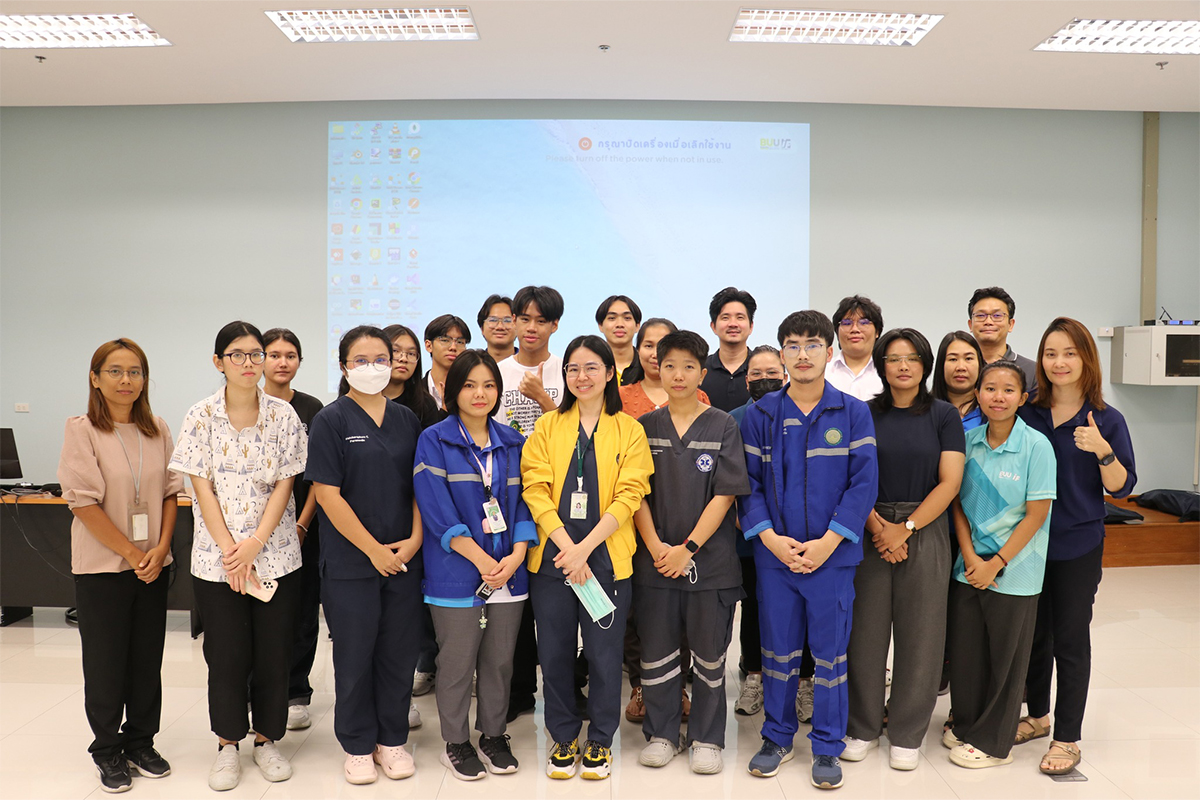
Project Leaders: Asst. Prof. Benchaporn Jantarakongkul and Ms.Onanong Roitha