Although the Thai government allocates 20 baht per student per day for school lunches, many children—particularly from low-income families whose parents are daily wage laborers—often come to school without breakfast. To address this, teachers in some small schools have initiated agricultural activities such as cultivating bananas, fruit trees, vegetables, mushrooms, and raising animals like fish, frogs, chickens, and ducks. These serve as both food sources and income-generating activities to supplement school meals.
However, rising living costs have made it difficult for schools to provide nutritious meals covering all five food groups in adequate portions for growing children. This challenge is especially acute in small schools with limited budgets, where averaging costs often results in food shortages. Recognizing this problem, the Faculty of Agricultural Technology, Burapha University Sakaeo Campus, saw an opportunity to provide sustainable social support while inspiring young children to pursue further education and lifelong learning.
In collaboration with Cargill Meats (Thailand) Co., Ltd. and Suranaree University of Technology, the faculty has continued the “School Lunch Agriculture Project” to promote better nutrition, healthy living, and sustainable agricultural learning among children. The project instills positive values such as responsibility, perseverance, sharing, and teamwork while fostering unity and a positive attitude toward agriculture as a career suited to Thailand’s local contexts. The initiative demonstrates that school agriculture is more than just providing food—it is a valuable platform for experiential learning, technology integration, and nurturing future generations of innovative farmers.
In 2025, the project will be implemented for the fourth consecutive year, with evaluations conducted to assess the learning outcomes and long-term sustainability of the program.
Objectives:
To assess the behavior and learning outcomes of students participating in the 2025 School Lunch Agriculture Project.
To analyze processes and outcomes of the project in promoting sustainable impacts.
Implementation:
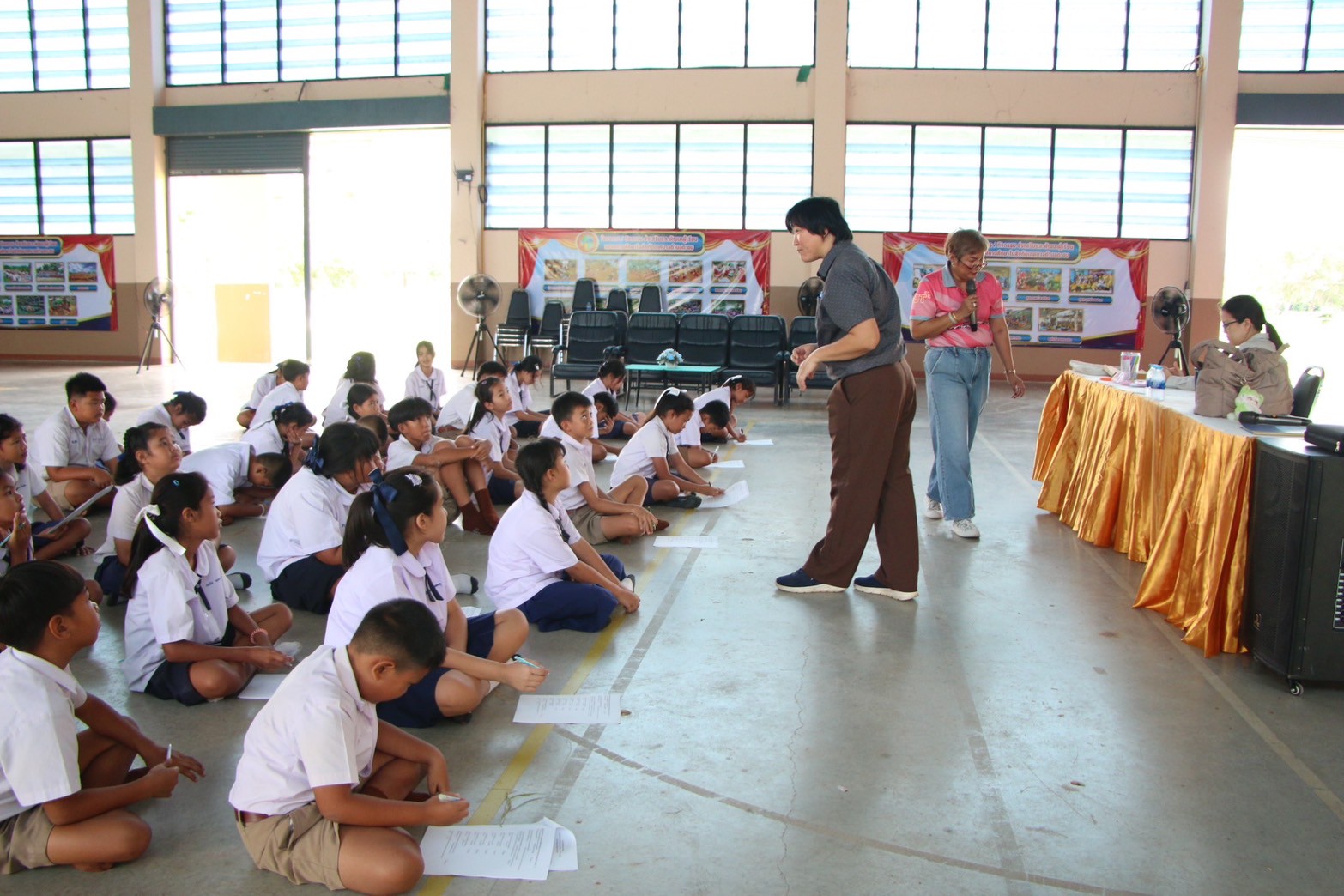
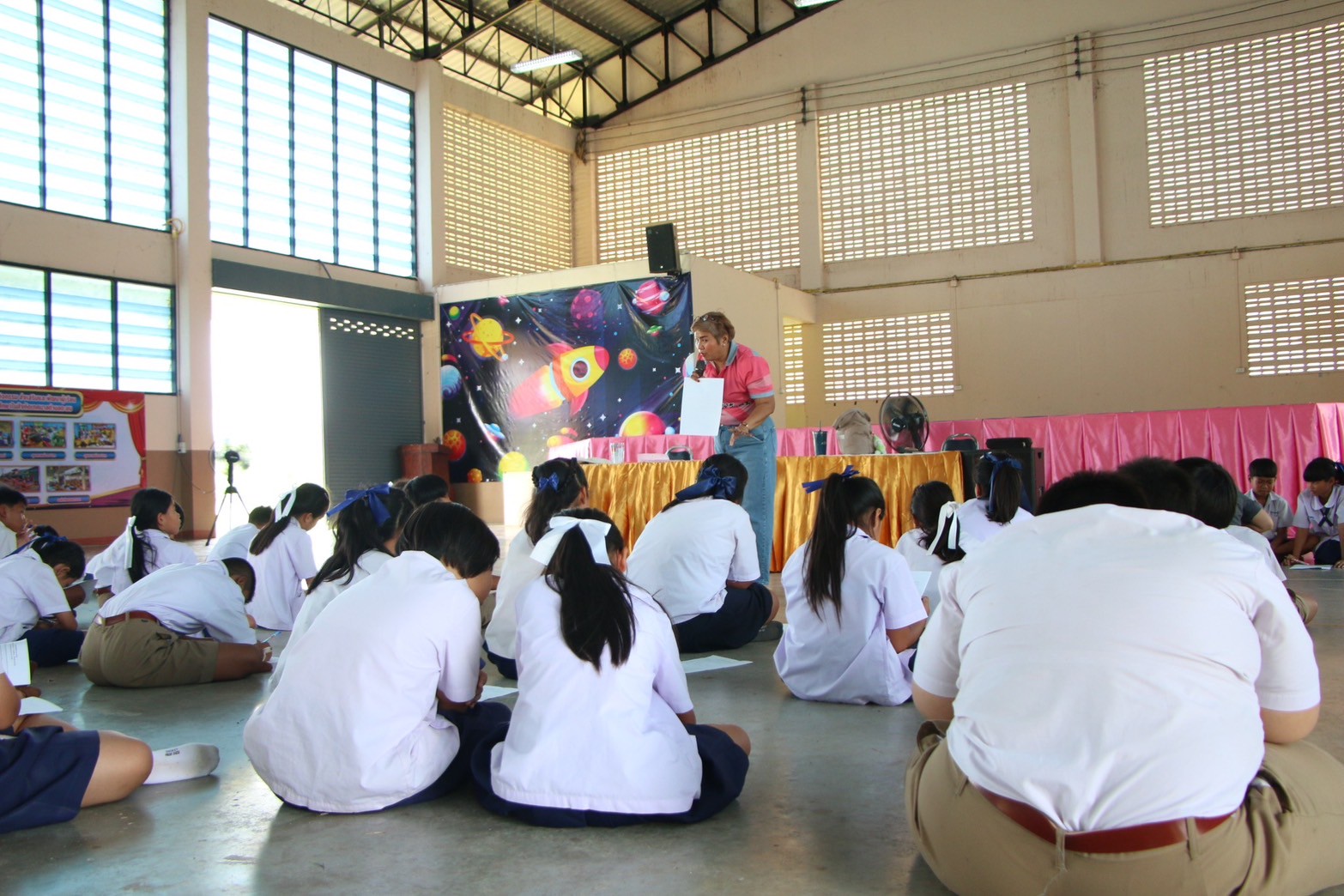
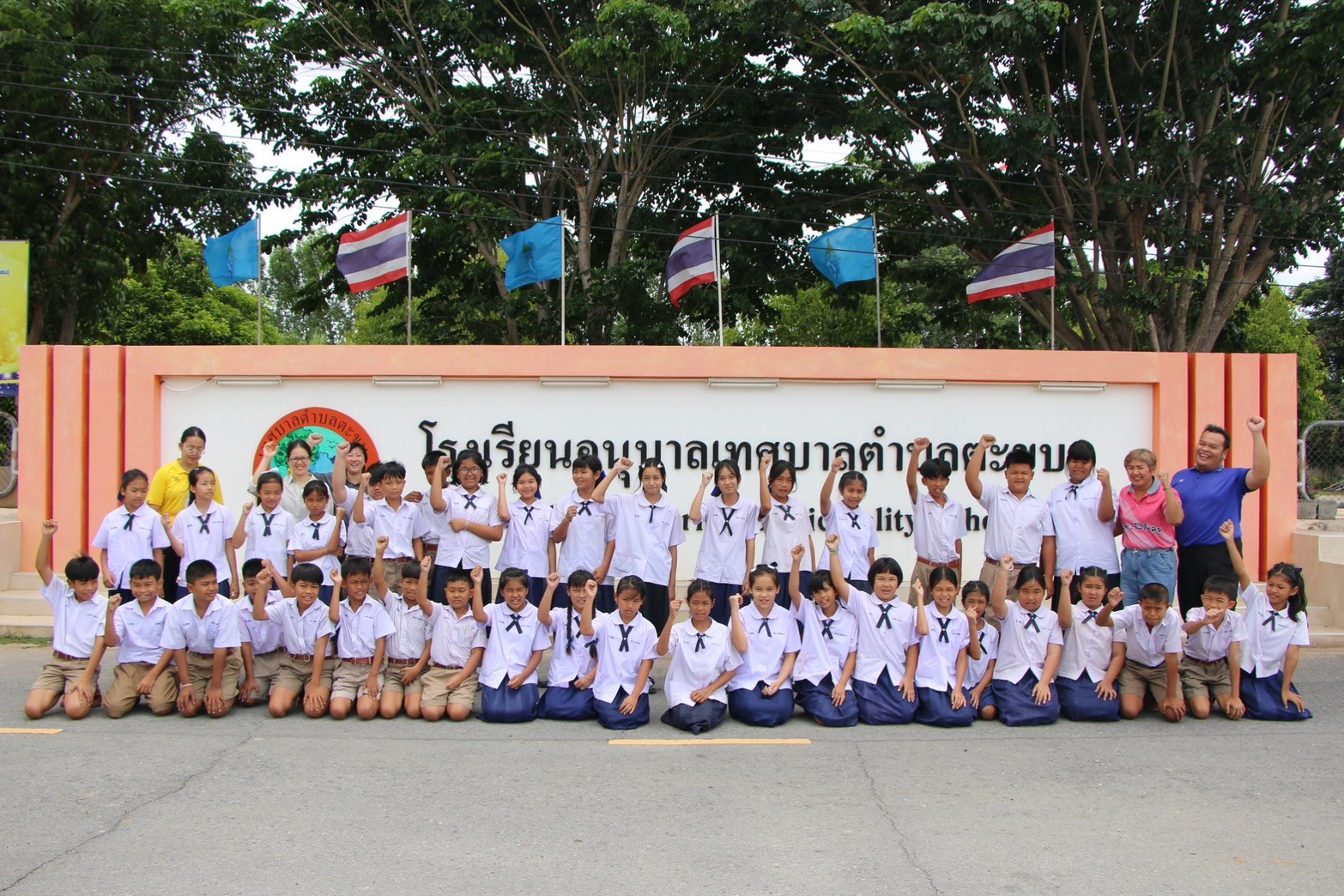
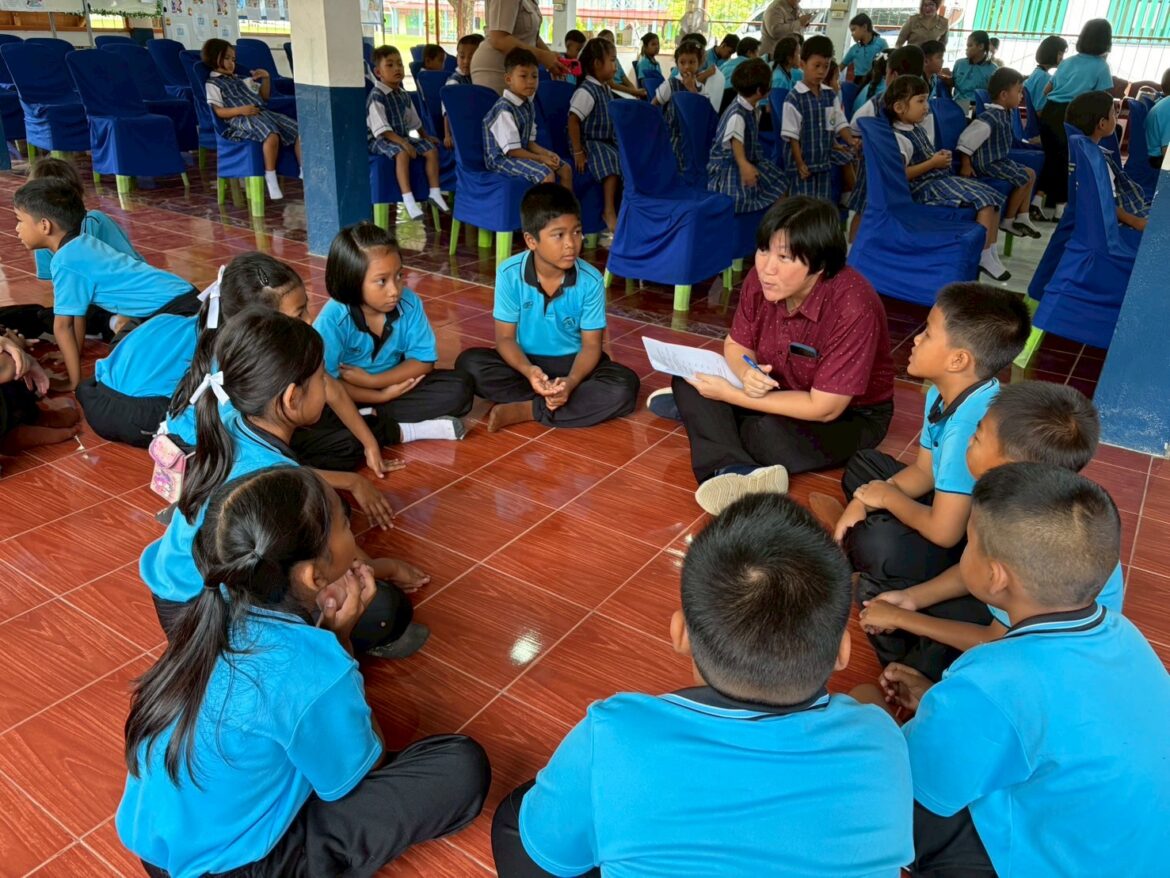
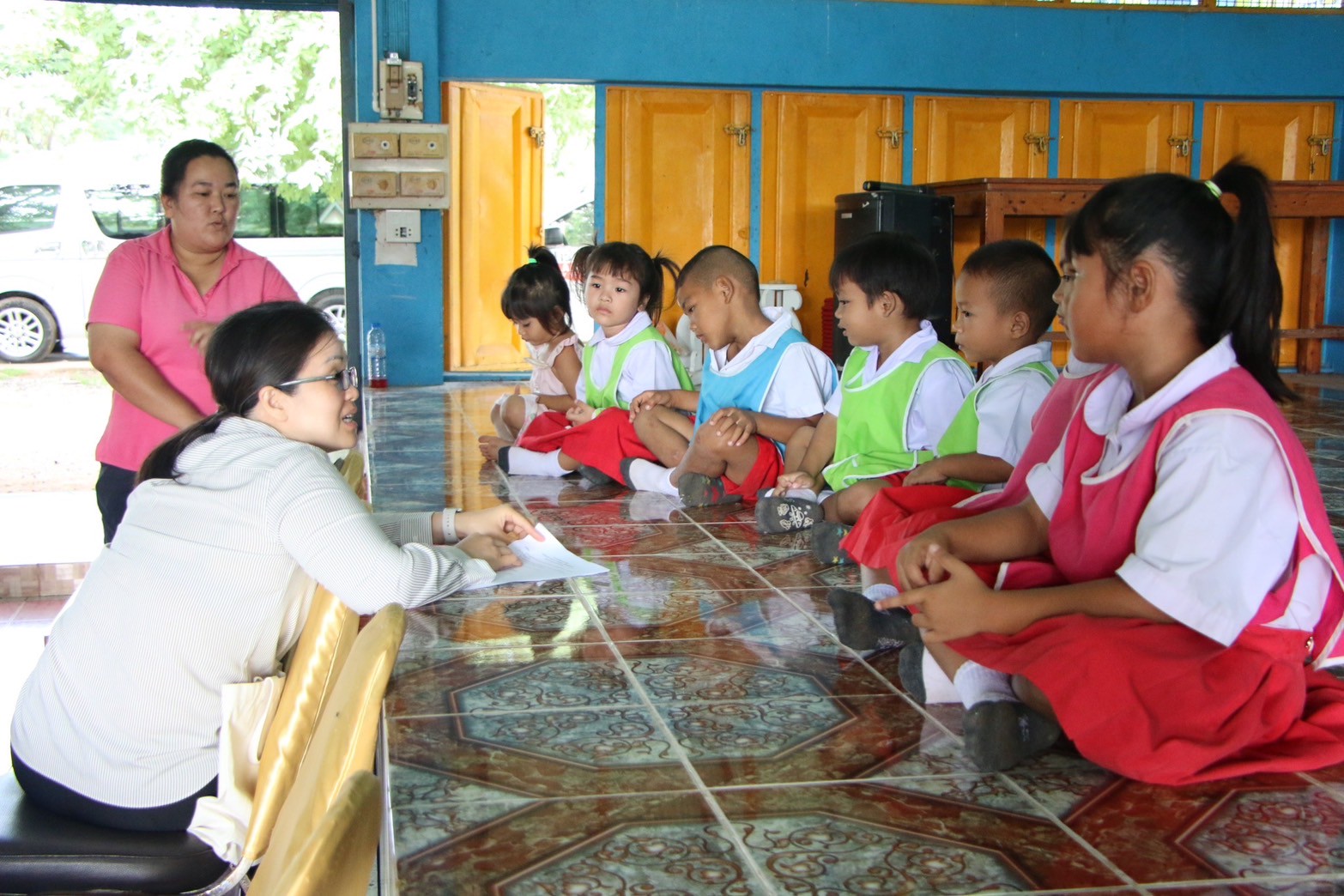
The Faculty of Agricultural Technology, Burapha University Sakaeo Campus, in partnership with Cargill Meats (Thailand) Co., Ltd. and Suranaree University of Technology, is expanding the project to 31 primary schools in Nakhon Ratchasima and Saraburi Provinces. Between 13–14 and 18–19 August 2025, Asst. Prof. Dr. Khwanchai Roophitak and Asst. Prof. Dr. Supreena Srisaikam conducted training and discussions under the theme “Student Behaviors and Learning Outcomes from Agricultural School Lunch Activities” as part of the evaluation process.
The project supports the Sustainable Development Goals (SDGs) by ensuring children’s access to safe and nutritious food, encouraging hands-on learning, fostering responsibility, teamwork, and positive attitudes toward agriculture.
Work Plan (PDCA Cycle):
Plan: Define project operations; hold faculty meetings to tailor activities for each school.
Do: Prepare training materials; conduct training activities; follow up and monitor progress.
Check: Evaluate outcomes and compile project reports.
Act: Apply lessons learned from initial schools to others with similar contexts.
Expected Impacts:
Schools establish agricultural plots producing vegetables, mushrooms, eggs, and fish to supply student lunches.
Students receive adequate and nutritious meals.
Participating students in Nakhon Ratchasima and Saraburi provinces transfer their agricultural knowledge to their families, creating opportunities for supplementary livelihoods.
Project Duration:
August 2025 – December 2025
Project Manager:
Asst. Prof. Dr. Supreena Srisaikam