Thailand is one of the most biodiversity-rich countries in Southeast Asia, and this biodiversity has long served as a critical resource supporting national development. However, in recent decades, biodiversity has been increasingly threatened by unsustainable exploitation, deforestation, illegal wildlife trade, overfishing, pollution, and the impacts of climate change. The growth of the tourism sector has emerged as an additional source of concern. While tourism is a vital industry, accounting for 20% of Thailand’s GDP in 2019, the rapid increase in both domestic and international tourist arrivals has led to overtourism. This situation poses risks to natural ecosystems, wildlife habitats, and biodiversity, potentially driving species extinction.
Moreover, tourism revenues have not been equitably distributed, with around 80% of profits returning to the business sector rather than benefiting local communities. The COVID-19 pandemic further exposed vulnerabilities in the tourism sector, highlighting the urgent need to integrate biodiversity conservation into tourism practices. This shift aligns with changing tourist behaviors under the “new normal,” emphasizing sustainable, community-centered, and conservation-oriented travel.
Given these challenges, integrating biodiversity into sustainable tourism development has become essential. A national policy framework that incorporates biodiversity-based tourism is required, with pilot implementation at the provincial level. Prachuap Khiri Khan Province has been identified as the project’s target area, serving as a model for balancing tourism, biodiversity conservation, and community benefits. The project will also address critical challenges, including the lack of widespread sustainable tourism practices, insufficient financial mechanisms to channel tourism revenue back into conservation, gaps in community-based tourism management, and the lingering impacts of COVID-19 on both tourism and biodiversity.
Objectives:
To conduct a Strategic Environmental and Social Assessment (SESA) of general tourism and biodiversity-based tourism in Prachuap Khiri Khan Province.
To study the feasibility of developing biodiversity-rich areas for sustainable biodiversity-based tourism in collaboration with the Office of Natural Resources and Environmental Policy and Planning (ONEP).
To develop a Sustainable Biodiversity-Based Tourism Master Plan through participatory approaches at the provincial level in Prachuap Khiri Khan, aimed at strengthening environmental and social resilience (SESA).
To formulate a strategic action plan for biodiversity-friendly tourism that minimizes negative impacts, aligned with ecosystem-based master plans and the UNDP SESP framework.
To design a biodiversity restoration and visitor management plan using the Management Effectiveness Tracking Tool (METT).
Project Implementation:
The project involves:
Conducting SESA for both general and biodiversity-based tourism.
Assessing the feasibility of biodiversity sites for sustainable tourism development.
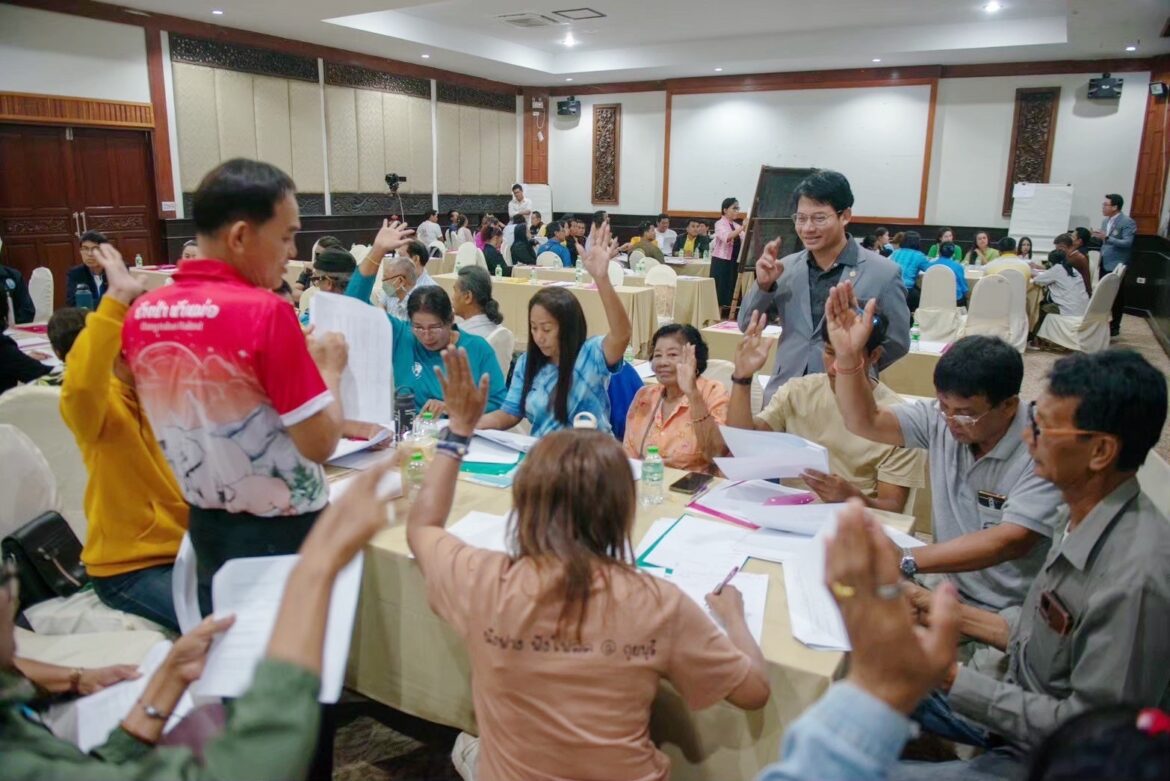
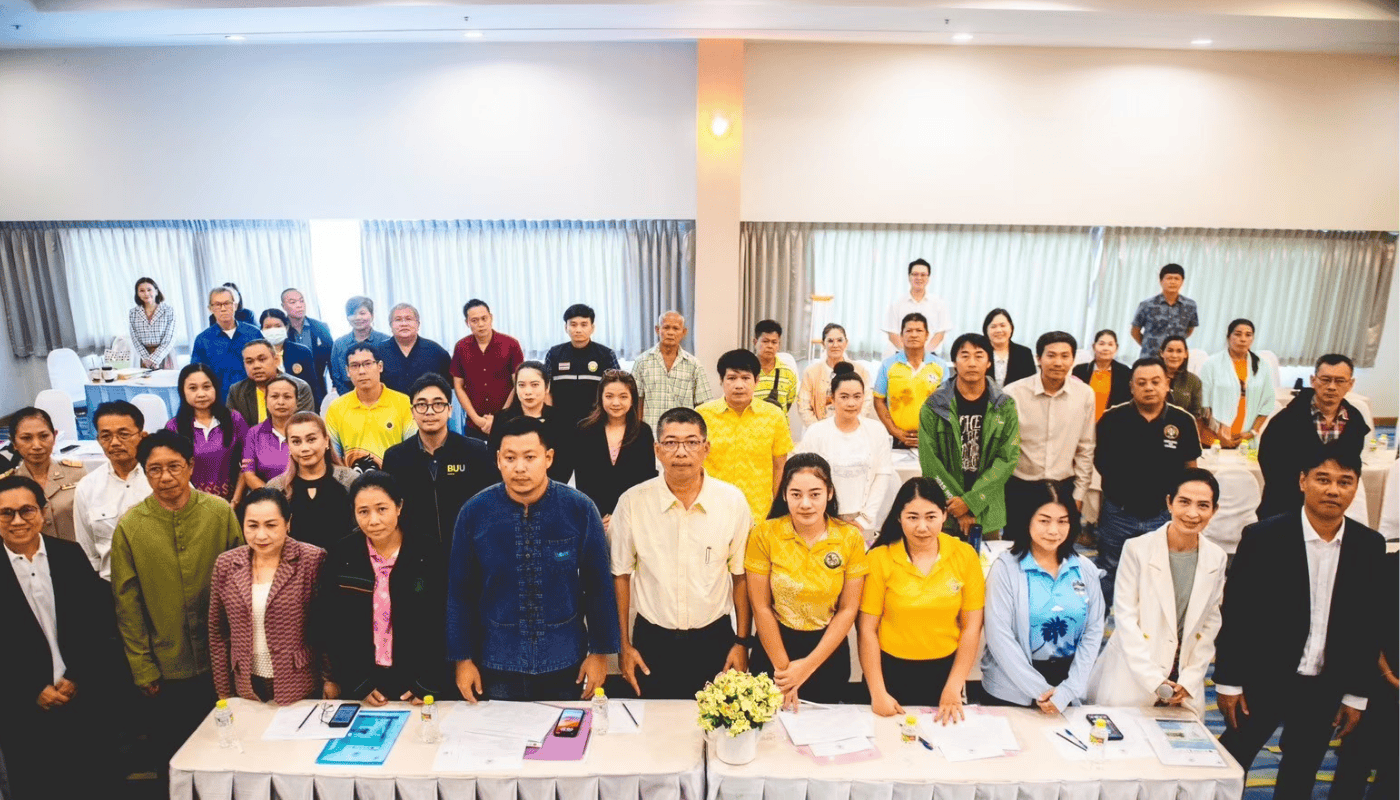
Developing a provincial-level biodiversity-based tourism master plan and strategic action plan through stakeholder participation in Prachuap Khiri Khan.
Designing biodiversity restoration measures and visitor management strategies using METT.
Expected Impacts:
A comparative SESA analysis between general tourism and biodiversity-based tourism in Prachuap Khiri Khan.
An economic impact assessment of tourism in the project area.
A provincial tourism landscape master plan created through participatory processes, integrating biodiversity-based strategies for environmental and social resilience.
A strategic plan for conservation-oriented tourism aligned with sustainable biodiversity utilization and UNDP SESP guidelines.
A visitor management plan integrating the Visitor Use Management Framework (VUMF) with SESA findings for diverse ecosystems in Prachuap Khiri Khan.
A model for stakeholder coordination and sustainable management, including the use of the QUEQ application to prevent overtourism.
Policy recommendations to support biodiversity-based tourism enterprises in accessing investment opportunities.
Project Duration:
April 2024 – March 2025
Project Managers:
Mr. Watcharapong Sukeevong
Ms. Natthicha Sangkum
Mr. Thammasak Songka
Mr. Chinanrat Sangthong
Mr. Jettarin Nokkratok