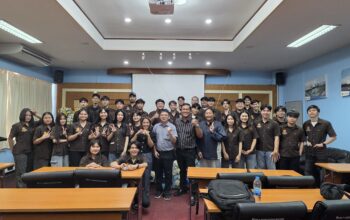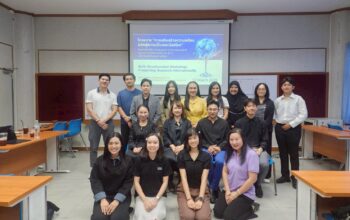

Curriculum development and instructional management are core components in enhancing the quality of educators and learners to achieve the goals of the curriculum. Learning management must be designed and developed in accordance with the 21st century education that aligns with the objectives of the Sustainable Development Goals (SDGs), serving as a globally recognized framework for development in 2015. SDG Goal 4 focuses on education, stating:
“Ensure inclusive and equitable quality education and promote lifelong learning opportunities for all” — that is, education for sustainable development, which aims to equip every individual with the knowledge, skills, attitudes, and values necessary to build a better future.
The SDG 4 goal aims to ensure inclusive, equitable, and quality education for all, promoting lifelong learning opportunities. It emphasizes universal access to free and quality primary and secondary education while addressing disparities faced by marginalized groups. Beyond basic education, SDG 4 supports vocational and higher education to equip learners with the knowledge, skills, and values needed for personal growth, employment, and responsible citizenship. Quality education under this goal fosters global awareness and sustainable development, serving as a foundation for achieving other sustainable development objectives.
Education influences health, economic growth, gender equality, reduced inequalities, and climate action. It enables individuals to improve their lives and communities. Furthermore, education opens doors to better job opportunities and economic stability.
Loei Rajabhat University is a leading example of sustainable local educational development, promoting lifelong learning and community empowerment. Established in 1973, the university is a higher education institution founded with the mission of supporting local development. The university is committed to producing graduates who possess both academic competence and moral integrity, while embracing the philosophy of Sufficiency Economy as a guiding principle for advancing local development toward global standards. The university continuously strives to enhance the quality of education, academic services, and the preservation of arts and culture. It fosters academic partnerships with universities both domestically and internationally, and it establishes collaborative networks with provincial agencies to support local development, thereby strengthening and sustaining local communities. In addition, the university promotes the study of multicultural ways of life, such as that of the Tai Dam ethnic group, along with the region’s distinctive architecture and civilization along the Mekong River—both of which reflect aspects of sustainable development in the riverside areas of Loei Province.
Therefore, the Department of Research and Applied Psychology, Faculty of Education, Burapha University, initiated a competency development project for all faculty members and supporting staff aligned with the Sustainable Development Goals (SDGs), held at the Faculty of Education, Loei Rajabhat University, from November 24 to 26, 2024.
Objectives
1. To provide all faculty members and supporting staff of the Department of Research and Applied Psychology with knowledge, understanding, and learning experiences related to education and the Sustainable Development Goals (SDGs).
2. To build a network of academic cooperation in teaching, research, and quality assurance with local higher education institutions, involving both faculty members and supporting staff.
3. To enable all faculty members and supporting staff to apply the knowledge and experiences gained to improve the management of curriculum and enhance the effectiveness of learning.
4. To allow all faculty members and supporting staff to exchange and learn about the diverse local cultures in Loei Province.
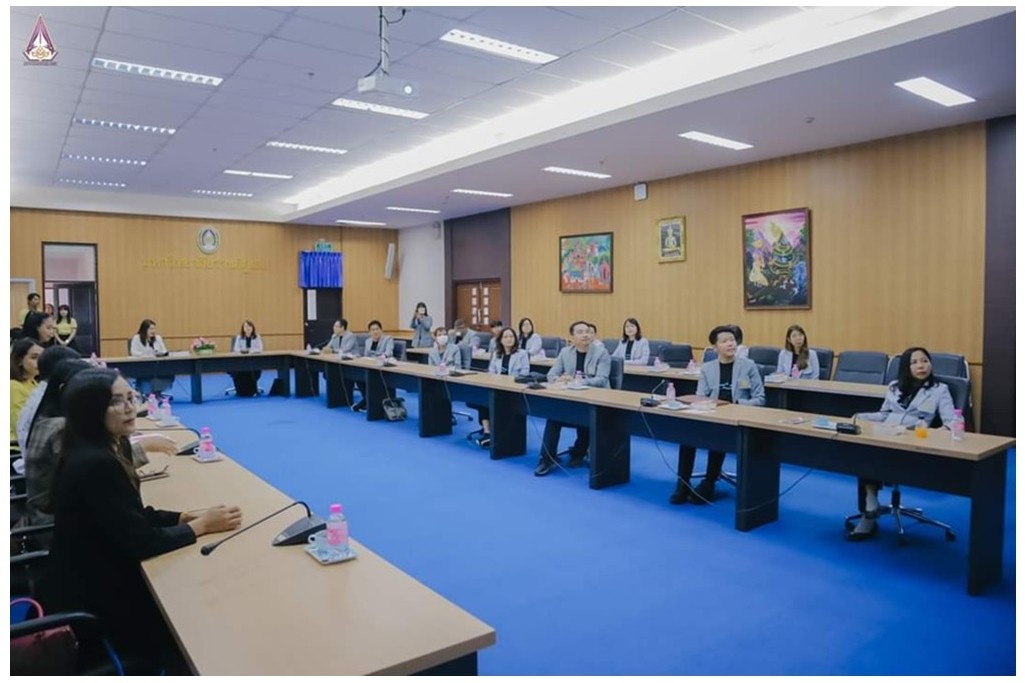
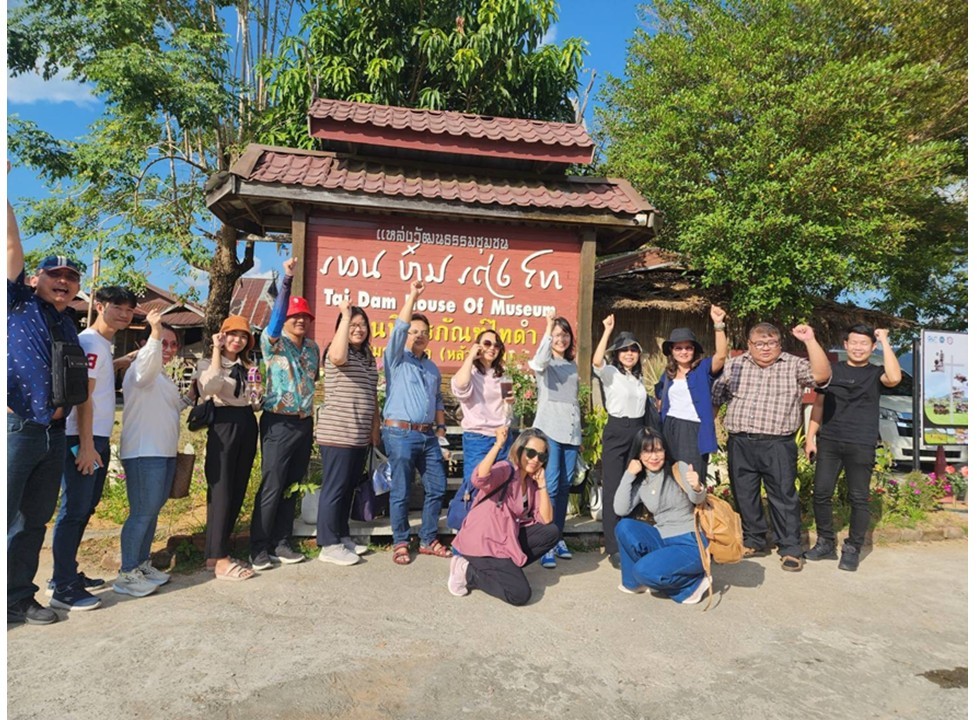
The Department of Research and Applied Psychology, Faculty of Education, Burapha University, initiated a competency development project for all faculty members and supporting staff, aligned with the Sustainable Development Goals (SDGs). This was achieved through academic exchanges, multicultural wisdom, and sustainable heritage workshops held at the Faculty of Education, Loei Rajabhat University and the Tai Dam House of Museum, Loei Province, from November 24 to 26, 2024.
Outcomes:
All faculty members and supporting staff from the Department of Research and Applied Psychology have gained direct knowledge and experience related to education and the Sustainable Development Goals (SDGs). The department has also established collaborative networks with local higher education institutions in areas such as academic cooperation, faculty development, and knowledge exchange across various fields. Moreover, participants have developed knowledge, understanding, and practical experience in managing both undergraduate and graduate-level education. They have also gained insights from studying multicultural ways of life—such as that of the Tai Dam ethnic group—as well as local architecture and civilization along the Mekong River, all of which reflect the sustainable development of riverside communities in Loei Province.
Positive Impacts on the Community:
The outcomes have positively impacted the community by enhancing faculty expertise in education and the Sustainable Development Goals (SDGs), fostering collaboration between local educational institutions, and improving management of both undergraduate and graduate level education. Participants also gained valuable insights into local cultures, such as the Tai Dam ethnic group, and sustainable practices along the Mekong River, contributing to the preservation of heritage and the development of sustainable strategies in riverside communities. This knowledge and collaboration help create a more informed, connected, and culturally aware community.
Implementation Details
Date: November 24 to 26, 2024
Project Supervisors: Dr. Pracha Inang