In the 21st century, higher education has moved beyond the transmission of knowledge to emphasize the development of students’ competencies for enabling them to live, work, and participate responsibly in a complex, interconnected, and rapidly changing world. Universities are therefore expected to prepare learners not only for academic achievement and employment but also for meaningful participation in society. Essential 21st-century skills include critical thinking, communication, collaboration, creativity, digital literacy, ethical awareness, social responsibility, and lifelong learning. Together, these competencies form a foundation for global citizenship, which involves understanding global issues, respecting diversity, engaging constructively with others, and applying knowledge to address shared challenges.
Consistently, the strategic priorities of Burapha University and the Faculty of Education, as outlined in the “Wisdom of the East: Building Education for Sustainability and Transformation” (WE BEST) framework, focus on preparing students to respond effectively to global changes, apply their knowledge in practical contexts, and contribute to sustainable development. It also aligns with UNESCO’s Education for Sustainable Development framework, which promotes the knowledge, skills, values, attitudes, and behaviors required for balanced social, economic, and environmental progress.
University students should acquire essential 21st-century competencies, including academic communication, critical thinking, collaboration, the organization of ideas, and effective presentation skills. These competencies play important roles in enhancing learning, building confidence, improving academic achievement and the quality of academic work, and promoting active participation in scholastic communities. Academic presentation is a valuable and required skill for students entering the future workforce. It integrates several abilities at once. Students must understand content, evaluate evidence, organize information logically, communicate clearly, use technology appropriately, manage time, respond to questions, and engage with audiences. Academic presentation at the international level requires students to develop English-language communication, intercultural awareness, and confidence in presenting to people from different academic and cultural backgrounds.
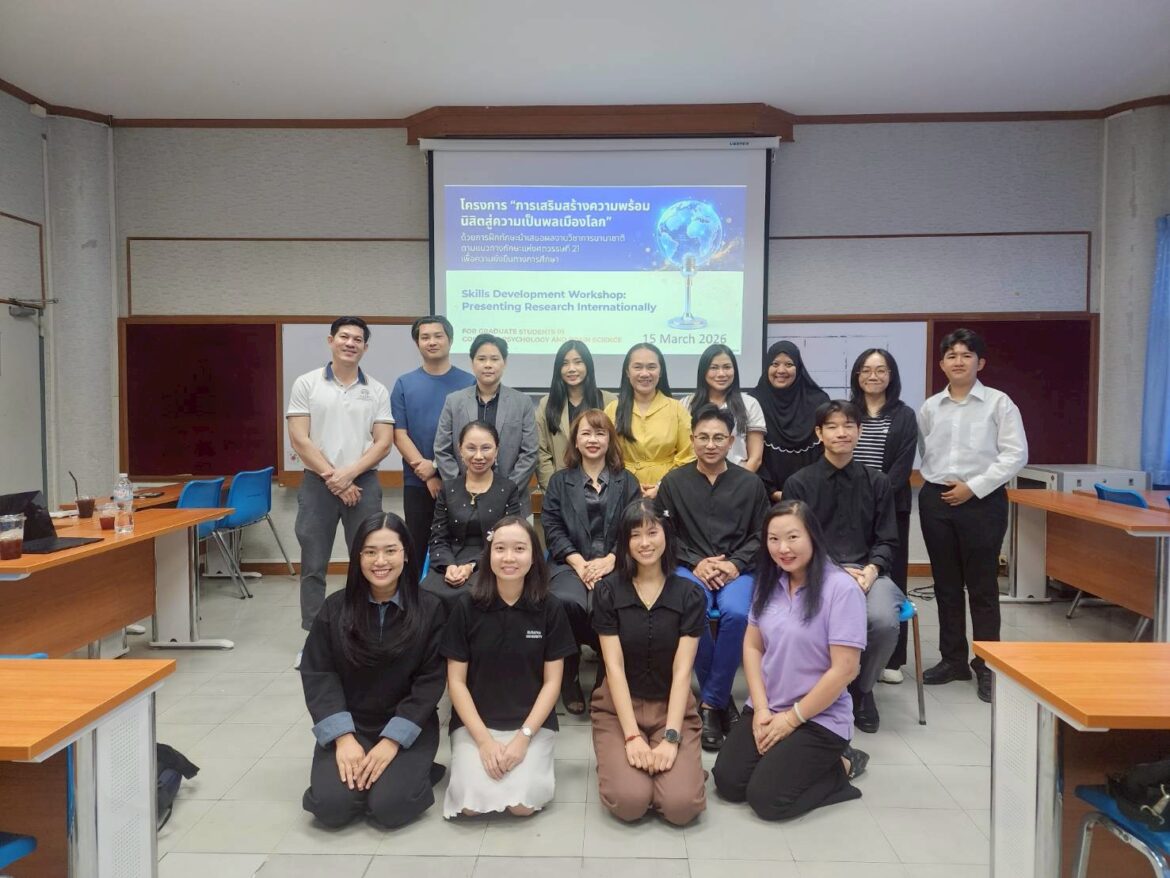
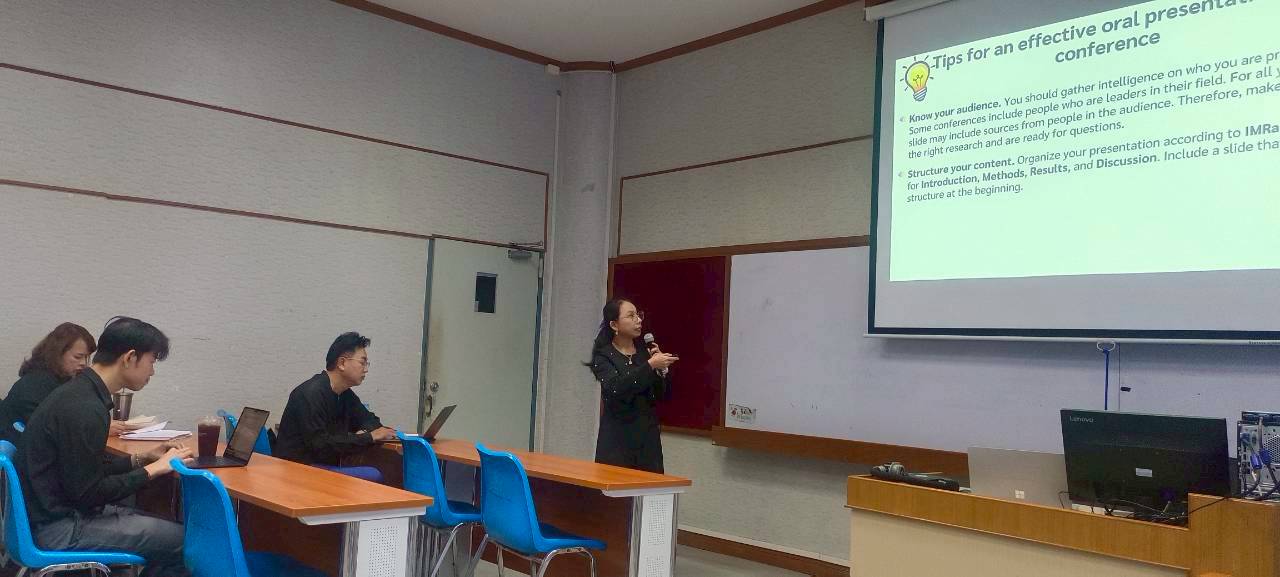
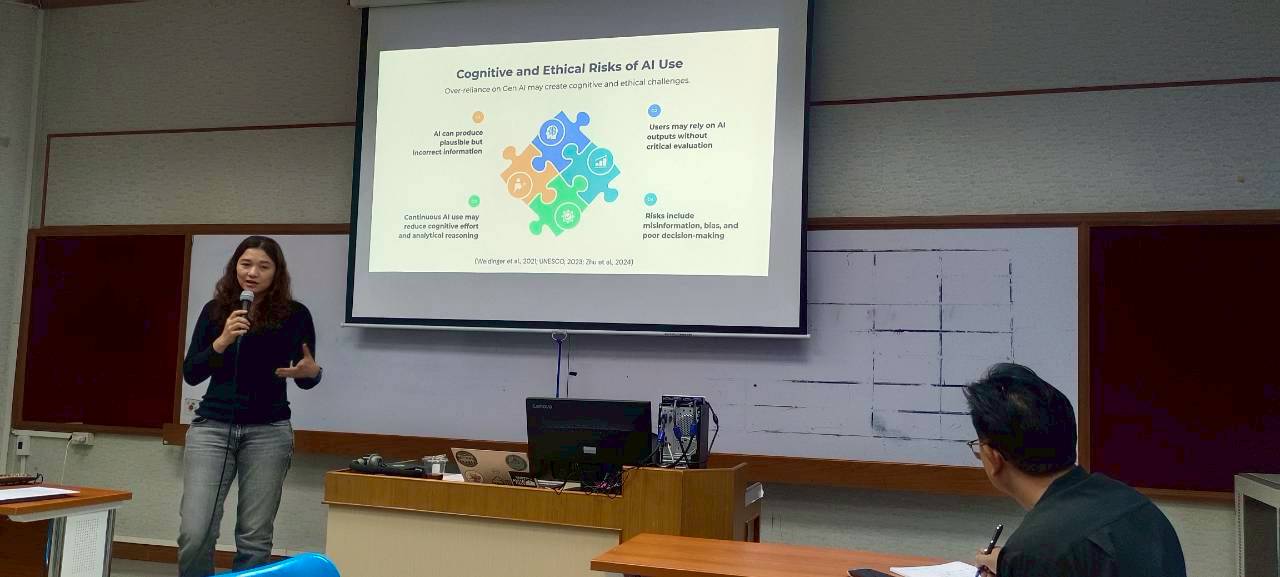
For this reason, the Cognitive Psychology and Brain Science Program organized the project entitled “Enhancing Student Potential and Preparing Students for Global Citizenship through International Academic Presentation Skills Training Based on 21st-Century Skills for Educational Sustainability,” which was held on March 15th, 2026. The project emphasizes authentic practice, expert feedback, and systematic reflection. It is expected to strengthen presentation skills, critical thinking, collaboration, confidence, technological competence, and readiness for international academic participation. The project directly contributes to SDG 4 by promoting quality education and lifelong learning. The project indirectly contributes to SDG 8 by strengthening students’ academic communication, collaboration, intercultural competence, digital literacy, and professional presentation skills. These competencies enhance students’ employability and preparedness for productive participation in national and international workplaces. Overall, it provides a systematic, measurable, and sustainable approach to preparing capable, responsible, and globally engaged graduates in a changing world.
Objectives:
1. To develop students’ 21st-century skills, including academic communication, critical thinking, collaboration, and intercultural competence
2. To strengthen students’ confidence and positive attitudes toward academic communication and presentation.
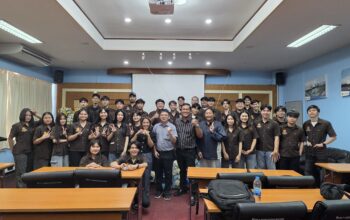
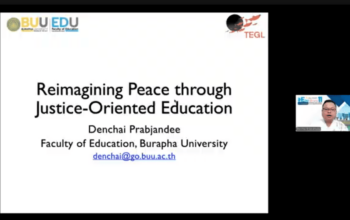
The project was conducted as a hands-on practice workshop in which students actively participated in academic presentation exercises, group activities, and practical communication tasks. Through direct practice, expert feedback, and reflection, students developed their academic communication, critical thinking, collaboration, and intercultural competencies.
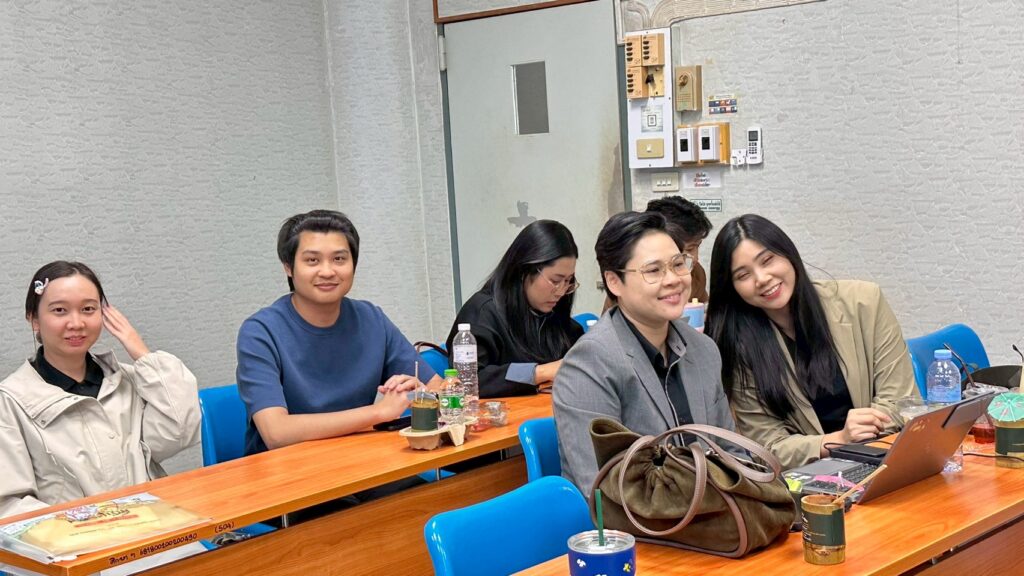
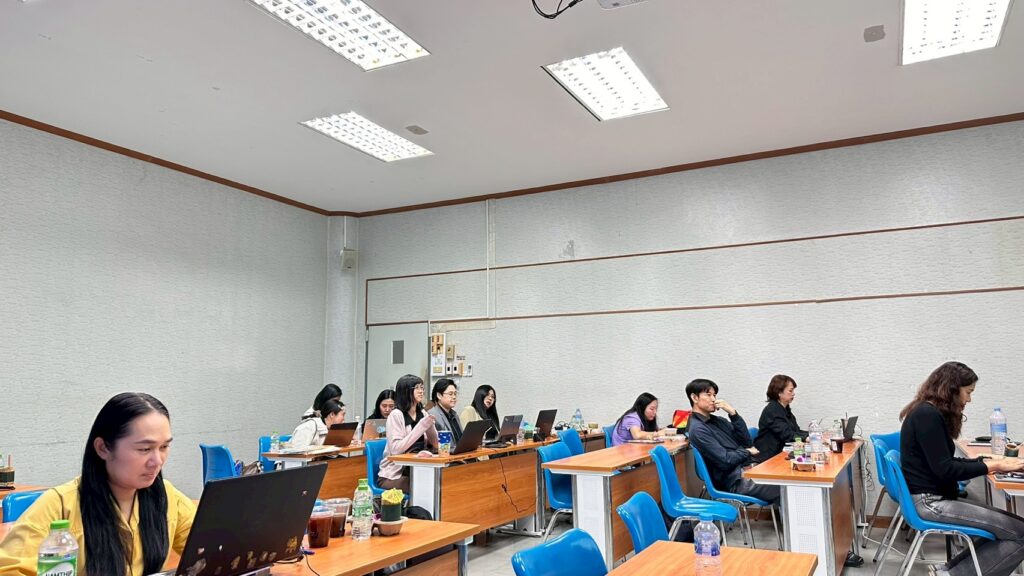
Positive Impacts to Academic Community: The project demonstrated positive impacts on: 1. Enhance the quality of students and prepare them to become global citizens. 2. Strengthen the academic works of the Faculty of Education, Burapha University, becoming an institution committed to developing students’ competencies at the international level. 3. Serve as a model for implementing 21st-century skills development projects that can be expanded and applied across all academic programs.
Project Leaders: Assistant Professor Dr. Warakorn Supwirapakorn, Associate Professor Dr. Juthamas Haenjohn, Assistant Professor Dr. Yoottana Janthakhin, and Dr. Jatuporn Namyen
Activity Date: 15 March 2026