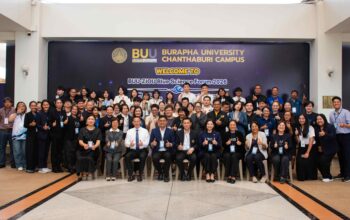
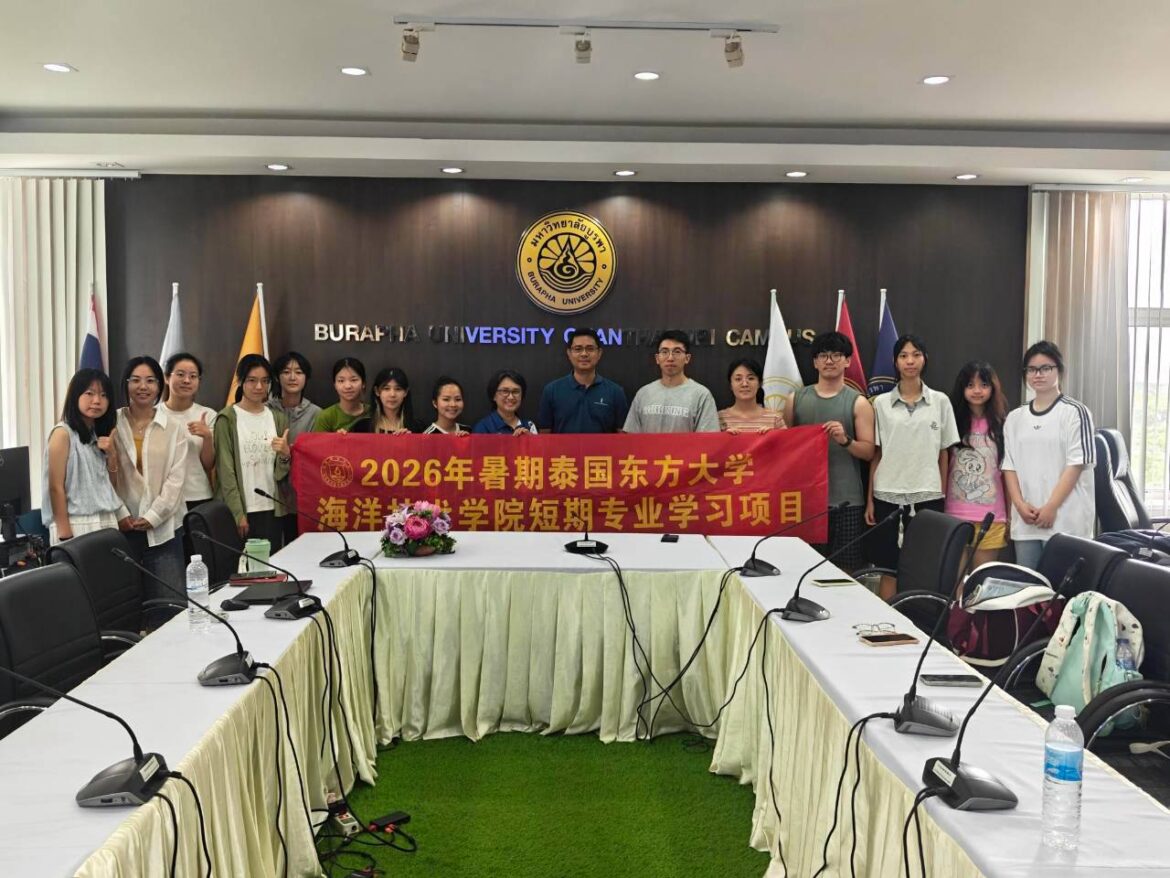
Global awareness of marine resource conservation and sustainable coastal development is now a critical international priority. The Faculty of Marine Technology at Burapha University, Chanthaburi Campus, recognizes its pivotal role in fostering international academic cooperation and knowledge exchange. This project was initiated in collaboration with Wenzhou Medical University (WMU), China, an established MOU partner. The program provides a vital platform for international students and faculty to engage in Active Learning, utilizing both advanced laboratory facilities and real-world coastal environments to address shared ecological challenges. By integrating rigorous scientific inquiry with local wisdom and cultural immersion, the program aims to build a strong, sustainable network of environmentally conscious youth who can drive positive societal change and safeguard marine ecosystems for future generations.
The primary objective is to enhance and exchange academic knowledge in marine technology, environmental science, and sustainable aquaculture through collaborative learning between faculty and students from both Burapha University and Wenzhou Medical University. Furthermore, the program aims to develop participating students’ intercultural communication skills and international teamwork capabilities, preparing them for future careers in a globalized workforce.
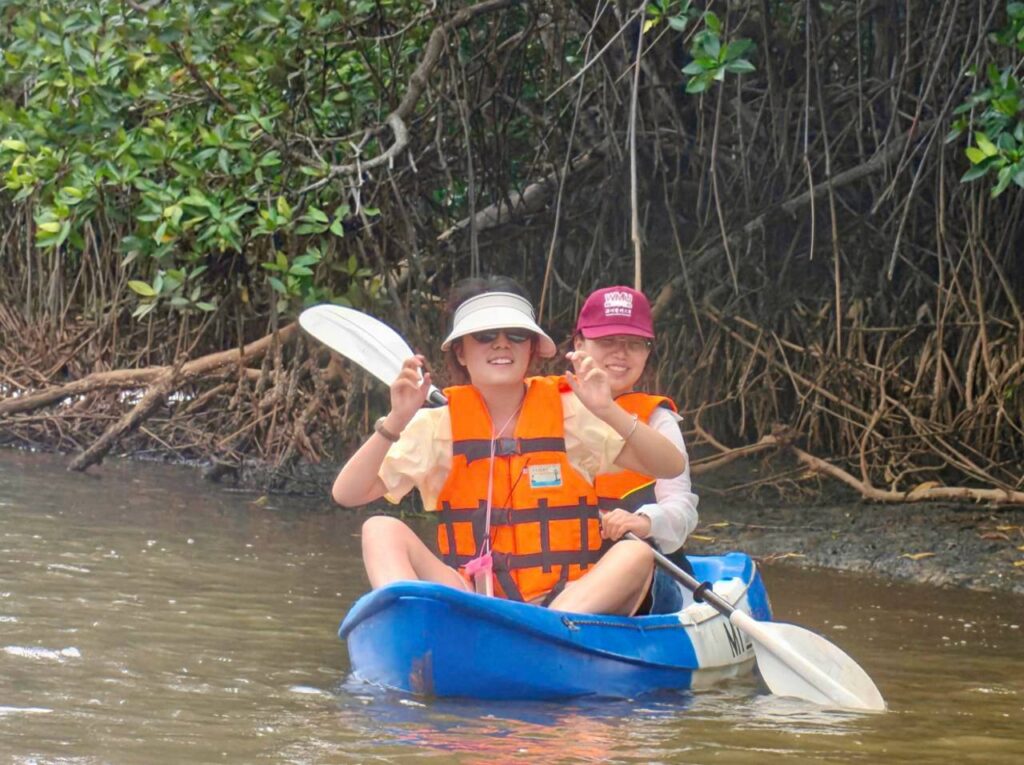
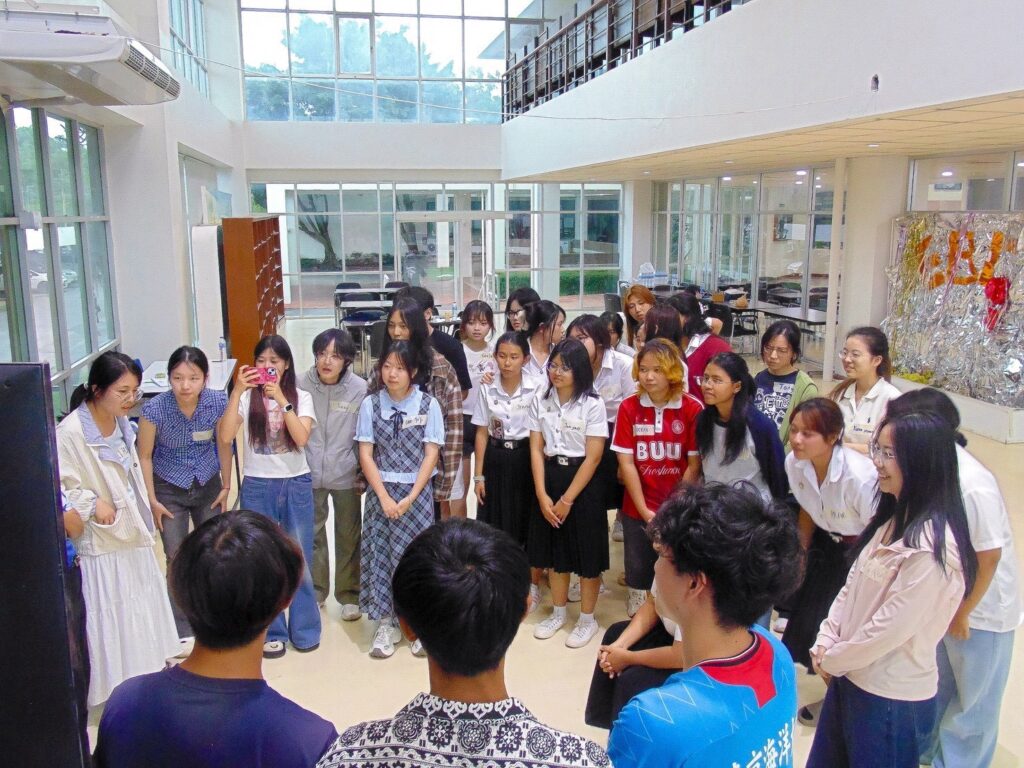
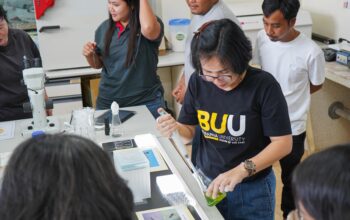
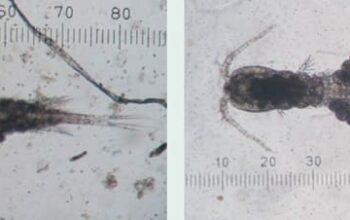
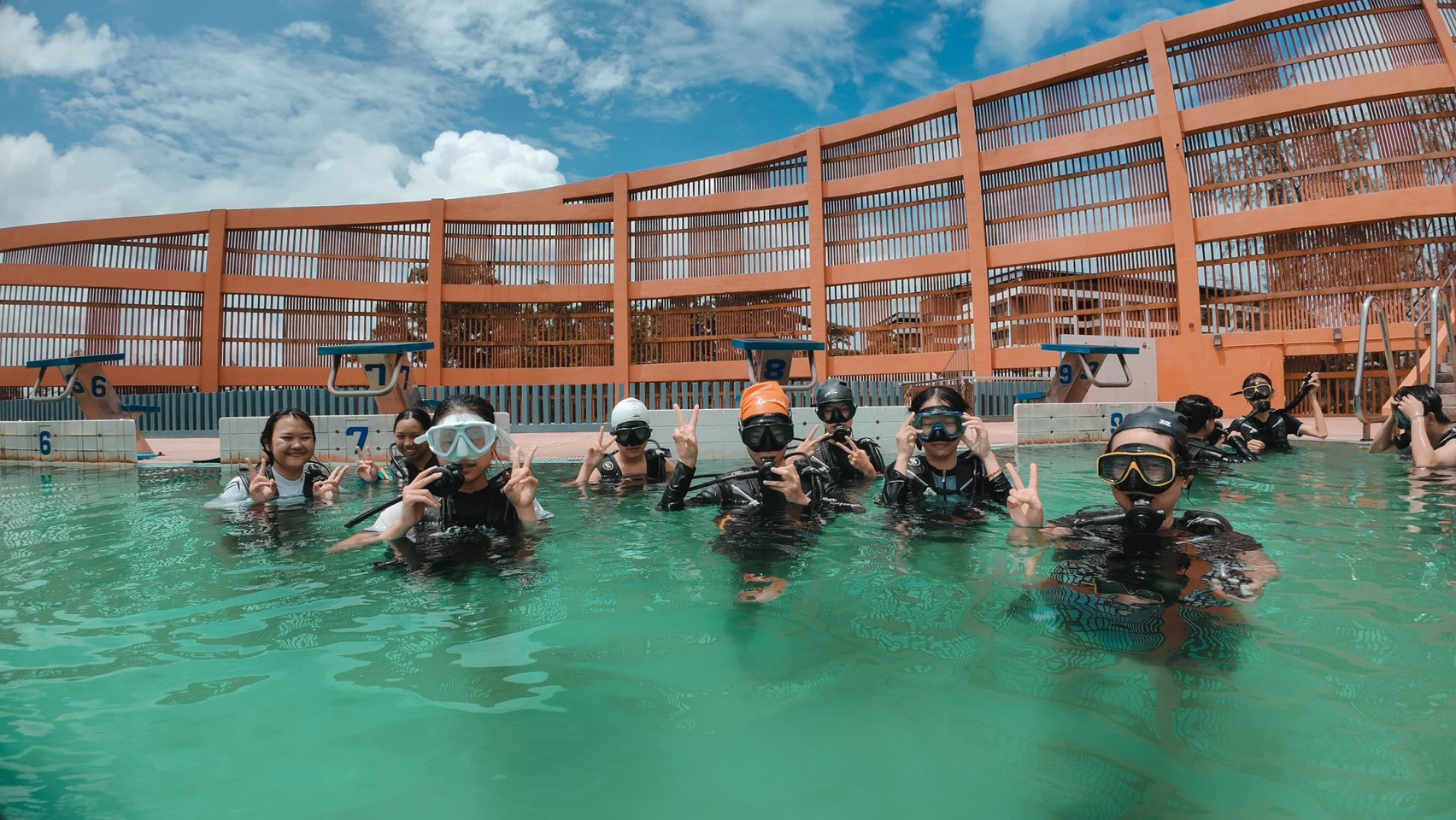
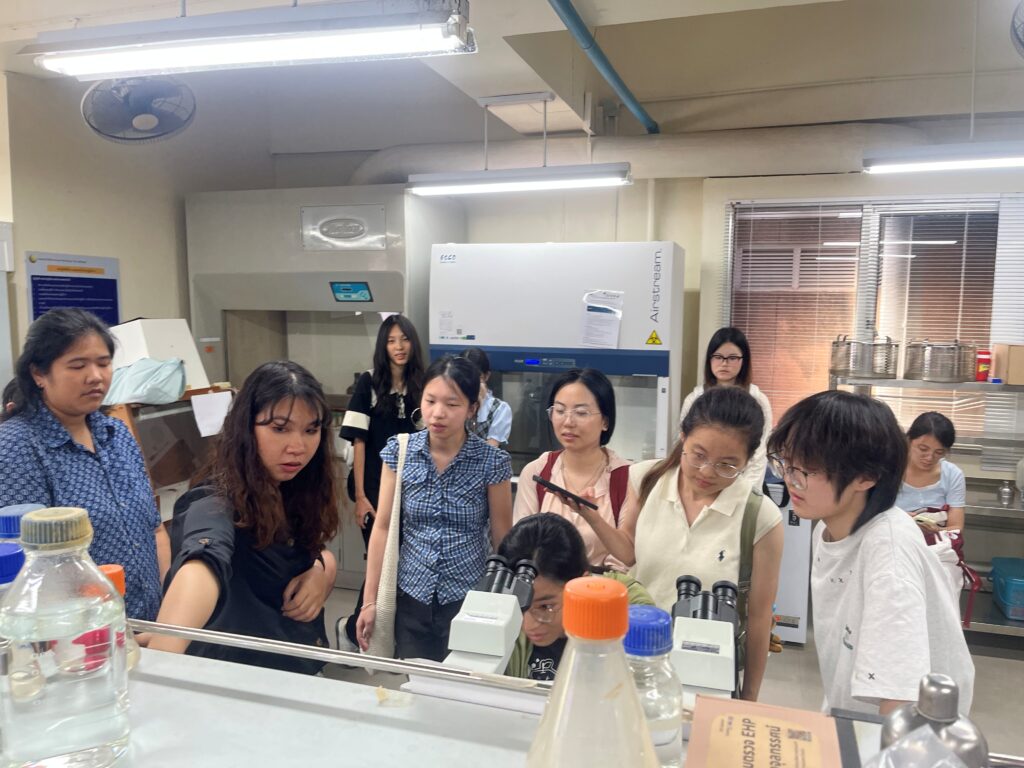
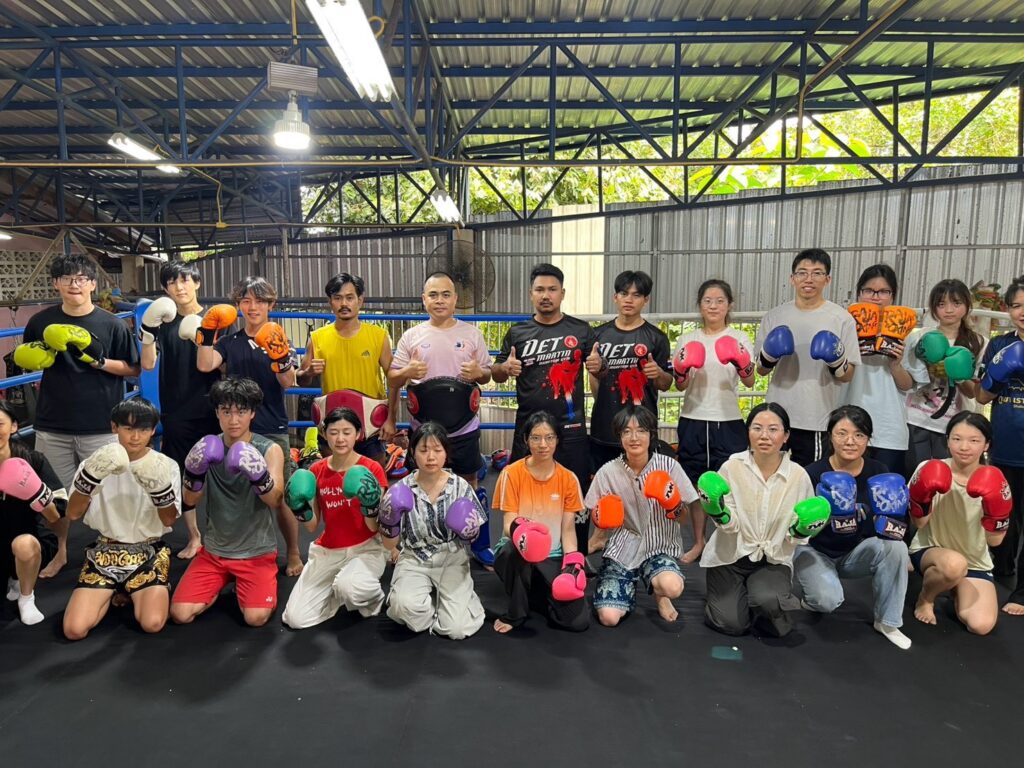
The program implements a comprehensive 15-day itinerary based on Active Learning principles, combining theoretical instruction with practical, hands-on experience. Key laboratory activities cover Water Quality Analysis, Aquatic Animal Health, and Seaweed Cooking Classes. Field-based learning is central to the curriculum, featuring sea kayaking in wetlands, a guided study at the Kung Krabaen Bay Royal Development Study Center, and skin-diving practice. The program integrates cultural and community immersion through an eco-tourism workshop at the Nam Chiao Community in Trat Province and a traditional Muay Thai training session. The program concludes with final presentations where students synthesize and share their findings, demonstrating a holistic understanding of the technological, ecological, and social dimensions of marine resources.
This project delivers significant impacts across multiple Sustainable Development Goals. Environmental impact is achieved by training future leaders in sustainable marine resource management and conservation practical skills (supporting SDG 14: Life Below Water). Social and social impacts are realized through the establishment of a robust international academic network, fostering cross-cultural understanding and global partnerships (supporting SDG 17: Partnerships for the Goals). Educational quality is elevated through internationalization and active learning pedagogical approaches (supporting SDG 4: Quality Education). The program provides economic impact to local communities, such as Nam Chiao, through sustainable eco-tourism activities integrated into the program (supporting SDG 8: Decent Work and Economic Growth). Institutionally, the faculty benefits from high participant satisfaction rates and generated revenue, enabling future sustainability and expansion of such impactful academic services.
Activities period: August 9 – 23, 2026
Project Leader: Assistant Prof. Penchan Laongmanee