The aquaculture industry’s continued expansion has significantly increased demand for high-quality live feed to support the survival and growth of aquatic larvae. Marine copepods, particularly Apocyclops royi, are superior to traditional live feeds due to their rich nutritional profile, containing essential Highly Unsaturated Fatty Acids (HUFAs) such as EPA and DHA. Despite their high potential, successful cultivation requires specific expertise in water quality and system management, which is currently limited to specialized research units. This project bridges that gap by transferring practical knowledge to local farmers, aiming to reduce production costs, decrease reliance on imported feed, and promote sustainable aquaculture practices.
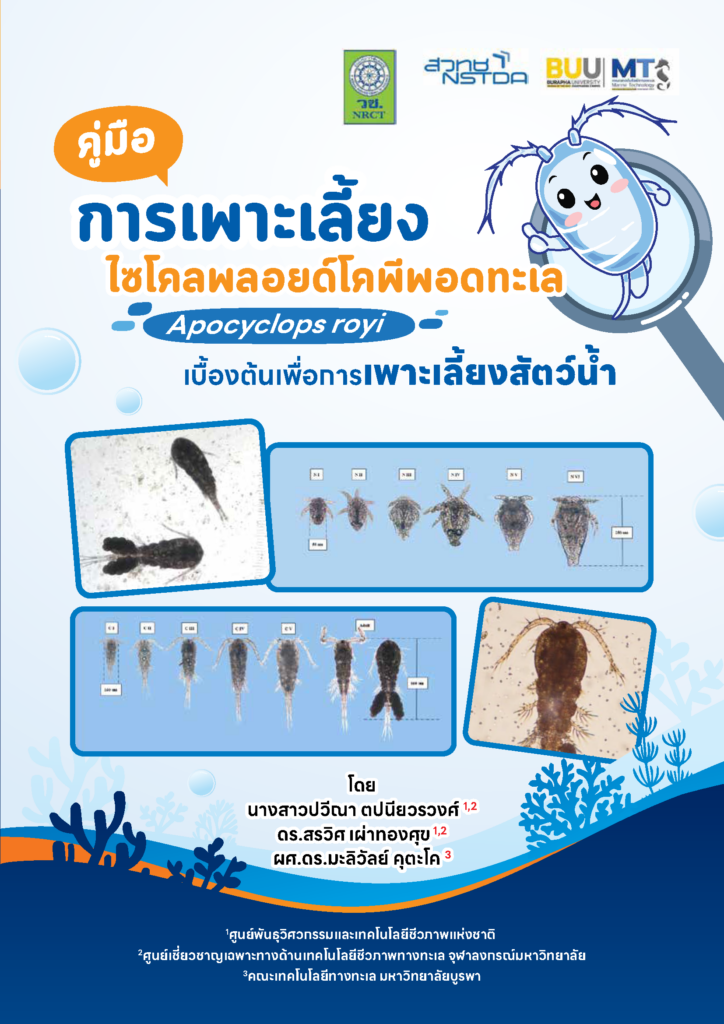
The aims
1. To equip participants with a comprehensive understanding of the foundational principles of marine copepod cultivation.
2. To provide actionable skills so attendees can effectively design and set up their own copepod cultivation systems.
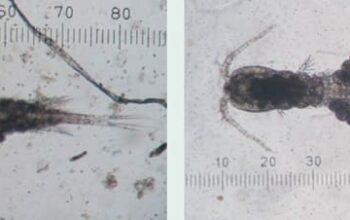
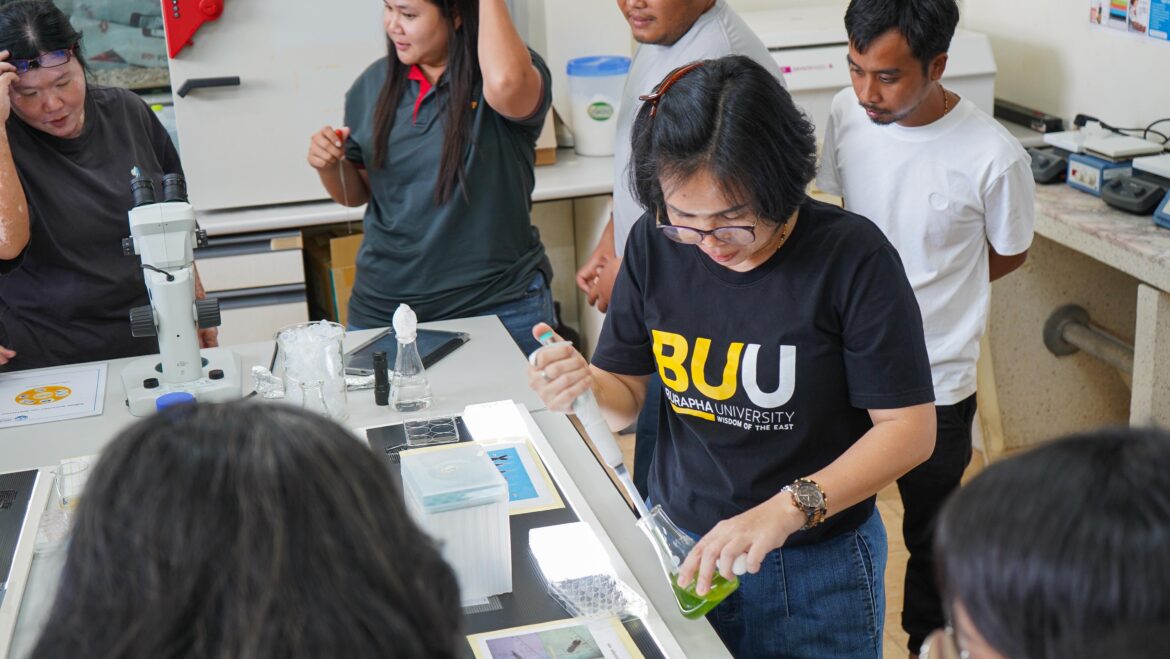
The project is executed as an intensive workshop that combines theoretical lectures with hands-on practical sessions. Participants learn about copepod biology, life cycles, and the production of microalgae used as copepod feed. The practical modules guide attendees through preparing water systems, managing daily feeding, and maintaining optimal water quality. Additionally, experts from Burapha University, BIOTEC, and Chulalongkorn University lead laboratory sessions on counting copepods under microscopes, harvesting techniques, and troubleshooting common cultivation problems. Additionally, the project distributed the manual titled ‘Basic Cultivation of Marine Cyclopoid Copepods (Apocyclops royi) for Aquaculture’ to the participants and the interested public. It is available for access at https://link.buu.ac.th/copepod
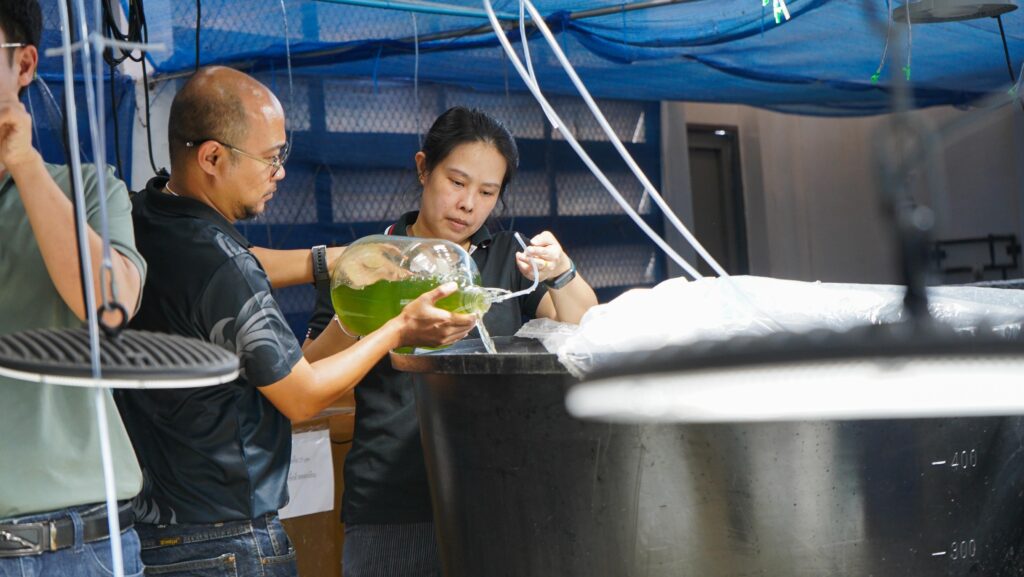
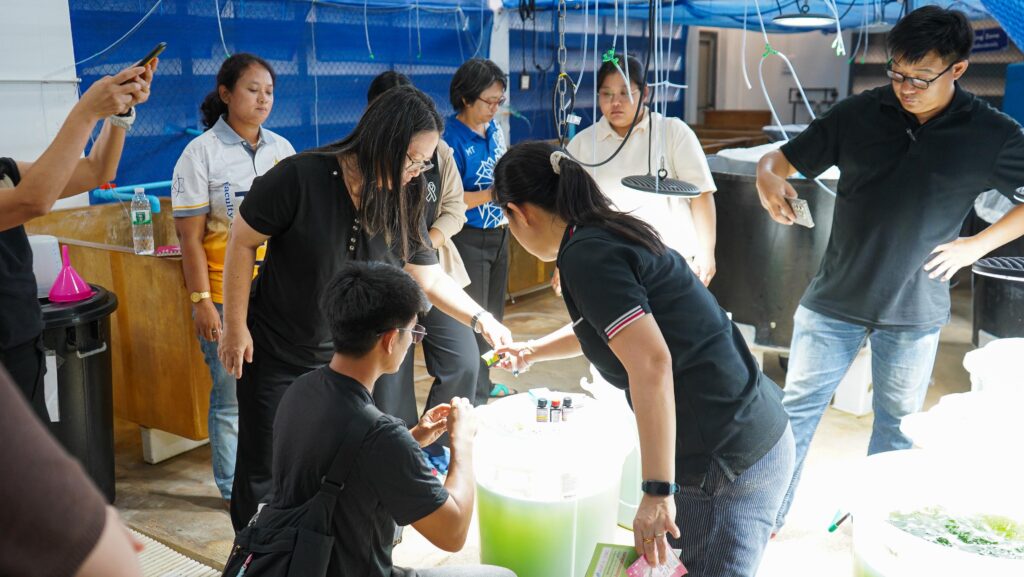
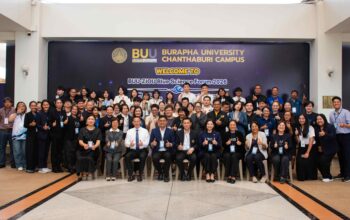
The workshop successfully engaged 40 participants, encompassing aquaculture farmers, hatchery entrepreneurs, students, and researchers. By equipping these stakeholders with technical skills, the project strengthens domestic live feed production, directly lowering operational costs and improving survival rates for farmed aquatic larvae. This aligns with sustainable economic growth and food security goals (SDG 2 and SDG 14). Institutionally, the project achieved a participant satisfaction rate of over 80% and generated academic service revenue, reinforcing the faculty’s commitment to delivering impactful, sustainable marine innovations to the community.
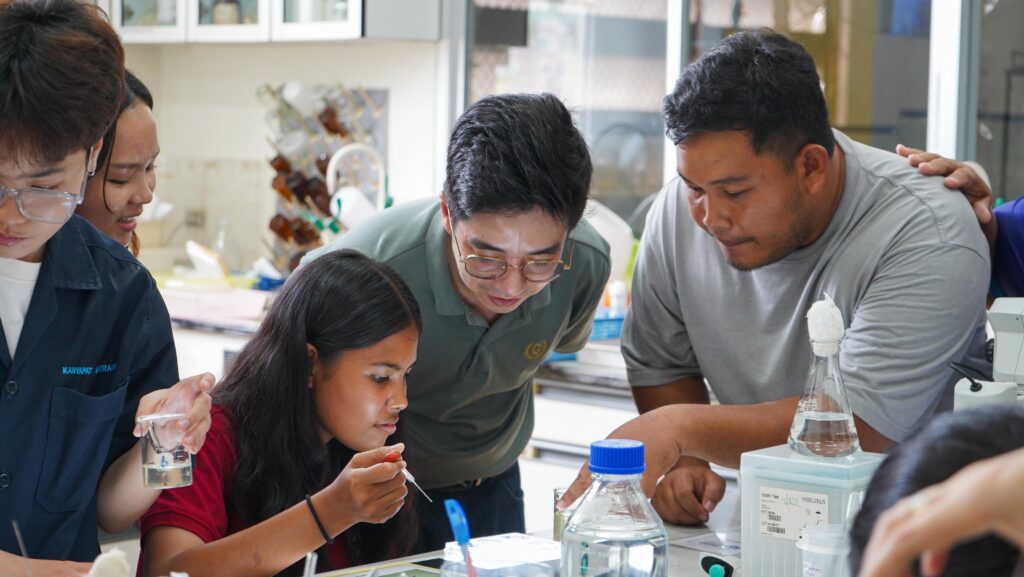
Activity Date: July 11, 2026
Program Leader: Assistant Prof. Dr. Maliwan Kutako