
The Department of Psychiatry, Faculty of Medicine at Burapha University, provides comprehensive mental health care for patients facing various conditions, including mood disorders, schizophrenia, and nicotine, substance, or alcohol dependence. Our approach integrates medical treatments with psychotherapy, social skills rehabilitation, and multidisciplinary support.
As a dedicated care center for the general public, Burapha University students, and staff, our mission is to alleviate symptoms and enhance overall mental well-being. Effective recovery, however, requires continuous monitoring alongside a strong support system from families and communities—the crucial pillars that foster acceptance and holistic healing.
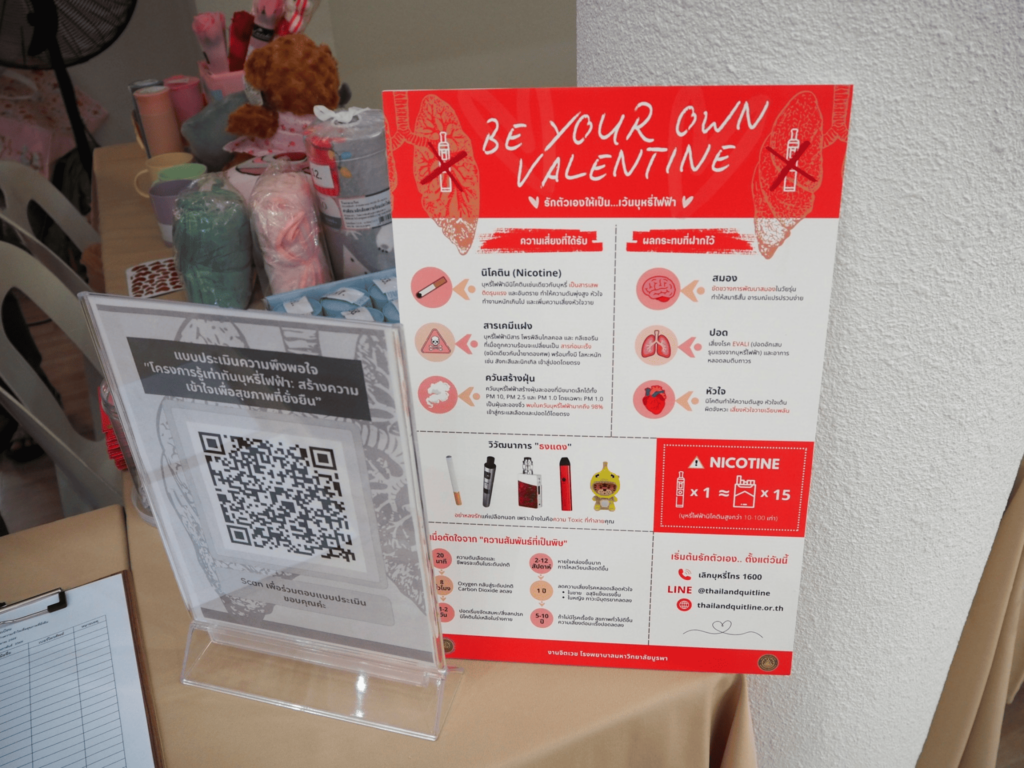
Recognising these needs, the Department of Psychiatry launched the “Vaping Awareness Project: Fostering Understanding for Sustainable Well-being.” Directed at Burapha University students and the general public, this initiative aims to cultivate accurate knowledge about e-cigarettes and their profound impacts on both physical and mental health.
Project Coordinator: Suksom Soponudomsub, M.D., Lecturer, Department of Psychiatry

Objectives:
To equip the younger generation and the general public with knowledge-based immunity and positive attitude shifts, empowering them to navigate and protect themselves against this silent threat of the digital age.

Program Activities:
3 Activity Highlights: Busting Myths, Building Mindfulness
• Activity 1: “Navigating Vaping Awareness”
o Core Content: This session digs deep into the root causes of vaping, exploring why people start—whether driven by stress, social image, or peer pressure. It equips participants with the critical-thinking skills needed to identify marketing tactics and understand the true harms of e-cigarettes.
o Facilitators: Led by Ms Pornpailin Uthaijanthawana and Ms Chanitshaphorn Phittayaranworada, Registered Nurses.
• Activity 2: “Surrounding Ourselves with Kindness”
o Core Content: This workshop focuses on fostering a positive environment through psychological support. Mental health struggles and substance dependency are heavily alleviated when individuals receive empathy, acceptance, and active support from those around them.
o Facilitator: Led by Ms Nichakan Saenphakdee, Social Worker.
• Activity 3: “Paper-Bound Hearts”
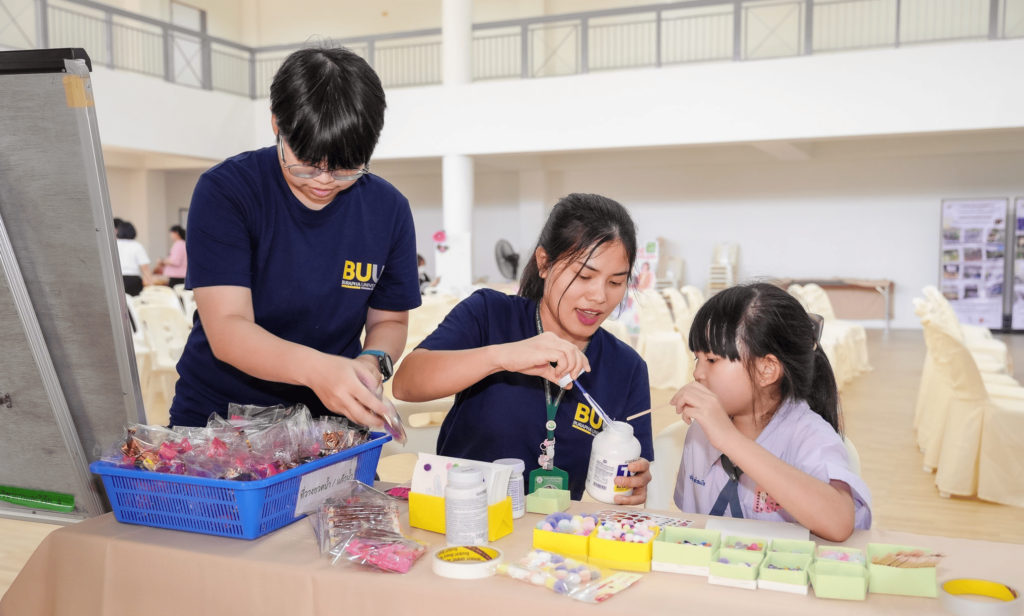
o Core Content: Utilising art therapy and expressive writing, this session serves as a tool for healing and stress relief. It acts as an indirect form of psychotherapy and social skills rehabilitation, allowing participants to convey positive emotions safely.
o Facilitator: Led by Ms Juthamas Sawaengnin, Nurse Aid.
Expected Outcomes (Impacts):
This project serves as a vital catalyst for the United Nations Sustainable Development Goals (SDGs), directly advancing human health, well-being, and education.
🟢 SDG 3: Good Health and Well-being
- Enhancing Substance Prevention: By spreading accurate knowledge and raising awareness about the risks of vaping, the project directly supports initiatives to reduce tobacco and nicotine dependence.
- Integrating Physical and Mental Health: The initiative highlights how e-cigarettes impact both body and mind, particularly for psychiatric patients undergoing treatment for conditions like mood disorders or schizophrenia.
- The Power of Community Care: It reinforces that achieving long-term mental well-being and recovery relies on continuous professional monitoring, blended with a compassionate, accepting family and social environment.
🔵 SDG 4: Quality Education
- Promoting Lifelong Learning: The project provides students and the public with access to essential health literacy outside the traditional classroom, building vital life skills to resist negative peer pressure and environmental triggers.
A Commitment to Sustainability: The Department of Psychiatry, Faculty of Medicine, Burapha University, remains dedicated to providing multidisciplinary care that integrates medical treatment and psychotherapy. This project underscores our core belief: “Prevention and community understanding are the ultimate vaccines for building a safe and sustainably healthy society.”
Date of Implementation: Feb 12, 2026