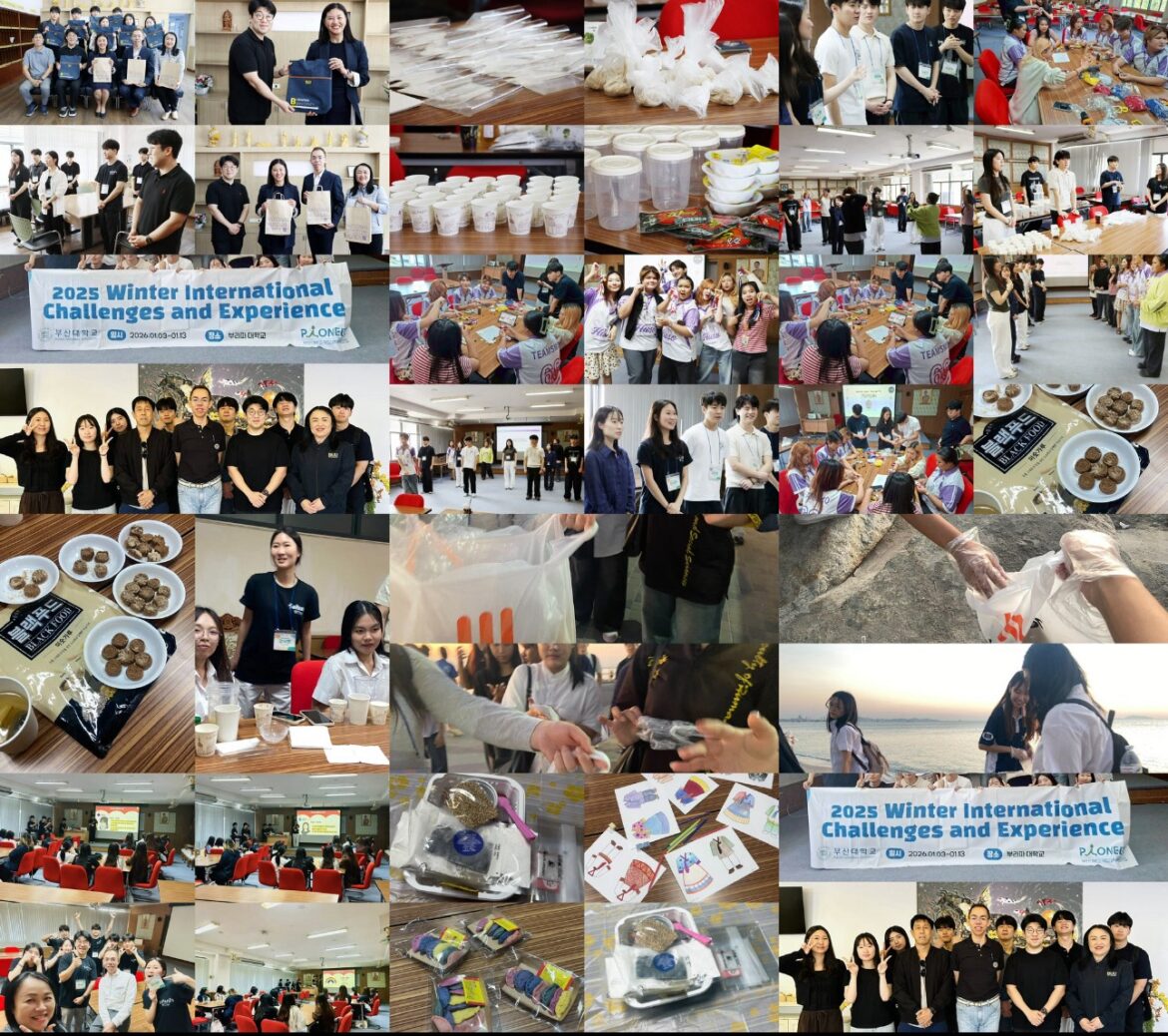
Learning foreign languages and cultures is a vital skill for global communication, cross-border collaboration, and adapting to multicultural societies. Specifically, the popularity of the Korean language in Thailand has experienced continuous growth, driven by strong economic ties and the global phenomenon of K-Culture—encompassing music, dramas, cuisine, and lifestyle. This has led to a steadily increasing demand for Korean language and cultural education.
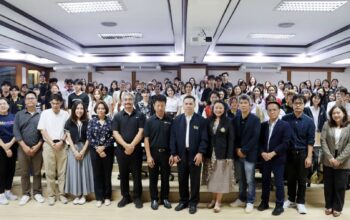
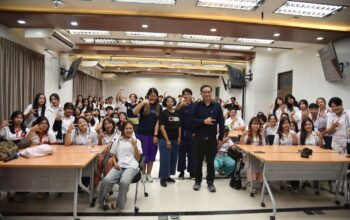
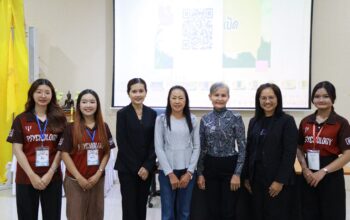
Recognizing this importance, the Department of Eastern Languages (Korean Language Program), in collaboration with the Division of Student Affairs at Pusan National University (PNU)—ranked 301–400 globally in Social Sciences by Times Higher Education in 2025—organized the 7th “Language and Culture Exchange Program in Collaboration with Pusan National University.” Held from January 3 to 12, 2026, at the Faculty of Humanities and Social Sciences, PNU dispatched an inbound volunteer delegation consisting of 7 students and 1 supervising faculty member to facilitate language and cultural activities for Thai students majoring in Korean.
This project aims to cultivate essential 21st-century skills, including life skills, adaptability, and cross-cultural understanding, alongside critical thinking, problem-solving, creativity, and teamwork. Utilizing an experiential learning approach, the program effectively prepares Thai students to step onto the international stage, empowering them for future academic pursuits, career advancement, and global cultural exchanges.
The aims:
1. To enhance students’ Korean language proficiency and deepening their understanding of Korean culture through collaborative learning with volunteers from Pusan National University.
2. To develop students’ core 21st-century skills, including critical thinking, problem-solving, creativity, teamwork, and cross-cultural adaptability in a multicultural society.
3. To foster experiential learning opportunities that prepare students for the global stage, equipping them for future academic pursuits, professional careers, and international cultural exchanges.
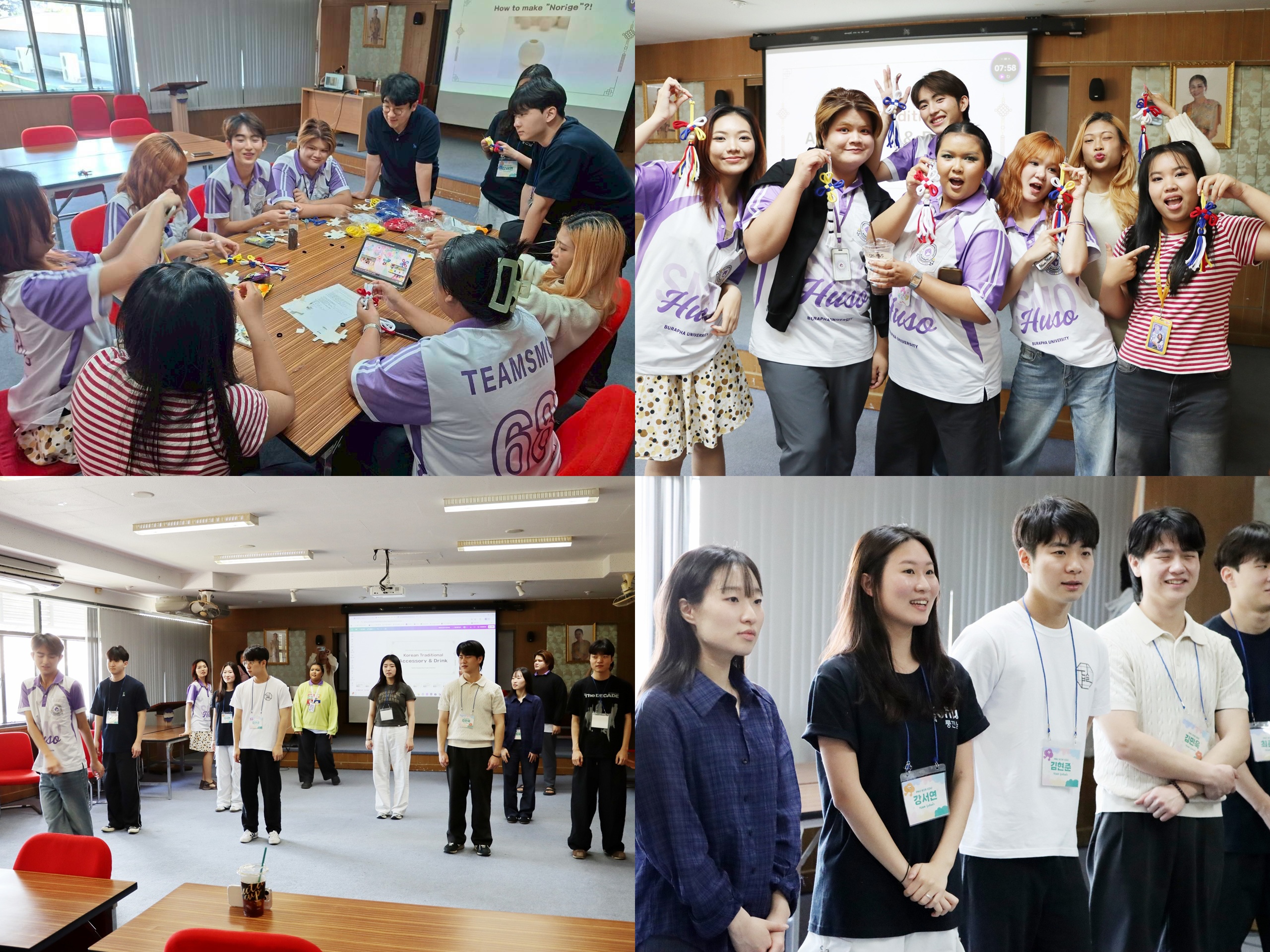
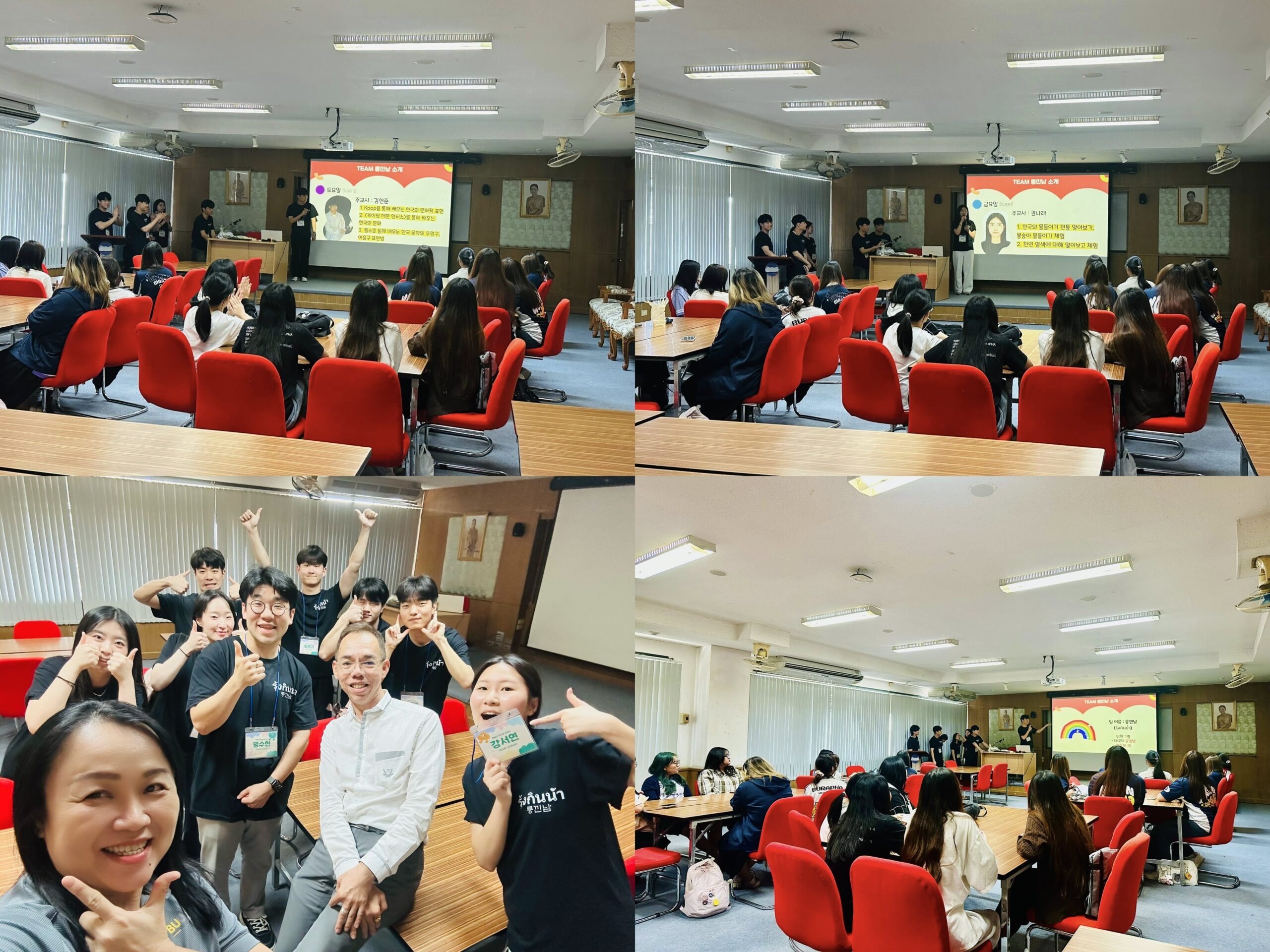
From January 3 to 12, 2026, a delegation of students from Pusan National University (PNU), Republic of Korea, conducted academic and cultural activities for students majoring in Korean and others within the Faculty of Humanities and Social Sciences at Burapha University. This was part of the “Language and Culture Exchange Program in Collaboration with Pusan National University.”
The program featured diverse activities, including crafting mother-of-pearl bookmarks, playing traditional Korean folk games, studying Korean poetry, and learning about seasonal festivals and traditional attire. Students also engaged in hands-on workshops to make traditional Korean snacks and beverages, and explored eco-friendly flower and natural dyeing techniques. Modern Korean culture was also integrated, covering topics such as K-POP, K-POP Demon Hunters, Reels video creation, and sports culture, alongside academic sessions on Korean grammar, regional dialects, and everyday conversational phrases.
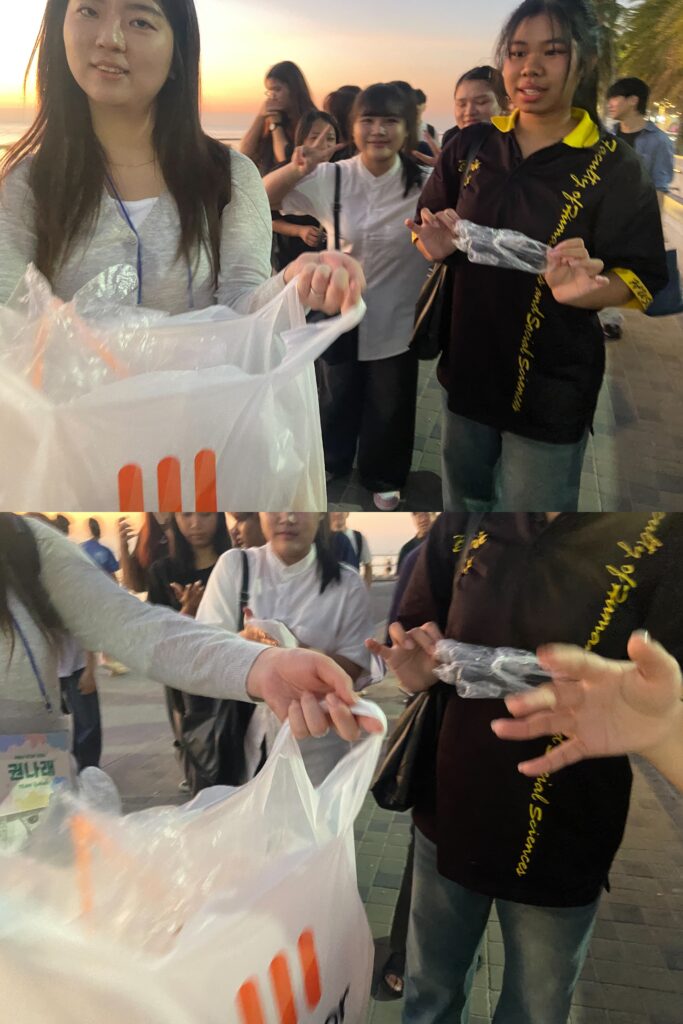
Furthermore, an eco-volunteer activity was organized to collect waste along Bangsaen Beach. This initiative actively promotes environmental conservation in alignment with the Sustainable Development Goals (SDGs) and the Green University policy, while fostering cross-cultural exchange and strengthening ties between Thai and Korean students.
This successful initiative is a collaboration between the Korean Language Program (Department of Eastern Languages, Faculty of Humanities and Social Sciences, Burapha University) and the Division of Student Affairs (Pusan National University, Republic of Korea). The Faculty of Humanities and Social Sciences expresses its deepest gratitude to Pusan National University for their continuous and invaluable academic collaboration.
The project highlights and thank-you messages from the Korean language students to the PNU volunteer team can be viewed on the “Korean BUU”
YouTube channel: https://youtu.be/rZkQoDmtY9s?si=NToFer6vp-s8LGEW
The impacts:
1. Students significantly enhanced their Korean language proficiency through active communication and engagement. They also developed essential 21st-century competencies and gained profound inspiration for future academic pursuits, professional careers, and life in an international context.
2. The project successfully advanced experiential learning by integrating Korean language, culture, art, literature, and contemporary media into practical activities. This modernized the teaching and learning approach, aligning it with the realities of today’s globalized world.
3. The initiative strengthened ongoing academic collaboration between the two institutions. Marking the 7th iteration of joint activities, this milestone underscores the resilience of the international partnership and elevates the university’s global visibility and internationalization profile.
4. The program fostered mutual understanding and goodwill between Thai and Korean students, encouraging creative appreciation for cultural diversity. Additionally, it contributed to preserving and promoting traditional Korean heritage through hands-on folk games, crafts, literature, and traditional arts.
5. The beach clean-up activity at Bangsaen beach cultivated environmental awareness and highlighted the importance of marine resource conservation. This initiative directly advances the Sustainable Development Goals (SDGs) and reinforces the university’s Green University policy.
6. This project serves as a cornerstone for expanding future institutional cooperation, paving the way for further student exchanges, joint academic activities, research collaborations, and international cultural programs.
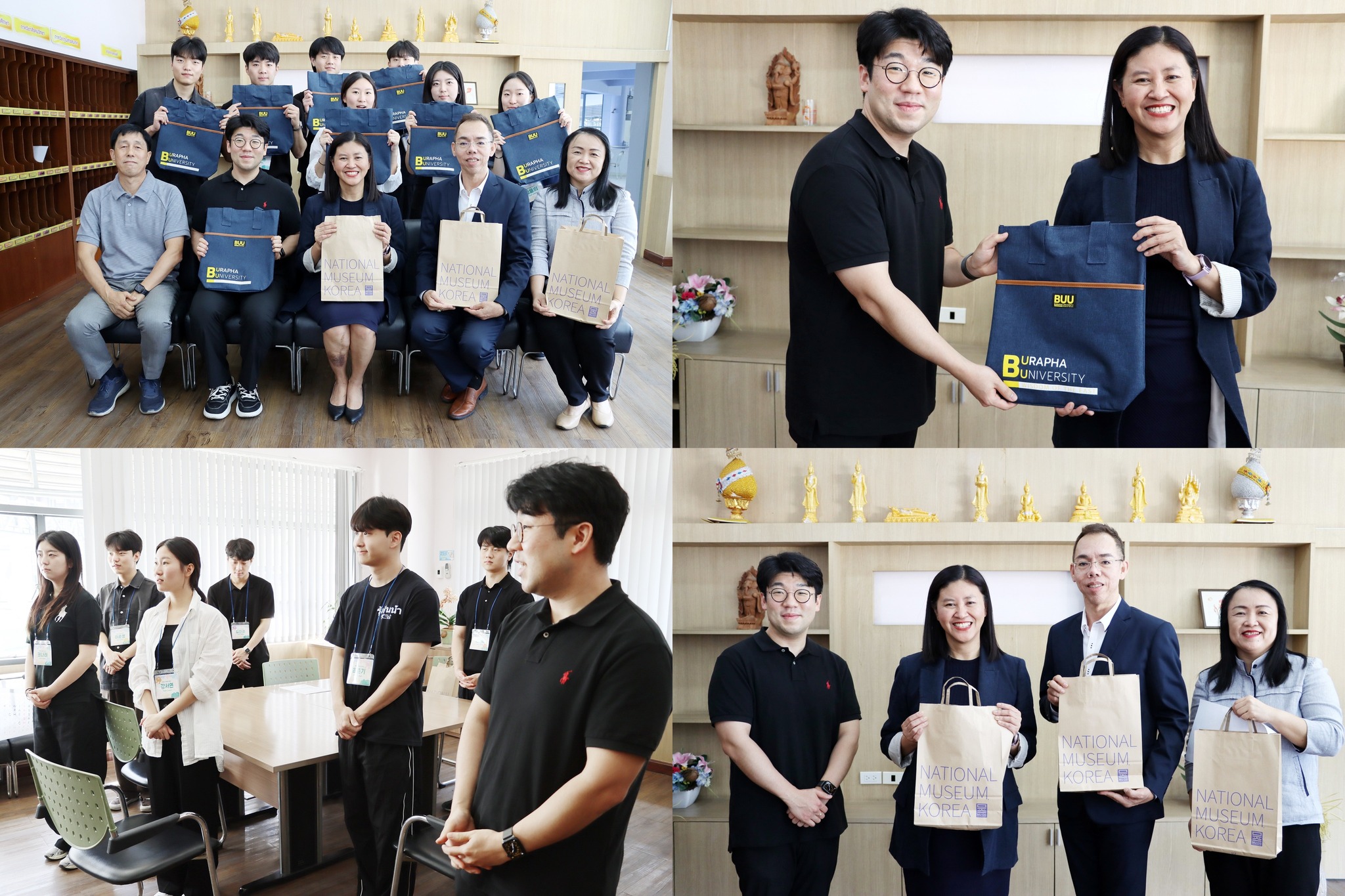
Project Leaders: Assisstant Prof. Uraiwan Jitpenthom Kim , Dr. Kitae Kim (Ph.D.)