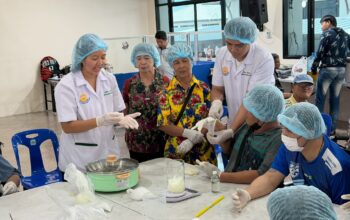
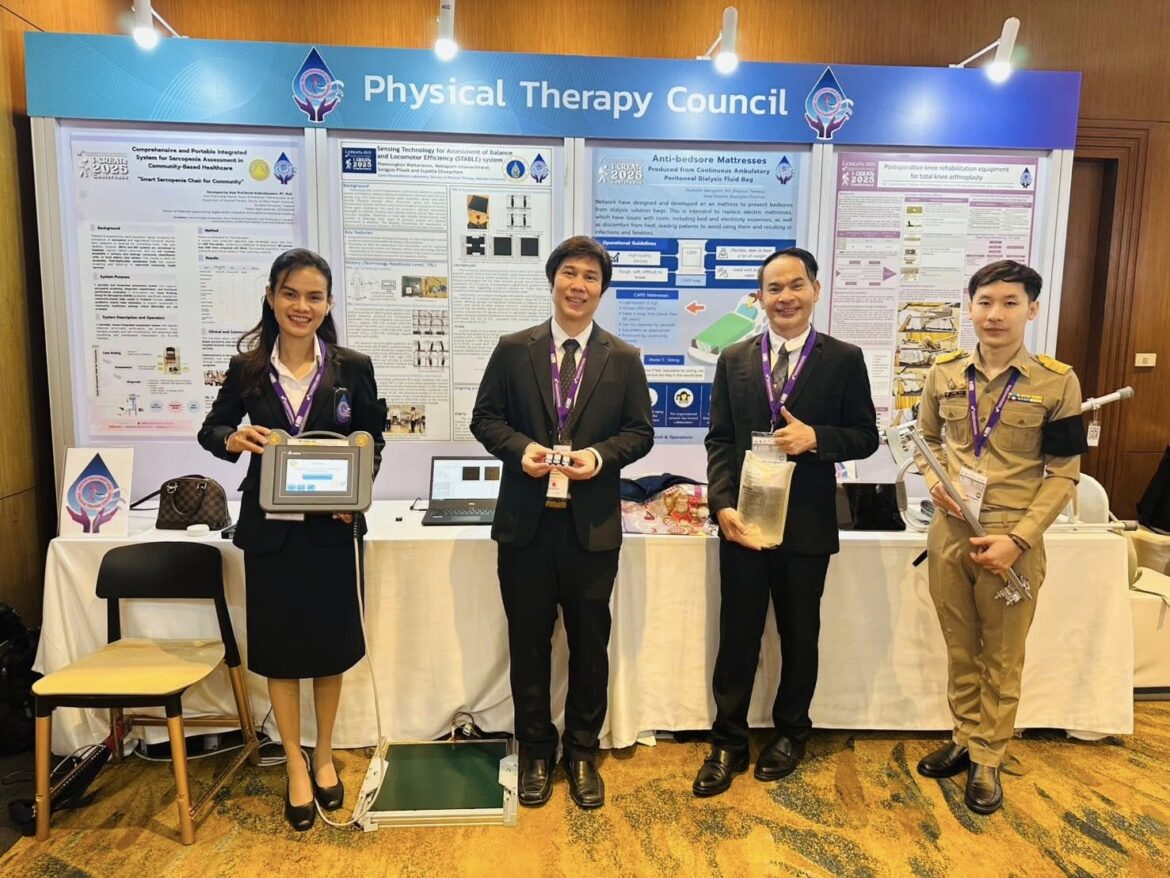
The Smart Sarcopenia Chair for Community was developed to support early screening of sarcopenia among older adults and vulnerable populations in community-based healthcare settings. The innovation was designed in response to the growing need for accessible, low-cost, and accurate health screening tools that can be used without highly specialized personnel. Developed in line with AWGS international standards, the chair integrates digital sensors and predictive equations based on Thai population data, making it relevant to the national health context. Its presentation at i-CREATe 2025 reflected the potential of Burapha University’s research and innovation to improve public health, reduce healthcare burdens, and enhance quality of life through practical and human-centered technology.
The aims:
1.To develop an innovative and portable device for comprehensive sarcopenia assessment in community-based healthcare
2.To improve early detection of muscle mass loss among older adults and vulnerable groups.
3.To reduce the burden on medical personnel through a user-friendly screening tool.
4.To promote equitable access to preventive healthcare services in community settings.
5.To showcase Burapha University’s research and innovation at the international level.
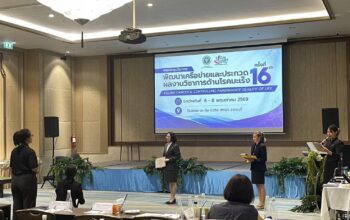
The innovation was presented and demonstrated on November 24–25, 2025, during i-CREATe 2025 (International Convention on Rehabilitation Engineering and Assistive Technology) at The Athenee Hotel, Wireless Road, Bangkok. Assistant Professor Sirirat Kiattikunanasorn, on behalf of the Faculty of Allied Health Sciences, Burapha University, and the Physical Therapy Council, presented the Smart Sarcopenia Chair for Community before Her Royal Highness Princess Maha Chakri Sirindhorn. The device was introduced as a prototype for proactive community screening, highlighting its portability, ease of use, low cost, and high accuracy compared with standard high-cost equipment. The project also demonstrated the application of research findings to healthcare innovation that responds directly to the needs of Thai society.
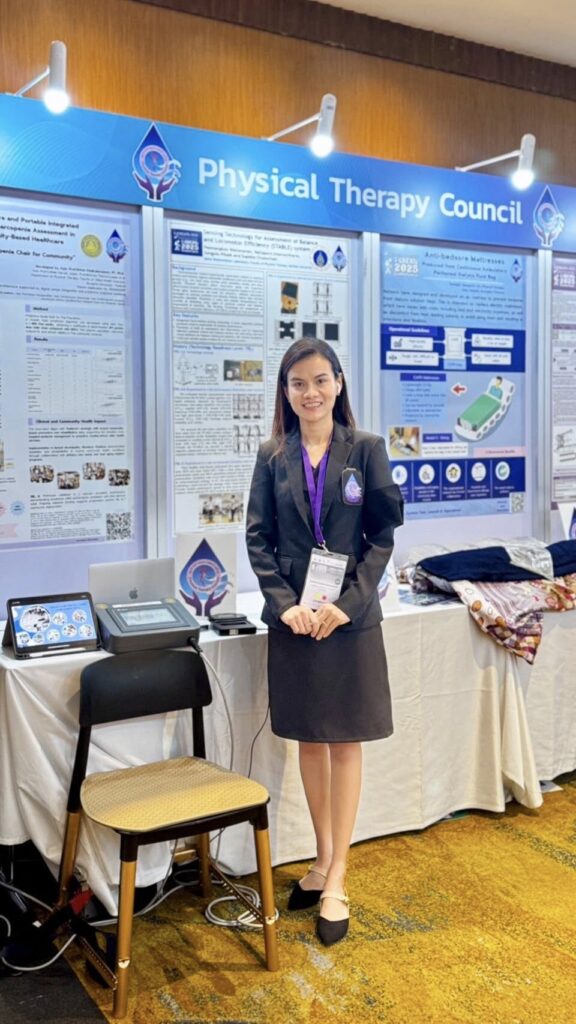
The project demonstrated strong potential to support proactive sarcopenia screening in communities, especially for older adults and vulnerable populations. It can help increase access to healthcare services, reduce the workload of healthcare personnel, and enable earlier detection and timely intervention. In the long term, the innovation may contribute to reducing dependency and improving quality of life among at-risk groups. The project also strengthened the visibility of Burapha University’s research and innovation at an international conference and highlighted the value of collaboration between the university, professional councils, and health-related institutions.
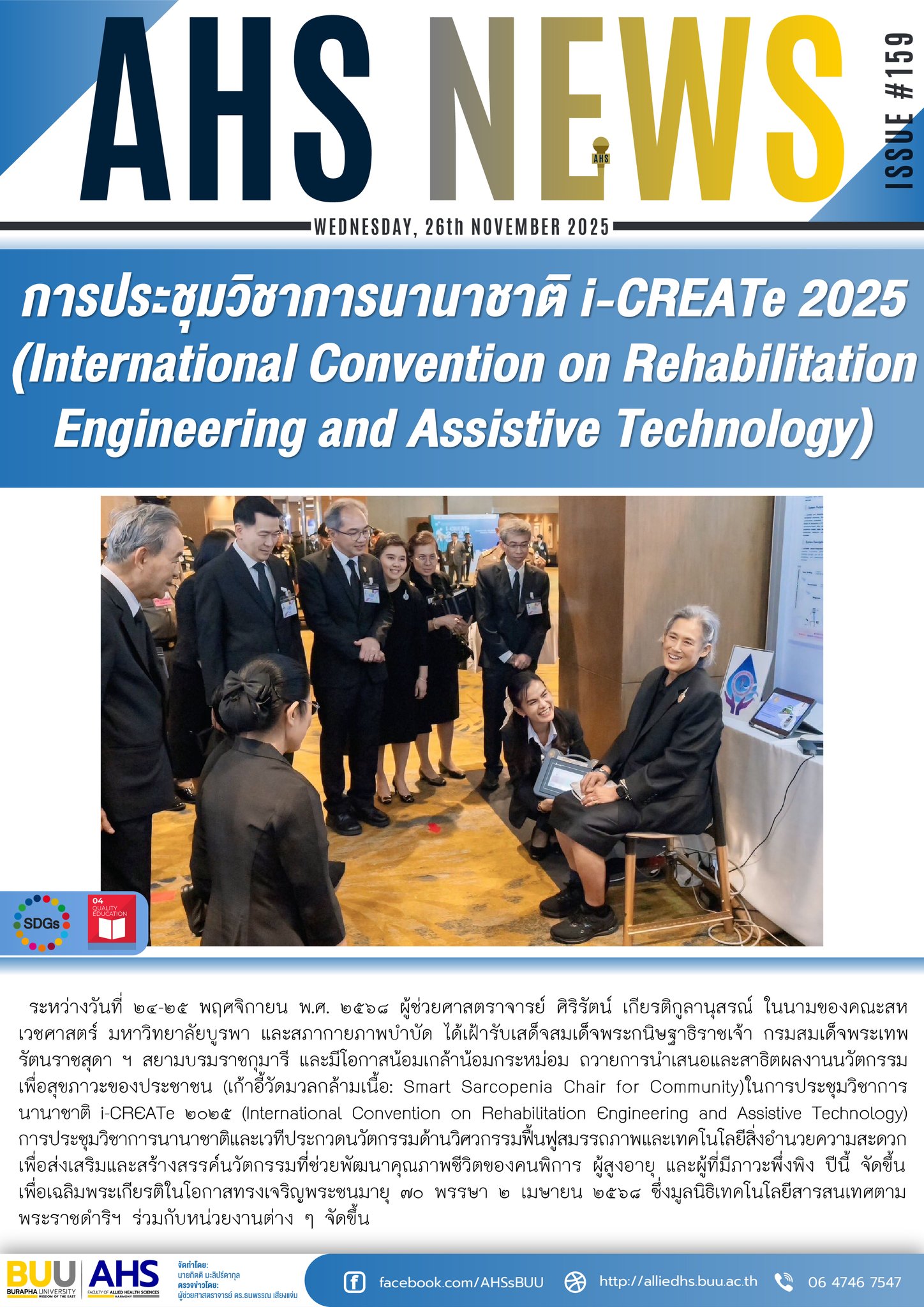
Project Leader: Assistant Professor Dr. Sirirat Kiattikunanasorn