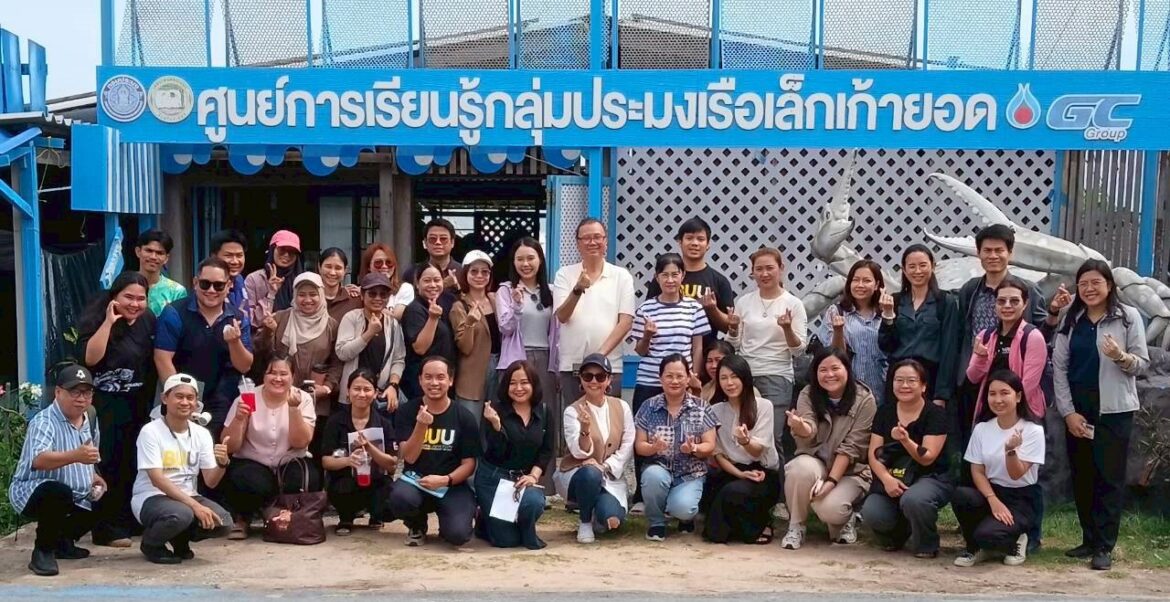
Measuring social impact has become essential for organizations to demonstrate accountability and efficiency in their development initiatives. This project addresses the critical need for a standardized evaluation framework by providing researchers and project managers with the tools to quantify the social value of their investments. By focusing on Social Return on Investment (SROI), the Faculty of Science and Arts aims to bridge the gap between financial inputs and social outcomes. This initiative is vital for evidence-based policy-making and sustainable resource management, ultimately driving positive change in local communities. It aligns with SDG 4 (Quality Education) by fostering lifelong learning and SDG 17 (Partnerships) through strategic academic collaboration.
The aims:
1.To enhance the capacity of researchers and public project managers in understanding and systematically applying the Social Return on Investment (SROI) framework.
2.To provide practical training on developing Logic Models and Theories of Change (ToC) to improve project planning and impact evaluation.
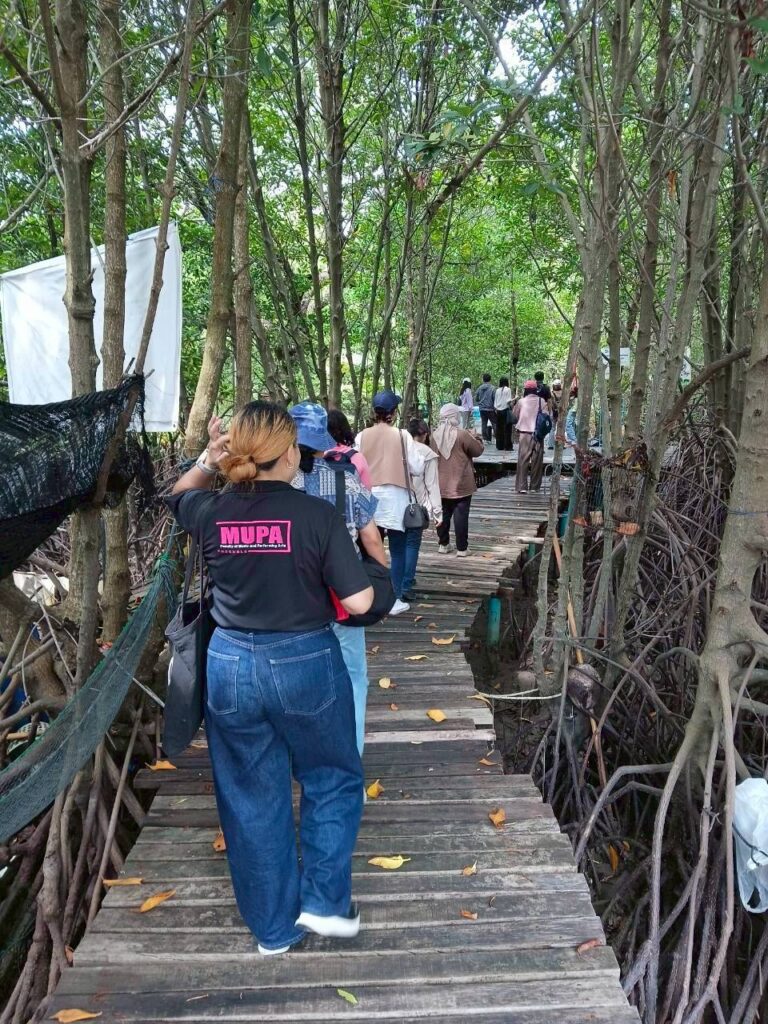
3.To facilitate hands-on experience in field data collection and SROI ratio calculation through real-world case studies, specifically focusing on the Blue Swimming Crab Bank.
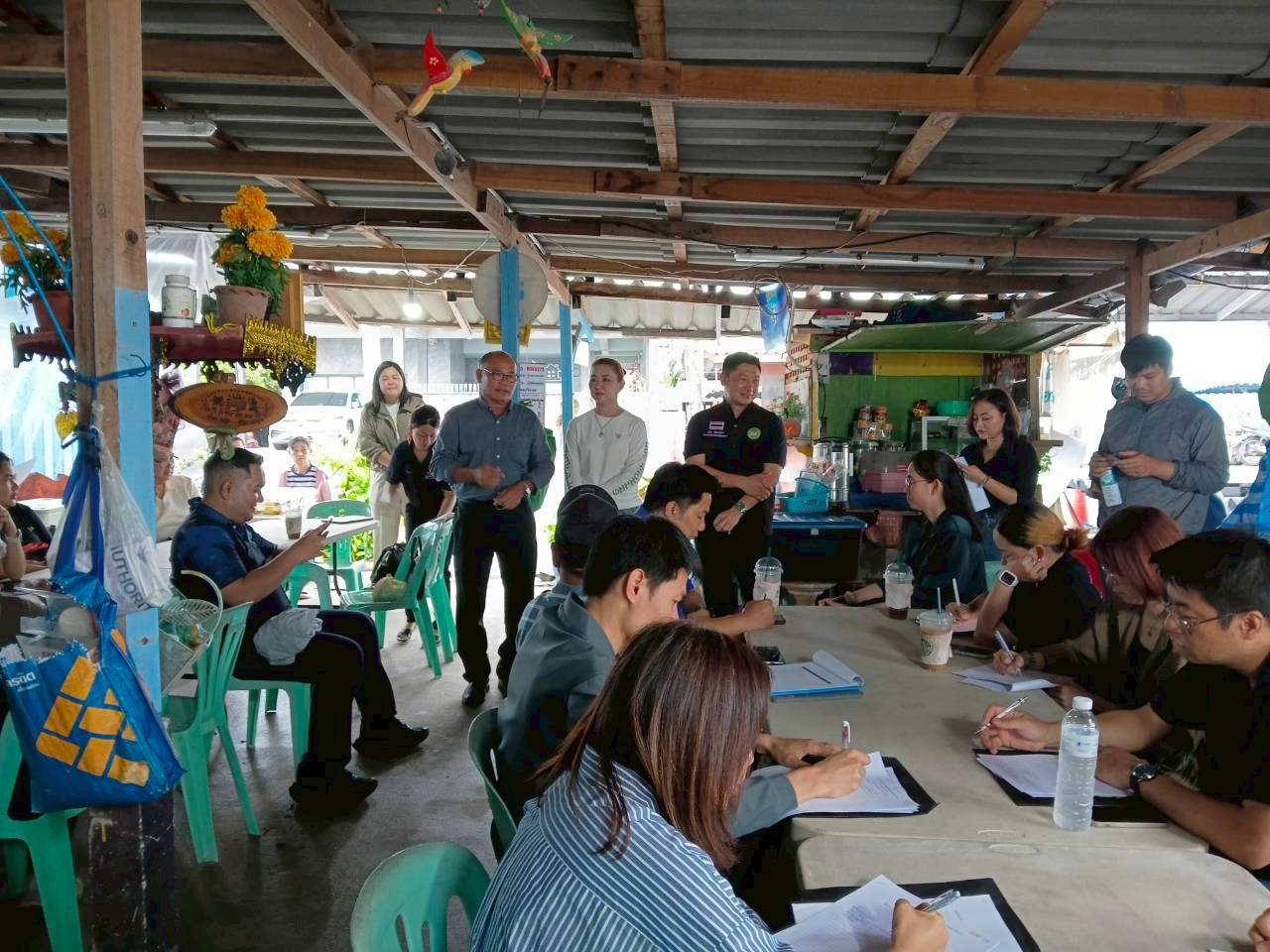
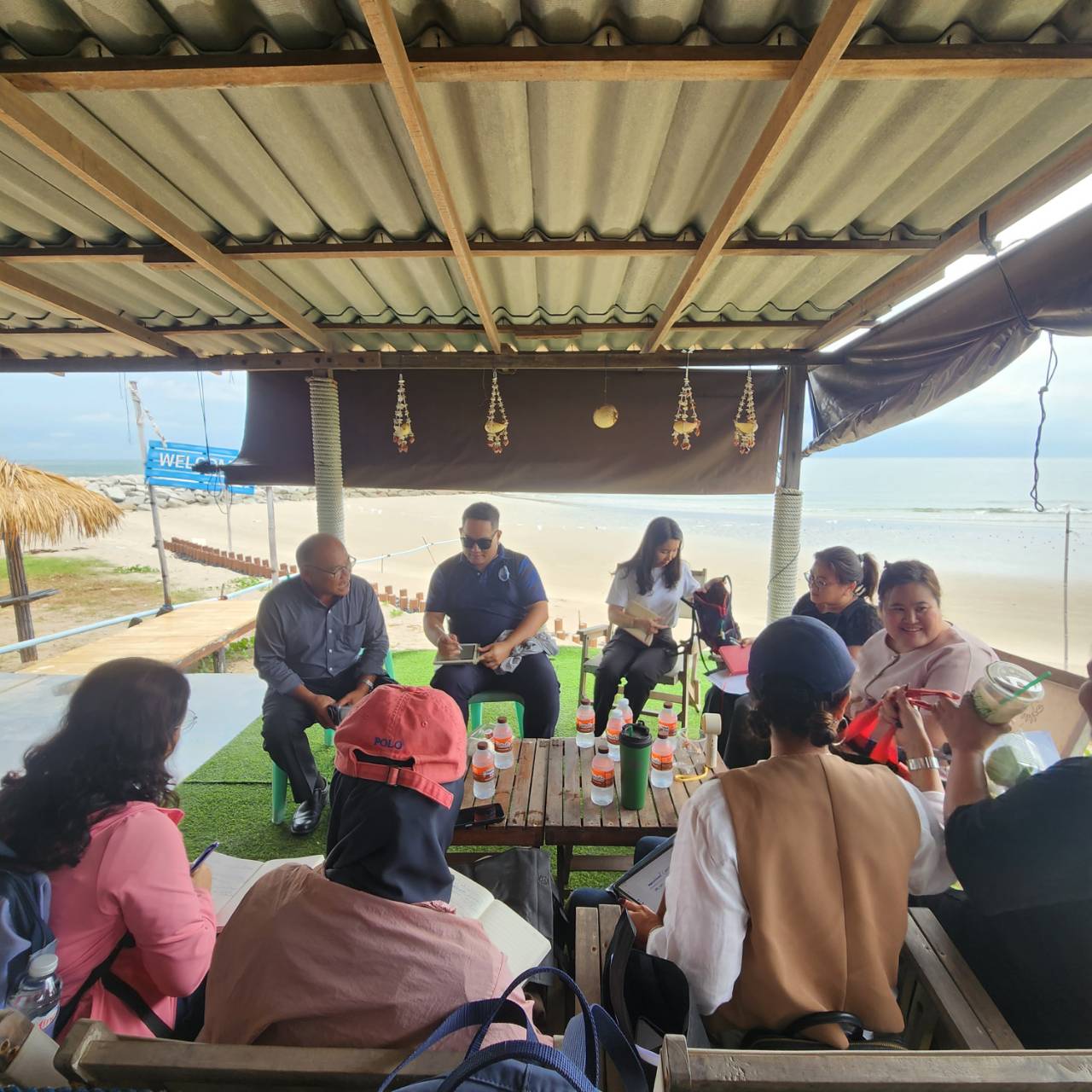
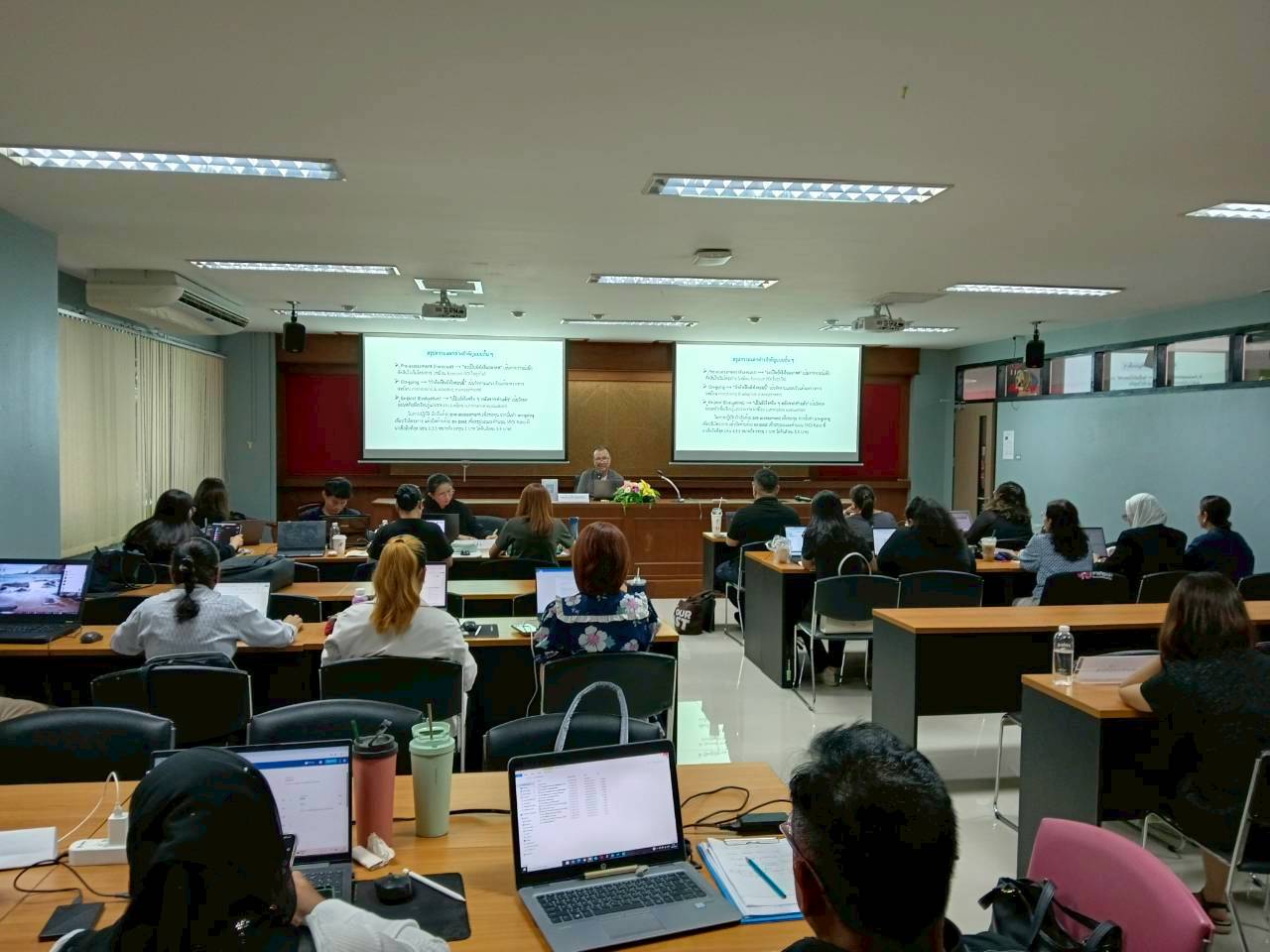
The project is structured as a 3-day intensive workshop combining theoretical lectures and field practice. Day 1 focuses on the fundamentals of Social Impact Assessment (SIA) and SROI design, led by experts from Chiang Mai University. Day 2 features a field trip to the Blue Swimming Crab Bank, where participants engage in practical data collection and stakeholder interviews. Day 3 is dedicated to data analysis, SROI ratio calculation using standardized templates, and result reporting. This integrated approach ensures that participants can transition from theoretical knowledge to practical application, fostering a robust community of practice in social impact measurement.
This project empowers participants with advanced analytical skills, enabling them to produce credible social impact reports that inform better investment decisions. By utilizing the Blue Swimming Crab Bank as a case study, the project directly supports sustainable marine resource management (SDG 14). The synergy initiated through the MoU between Burapha University and Chiang Mai University strengthens academic ties and promotes international best practices in social valuation (SDG 17). Long-term impacts include more transparent project governance, improved social well-being, and the establishment of a regional hub for social impact excellence within the Eastern Economic Corridor (EEC).
Project Leader: Faculty of Science and Arts