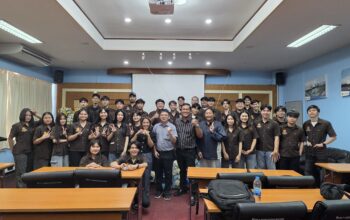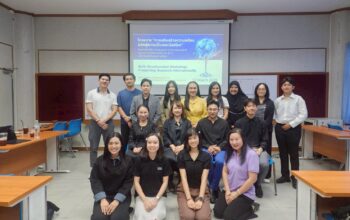

The Department currently offers both Master of Education (M.Ed.) and Doctor of Philosophy (Ph.D.) programs in Educational Administration, aiming to produce graduates who are academically competent, ethically grounded, and professionally equipped to meet national and global educational standards. In addition to academic excellence, these programs emphasise developing essential soft skills required for visionary leadership in the modern education era. Through initiatives like this seminar, the Department reinforces its commitment to nurturing high-quality educational leaders who contribute to Thai education’s sustainable, prosperous, and resilient future.
Project Coordinator
Asst. Prof. Dr. Punniththa Mrazek
Objectives:
1. To develop students’ soft skills necessary for daily life, career readiness, and future roles in educational administration.
2. To provide students with hands-on experience organising an academic seminar as part of the course learning outcomes.
3. To enable students and participants to understand the scope of educational administration, the roles of school administrators in the digital era, and essential skills for the 21st century.
4. To promote the exchange of ideas and experiences among graduate students, school leaders, and educational personnel regarding the scope of educational administration in alignment with technological and societal changes. 5. To enhance the capacity of students and seminar participants to apply innovative concepts in planning and preparing for professional school leadership and improve educational effectiveness in response to learners’ and societal needs.
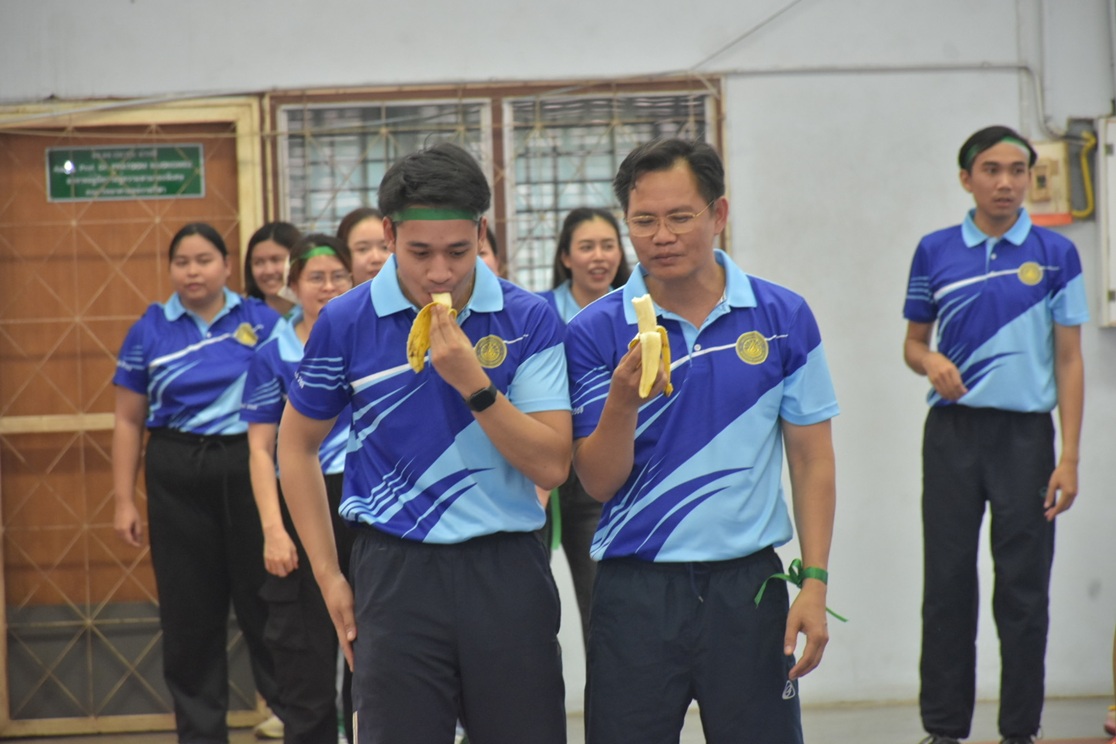
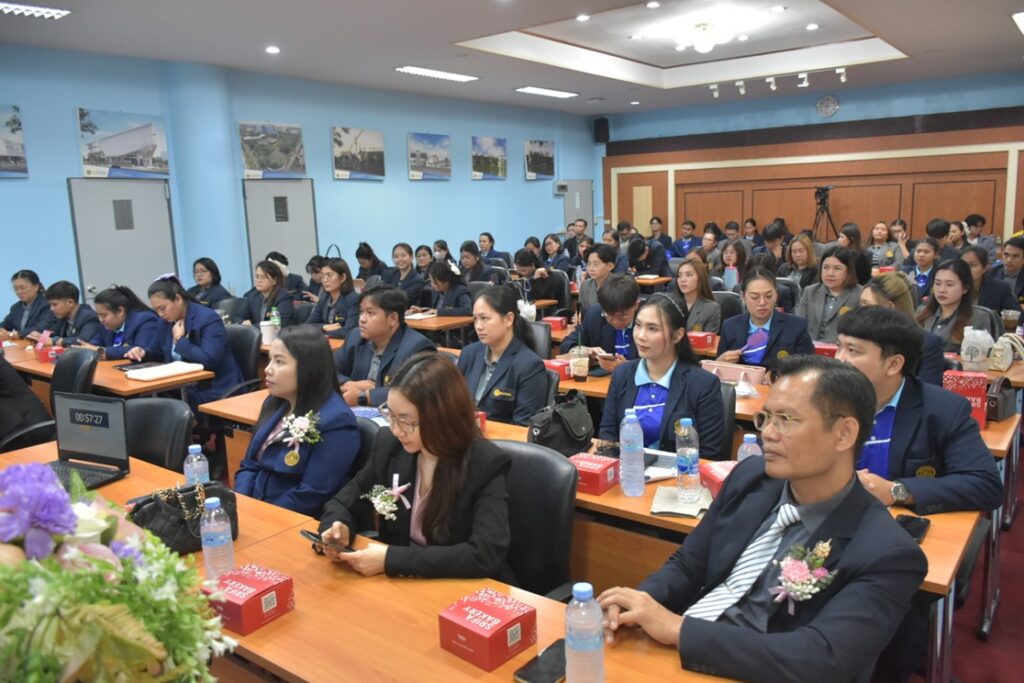
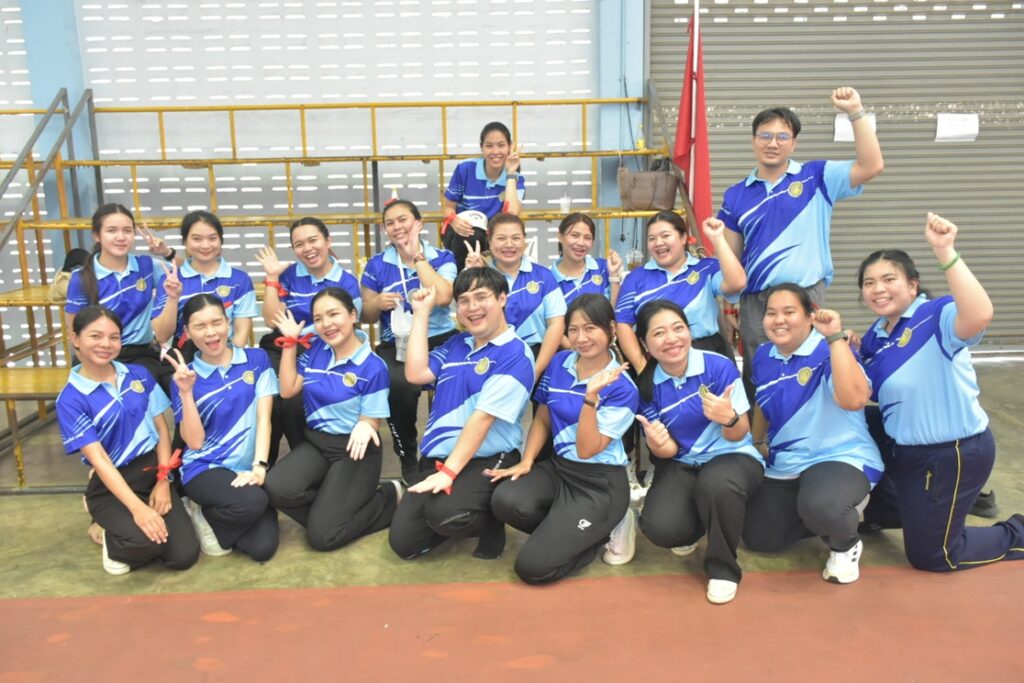
The Department of Educational Administration, Faculty of Education, Burapha University organized an academic seminar under the theme “Transforming Educational Leadership through Generative AI toward Sustainable Education”, as part of the event titled “Graduate Student Engagement Program for Cultural Preservation, Sports, and Academic Seminar in Educational Administration”, held on Saturday, March 29, 2025. The seminar was conducted on-site and via livestream through the department’s official Facebook Fanpage. This academic forum aimed to enhance knowledge in educational leadership and promote the application of Generative Artificial Intelligence (Gen AI) in educational innovation, aligning with 21st-century educational contexts and the Sustainable Development Goal 4 (SDG4): Quality Education. The seminar featured two distinguished guest speakers: • Assoc. Prof. Dr. Surapon Boonlue, President of Thailand Association for Educational Communications and Technology (Thai AECT) • Assoc. Prof. Dr. Anirut Satiman, Vice President of Thailand Association for Educational Communications and Technology (Thai AECT) Afternoon Session: Internal Sports Activities to Foster Well-being and Collaborative Spirit. In the afternoon, an internal sports competition was organised as an integral part of the program to foster stronger relationships between faculty members and graduate students.
This activity aimed to cultivate a sense of unity, mutual respect, and collaboration within the academic community. Furthermore, it served as a proactive approach to promoting students’ physical and mental well-being, encouraging a healthy lifestyle and preventive behaviours against substance abuse through active engagement in sports. The competition emphasised developing key values such as sportsmanship, including accepting victory and defeat with grace, forgiving, and acting with fairness and integrity. In addition, it provided an opportunity to enhance essential soft skills, particularly teamwork, communication, and interpersonal effectiveness, which are fundamental for successful collaboration in both academic and professional environments.
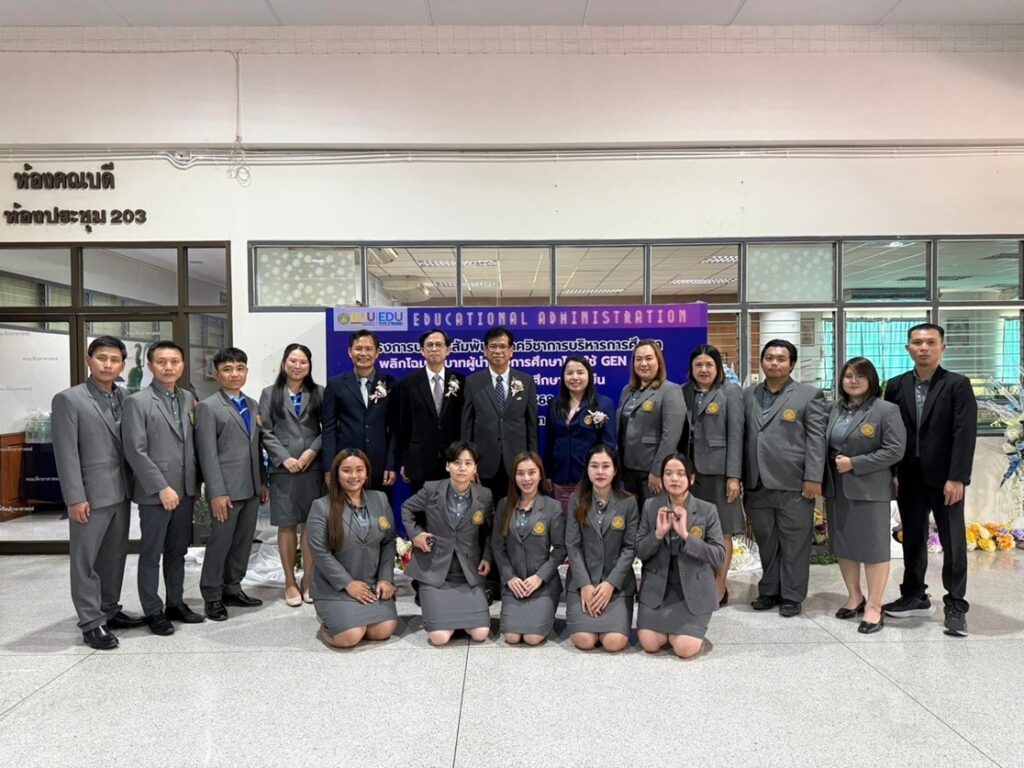
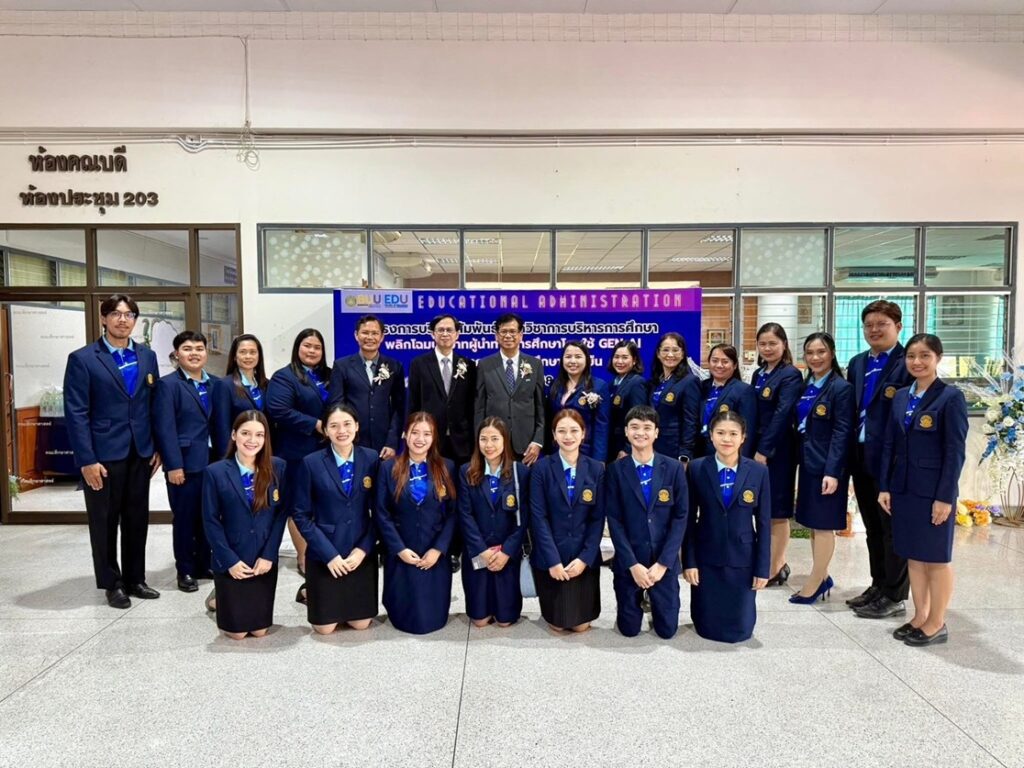
Key Outcomes and Highlights of the Project. A significant highlight of this academic service initiative lies in its responsiveness to the actual needs and interests of the participants. The program was thoughtfully designed to align with the evolving landscape of global education, serving as a critical step toward enhancing the capacity of educational leaders to navigate the challenges of a rapidly changing, technology-driven world. Particularly noteworthy was the integration of Generative Artificial Intelligence (Gen AI), which was introduced as a transformative tool to improve educational management and instructional design in a concrete and practical manner. The program deepened participants’ understanding of Gen AI technologies. It guided them in applying such tools to developing innovative instructional materials and learning environments, strengthening their readiness to lead educational institutions in the 21st century. Additional Reflections on the Afternoon Sports Activity The afternoon sports activity also played a vital role in enhancing relationships between faculty members and graduate students by creating an informal and engaging environment that fostered interpersonal connections and mutual understanding. Through active participation, students could improve their soft skills, including communication, teamwork, and emotional intelligence—essential for effective leadership and collaboration in professional contexts. Moreover, the promotion of physical activity contributed to the improvement of students’ overall health and well-being. As encouraged through this activity, regular exercise supports physical fitness and serves as a preventive measure against health-related issues, complementing students’ academic and professional development.
Date of Implementation: March 29, 2025