The Wolffia Innovation Project aims to strengthen the capacity of the community enterprise network in Tambon Huai Kapi to develop Wolffia, locally known as a nutrient-rich aquatic plant, into high-value products and signature wellness-tourism experiences. The project supports Thailand’s national strategy for high-value agriculture and the wellness-tourism industry while aligning with the Bio-Circular-Green (BCG) Economy model, which emphasises sustainability, environmental stewardship, and local value creation.
This initiative focuses on knowledge development, innovation in Wolffia-based products, adoption of modern production technologies, and skill enhancement for community members. It also integrates university–community engagement through Community-Based Learning (CBL), enabling students to gain real-world experience in project design, stakeholder engagement, problem-solving, and place-based innovation. Key activities include assessing local resources and community potential, hands-on training in Wolffia-based culinary and beverage creations, and developing innovative menus that appeal to health-conscious tourists.
The project also conducted workshops on cost analysis, product pricing, and tourism-oriented marketing to help community members understand market dynamics and value-added strategies. Additionally, new packaging designs and promotional media, such as marketing videos, were developed to enhance the visibility and appeal of Wolffia products across domestic and international markets. A significant achievement of the project is the improvement of organic cultivation and processing techniques for Wolffia, laying the groundwork for safe, scalable, and sustainable production.
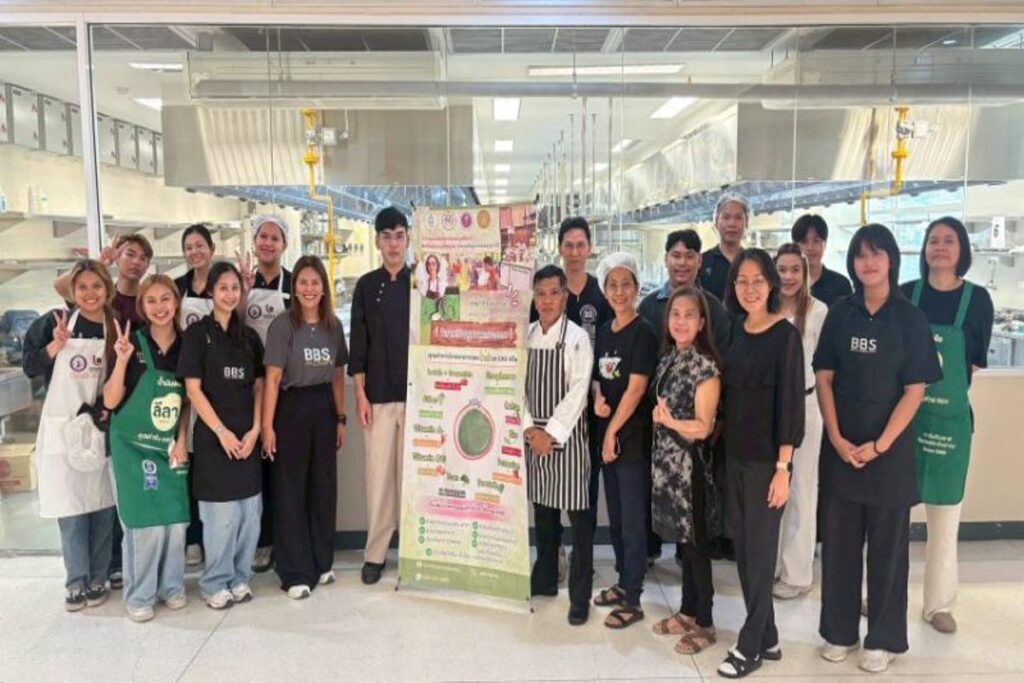
More than seven prototype menu items integrating Wolffia with local herbs and functional ingredients were developed to create unique wellness experiences. These prototypes serve as signature offerings for future wellness-tourism packages, cooking workshops, and farm-to-table community activities. The project engaged over 20 community members across multiple training and capacity-building sessions.
As a result, the community enterprise network now possesses enhanced knowledge of nutrition, food innovation, cost management, and product storytelling, key components for entering the health and wellness market. Collaboration between the university and the community has been significantly strengthened, positioning Tambon Huai Kapi as an emerging destination for sustainable wellness tourism and a living laboratory for agricultural innovation.
The project generated tangible economic, social, and environmental impacts. Economically, the community can now develop Wolffia-based products for commercial distribution, creating new income streams. Socially, the initiative empowered residents, fostered intergenerational learning, and strengthened community identity centred around Wolffia innovation. Environmentally, promoting organic Wolffia cultivation supports biodiversity, water conservation, and low-impact agriculture, consistent with the BCG model. Overall, the Wolffia Innovation Project represents a successful model of university–community collaboration, demonstrating how local resources can be transformed into competitive wellness-tourism products.
With its strong foundation, the project has high potential for replication in other regions and for further development into community-based curricula, training programs, and wellness-tourism packages that contribute to long-term community resilience and sustainable development.
Project Coordinator: Assistant Professor Chitlada Pinthong and Assistant Professor Salil Chanroj
Objectives:
This project was combined with three objectives as follows:
- To enhance the capacity of farmers and community members in accessing technologies and innovations that improve agricultural productivity, promote value-added processing, and develop distinctive wellness-tourism attractions, with a focus on increasing income and fostering long-term community sustainability.
- To support lecturers in serving as advisors and leaders in transferring knowledge on agricultural technology, innovation, and wellness-tourism development, ensuring that community-based tourism offerings are attractive and responsive to visitor needs.
- To provide students with opportunities to practice becoming innovation-driven entrepreneurs in real community settings, enabling them to develop essential 21st-century skills through hands-on collaboration with local stakeholders.
Program Activities:
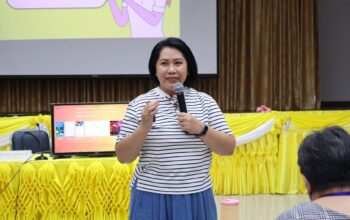
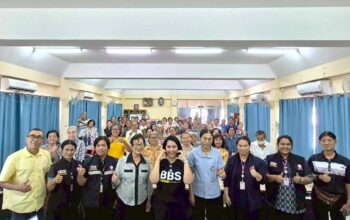
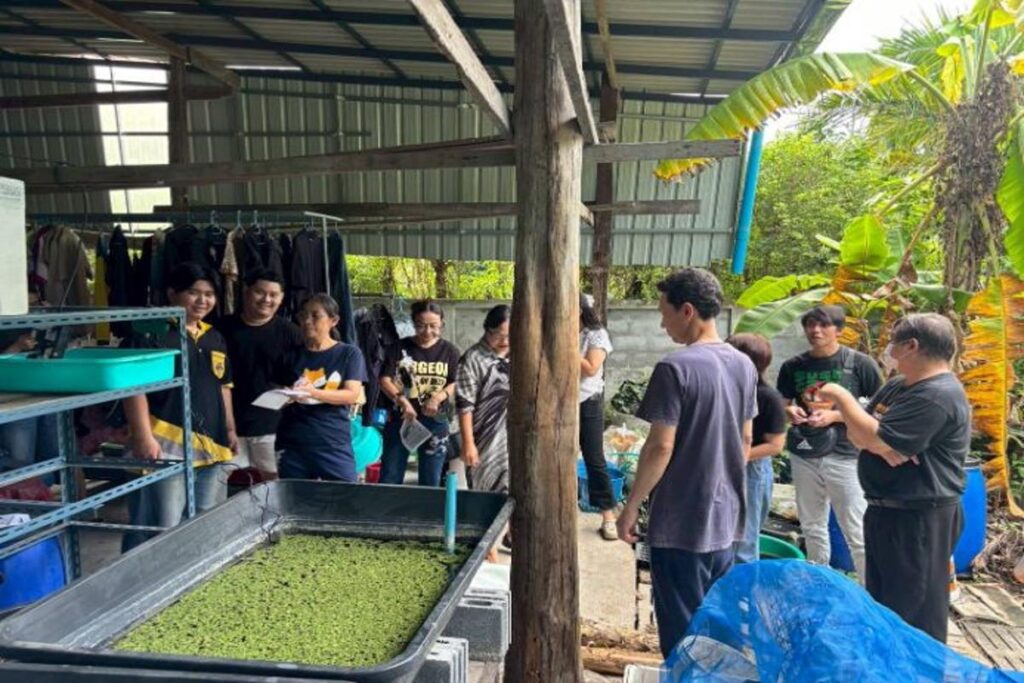
The Wolffia Innovation Project was carried out through a series of collaborative, hands-on activities involving the university, the community enterprise network, and local stakeholders. The project began with community engagement, site assessments, and interviews to understand local needs, resource availability, and development potential. Students and faculty conducted field visits to analyse cultivation conditions for Wolffia and identify opportunities for innovation.
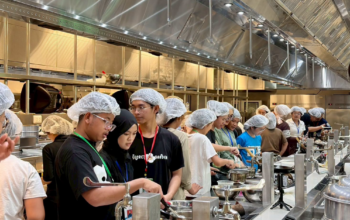
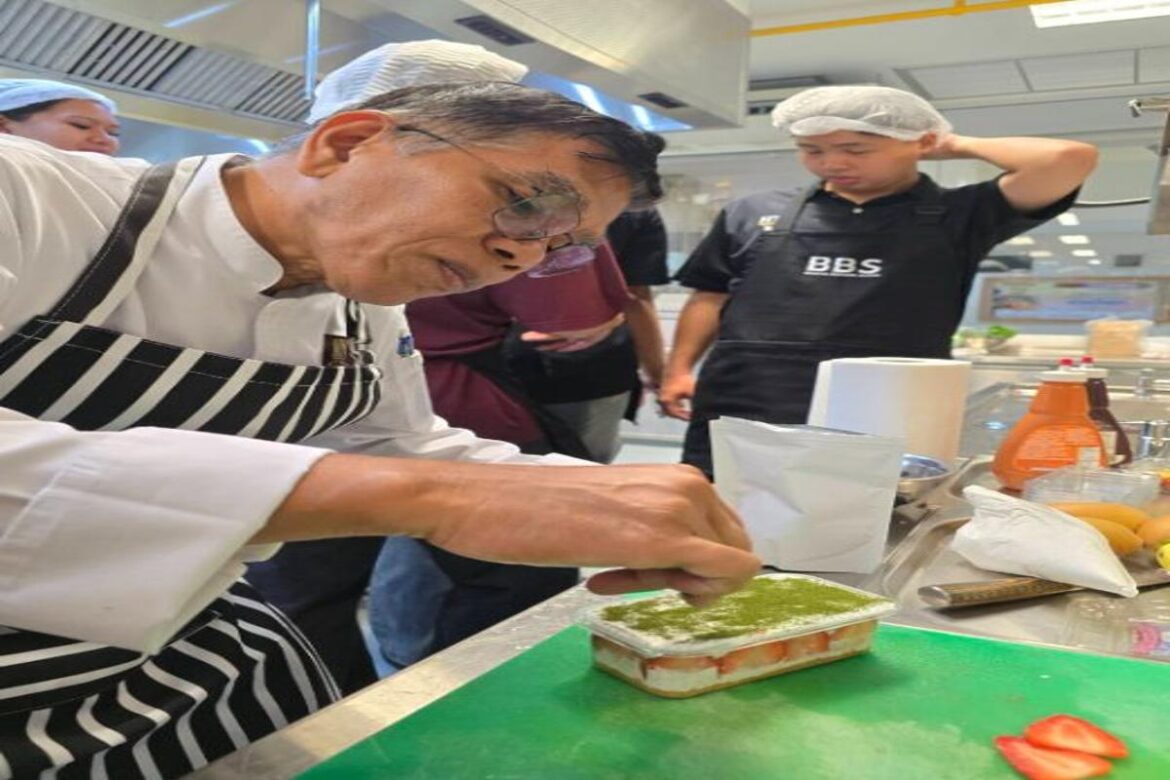
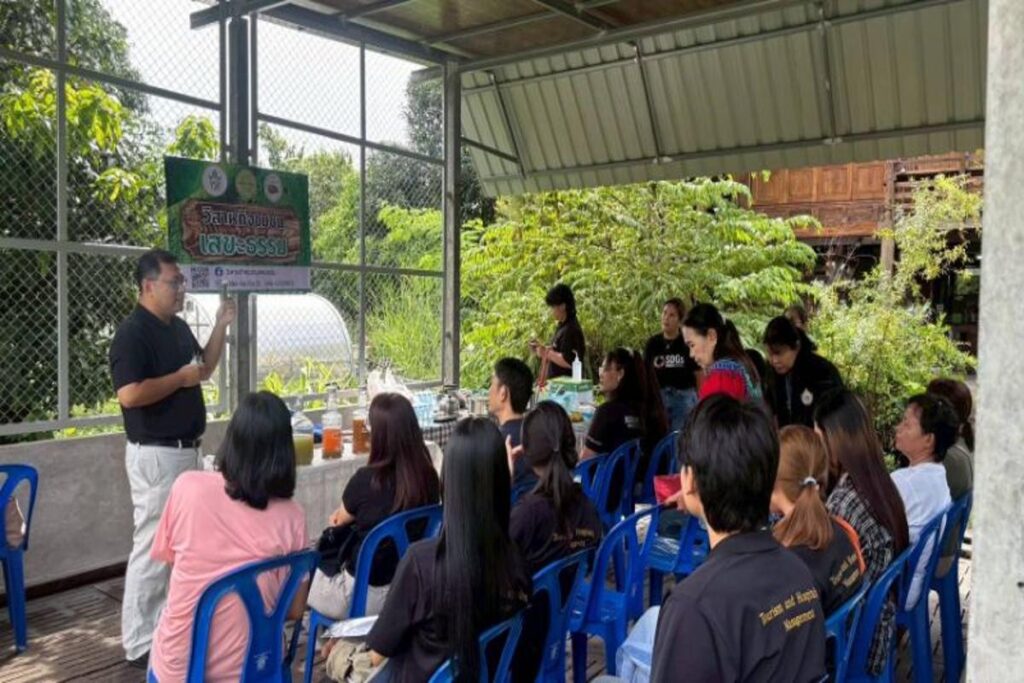
Training sessions were organised to develop Wolffia-based food and beverage products, combining local ingredients with wellness-oriented culinary techniques. Workshops on cost calculation, pricing, branding, and tourism marketing were held to equip community members with essential business skills. The project also introduced modern technologies, including IoT systems for Wolffia cultivation, ozone-based cleaning methods, and improved packaging techniques. Prototype menus and products were created and tested jointly with the community.
Promotional media—including videos, labels, and packaging—were designed to enhance product visibility. Throughout the process, students worked alongside community members, applying Community-Based Learning (CBL) to gain real-world problem-solving experience. Regular evaluations, feedback sessions, and collaborative reviews ensured continuous improvement. The project concluded with a final presentation, community satisfaction survey, and plans for future development and commercialisation.
Expected Outcomes (Impacts):
The “Wolffia Innovation Project: Elevating Culture of Wolffia Towards Wellness Tourism in Huai Kapi, Chonburi” generated significant impacts across economic, social, environmental, and educational dimensions. Through a collaborative model integrating Community-Based Learning (CBL), technological innovation, and local resource development, the project strengthened community capacity, enhanced local livelihoods, and fostered sustainable wellness tourism rooted in local identity.
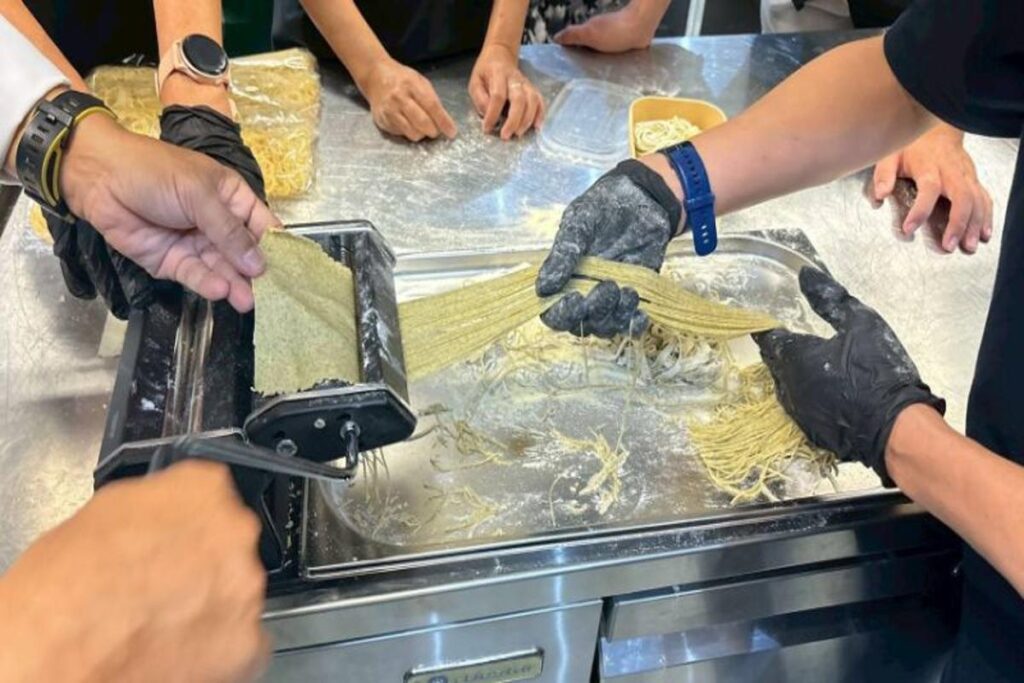
- Economic Impacts on the Community The project directly strengthened the local economy by developing a series of innovative food, beverage, and wellness products derived from Wolffia and other local ingredients. Seven new wellness-oriented food and beverage items were co-created with the community, including fresh Wolffia pasta, various functional sauces, herbal drinks, and Wolffia-based desserts.
In addition, new processed products such as Wolffia powder packaging, Wolffia wine, and herbal essential oils were introduced to expand the community’s product portfolio and market potential. These innovations provided the community with opportunities to diversify income sources and create value-added products aligned with wellness tourism trends. The project also enhanced community skills in cost calculation, pricing, branding, and digital marketing, enabling local producers to sell through online platforms and community markets.
As a result, the visibility of the Huai Kapi community increased, creating new pathways for tourism revenue, product sales, and future business development. Moreover, technological transfers such as IoT-based monitoring for Wolffia cultivation, ozone-cleaning systems, and improved packaging technology helped reduce labour costs, stabilise production quality, and minimise product loss. These improvements increased agricultural production efficiency and enhanced the competitiveness of local wellness products.
- Social and Community Development Impacts The project fostered stronger collaboration and cohesion among community members, local leaders, enterprises, and the university. Through participatory workshops, interviews, and co-design activities, community members engaged deeply in the development process and increased their confidence in using local resources to create unique wellness products.
A new communication channel, an online Line group, was established, enabling continuous knowledge exchange among 18 community members. The project promoted skill development in food preparation, wellness product design, hospitality, and tourism service delivery, strengthening the community’s capacity to host visitors and operate wellness-focused tourism activities. These collective efforts positioned the community as an emerging model for integrating local resources with wellness innovation.
The project also sparked residents’ interest in establishing new community enterprises beyond the existing network. This reflects enhanced agency, leadership, and entrepreneurial readiness—key elements for long-term community resilience and sustainable development.
- Environmental and Sustainability Impacts The project contributed to environmentally responsible agricultural practices by promoting organic Wolffia cultivation and safe, chemical-free production processes. The introduction of ozone technology for cleaning and microbial reduction ensured food safety while eliminating the need for chemical disinfectants. The development of IoT-based monitoring systems enabled more efficient water management and reduced environmental stress associated with conventional cultivation.
The project also emphasised maximising the use of agricultural resources by transforming unused or leftover materials into marketable products such as herbal essential oils. This aligns with circular economy principles, reduces waste, and supports sustainable resource management. 4. Educational and Student Learning Impacts: Students participating in the project gained valuable experiential learning through real-world engagement with the community. They applied knowledge from their academic fields, tourism, biotechnology, and business innovation, to address local challenges, design new products, and support community needs. Through fieldwork, interviews, and hands-on product development, students strengthened key competencies, including problem-solving, teamwork, communication, design thinking, and cross-cultural understanding. In addition, students learned to communicate scientific and technical knowledge in accessible ways, a crucial skill often lacking in science education.
They collaborated with local stakeholders, adjusted their perspectives, and developed empathy toward community realities. Their ability to transfer technology, such as IoT tools, ozone-cleaning systems, and packaging methods, demonstrated their readiness for innovation-oriented careers. The project also generated new research directions and educational opportunities, allowing the university to integrate community insights into curriculum development, service learning, and future research collaboration.
This strengthened the university’s role as a driver of social impact and sustainable development. 5. Institutional and Long-term Development Impacts The project reinforced long-term collaboration between the university and the Huai Kapi community. It established a foundation for future wellness tourism initiatives, product development programs, and potential commercial ventures. With increased community capacity, enhanced product quality, and growing visibility, the area is now better positioned to evolve into a sustainable wellness tourism destination. The project model can be replicated or expanded to other communities seeking to integrate local resources with innovation, beneficial technologies, and wellness-oriented tourism services.
Date of Implementation: 1 July – 10 November 2568