Marine resources are great importance and value, encompassing biodiversity that sustains food chains and food webs. They serve as habitats and breeding grounds for aquatic animals, playing a vital role in the livelihoods and well-being of people in general. Moreover, marine resources are significant factors in enhancing economic productivity, providing both consumption and utilization benefits, as well as serving as recreational and tourism resources for local communities and visitors alike. At present, as Thailand continues to pursue national development, the utilization of marine resources in various forms has increased. This has resulted in impacts on environmental quality and marine ecosystems, while also causing the rapid depletion of natural marine resources. Consequently, marine resources have been adversely affected, and there is a pressing need for concrete approaches and measures for their conservation and restoration.
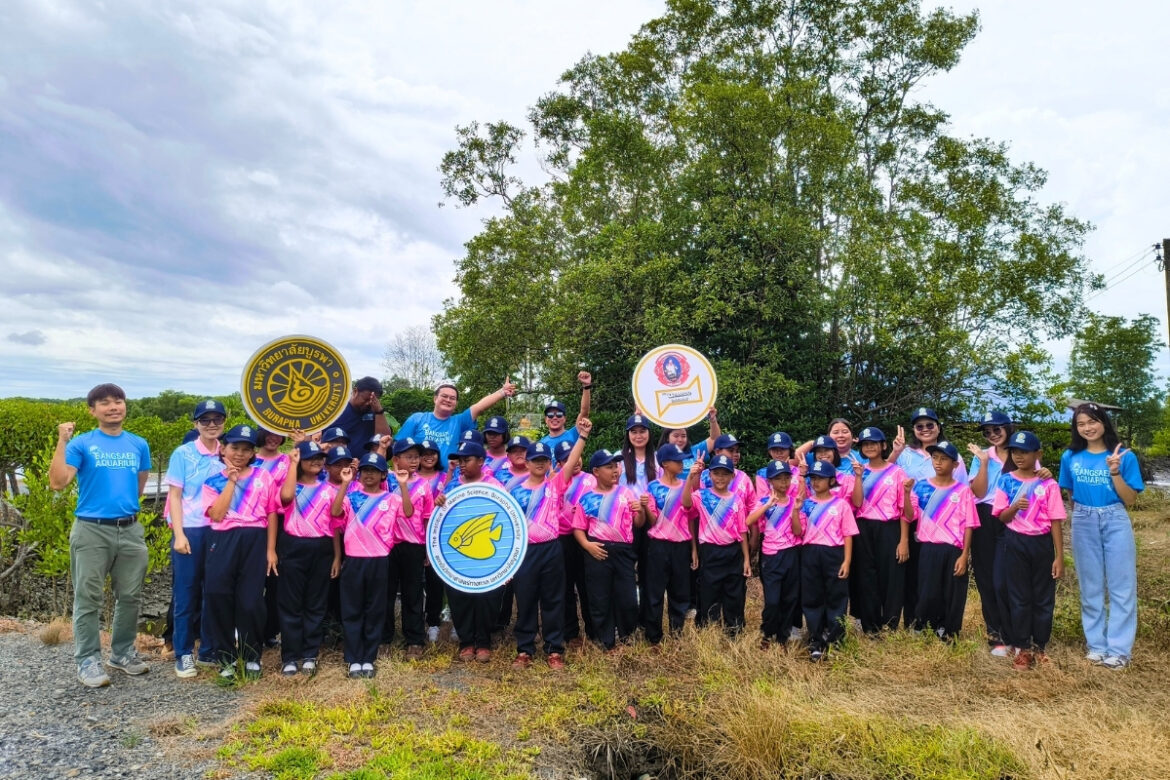
An essential driving force behind the effective conservation and restoration of marine resources is the power of youth, who play a pivotal role in the future development of the nation. Therefore, it is important that young people are properly nurtured and equipped with knowledge, skills, and values to become quality human resources. They should also be cultivated with moral integrity, a sense of civic responsibility, social and environmental accountability, and an awareness of the necessity to conserve and utilize marine natural resources wisely and sustainably, ensuring maximum benefit for present and future generations. The Institute of Marine Science, Burapha University, as an institution committed to advancing knowledge in marine science through various approaches, recognizes the importance of conserving and sustainably utilizing marine natural resources. One of the institute’s core missions is University Social Responsibility (USR), which includes providing academic services to society and organizing educational activities in diverse formats. These efforts aim to disseminate marine science knowledge and raise public awareness regarding the conservation of marine resources and the marine environment. In this regard, the dissemination of marine science knowledge and the cultivation of conservation awareness among youth, who represent the nation’s future, are key missions that the Institute of Marine Science prioritizes and actively pursues in concrete ways. Therefore, the Institute has organized “The 23rd Regional Outreach Program on Marine Science and Resource Conservation, 2025”, with the purpose of extending marine science knowledge, promoting environmental stewardship, and encouraging youth engagement in marine conservation at the regional level.
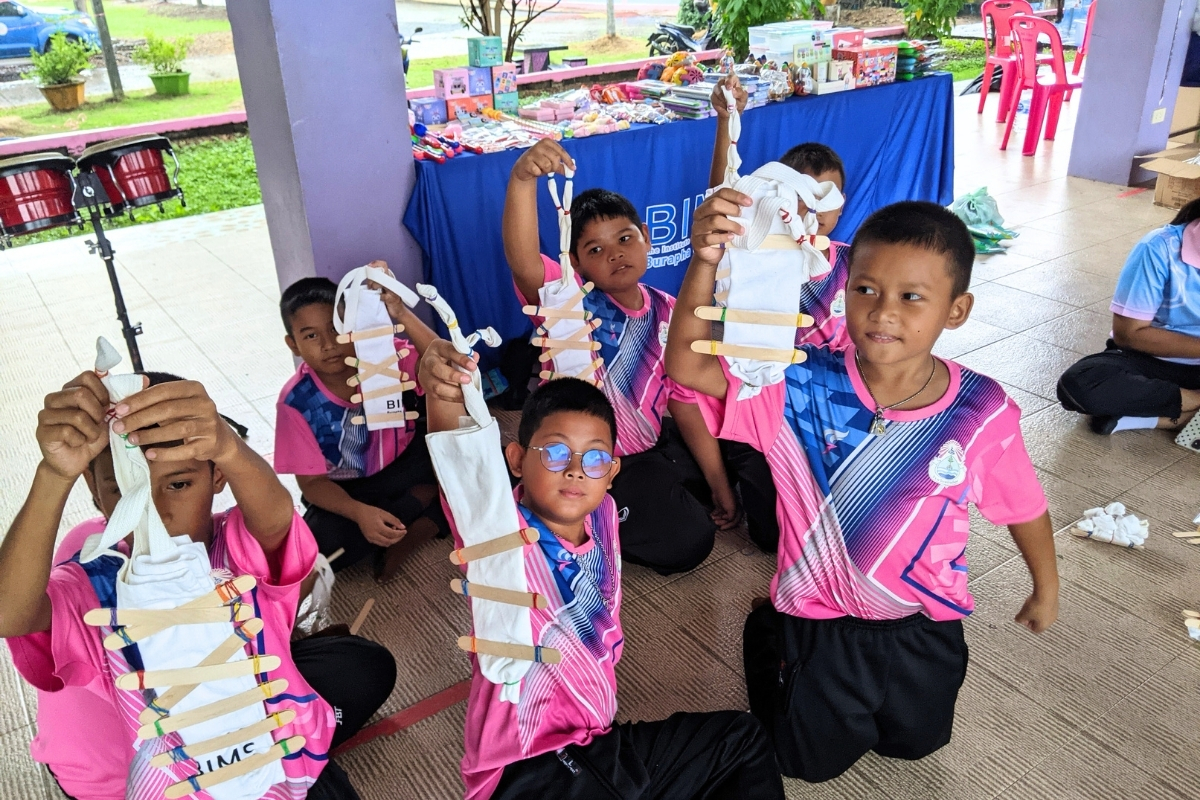
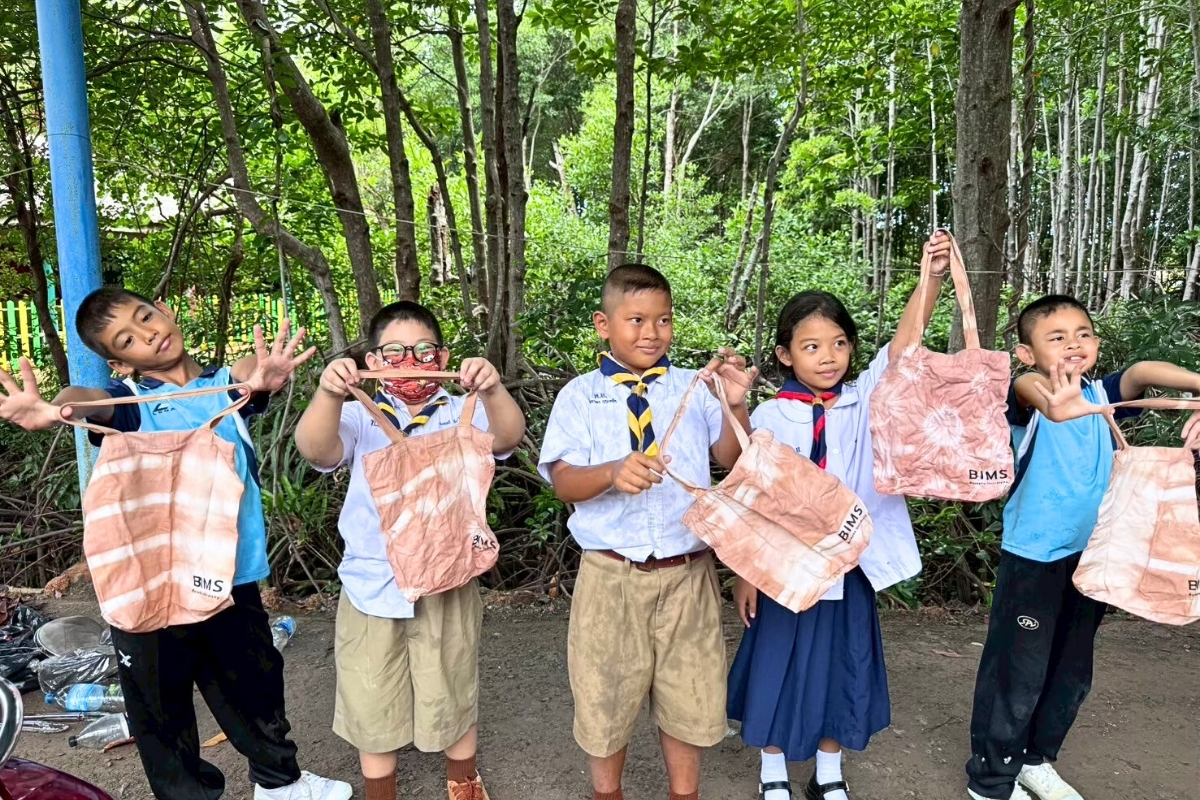
The aims of the project:
1. To provide youth in the Eastern Economic Corridor (EEC) with opportunities to acquire accurate knowledge and understanding of marine science and the conservation of marine natural resources
2. To raise awareness among youth in the Eastern Economic Corridor (EEC) of the necessity to conserve and responsibly utilise marine natural resources.
3. To prepare youth to become responsible and high-quality adults with a sense of civic duty, public responsibility, and commitment to the sustainable use and conservation of marine resources.
The Academic Services Division implements the project following the PDCA (Plan-Do-Check-Act) quality management cycle, with details as follows: Planning Phase (Plan: P) Establishment of the Organizing Committee for the 23rd Regional Outreach Program on Marine Science and Resource Conservation. Implementation Phase (Do: D) Hold the 1st Project Organizing Committee Meeting: To determine the format, strategies, and operational guidelines for implementing the project which are
1. Coordinate with schools in the Chanthaburi Provincial Primary Education Area: Engage with 2 selected schools to facilitate project implementation and ensure smooth cooperation.
2. Coordinate with instructors and relevant personnel: Prepare facilitators and stakeholders prior to the regional outreach activities to ensure readiness and smooth execution.
3. Hold the 2nd Project Organizing Committee Meeting: To clarify detailed plans and procedures for project implementation.
4. Develop indicators and evaluation forms: Create assessment tools aligned with the project objectives to measure the effectiveness of the activities.
5. Project budget: Allocate funds to prepare materials, equipment, and documents required for project implementation
6.Implement the 23rd Regional Outreach Program on Marine Science and Resource Conservation: Carry out the project activities according to the plan Evaluation Phase (Check: C): Summarize and Evaluate Project Activities Improvement Phase (Act: A): Hold the Project Organizing Committee Meeting: Review the overall project implementation, assess strengths, and identify areas for improvement. Also, develop improvement strategies: Formulate recommendations and action plans to enhance the effectiveness of future project activities.
Date: From 19 to 22 August 2025
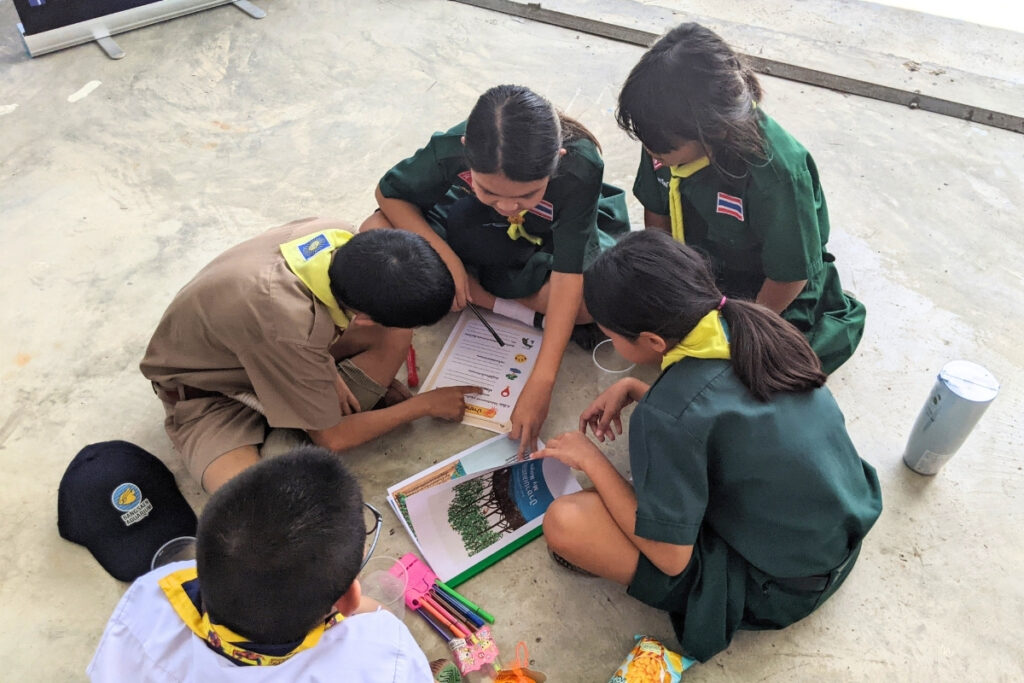
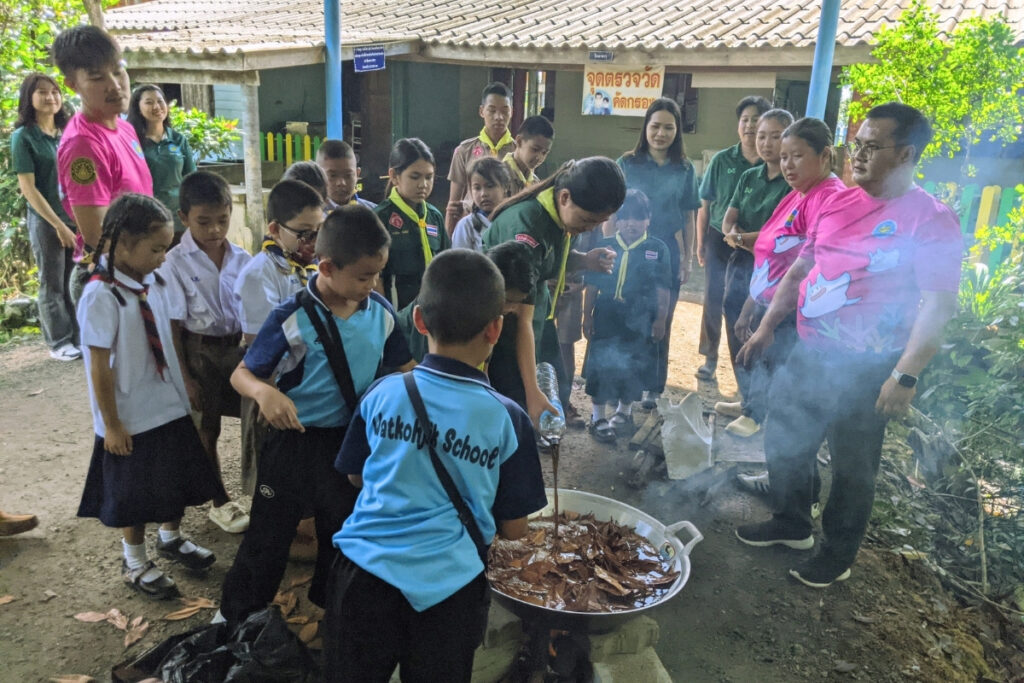
Results of Pre- and Post-Training Assessments: Statistical analysis of the participants’ test scores before and after the learning activities indicated that, for all learning modules, post-training scores were higher than pre-training scores this may be attributed to the fact that participants received knowledge directly from instructors who possess relevant expertise and experience in the subject matter, which enhanced their understanding of the content. Additionally, participants were provided with hands-on learning experiences facilitated by the BIMS’s instructors, allowing them to gain deeper knowledge, understanding, and practical skills through active practice. Participant Satisfaction Evaluation: The evaluation of participant satisfaction indicated that attendees were able to apply the knowledge gained to their teaching and learning activities. This is because the instructors effectively conveyed the subject matter in a manner consistent with the project’s objectives, which aim to foster awareness of marine resource conservation. Regarding the suitability of the activity venues, the scheduling of the program coincided with the rainy season, which participants noted as a factor affecting the appropriateness of the locations.
Project Leader: Mr. Jirasak Chamchuen: Head of Academic Service Division , Institute of Marine Science