The Institute of Marine Science, Burapha University, as an institution committed to advancing knowledge in marine science through various approaches, recognizes the importance of conserving and sustainably utilizing marine natural resources. One of the institute’s core missions is University Social Responsibility (USR), which includes providing academic services to society and organizing educational activities in diverse formats. These efforts aim to disseminate marine science knowledge and raise public awareness regarding the conservation of marine resources and the marine environment. In this regard, the dissemination of marine science knowledge and the cultivation of conservation awareness among youth, who represent the nation’s future, are key missions that the Institute of Marine Science prioritizes and actively pursues in concrete ways. Therefore, the Institute has organized “The 24th Regional Outreach Program on Marine Science and Resource Conservation, 2026”, with the purpose of extending marine science knowledge, promoting environmental stewardship, and encouraging youth engagement in marine conservation at the regional level while to drive the fostering stakeholder engagement in advancing the objectives of the Sustainable Development Goals (SDGs).
Project Coordinator: Mr. Jirasak Chamchuen, Head of Academic Service Division, Institute of Marine Science
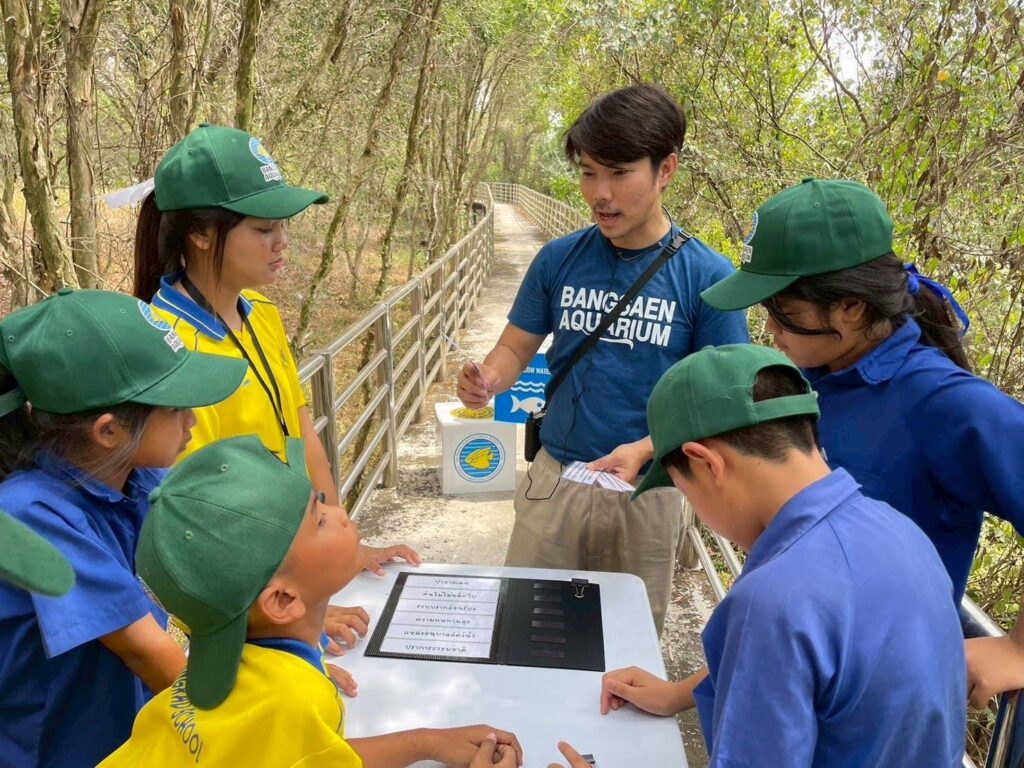
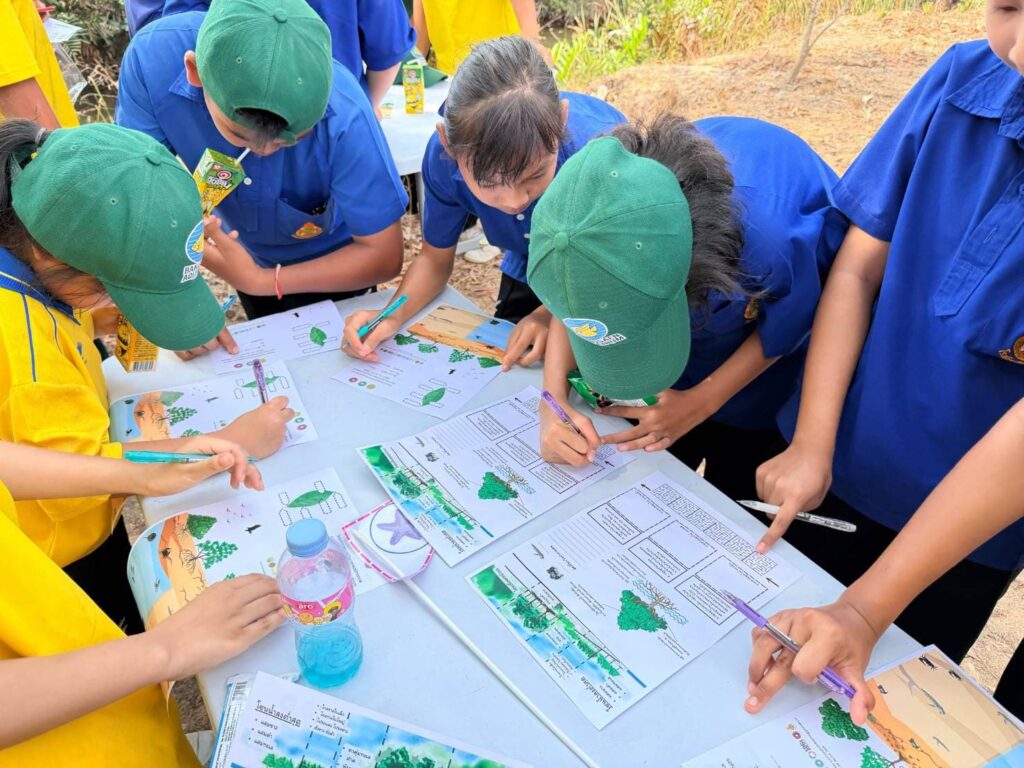
Objectives:
- To enhance knowledge and understanding of marine science, as well as to raise awareness and instill a sense of responsibility in youth regarding the conservation of marine natural resources in the Eastern Economic Corridor (EEC).
- To establish a youth network in the region that serves as a key driving force in conserving marine and environmental resources.
- To prepare youth to become responsible and high-quality adults with a sense of civic duty, public responsibility, and commitment to the sustainable use and conservation of marine resources.
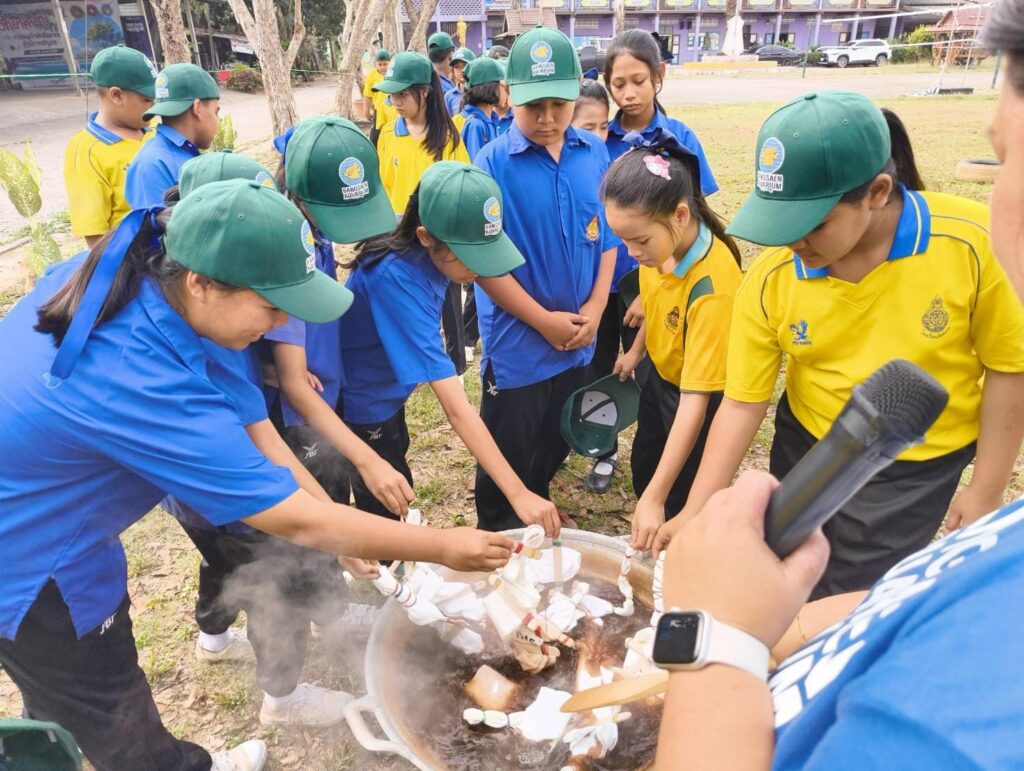
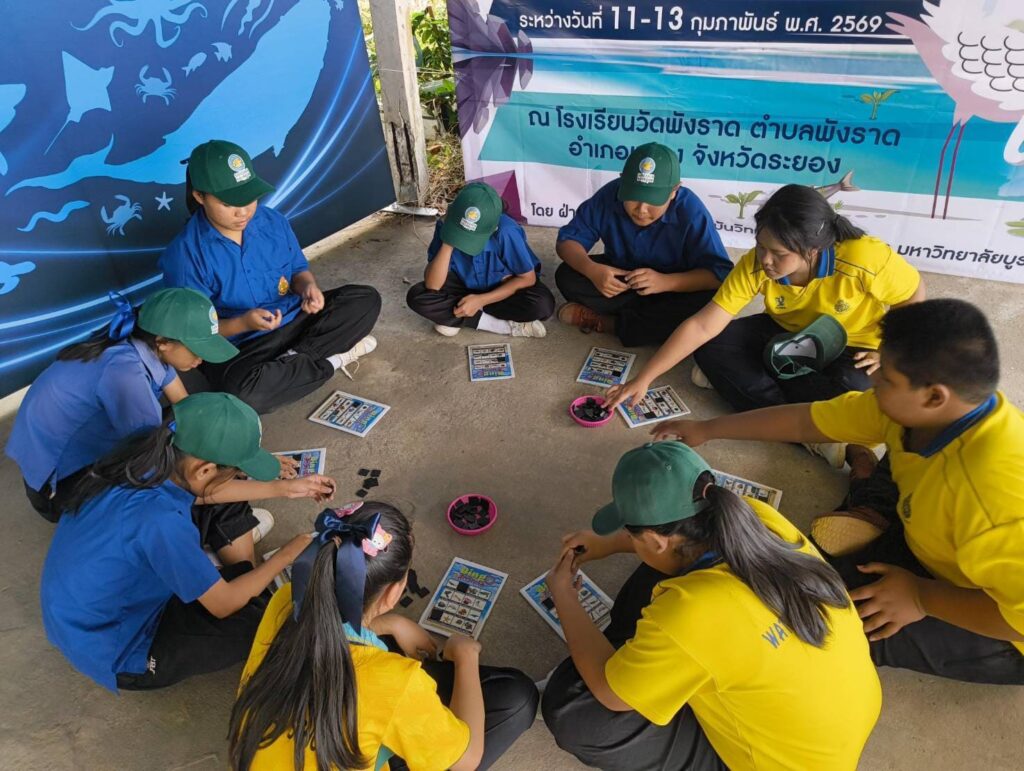
Program Activities:
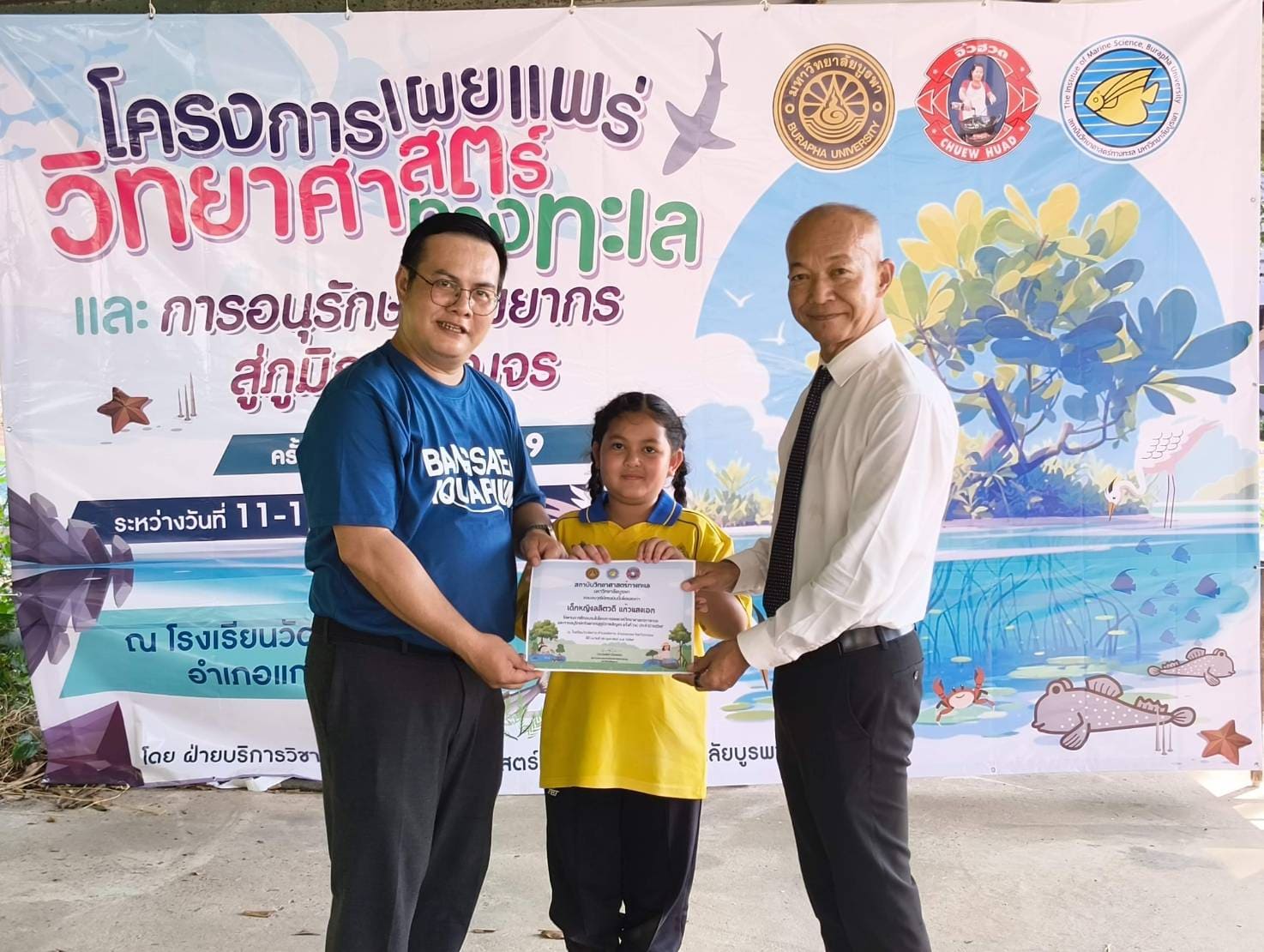
This project is an annual program implemented continuously by the staff of the Academic Services Division, supported by funding from CHUEW HUAD COMPANY LIMITED, which has enabled its ongoing operation and sustainability. The selected venues provided participants with opportunities to engage in both classroom-based and experiential learning, thereby facilitating the integration of theoretical knowledge and practical field experience in marine science and marine resource conservation. The dissemination of marine science knowledge and the promotion of marine natural resource conservation can be enhanced by integrating diverse educational approaches that foster both understanding and active participation. Such approaches include knowledge-based lectures, hands-on workshops, field-based exploration and observation, recreational learning activities, and participatory learning processes that encourage learners to engage critically with environmental issues. In addition, the effective use of educational media and digital technologies can support knowledge transfer, improve accessibility to scientific information, and create interactive learning experiences. By combining theoretical instruction with experiential and technology-assisted learning, these initiatives help increase public awareness, strengthen environmental stewardship, and promote sustainable conservation practices for marine ecosystems and resources.
Expected Outcomes (Impacts):
Participant satisfaction was evaluated using a simple feedback mechanism in which students expressed their opinions by placing stickers in designated “Like” and “Dislike” categories. This approach enabled the collection of immediate feedback regarding participants’ perceptions and overall satisfaction with the learning activities. The satisfaction assessment results indicated that all 35 participants were satisfied with the activities, representing a satisfaction rate of 100 per cent. Several factors contributed to the successful implementation of the program. These included the diversity and appropriateness of the educational games and learning materials, effective planning and management of activities, and the organisation of learning environments and venues that were well aligned with the educational content. Furthermore, the enjoyable and interactive nature of the activities effectively captured participants’ attention and sustained their engagement throughout the program. The activities also encouraged participants to express their ideas, share their opinions, and collaborate creatively to complete tasks assigned at each learning station. In addition, activity formats and game complexity were adapted to suit the developmental level of younger participants, particularly Grade 1 students, who may have had limited capacity to engage with more complex tasks. These adaptations enabled all participants to learn in an enjoyable and accessible manner while maintaining alignment with the project’s primary objectives. The 24th Regional Outreach Program on Marine Science and Resource Conservation, 2026, successfully achieved its intended objectives. A comparison of participants’ pre- and post-training assessment scores revealed that post-training scores were significantly higher than pre-training scores at the 0.05 level of statistical significance, indicating a measurable improvement in participants’ knowledge and understanding of marine science and marine resource conservation. Furthermore, participants reported a high level of satisfaction with the project, with an overall satisfaction rate of 92.14 per cent. Evaluation of the project indicators showed that the quantitative target was fully met, with 35 participants attending the program. The qualitative indicator was also successfully achieved, as reflected in the high participant satisfaction rate of 92.14 per cent. In terms of time management, the project was completed on schedule, achieving 100 per cent compliance with the established timeline. These findings suggest that the project was effectively implemented and contributed to enhancing participants’ knowledge, engagement, and awareness of the sustainable conservation and utilisation of marine resources.
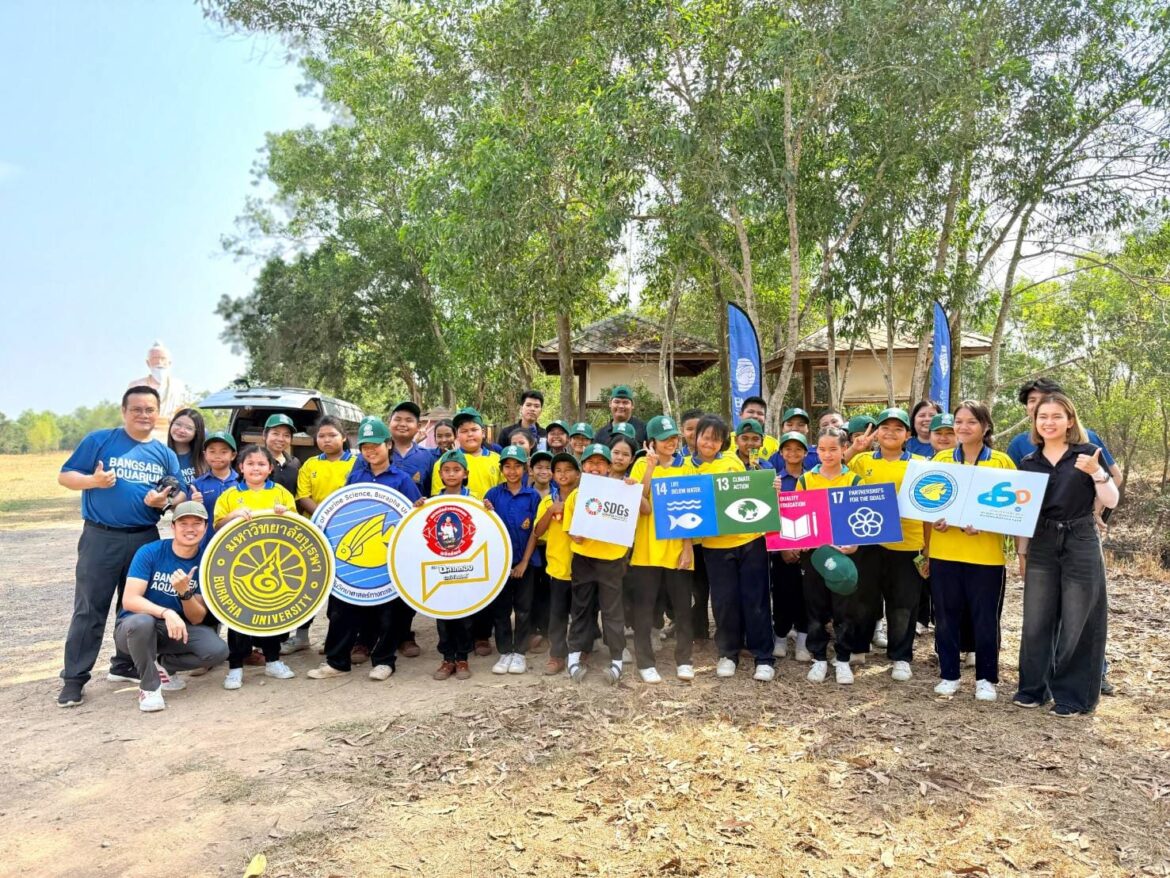
Date of Implementation: The project was conducted from 11–13 February 2026 and engaged 35 primary school students (Grades 1–6), comprising 17 students from Wat Phang Rad School and 18 students from Wat Koh Loi School. Both schools are located in Phang Rad Subdistrict, Klaeng District, Rayong Province. Experiential learning activities were conducted in the mangrove forest surrounding Arokayasathan Luang Pu Cheevaka Komaraphat, within the same subdistrict.