In our student years, we were often taught that knowledge is like a treasure. Yet in today’s world, knowledge alone is no longer enough to ensure progress. To move forward sustainably, we must also develop practical skills—and one of the most vital is building strong partnerships and maintaining meaningful customer relationships.
Once confined to business strategy, these skills are central to universities’ operations. Universities are no longer places for knowledge transfer. They must now answer a critical question: Why do we matter to society—and how can we prove it?
At Burapha University, our response has been clear: connect science to real-world needs. That means engaging with communities, supporting small businesses, and working with industries to co-develop practical, sustainable solutions. While some may see this shift as a “commercialisation” of science, it is a realignment—ensuring science can create jobs, generate income, and improve lives.
A landmark initiative was the U2T (University to Subdistrict) Project, led by Thailand’s Ministry of Higher Education, Science, Research and Innovation (MHESI). From 2021 to 2022, U2T brought universities directly into local communities to solve problems and strengthen grassroots economies. This bridged the gap between academia and society and also helped reaffirm the importance of science in national development.
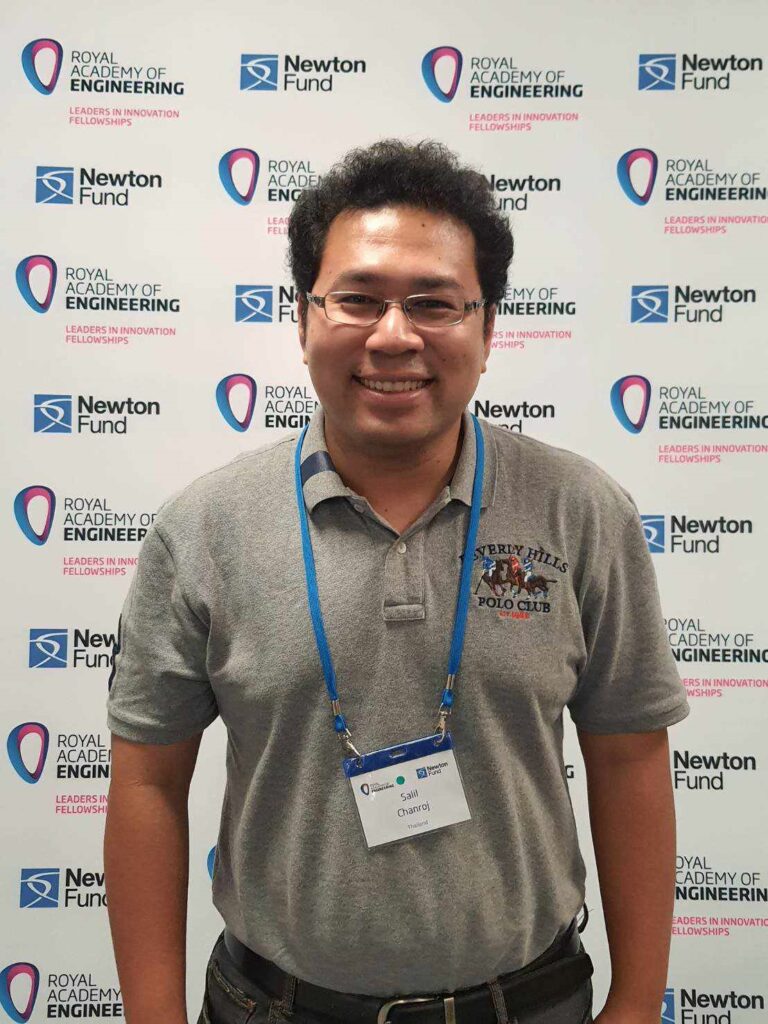
Project Coordinator: Assistant Professor Dr. Salil Chanroj
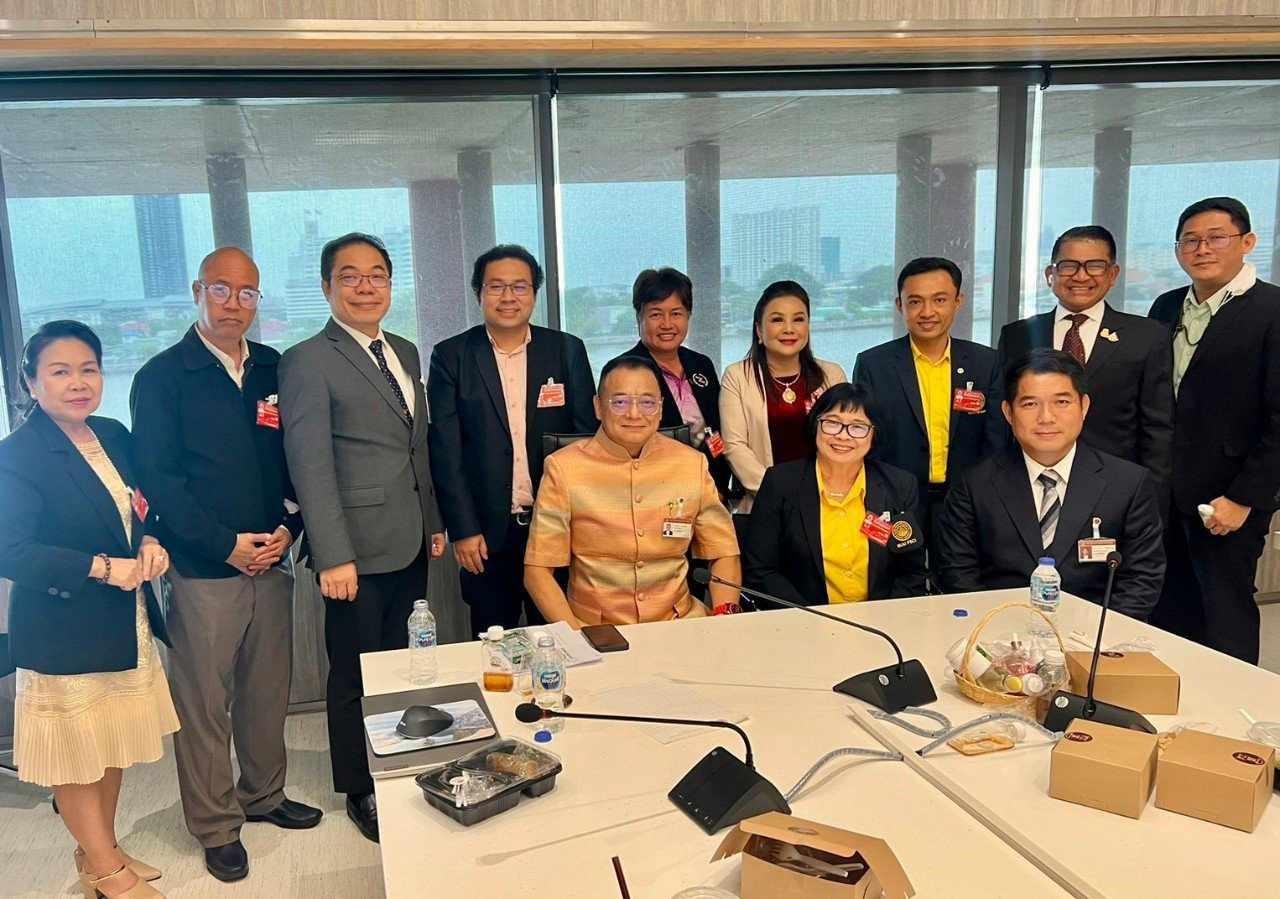
Figure 1 – A presentation on technology and policy development delivered to the Subcommittee on the Promotion and Development of Science, Technology, Research, and Innovation—conducted in collaboration with community innovators from local learning centres. This activity represents a key success of the U2T Project. Currently, the Faculty of Science, Burapha University, supports two model community learning centres:
(1) Na Jomtien Subdistrict Community Learning Center, Sattahip District, Chonburi Province, and
(2) Supanya Organic Farm Community Learning Center, Nong Irun Subdistrict, Ban Bueng District, Chonburi Province.
Burapha University also plays a pivotal role in Thailand’s Eastern Economic Corridor (EEC)—a national hub accounting for over 45% of the country’s investment. Through collaboration with the EEC Human Development Center (EEC-HDC), we are helping build a future-ready workforce while learning to work with industry under four guiding principles: speed, cost-efficiency, practical application, and legal compliance.
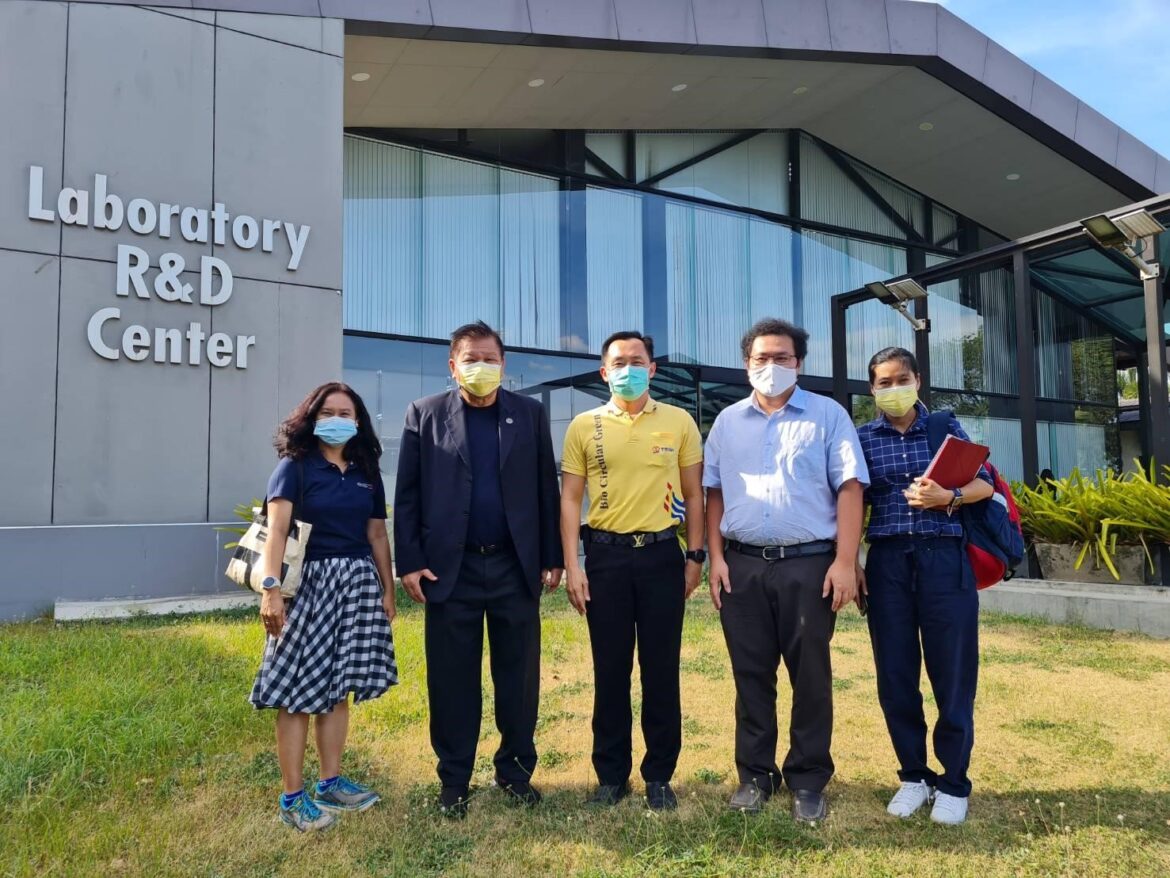
Industrial Zone, located in Khao Sok Subdistrict, Nong Yai District, Chonburi Province.
The delegation was warmly welcomed by Mr. Chalerm Kokanunthaporn, Chief Executive Officer of Thai Eastern Group Holdings Public Company Limited. This engagement has led to multiple ongoing collaborations and joint initiatives between the public and industrial sectors.
Today, challenges such as global innovation competition and environmental trade barriers demand that science step up. These pressures, rather than threats, are opportunities for science faculties to lead in developing green technology, driving inclusive growth, and advancing sustainability.