This project plays a vital role in fostering youth development and regional growth by equipping high school students in the Eastern Economic Corridor (EEC) with practical knowledge and skills in the service and tourism industries. By offering hands-on learning experiences and mentorship from industry experts, the initiative not only prepares students for future careers in high-demand sectors but also raises awareness of the economic potential within their communities. Furthermore, by being hosted at a university and open to a broad group of students, the program directly supports the United Nations Sustainable Development Goal 4 (Quality Education), particularly Indicator 4.3.2, by promoting inclusive, lifelong learning opportunities that extend beyond traditional classroom settings.
The objective of this project is to promote education and career readiness in the high-value service and tourism sectors among high school students in the Eastern Economic Corridor (EEC). By organizing a university-hosted program in collaboration with key educational and scientific agencies, the initiative aims to provide students with early exposure to industry knowledge, practical skills, and mentorship from professionals. This not only helps students explore future career paths but also supports the development of a skilled workforce aligned with the region’s economic priorities. Additionally, the program contributes to the broader goal of inclusive and equitable quality education by offering a publicly accessible learning opportunity, in line with SDG 4, Indicator 4.3.2.
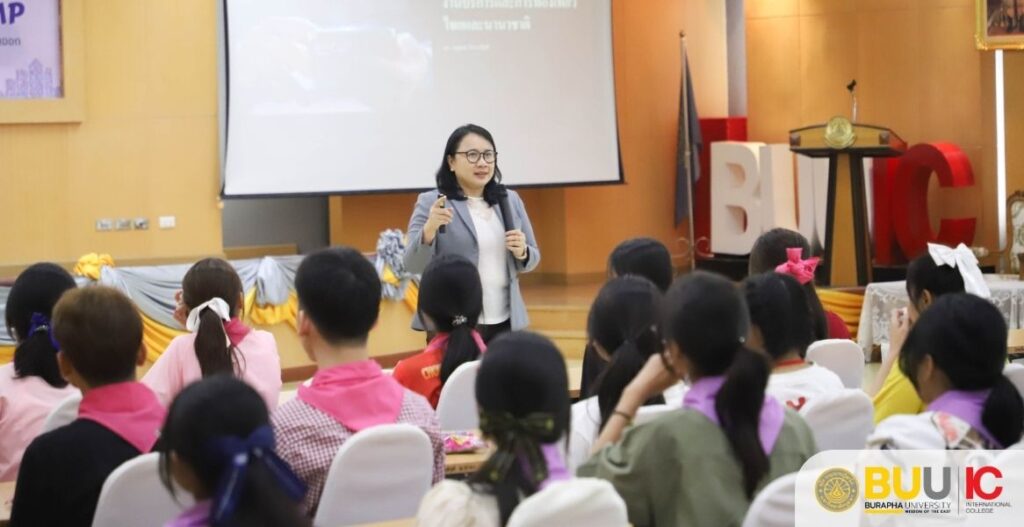
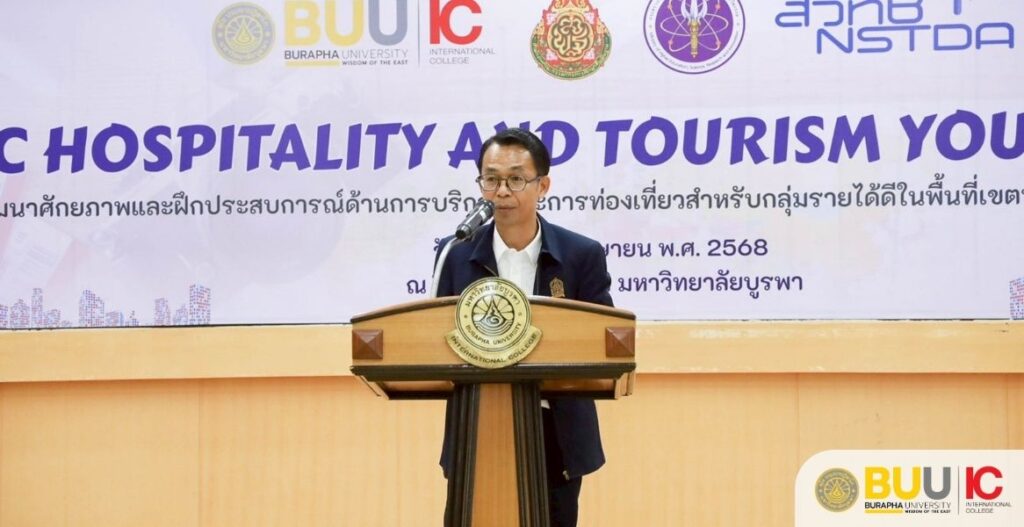
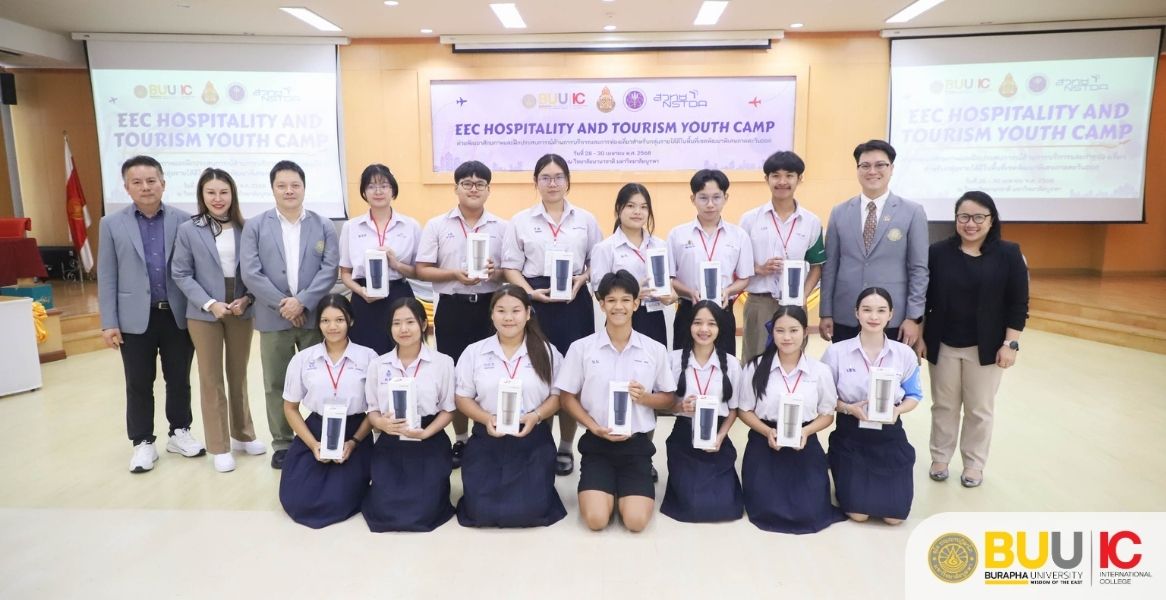
The process of this project began with a collaborative effort between Burapha University International College (BUUIC), the Office of the Basic Education Commission (OBEC), the Secondary Educational Service Areas of Chachoengsao and Chonburi-Rayong, and the National Science and Technology Development Agency (NSTDA). Together, they designed a program aimed at promoting service and tourism education for high-income market groups. High school students from the Eastern Economic Corridor (EEC) were invited to apply, resulting in 160 applications from which 80 students were selected, representing 10 different schools in the region. The selected students participated in a three-day program hosted at BUUIC from April 28–30, 2025. During the event, students engaged in hands-on learning activities, received guidance from industry experts and mentors, and explored the growing opportunities in the service and tourism sectors. This structured and inclusive process ensured that the program was both educational and impactful, aligning with SDG 4, Indicator 4.3.2 by providing a university-hosted learning experience open to the public and supporting lifelong learning.
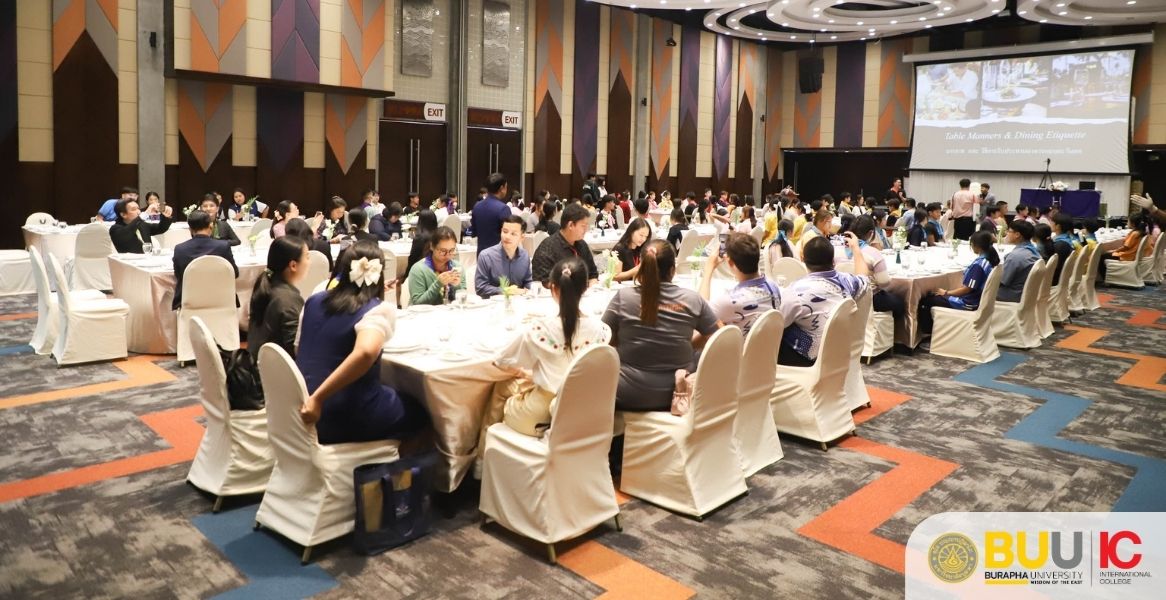
The impact of this project is significant in both educational and economic dimensions. By engaging 80 high school students from across the Eastern Economic Corridor (EEC), the initiative has successfully introduced young learners to the practical realities and career opportunities within the service and tourism industries—sectors that are vital to the region’s economic development. Through hands-on experiences and expert mentorship, students not only gained valuable skills but also developed a clearer understanding of their potential roles in the future workforce. This exposure helps bridge the gap between secondary education and industry needs, fostering a more prepared and motivated generation. Additionally, by being hosted at a university and accessible to a wide group of students, the program supports lifelong learning and aligns with SDG 4, Indicator 4.3.2, by promoting inclusive, quality education that extends beyond traditional academic boundaries.
Date of Implementation: April 28-30, 2025