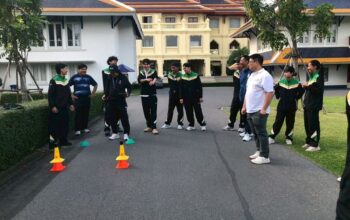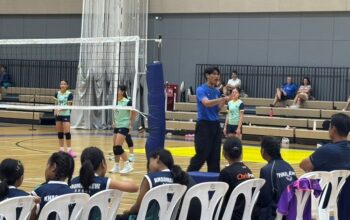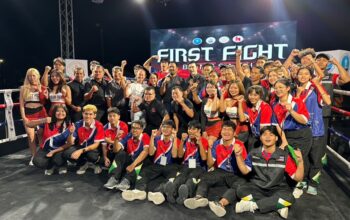
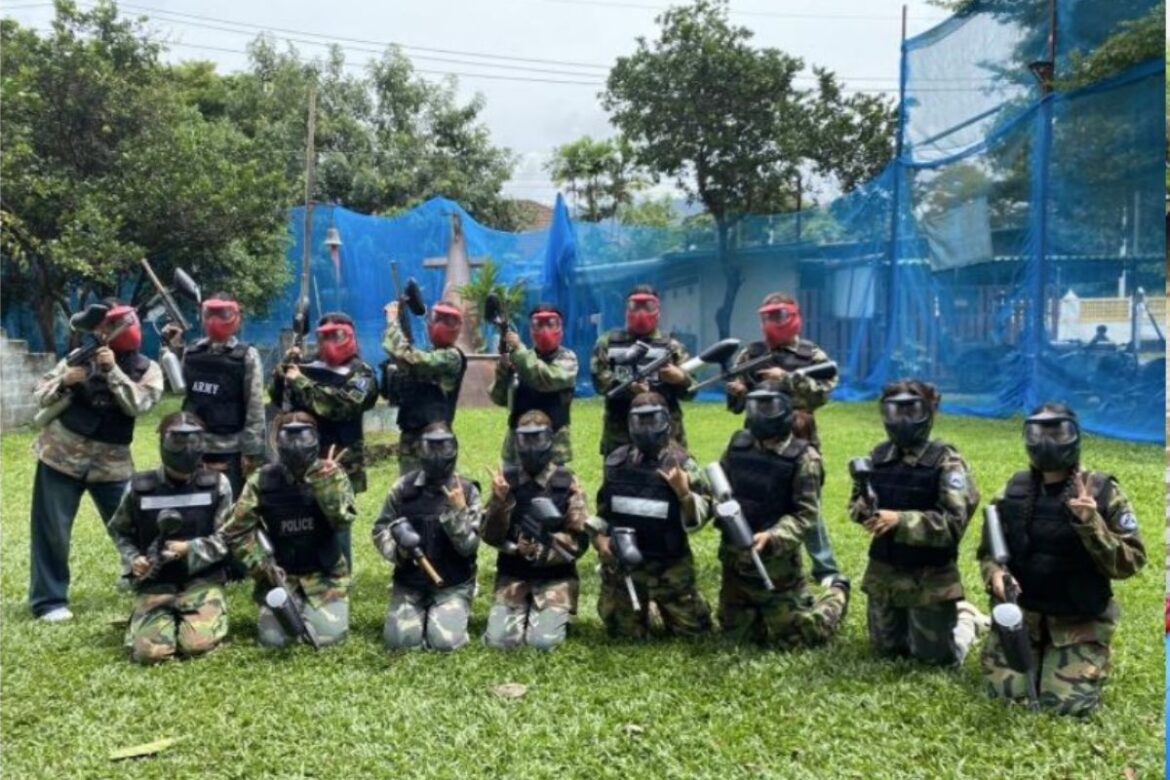
Recreation and Tourism are types of activities that contribute to enriching individuals with new and diverse experiences. Tourism, in particular, is a form of recreation during leisure time and involves travel. It typically entails moving from one’s residence to another location considered a tourist destination, aiming to change scenery and environment. Various motivators, including physical needs, cultural interests, traditional lifestyles, and the desire for social recognition, often drive this journey.
Tourism activities offer opportunities to enhance life experiences, create lasting impressions, and foster appreciation for nature, art, culture, traditions, and community ways of life. Each travel experience is unique, shaped by the destination and the traveller’s perspective. Beyond enjoyment, recreation and tourism serve as personal and social development mechanisms. They utilise leisure activities as a medium for improving the quality of life. Participation is voluntary, often inspired by intrinsic motivation, and can lead to growth in multiple dimensions—physical, emotional, mental, social, and even personality development. Engaging in recreational tourism allows individuals to relax, explore, and connect with different cultures and environments. It encourages mindfulness, broadens worldviews, and strengthens social bonds. Whether through cultural festivals, nature excursions, or community-based tourism, these activities promote a deeper understanding of diverse lifestyles and foster mutual respect. Moreover, recreation and tourism play a vital role in community development.
They can stimulate local economies, preserve cultural heritage, and support sustainable practices. When thoughtfully designed, tourism activities can empower communities, offering travellers meaningful and transformative experiences. In essence, recreation and tourism are not merely pastimes but potent tools for holistic development. They provide a space for individuals to recharge, reflect, and grow, while also contributing to the well-being of society as a whole.
Project Coordinator:
- Assistant Professor Dr. Saralee Sonchan, Principal Investigator
- Assistant Professor Dr. Wirat Sonchan
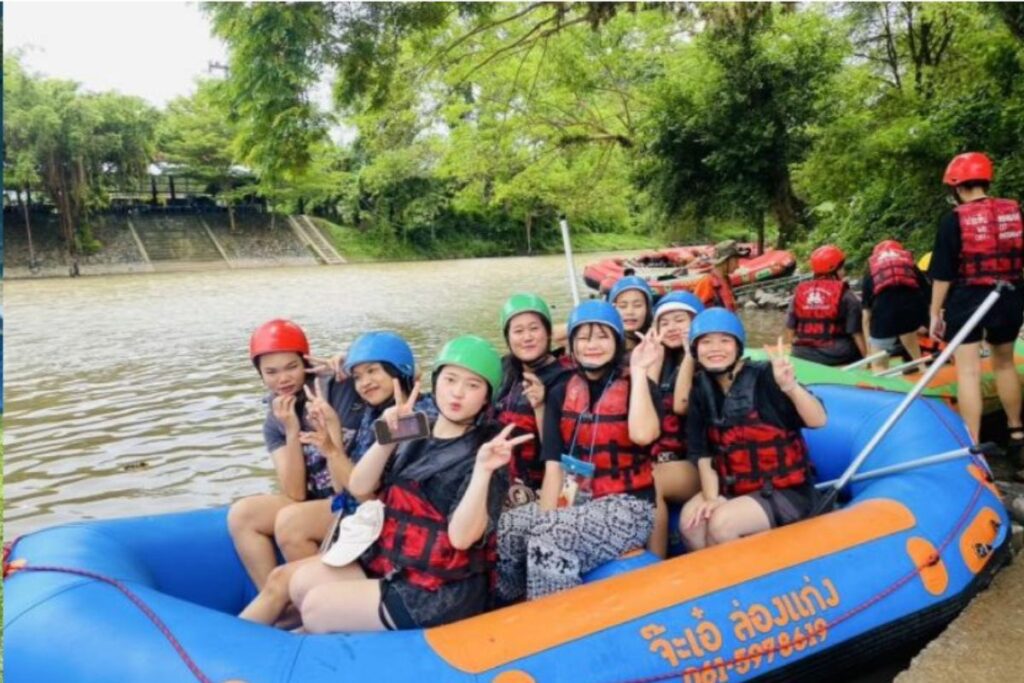
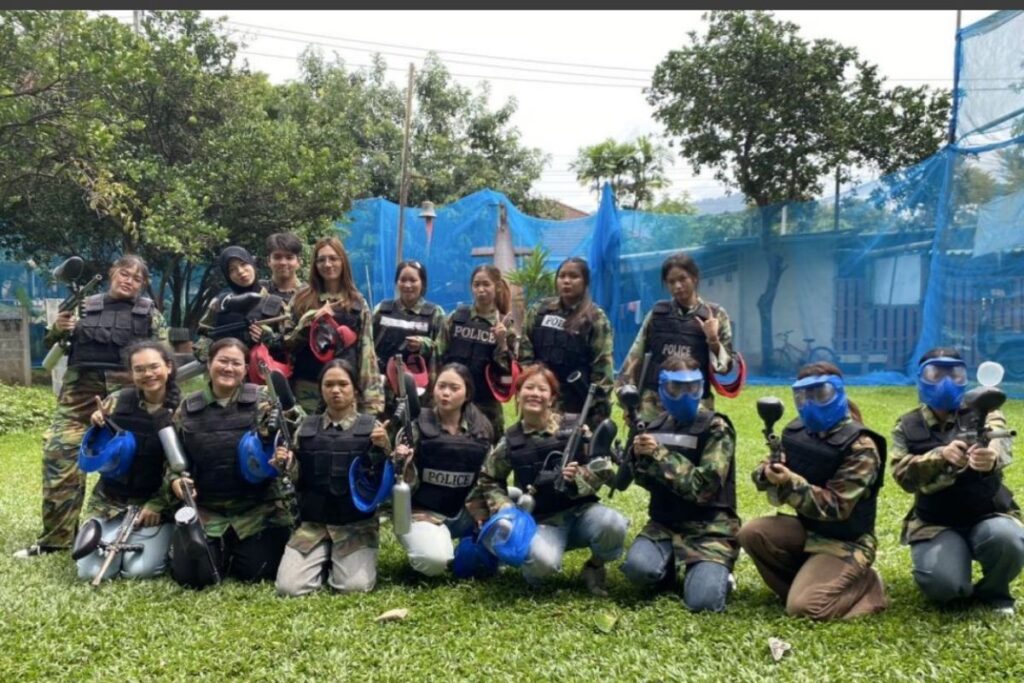
Objectives:
- To promote student learning through teamwork, planning, problem-solving, and collaboration with others by organising activities in the form of recreation and tourism.
- To enrich students’ life experiences, create lasting impressions, and foster learning about local and external communities’ lifestyles, nature, arts, and cultural traditions. These activities also aim to support students’ physical, emotional, and personality development by providing opportunities to relieve stress and anxiety from academic, work, and daily life pressures.
- To integrate academic learning with practical training through real-life experiences, allowing students to apply the knowledge gained in the classroom to hands-on activities and experiential learning.
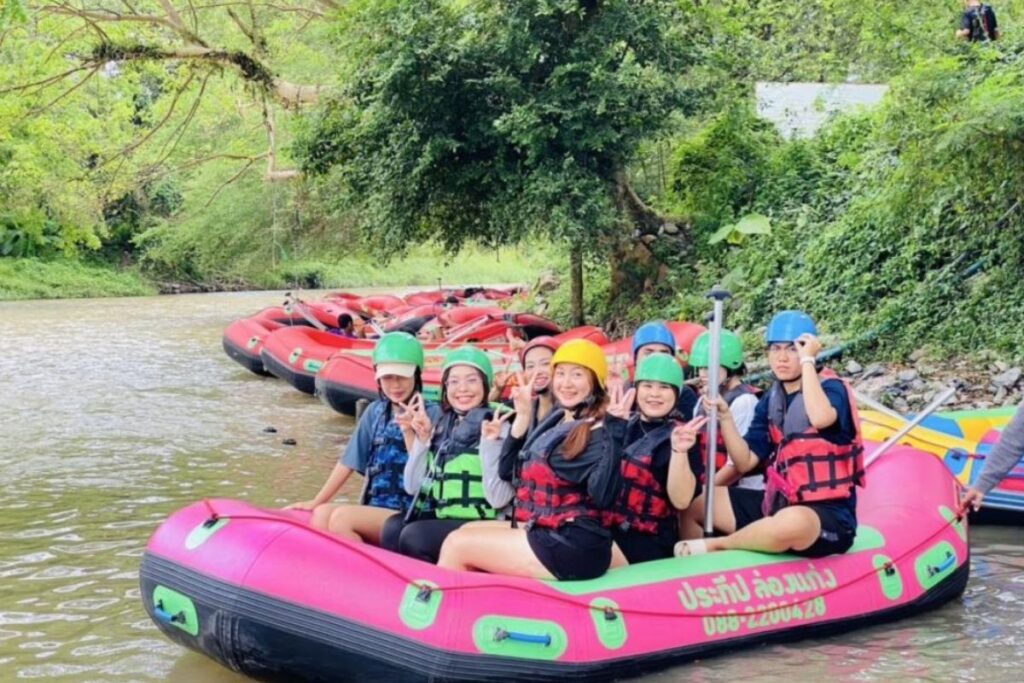
Program Activities:
The Recreation and Tourism Project aims to help students develop essential skills such as planning, punctuality, interpersonal communication, and teamwork with familiar and unfamiliar peers. Through participation in recreational activities, students gain practical experiences that can be applied in the future—whether in leading tourism and recreation programs or using travel to manage personal stress.
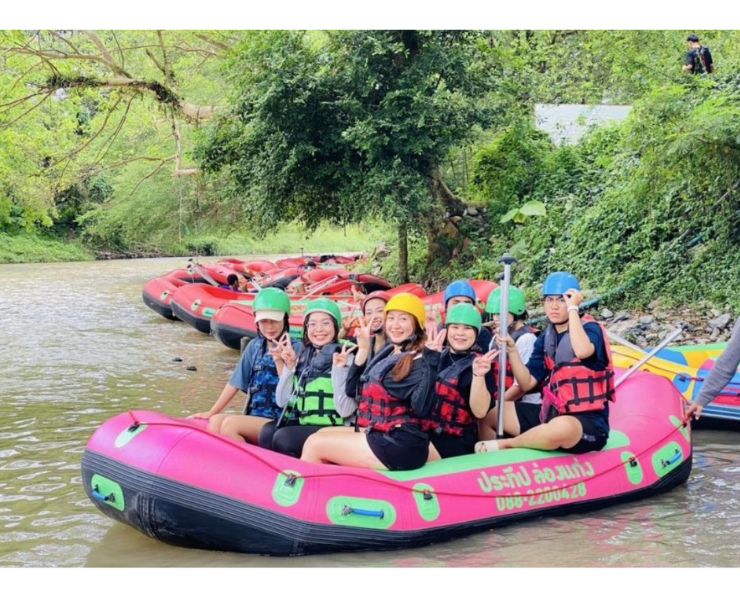
Expected Outcomes (Impacts):
The Recreation and Tourism Project is designed to foster holistic development among students by engaging them in meaningful, hands-on experiences. One of its primary goals is to cultivate essential skills such as teamwork, planning, adaptability, and interpersonal collaboration. Through recreational and tourism-based activities, students learn how to work effectively with others—whether with familiar peers or new acquaintances—while developing the ability to solve real-life problems and manage responsibilities in a group setting.
These experiences help students build confidence and prepare them for future professional and social environments. In addition to skill-building, the project offers students the opportunity to gain valuable life experiences and emotional enrichment. By participating in activities that expose them to diverse lifestyles, natural environments, cultural traditions, and community practices, students develop a deeper appreciation for the world beyond their academic surroundings.
These immersive experiences leave lasting impressions and contribute to personal growth in physical well-being, emotional resilience, and character development. Recreational tourism is a powerful tool for stress relief, allowing students to unwind from the pressures of academic studies, work obligations, and daily routines. It encourages mindfulness, relaxation, and emotional balance, essential for maintaining mental health and overall well-being.
Furthermore, the project emphasises the integration of academic learning with practical application. Students are encouraged to bridge the gap between theory and practice by applying classroom knowledge to real-world situations. This experiential learning approach enhances their understanding of academic concepts and equips them with the skills to navigate complex, dynamic environments. Whether leading recreational activities, organising travel experiences, or engaging with local communities, students gain firsthand insight into the practical aspects of their studies.
This integration reinforces academic content and prepares students for future careers by fostering critical thinking, creativity, and problem-solving abilities. Overall, the Recreation and Tourism Project is a dynamic platform for student development. It nurtures intellectual, emotional, and social growth while promoting cultural awareness and community engagement. By combining structured learning with experiential activities, the project empowers students to become well-rounded individuals capable of contributing meaningfully to society.
Date of Implementation: Aug 30, 2025