A multi-level commitment to environmental sustainability drives this project. At the national level, it responds to the Ministry of Higher Education, Science, Research and Innovation (MHESI)’s initiative urging higher education institutions to organise National Tree Day 2026 activities aimed at conserving forest resources and expanding green spaces. At the university level, it actively drives Burapha University’s “Green University” strategy (Platform 3: Sustainable Social Development, Program 3.1, KPI C30.1). Furthermore, it directly aligns with the Computer Center’s Strategy 4: Developing a Quality Organisation for Sustainable Growth. As an information technology service provider, the Computer Center recognises that a shaded, beautiful, clean, and safe environment—both indoors and outdoors—significantly enhances the quality of life for our personnel and creates a welcoming atmosphere for students, faculty, and external visitors. By transforming vacant areas into productive kitchen gardens, this project not only maximises land utilisation but also cultivates a culture of self-reliance and environmental stewardship. It empowers our staff to actively participate in nurturing our shared ecosystem and building a truly sustainable workplace.
Project Coordinator: Mrs Pissamai Namchan
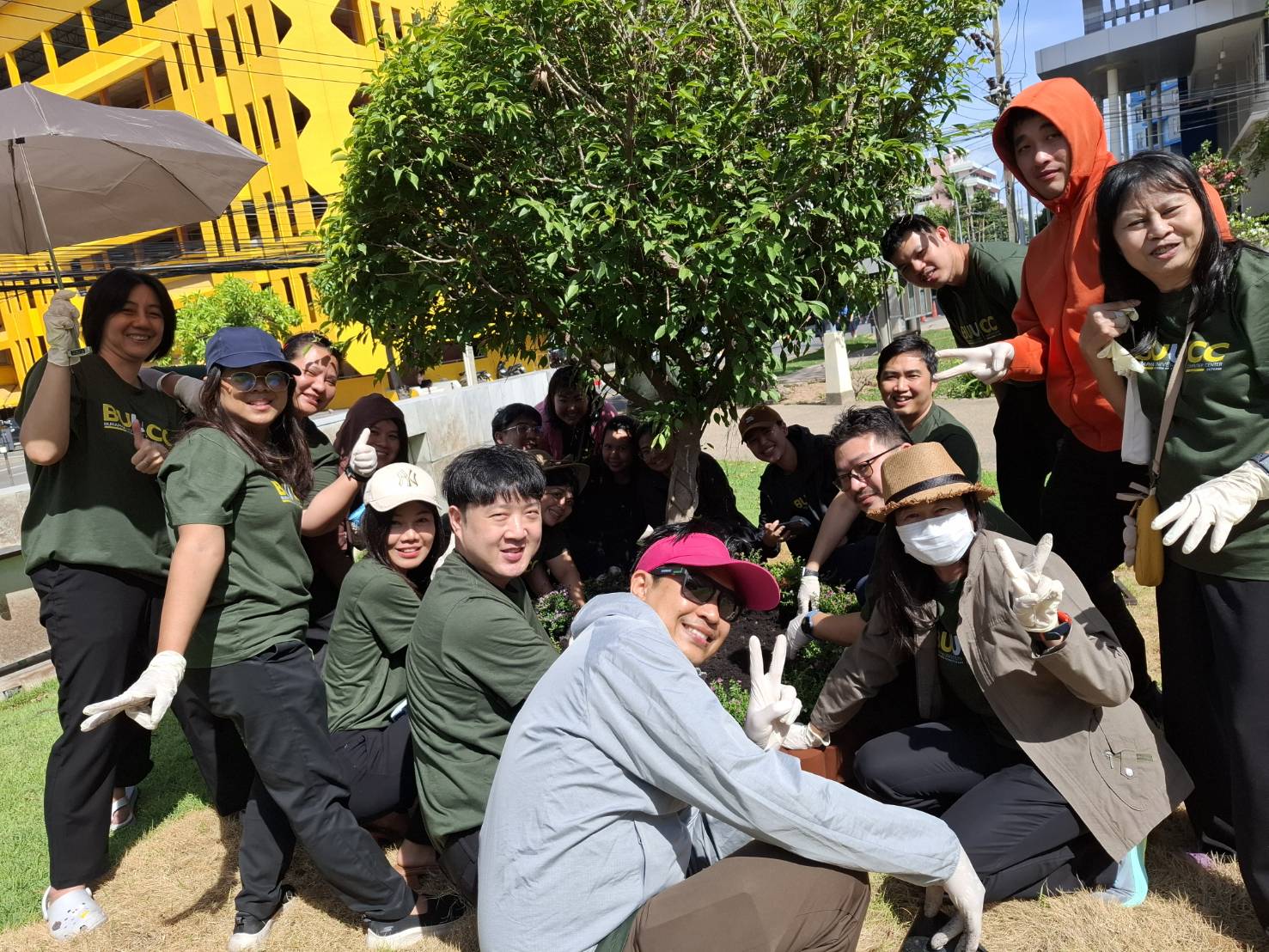
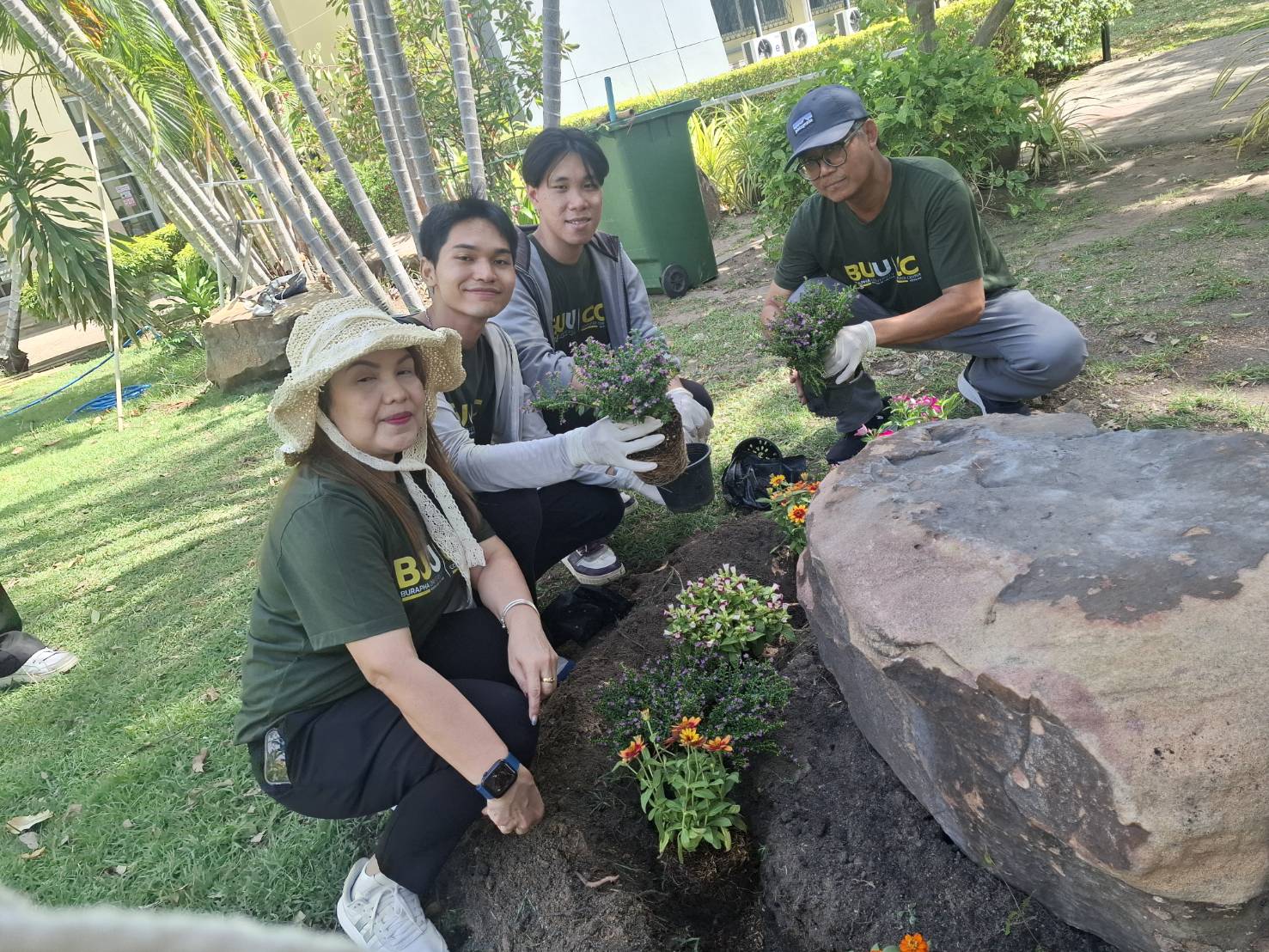
Objectives:
- To align with and support the sustainable development policies set forth by MHESI and Burapha University’s Green University initiative.
- To organically expand green spaces, enhance the landscape, and optimise the use of available areas within the Computer Center’s premises.
- To foster active employee participation in planting trees, cultivating kitchen gardens, and collectively caring for the environment.
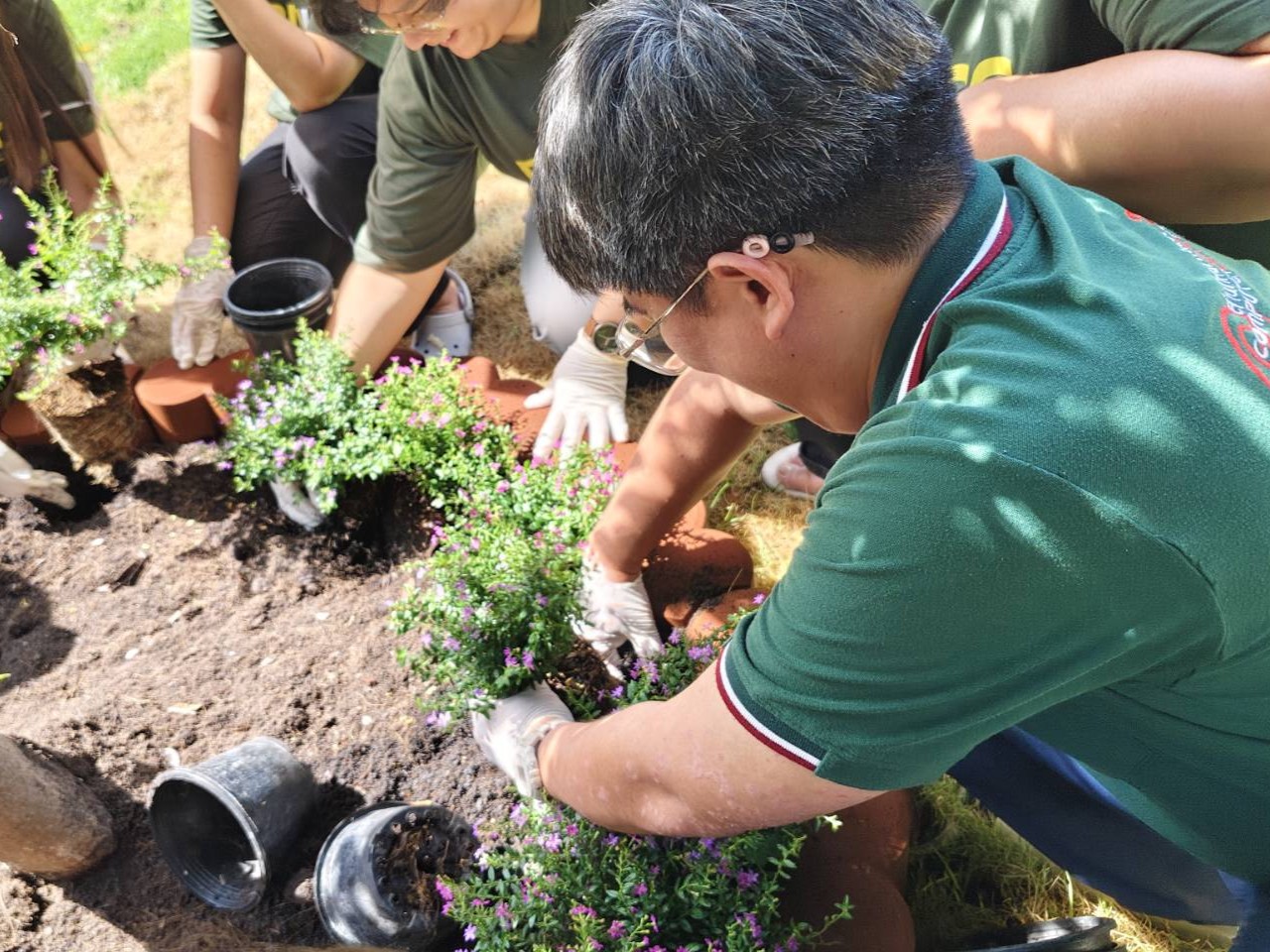
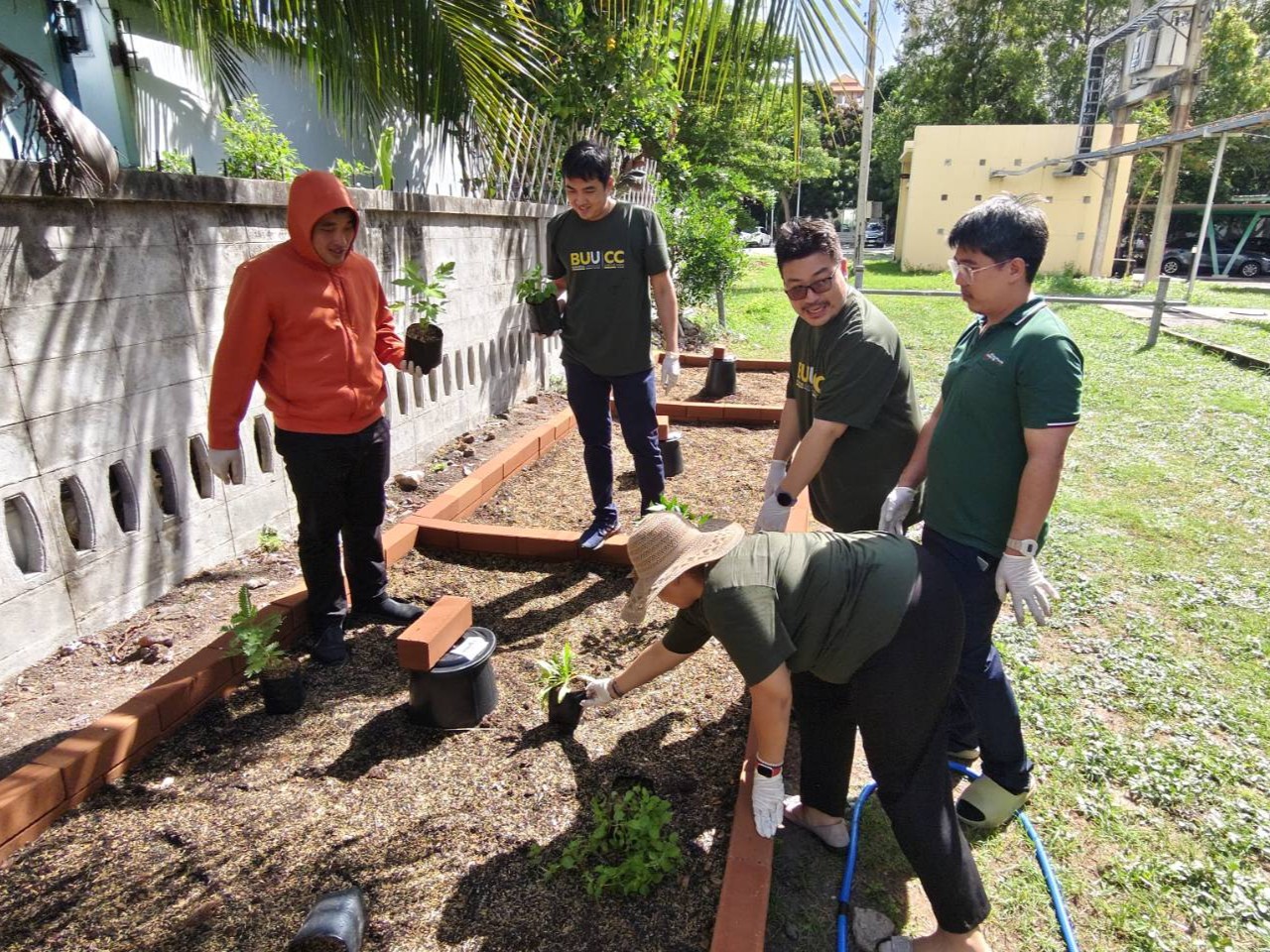
Program Activities:
- Strategic Planning: Convene a working committee to outline project guidelines, select appropriate plant species suited for the Center’s front landscape (considering growth and maintenance), and designate specific areas for the kitchen vegetable gardens.
- Resource Procurement: Formally request seedling support from the Chonburi Provincial Forestry Nursery in Bang Phra, Si Racha, while purchasing additional vegetable seeds and necessary planting equipment.
- PR & Engagement: Launch an internal campaign inviting Computer Center staff to participate in the project. Encourage long-term engagement by inviting everyone to help plant, water, and fertilise the gardens.
- Site Preparation: Coordinate with ground staff to dig planting holes, prepare the vegetable beds, and set up all necessary materials for the main event.
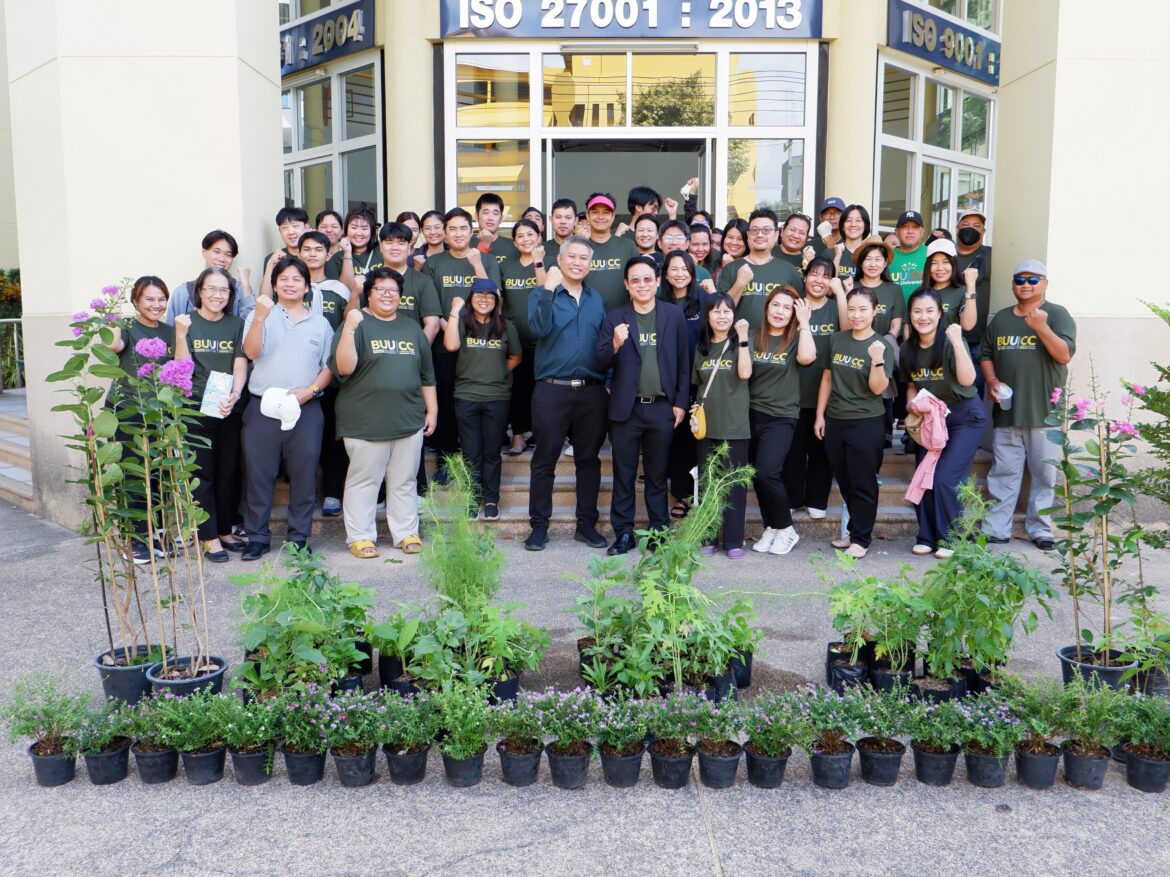
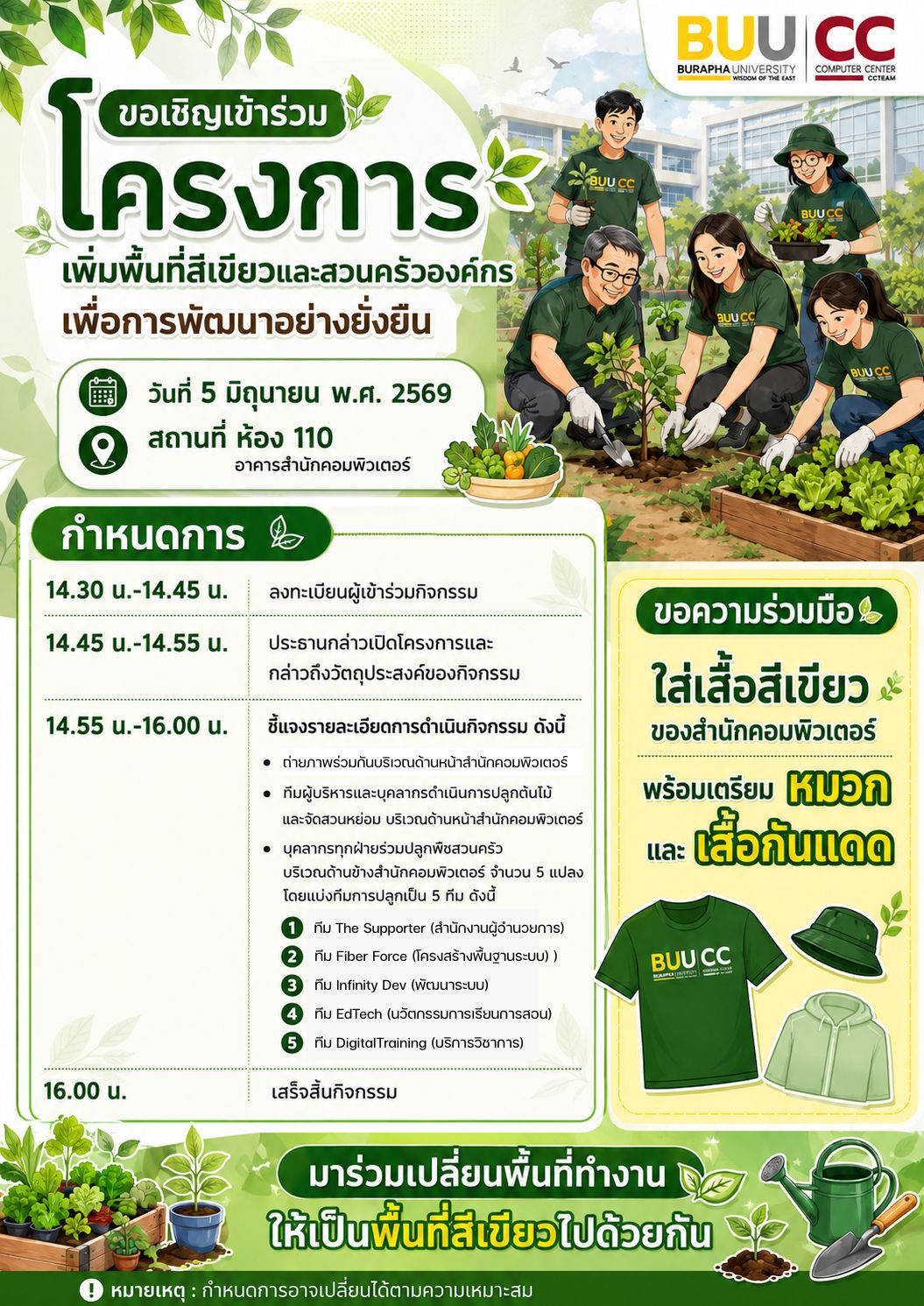
- Planting Activity: Execute the planting event at the front and side areas of the Computer Center, bringing together executives, staff, and participants in a collaborative, hands-on environmental effort.
- Evaluation & Reporting: Assess participant satisfaction, compile event media, and submit a comprehensive performance report to the management team and MHESI.
Expected Outcomes (Impacts):
Environmental Impact: 1. Tangibly increased green space around the Computer Center by planting 5 new perennial trees and establishing 4 vegetable garden beds (each measuring 2.50 × 2.10 meters). 2. Transformed vacant land into a vibrant, productive space, fostering a “Clean & Green” landscape that effectively helps reduce the ambient heat around the building. Social & Human Impact: 1. Enhanced the physical and mental well-being of personnel by creating a relaxing and pleasant working environment. 2. Fostered strong bonds, engagement, and unity across the Center’s 5 departments through collaborative planting and maintenance activities. 3. Instilled a deep mindset of self-reliance and sustainable environmental conservation among the staff. 4. Elevated the organisation’s image, presenting the IT service center as a lively, welcoming space for students, faculty, and visitors. Strategic Impact: 1. Successfully achieved Burapha University’s Green University indicators (Platform 3 / Program 3.1 / KPI C30.1). 2. Concretely fulfilled MHESI’s sustainable organisational development policies and the Computer Center’s Strategy 4.
Date of Implementation: June 5, 2026