The improper use of medications—particularly the common misconception surrounding “Antibiotics” and “Anti-inflammatory drugs”—remains a pressing public health challenge in Thai society. Many people mistakenly view these two drug categories as interchangeable, often using antibiotics to treat viral infections such as common colds and sore throats, where they are entirely unnecessary. This inappropriate medication behavior contributes to a critical national and global crisis: Antimicrobial Resistance (AMR). AMR directly escalates disease severity, increases healthcare costs, and poses severe life-threatening risks.
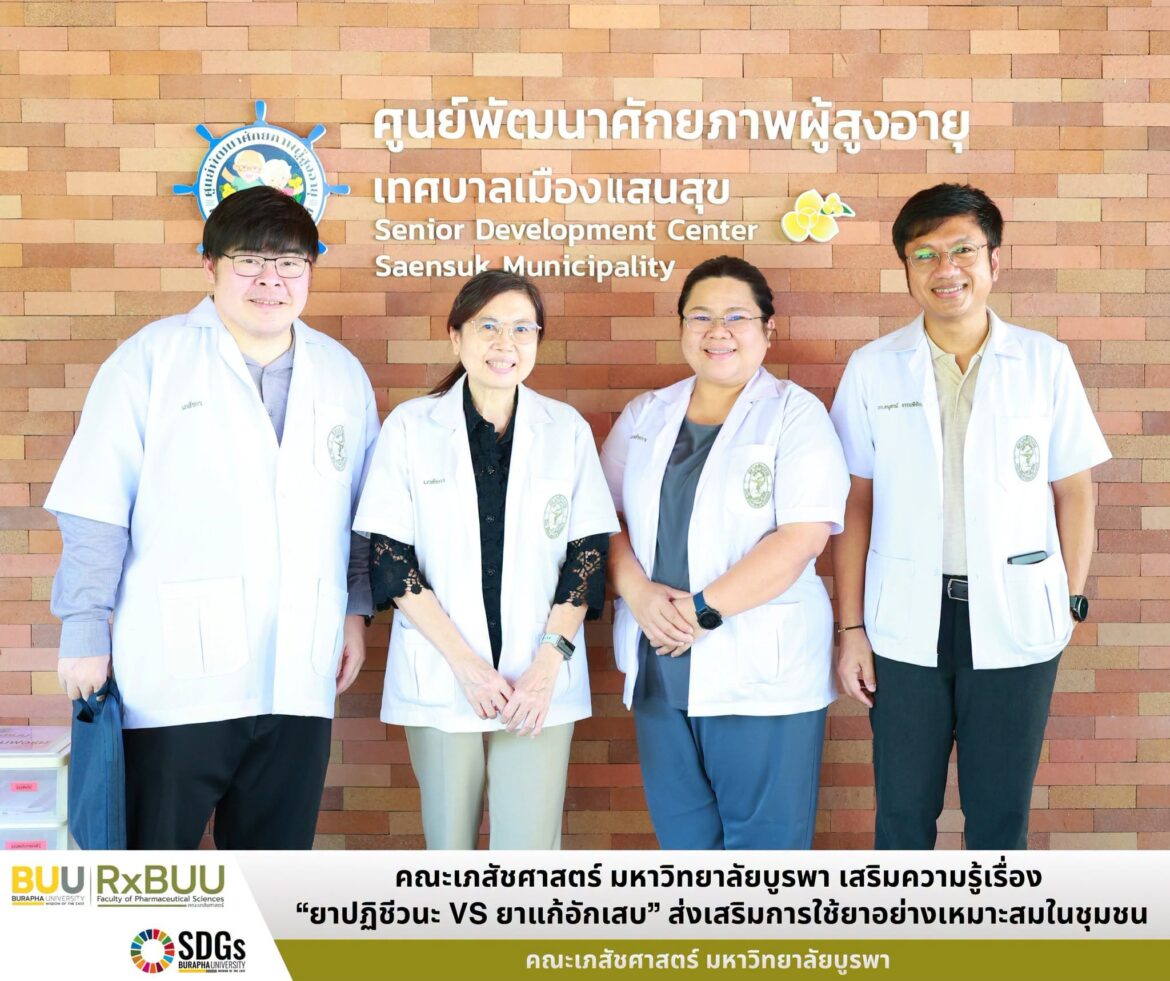
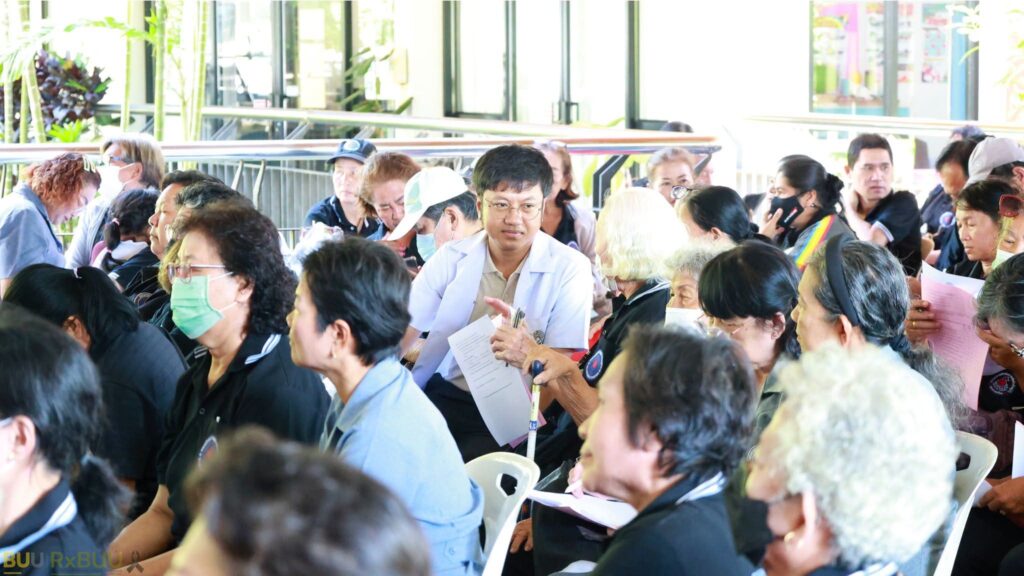
Recognising the gravity of this issue, the Faculty of Pharmacy, in collaboration with Saen Suk Municipality, has organised the “Community Health Promotion and Rational Drug Use Project (Fiscal Year 2027 – Batch 1).” The initiative specifically targets the elderly and Village Health Volunteers (VHVs), as older adults frequently use medications and face a higher risk of adverse drug reactions. Building health awareness and sharing accurate information through the VHV network creates a sustainable defence mechanism for community health.
Project Coordinator: • Assoc. Prof. Dr Wantana Reanmongkol, Pharm.D.
Objectives:
- Promote Proper Understanding: To build accurate awareness regarding the differences between antibiotics and anti-inflammatory drugs, thereby preventing misuse and combating drug resistance.
- Encourage Rational Drug Use: To foster rational medication practices within the community, enabling participants to manage their own health and care for their families safely.
- Empower Village Health Volunteers (VHVs): To support and enhance the capacity of local VHVs, transforming them into key leaders capable of sharing health knowledge and promoting reliable information access.
- Expand Health Information Access: To broaden community-level access to health education and standardised practices for safe medication use.
Program Activities:
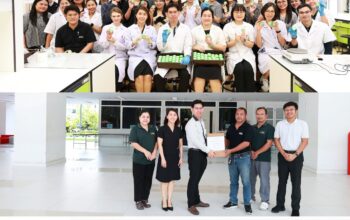
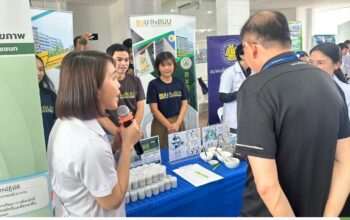
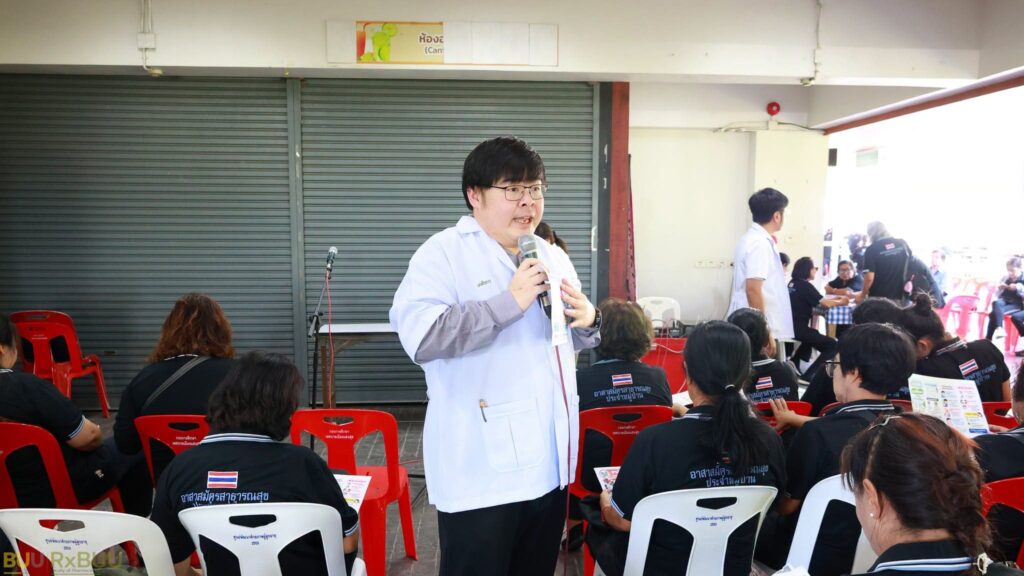
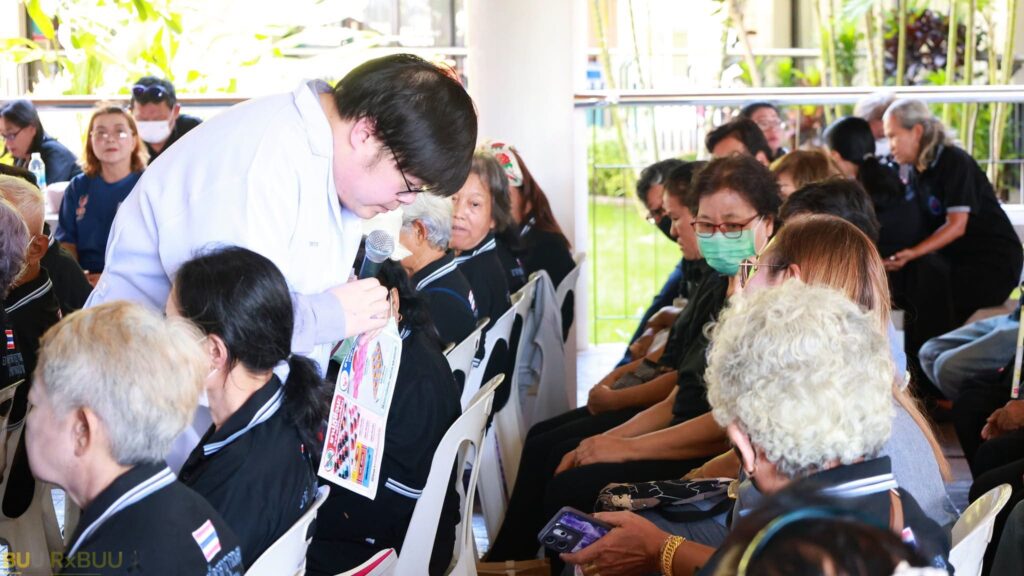
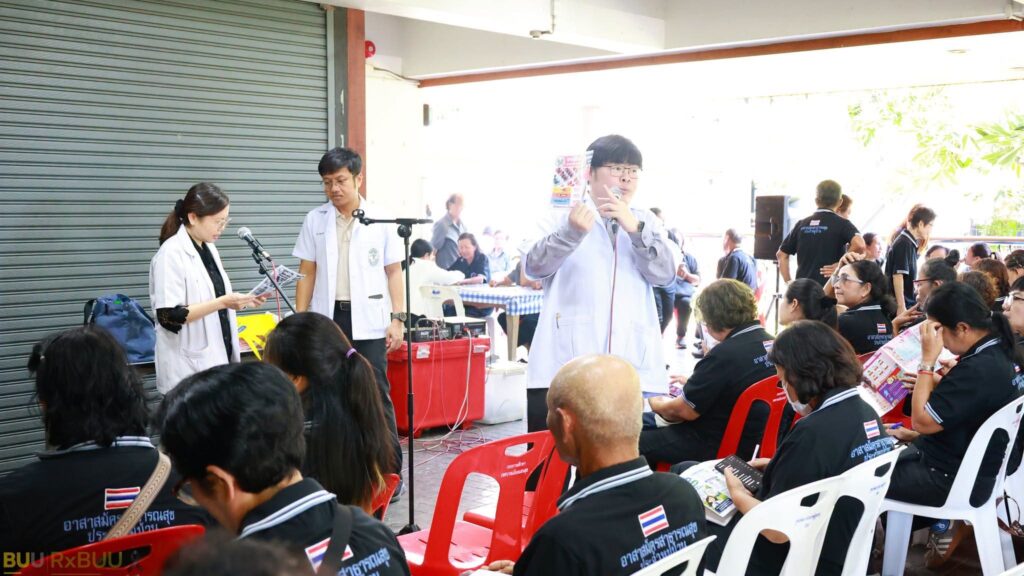
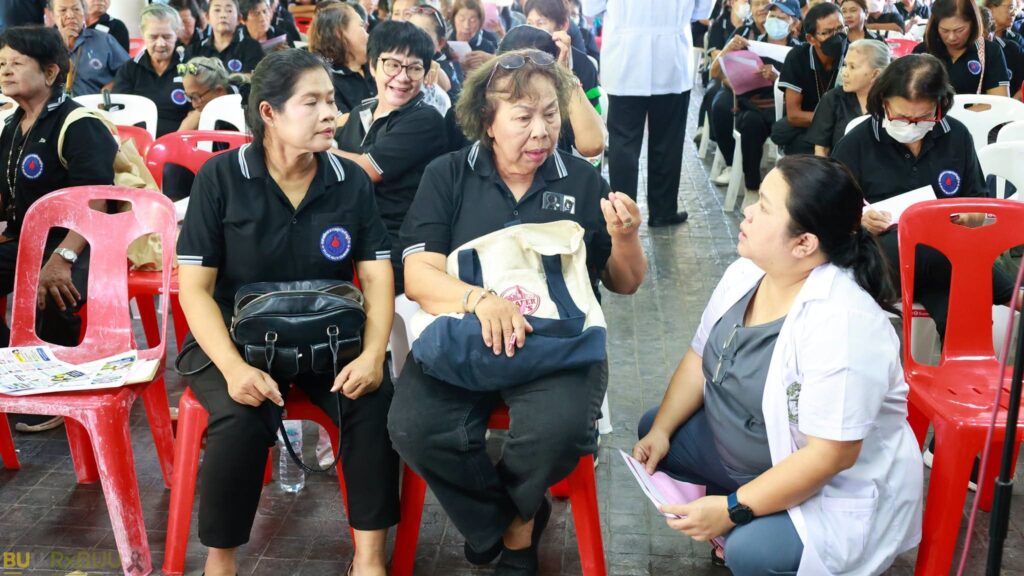
The project featured an interactive expert-led lecture titled “Antibiotics vs Anti-inflammatory Drugs: Differences and Rational Use” delivered by faculty pharmacists. Participants received user-friendly, digestible summary handbooks designed to equip VHVs with reliable tools for confident community outreach. The session also included an open Q&A forum, allowing VHVs to consult experts, clarify doubts, and discuss real-life case studies encountered during community health visits.
Expected Outcomes (Impacts):
Enhanced Health Literacy: Elevated health awareness among community members and senior citizens, reducing unnecessary self-medication and inappropriate antibiotic purchases.
Mitigation of Antimicrobial Resistance (AMR): Alleviated community-level drug resistance, helping curb a global health threat that impacts individual households and the broader public healthcare system.
Community and VHV Empowerment: Strengthened the role of VHVs as trusted “household doctors,” boosting their confidence to communicate health guidelines and provide accurate advice to neighbours.
Reduced Healthcare Burden: Minimised unnecessary out-of-pocket expenses for self-prescribed medications and eased hospital congestion stemming from adverse drug reactions and treatment complications.
Date of Implementation: October 8, 2026