Mangrove forests are highly important ecosystems for maintaining the balance of natural resources and coastal environments. They serve as a natural barrier against coastal erosion, reduce the impacts of waves, strong winds, and storms, and absorb and sequester carbon dioxide, thereby helping to mitigate climate change. Mangrove forests also provide nursery grounds, breeding areas, and habitats for a wide variety of aquatic animals and wildlife, which are essential to food security and the livelihoods and economies of coastal communities.
At present, mangrove forest areas in many locations continue to face degradation caused by land use, urban expansion, pollution, and the impacts of climate change. These factors have resulted in declining biodiversity and increasingly vulnerable ecosystems. Mangrove restoration is therefore an important measure for conserving natural resources and enhancing the capacity of ecosystems to adapt to climate change.
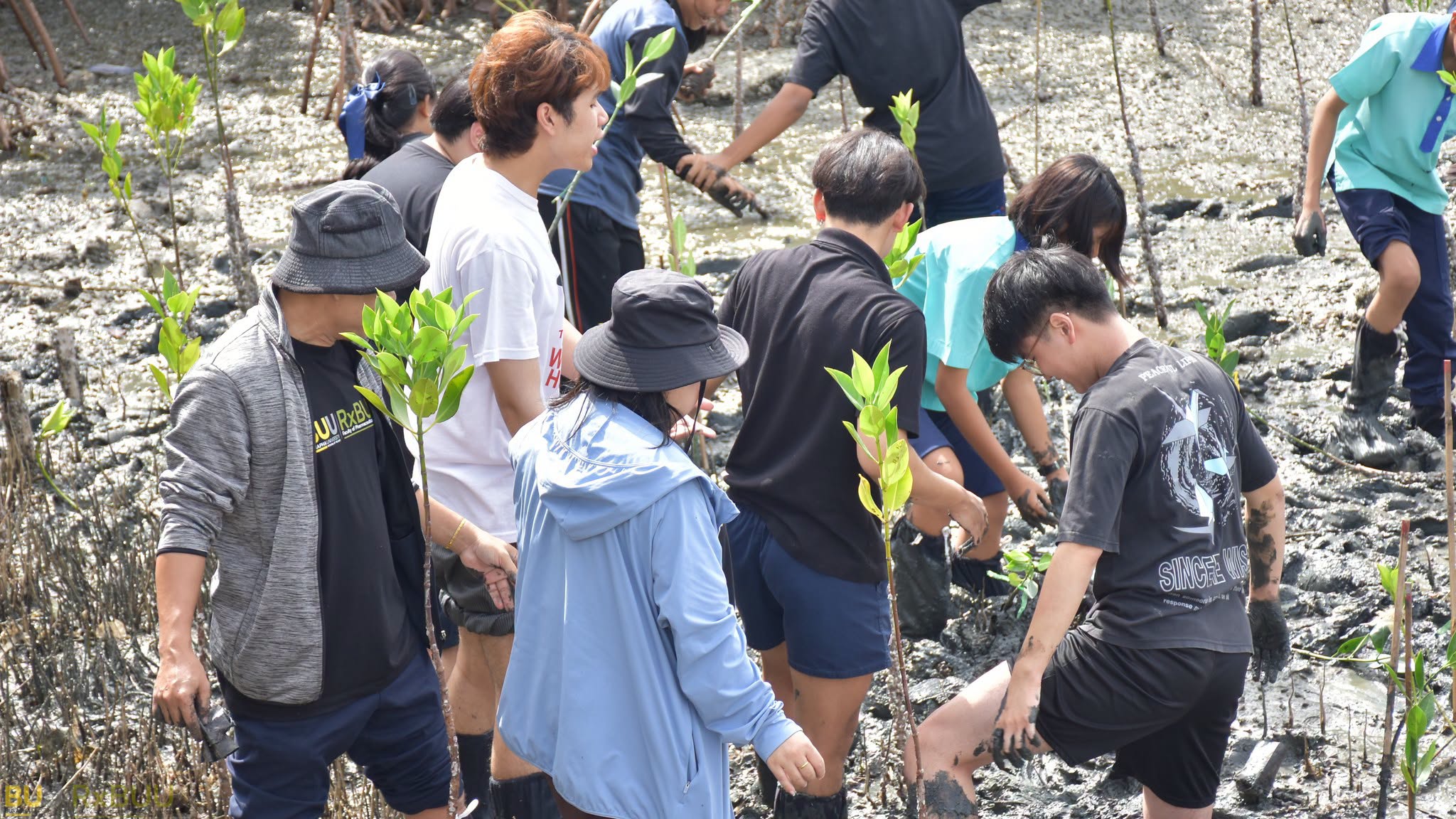
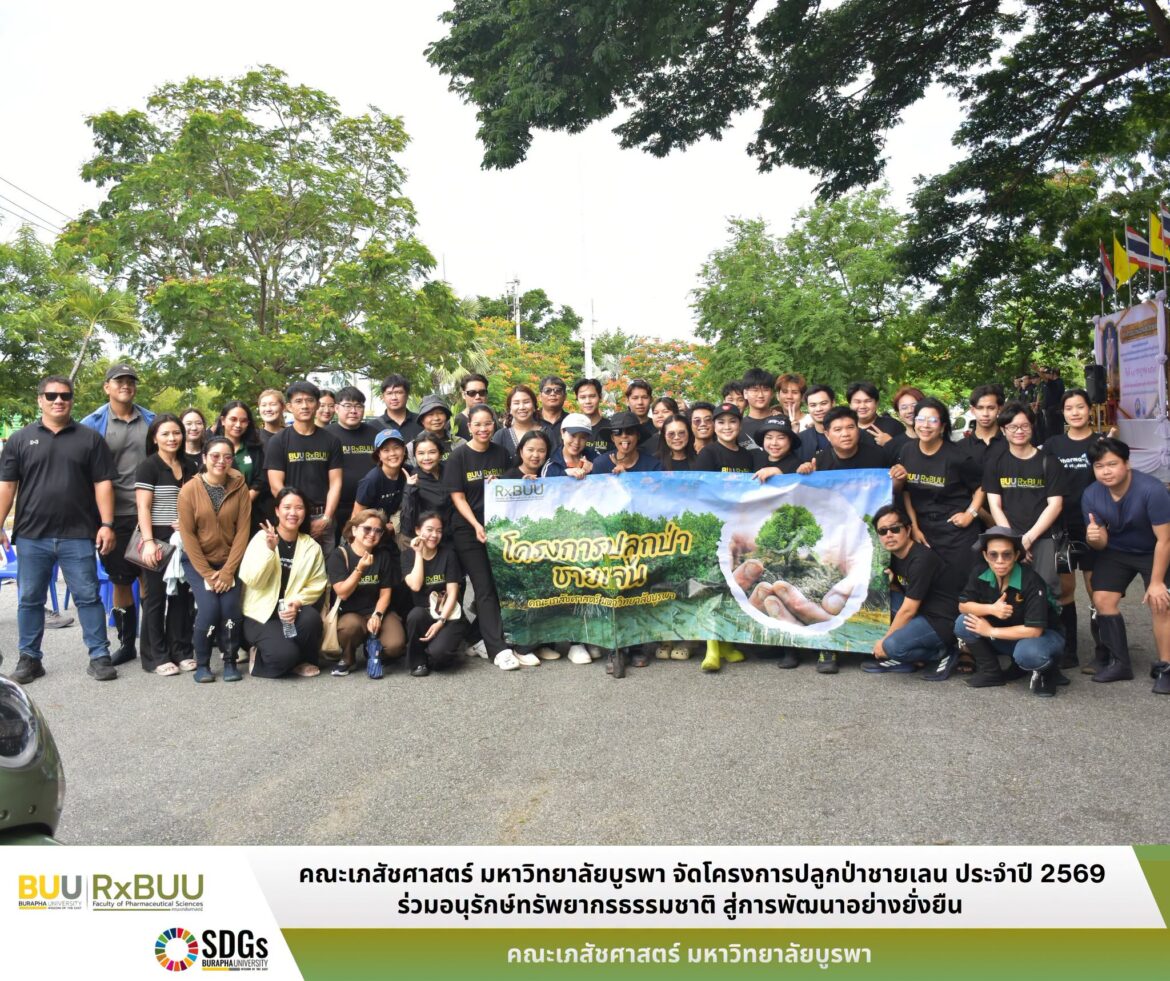
In response to these challenges, the Faculty of Pharmaceutical Sciences organized the 2026 Mangrove Forest Restoration Project, which involved planting 500 large-leaved mangrove (Rhizophora mucronata) seedlings. The project aimed to restore mangrove forest areas, increase green spaces, conserve biodiversity, and encourage the participation of university administrators, faculty members, and staff in the conservation of natural resources. The initiative reflects the university’s commitment to becoming an organization that takes responsibility for society and the environment while supporting sustainable development.
Objectives of the Project
- To restore and expand mangrove forest areas through the planting of mangrove seedlings.
- To conserve biodiversity and increase habitats for aquatic animals and coastal wildlife.
- To promote the participation of faculty members, staff, and students in the conservation of natural resources and the environment.
- To raise environmental awareness and promote the sustainable use of natural resources.
- To strengthen cooperation in environmental development among the university, local communities, and relevant local agencies.
Project Implementation
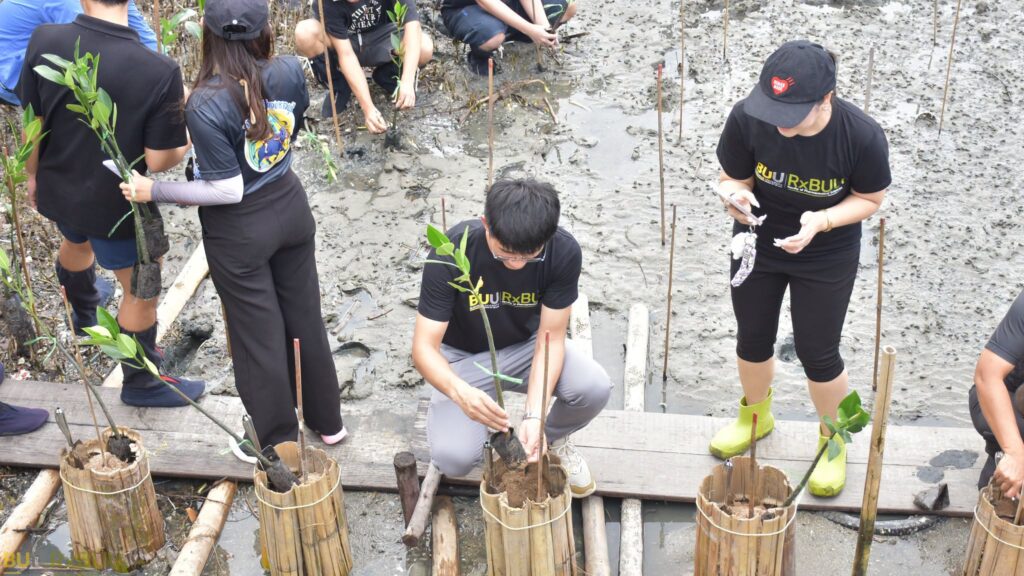
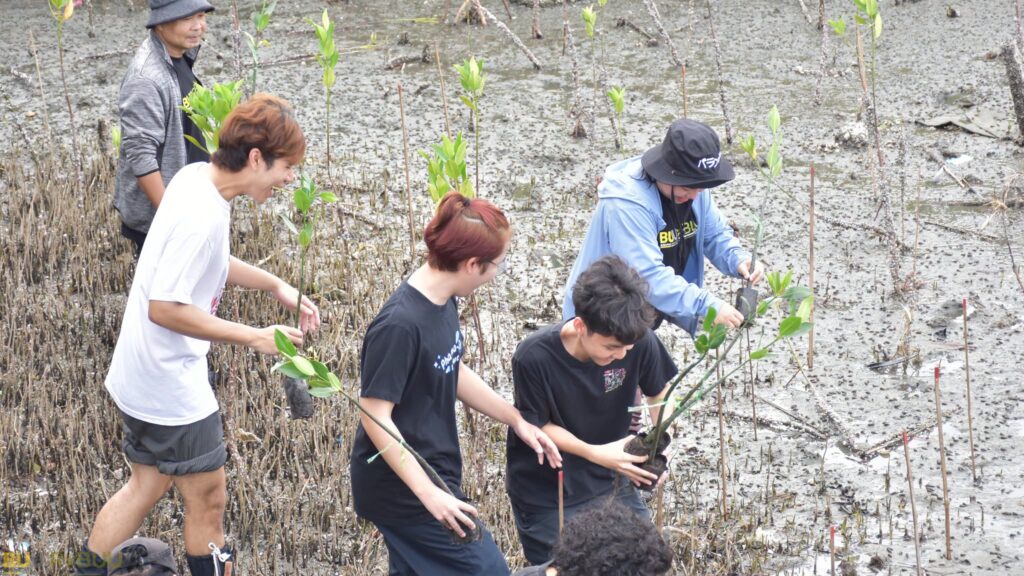
On 14 July 2026, faculty members and staff, together with volunteer students from the Faculty of Pharmaceutical Sciences, participated in a mangrove planting activity at the mangrove forest area along Rong Phayaban Kao Road (behind Ruam Jai Chon Pavilion). The activity aimed to increase green space through the planting of 500 large-leaved mangrove (Rhizophora mucronata) seedlings. The seedlings were provided with support from Chon Buri City Municipality.
The activity was supported by Chon Buri City Municipality and joined by teachers and students from schools under the Chon Buri City Municipality, as well as Chonradsadornumrung School. Their participation in the mangrove planting activity helped establish cooperation among higher education institutions, government agencies, and educational institutions in advancing sustainable environmental conservation.
The mangrove restoration project generated tangible outcomes in environmental conservation, social engagement, and organizational development. The planting of 500 large-leaved mangrove seedlings contributed to the restoration of the coastal ecosystem, enhanced carbon sequestration capacity, conserved biodiversity, and reduced the risk of coastal erosion. At the same time, the project fostered environmental awareness among university personnel and encouraged active participation in natural resource conservation. These efforts reflect the university’s role in driving sustainable development through concrete environmental action.
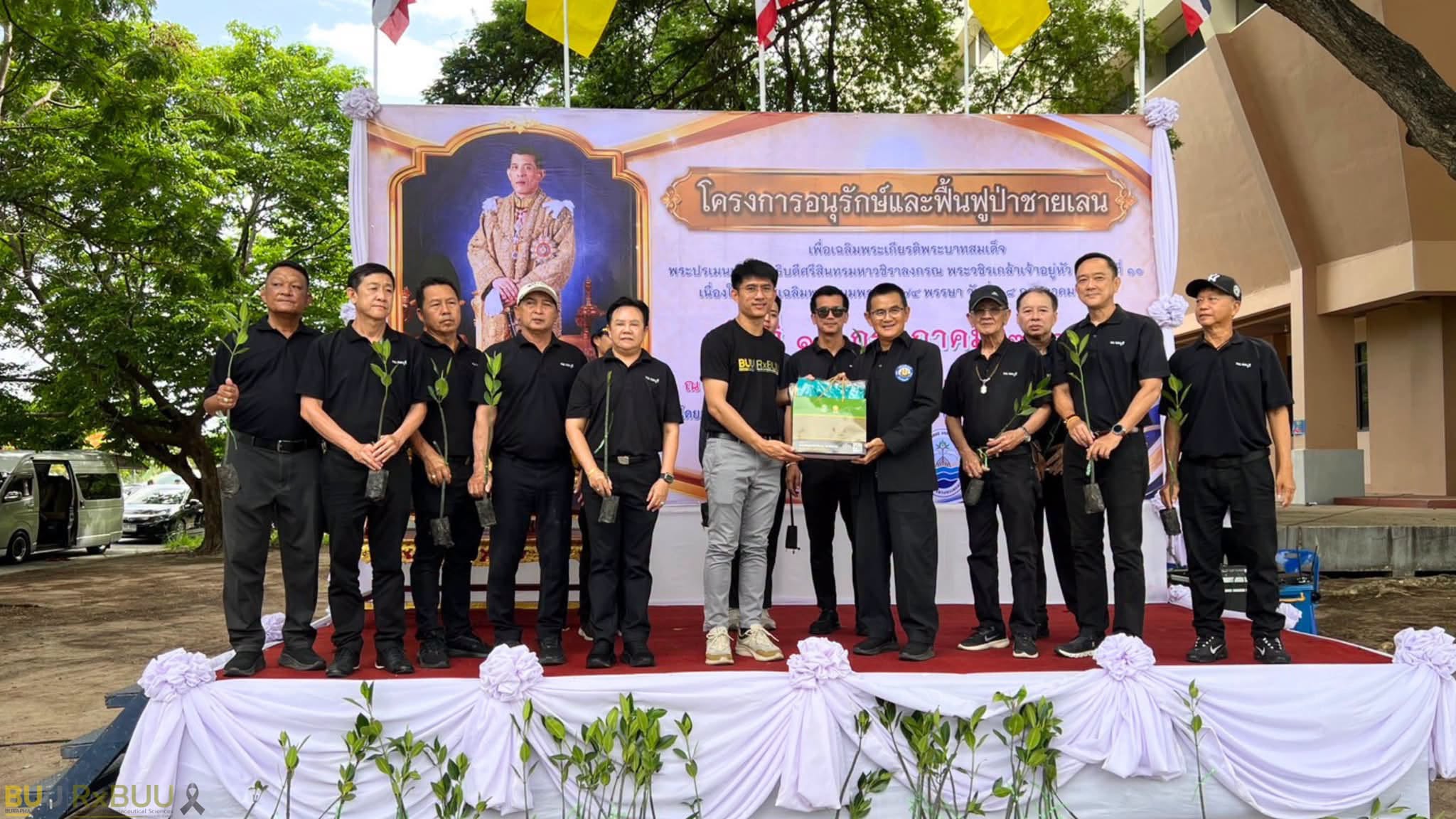
Project Leader: Mrs. Pacharawan Khatchamat, General Administrator