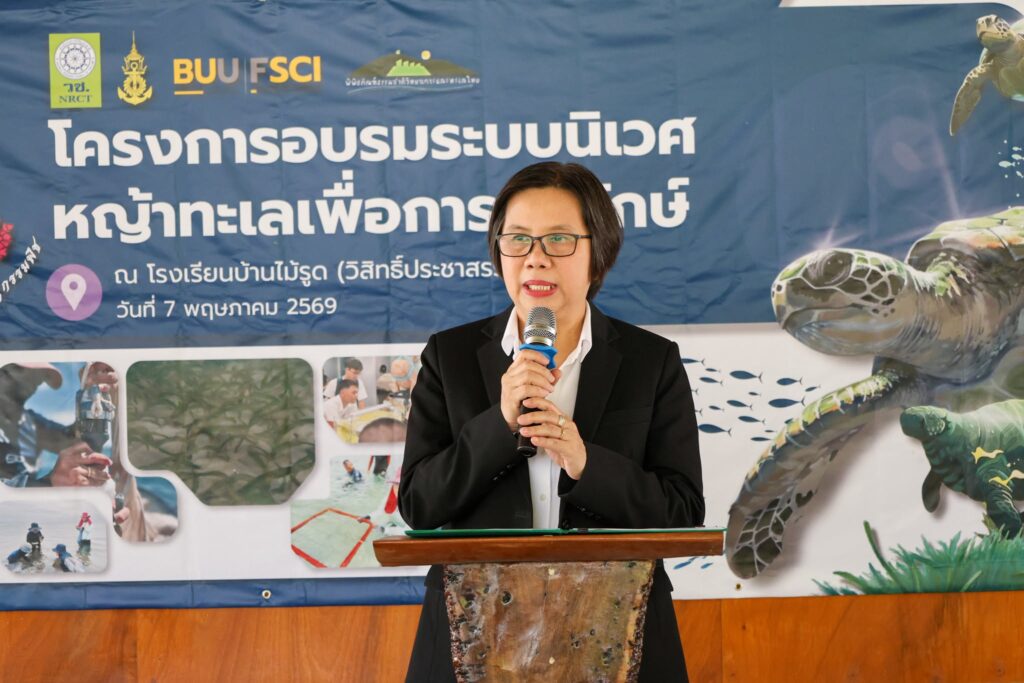
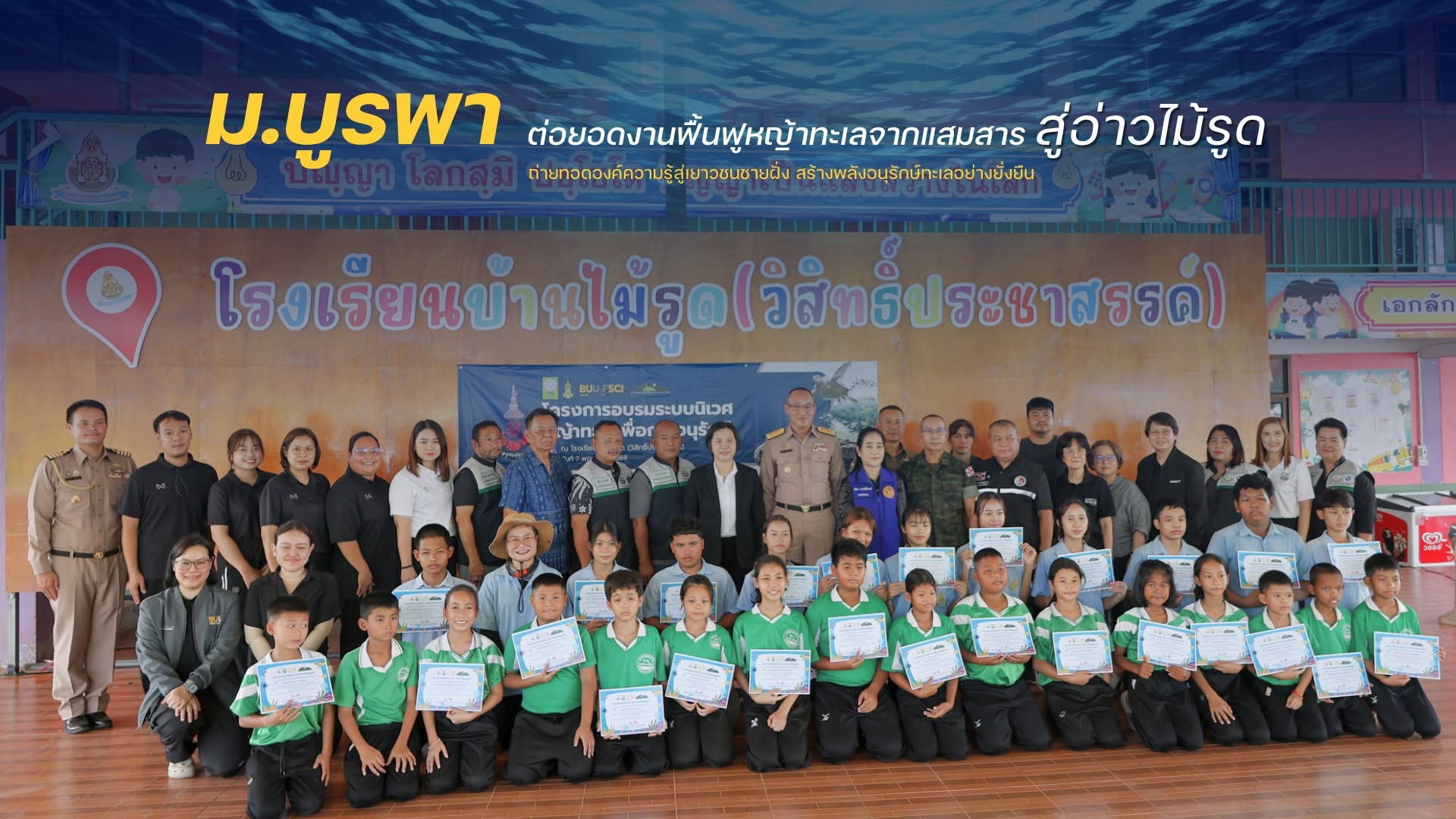
Burapha University, in collaboration with the National Research Council of Thailand (NRCT), the Naval Special Warfare Command of the Royal Thai Fleet, and local partner organizations, organized a Seagrass Ecosystem Conservation Training Program on 7 May 2026 at Ban Mai Rood School (Visit Prachasan), Mai Rood Subdistrict, Khlong Yai District, Trat Province. The program aimed to transfer knowledge on seagrass ecosystems to local youth while fostering a deeper appreciation of marine resources and their close connection to the livelihoods of coastal communities.
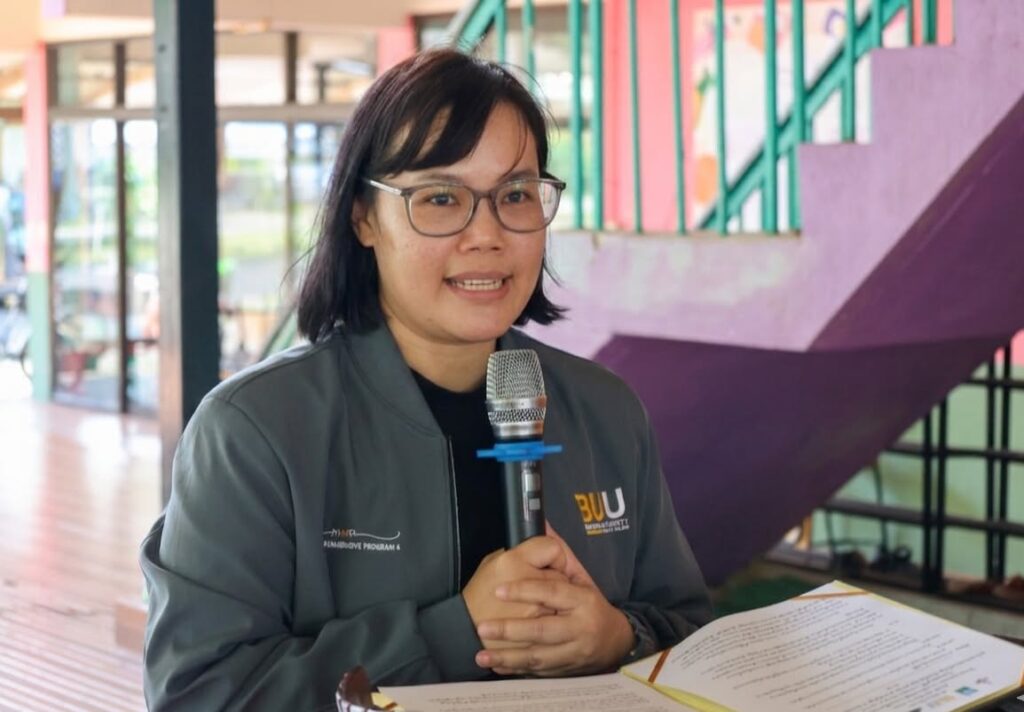
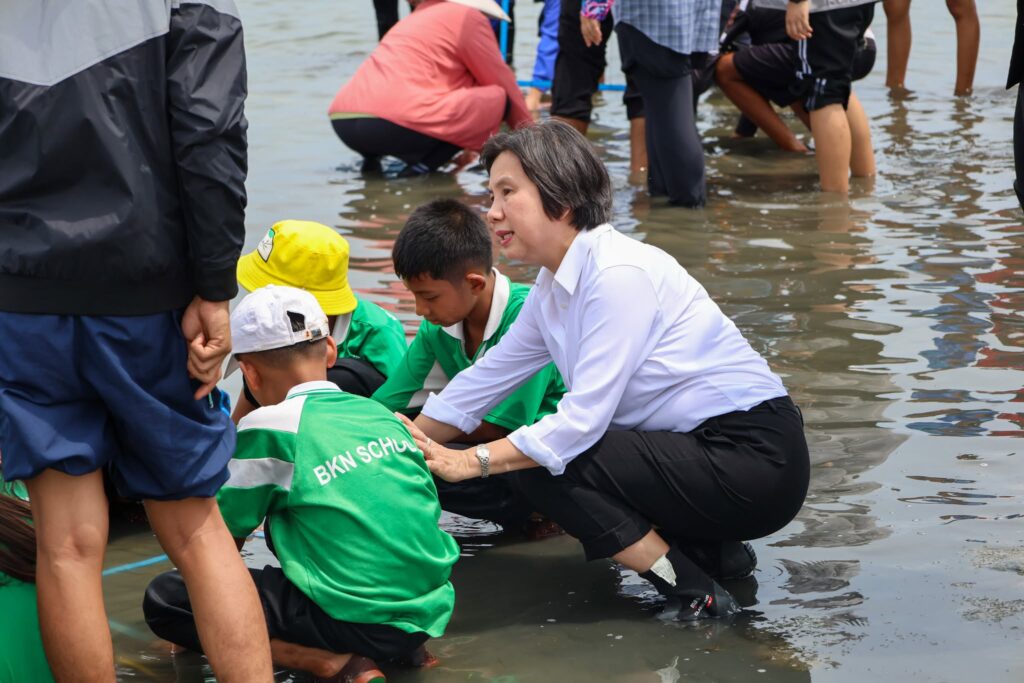
The opening ceremony was presided over by Ms. Saowanee Mungsucharitkan, Deputy Executive Director of the National Research Council of Thailand (NRCT). The participants were welcomed by Ms. Kanlaya Prasitphak, District Chief of Khlong Yai District, Trat Province. Assistant Professor Dr. Jariyawadee Suriyaphan, the project leader, presented the background and objectives of the project, highlighting the strong collaboration among national agencies, local authorities, and Burapha University in translating research outcomes into tangible benefits for local communities.
The project builds upon Burapha University’s long-term seagrass restoration initiative, which began in 2011 with the transplantation of Halodule uninervis (narrowleaf seagrass) from Ao Mai Rood, Trat Province, to Samae San Island. In fiscal year 2025, with financial support from the National Research Council of Thailand, seagrass propagated at Samae San was transplanted back to Ao Mai Rood. The restoration has shown promising results, with the transplanted seagrass successfully establishing and expanding into areas where seagrass beds had previously disappeared.
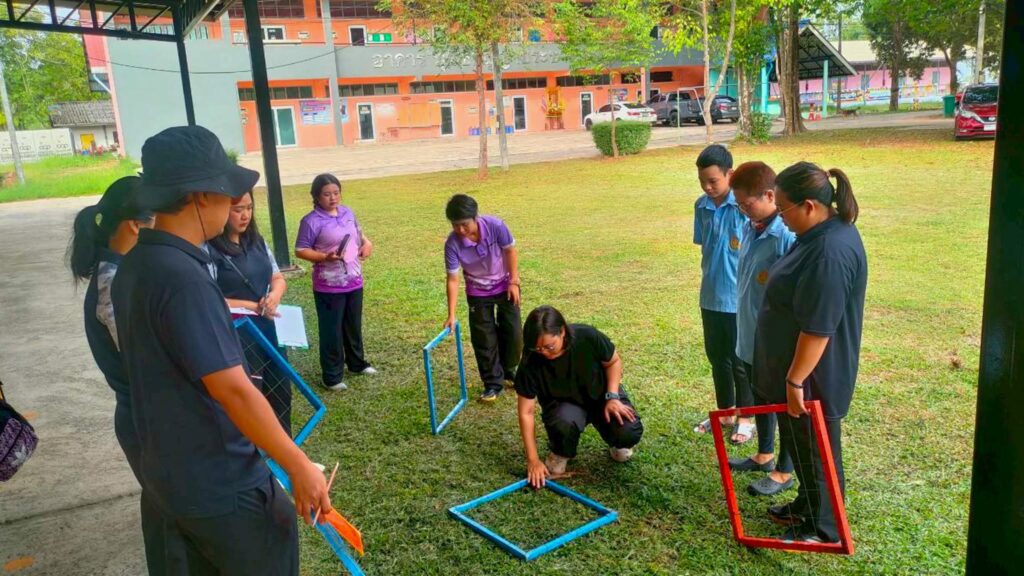
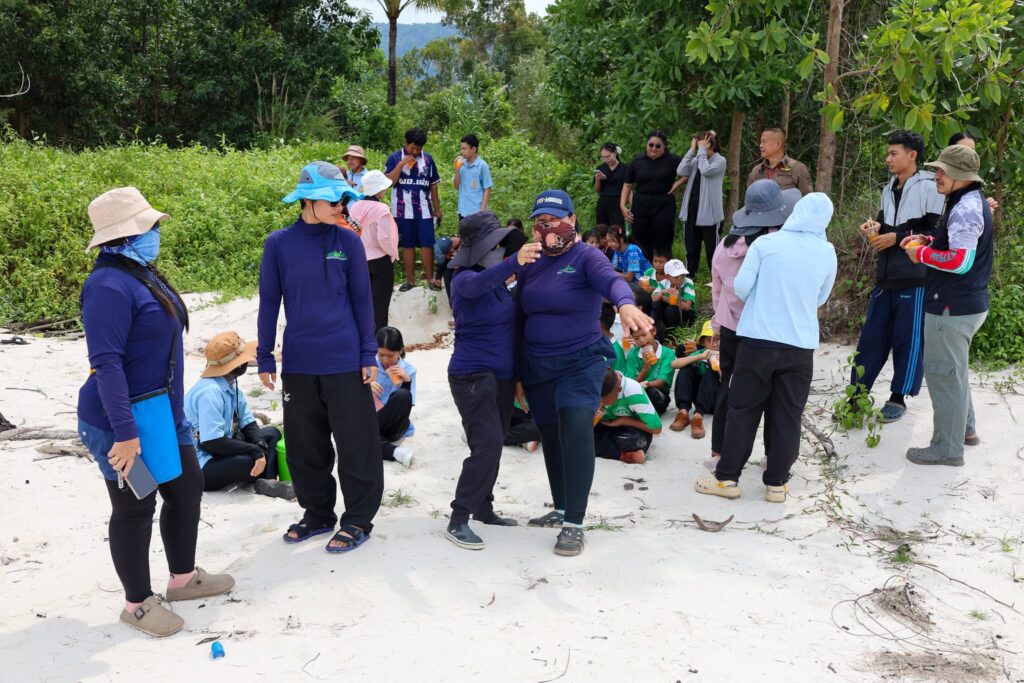
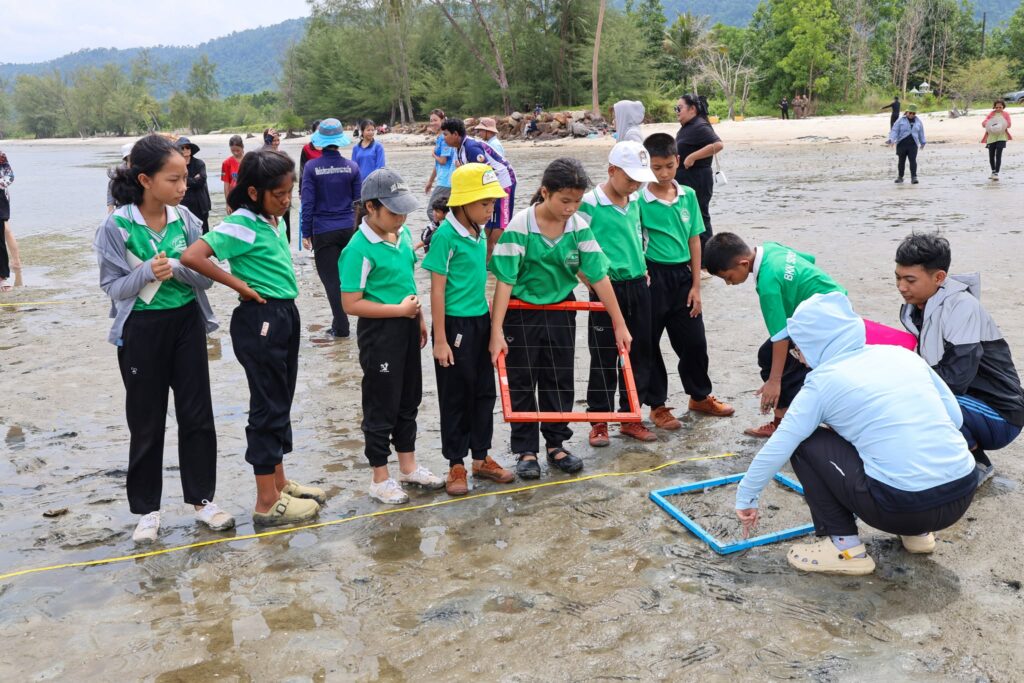
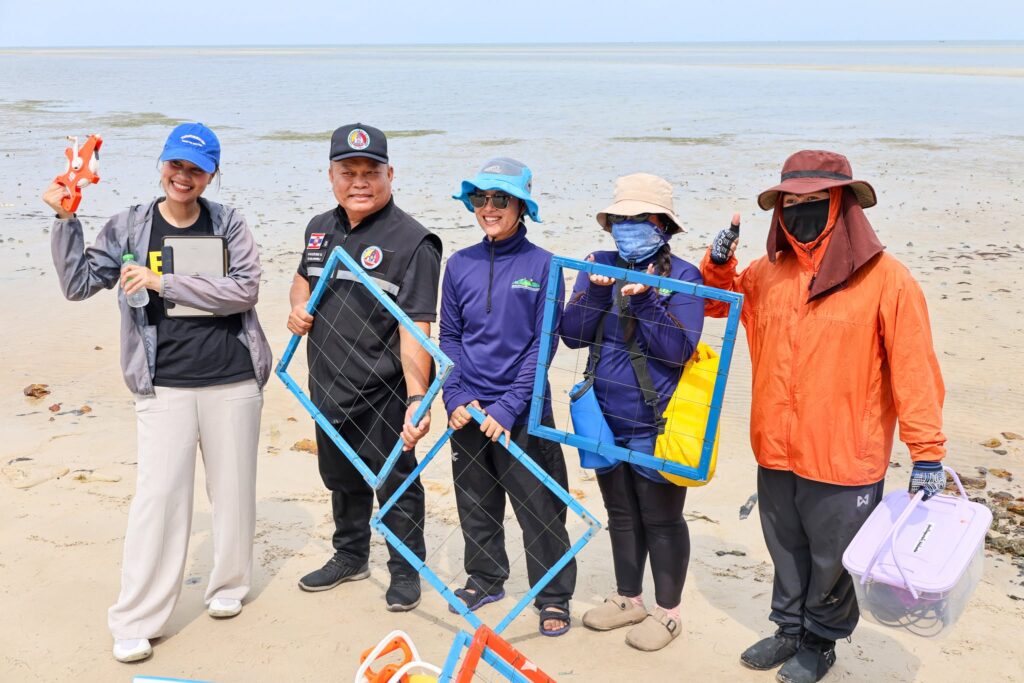
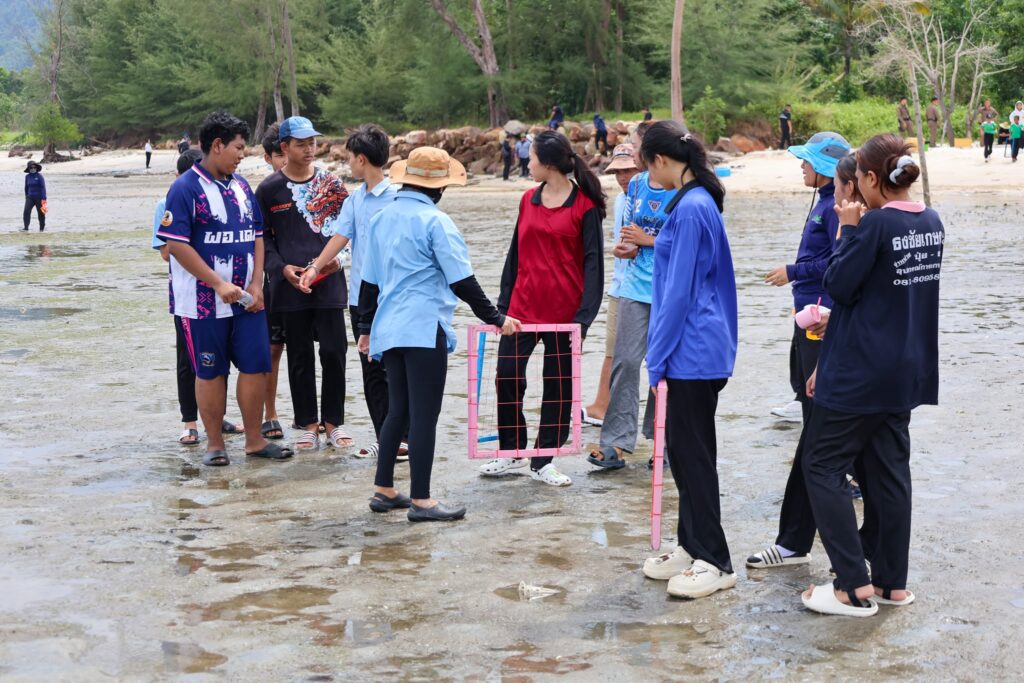
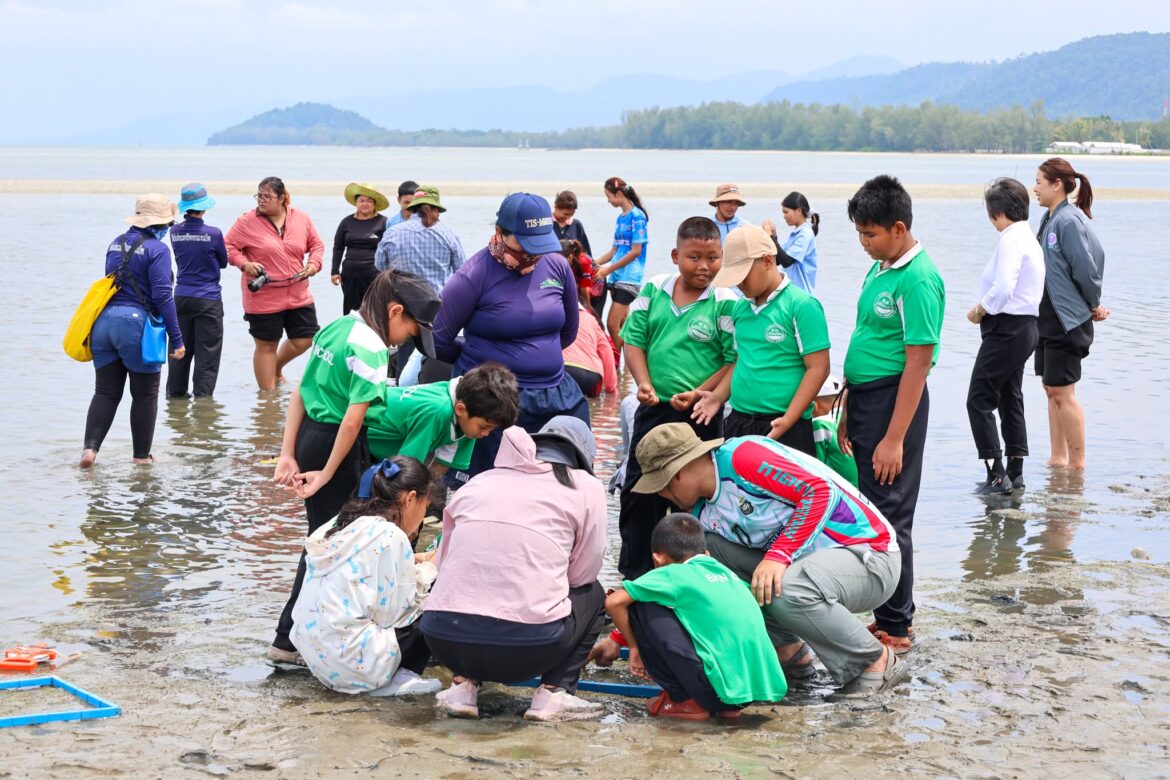
Encouraged by these achievements, the Mai Rood community recognised the importance of passing this knowledge on to younger generations, who will play a vital role in safeguarding local marine resources in the future. The training program welcomed 48 lower secondary school students and 27 teachers from Ban Khlong Manao School and Ban Mai Rood School (Visit Prachasan). Participants engaged in hands-on learning through interactive activity stations and field-based experiences, including seagrass species identification, assessments of seagrass bed health, and field surveys within the local seagrass ecosystem.
These activities enabled students to gain first-hand experience of seagrass ecosystems and understand their ecological importance as nursery grounds for marine life, feeding habitats for marine animals, and essential components of healthy coastal ecosystems. Teachers also acquired practical learning materials and activity-based teaching approaches that can be integrated into environmental education within their schools, allowing the project’s impact to extend beyond the classroom to families and the wider coastal community.
Ao Mai Rood is one of the region’s significant seagrass habitats, serving as an important nursery area for marine organisms. The area has also recorded sightings of dugongs, reflecting the richness and ecological health of its coastal marine ecosystem. By connecting scientific research with experiential learning, the program encouraged young participants to recognise the value of their local natural resources and inspired them to actively participate in protecting their coastal environment for future generations.
This initiative reflects Burapha University’s strategic commitment to applying research, knowledge, and innovation to address real-world community needs while nurturing environmentally responsible citizens. It also contributes to the achievement of the Sustainable Development Goals by promoting quality education, conserving marine ecosystems, and strengthening partnerships among universities, government agencies, educational institutions, and coastal communities.