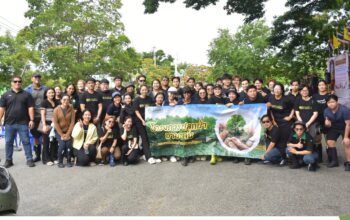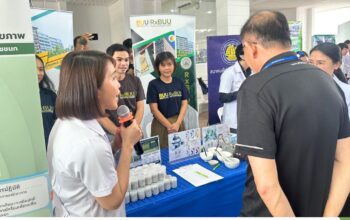
The Community Health Promotion and Rational Medicine Use Project for Fiscal Year 2026, organized for Village Health Volunteers (VHVs) under the theme “Herbal Products and the Appropriate Use of Herbal Medicines,” was developed to enhance knowledge, understanding, and safe practices regarding the use of herbal medicines among Village Health Volunteers, who play a vital role in delivering health information and promoting community well-being. Herbal medicine has long been an important health resource in Thai society, supporting health maintenance, disease prevention, and the management of common illnesses. However, the increasing availability of herbal products and health information from various sources has led to inappropriate or incorrect use of herbal medicines, which may result in adverse effects, herb-drug interactions, and other health risks. Strengthening the capacity of Village Health Volunteers to understand and communicate the proper use of herbal medicines is therefore essential for building strong community health networks and extending health knowledge effectively to households.
The project aimed to promote knowledge and understanding of the correct, appropriate, and safe use of herbal medicines and herbal products among Village Health Volunteers; raise awareness of precautions, adverse effects, and the appropriate use of herbal medicines alongside conventional medicines; encourage the application of traditional herbal wisdom for health promotion and community well-being; and strengthen collaboration among educational institutions, healthcare professionals, and local communities in promoting sustainable health practices.
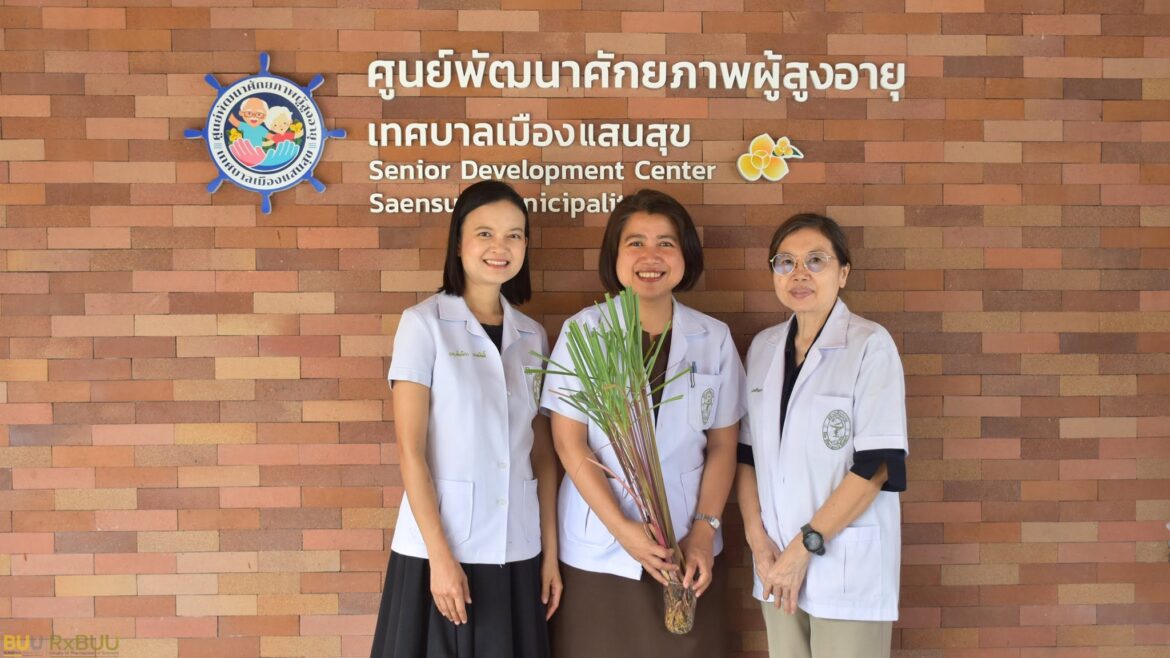
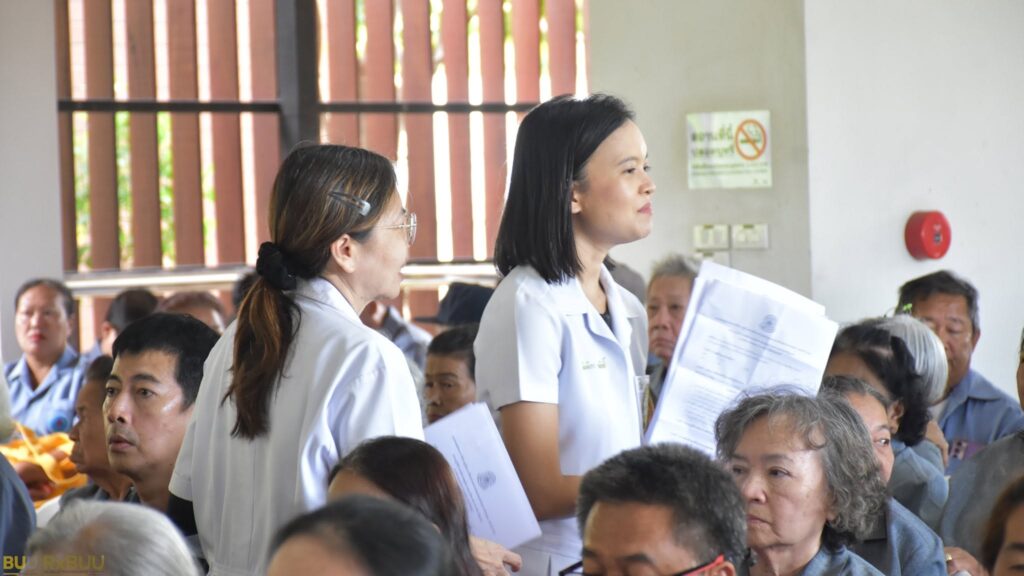
The project was implemented through educational lectures covering the definitions and categories of herbal products, principles of proper herbal medicine use based on the concept of selecting the right plant, the right part, the right condition, the right dosage, and the right method. Participants learned about the use of herbal medicines and herbal products for treatment and health promotion, as well as precautions and safety considerations. Examples of commonly used herbal products included Andrographis paniculata, Ya Hom (traditional aromatic medicine), Ya Kasai Sen, Indian gooseberry cough remedies, bitter melon, Gymnema inodorum, Cissus quadrangularis, turmeric, and ginger. Guidance was also provided regarding appropriate use and potential interactions with conventional medicines. In addition, real herbal plants such as citronella grass were used as learning materials to encourage active participation and create an engaging learning environment.
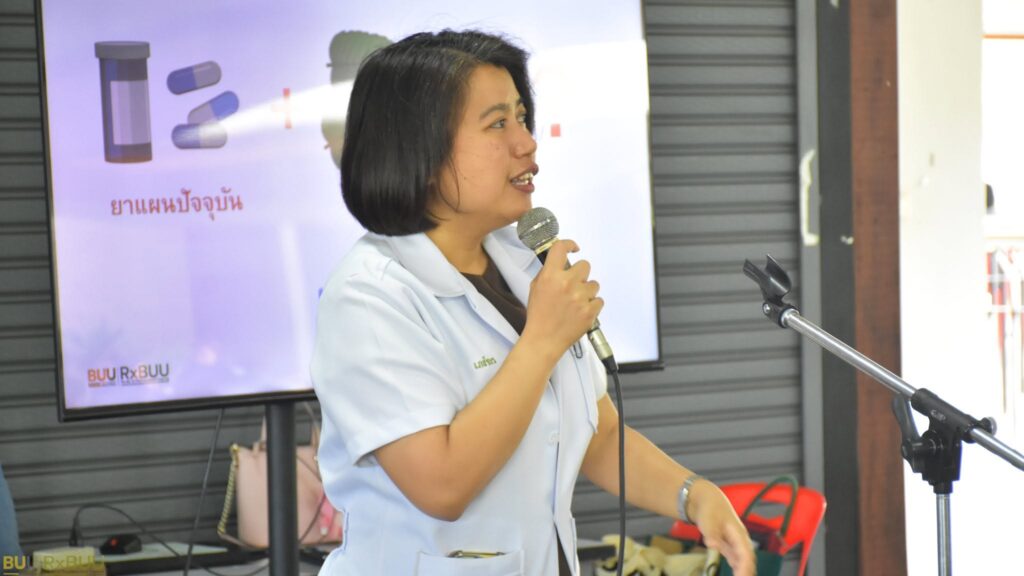
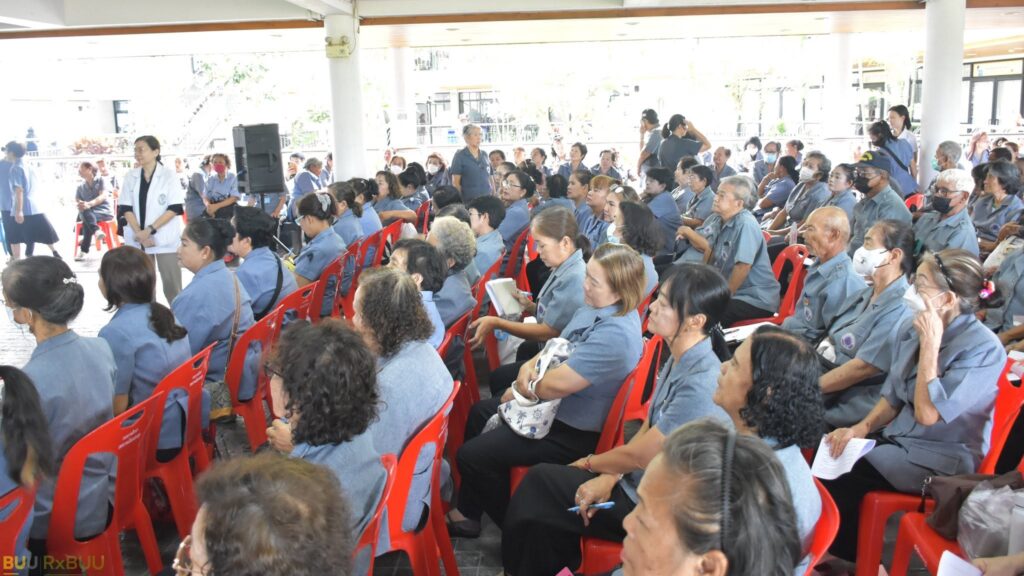
The project generated several positive outcomes. It strengthened a network of Village Health Volunteers capable of transferring health knowledge to community members, reduced risks associated with the inappropriate or unsafe use of herbal medicines and health products, promoted self-reliance in health care, and contributed to the development of healthier and more resilient communities. The project also helped reduce household healthcare expenses through appropriate primary healthcare practices using herbal medicines, lowered costs associated with improper medicine use, promoted the utilization and value creation of local herbal resources and Thai herbal products, and supported local economic development through the sustainable use of community herbal resources. Furthermore, it contributed to reducing long-term public healthcare expenditures by preventing health problems and encouraging the rational use of medicines and health products.
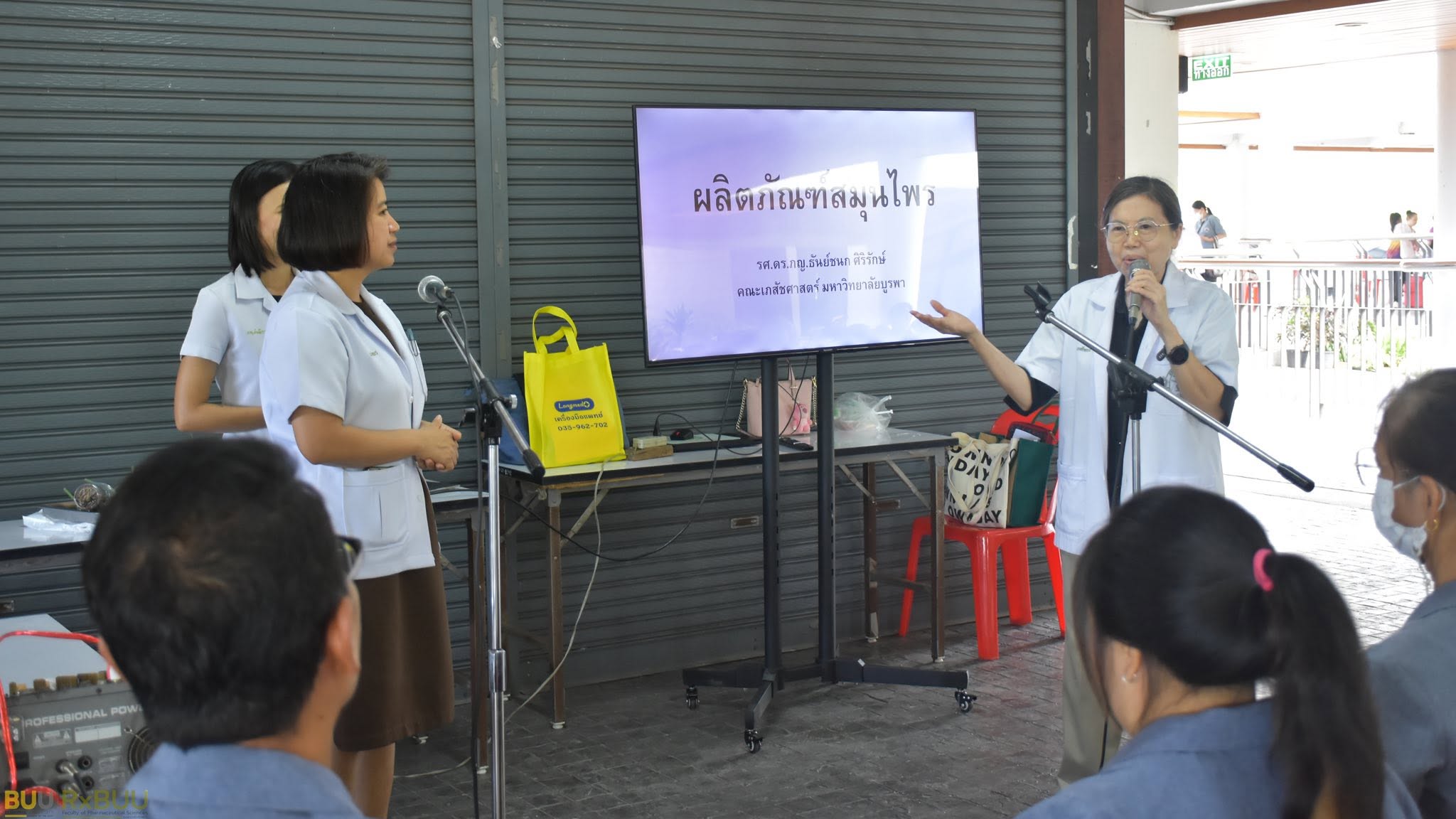
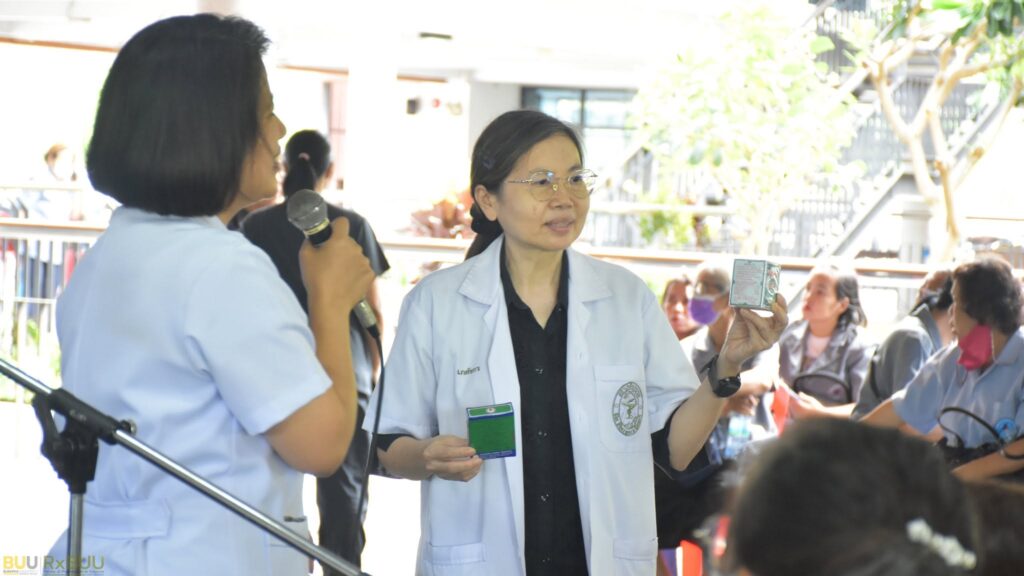
This project contributes directly to several United Nations Sustainable Development Goals (SDGs), particularly SDG 3: Good Health and Well-being by promoting disease prevention, health education, and the safe use of medicines and herbal products; SDG 4: Quality Education through knowledge transfer and capacity building for Village Health Volunteers as community health educators; SDG 8: Decent Work and Economic Growth by supporting the utilization and value enhancement of local herbal products and strengthening community-based economies; and SDG 17: Partnerships for the Goals through collaboration among educational institutions, healthcare professionals, and local communities to improve public health and community well-being in a sustainable manner.
Project Leader: Assoc. Prof. Dr. Wantana Reanmongkol, Pharm.D., Pharmacy Manager of Burapha Pharma Care (BPC)