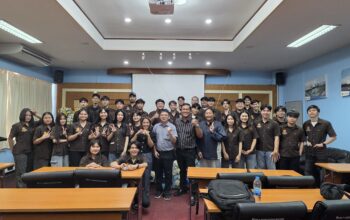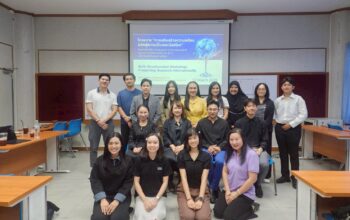
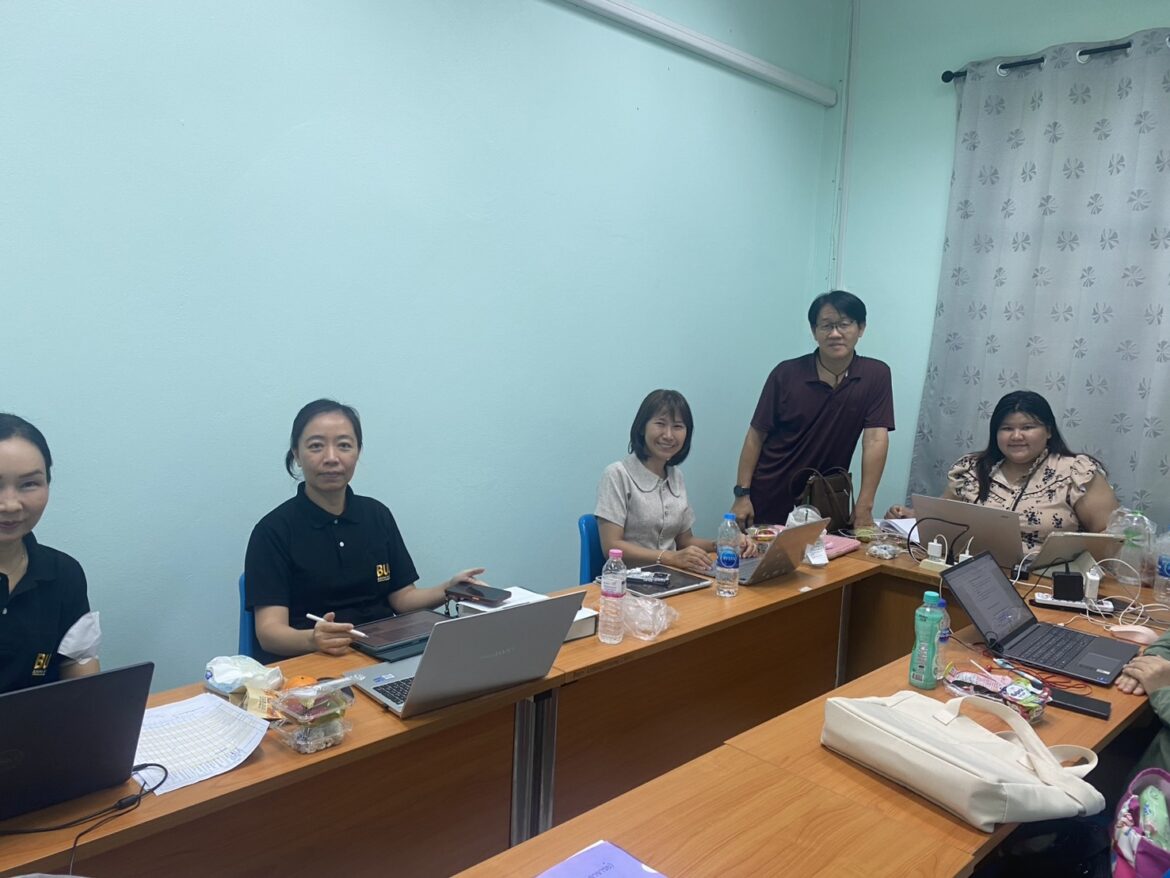
Knowledge in research and statistics constitutes a fundamental foundation for graduate students. Developing the ability to construct new knowledge through research is essential in the 21st century, as students are expected to apply theoretical and conceptual knowledge to generate new insights through systematic research processes. Such capabilities contribute not only to academic advancement but also to sustainable societal development, particularly in promoting quality education in alignment with Sustainable Development Goal 4 (SDG 4).
Recognizing this importance, the Education Research, Evaluation, and Statistics Program under the Department of Research and Applied Psychology, Faculty of Education, Burapha University has initiated the student capacity development project called ‘Enhancing Research-Based Knowledge Construction Skills’. This project aims to strengthen students’ competencies by increasing the number of students equipped with essential 21st-century skills. The project also emphasizes active learning, hands-on research practice, and collaborative learning among faculty members and students, which are key approaches to fostering lifelong learning opportunities as highlighted in SDG4.
The project serves as a key mechanism for monitoring, supporting, and guiding graduate students in producing high-quality theses and research outputs. It facilitates the development of new research-based knowledge.
The aims of Project: To enhance graduate students’ skills in constructing new knowledge in the field of research through systematic inquiry, critical thinking, and academic writing, while fostering their ability to apply theoretical and methodological knowledge to real-world contexts
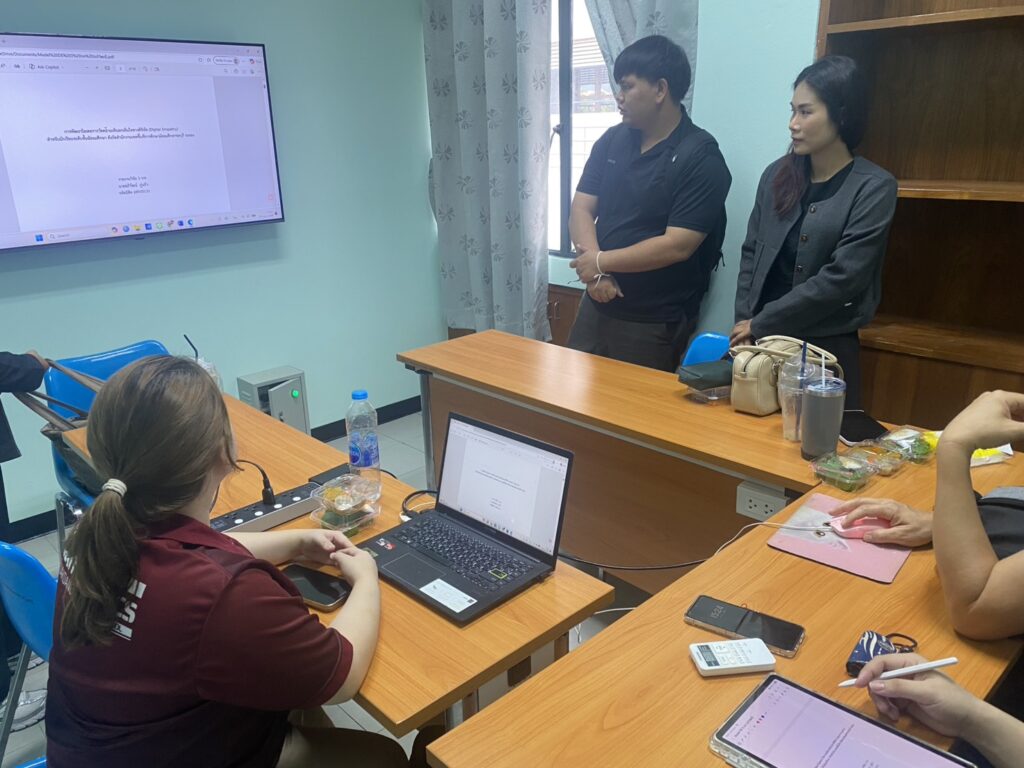
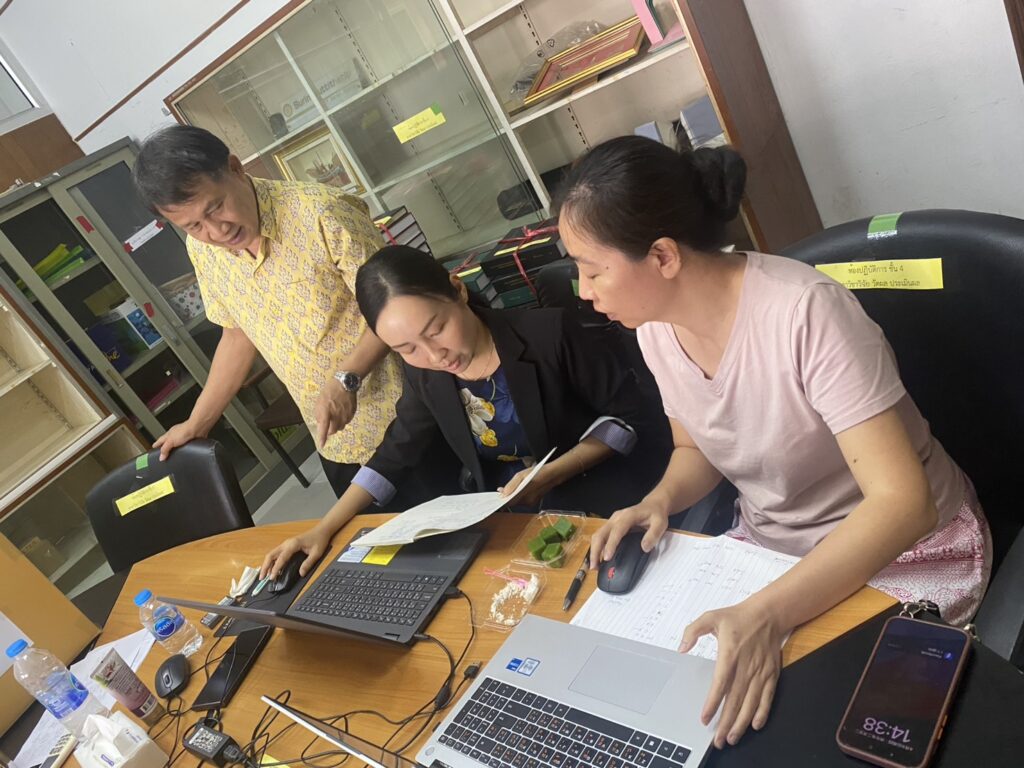
The program activities, conducted on April 7 – 9, 2026, include a session for reviewing and clarifying workshop procedures, followed by hands-on practice in writing research reports in small groups under the guidance of instructors. There were four groups of experts, including educational statistics, research, evaluation, and educational measurement. After that, students presented their research and received feedback from the expert panel. These activities were designed to promote experiential learning and academic skill development in a supportive environment and inclusive learning environment, consistent with the principles of SDG 4.
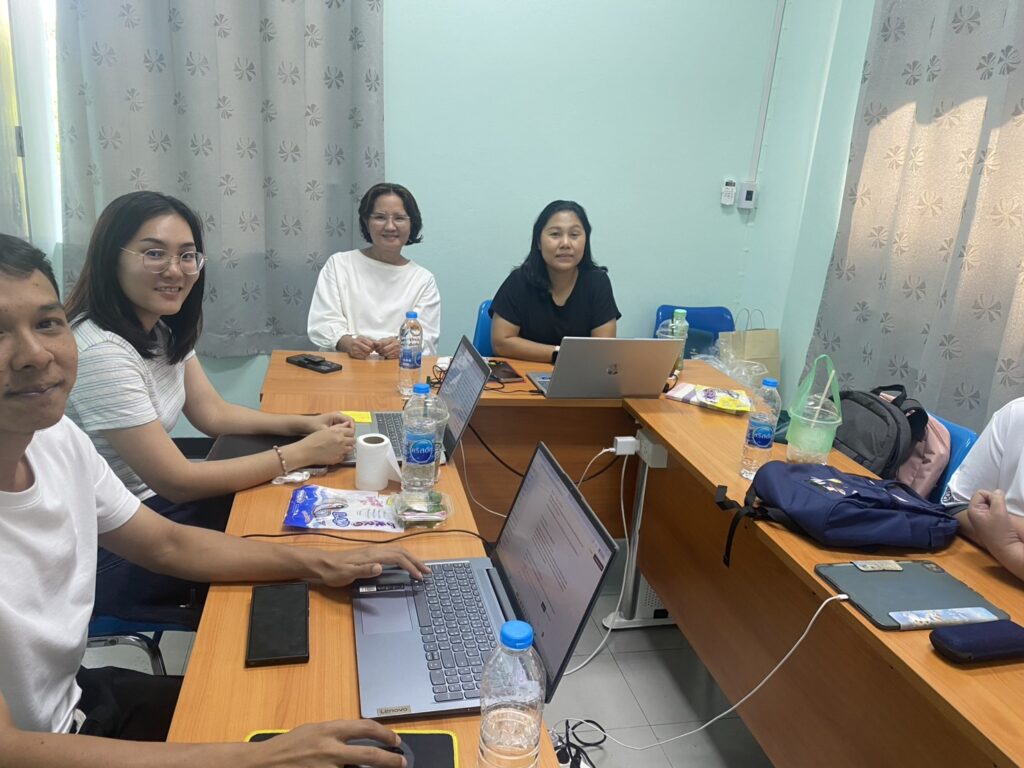
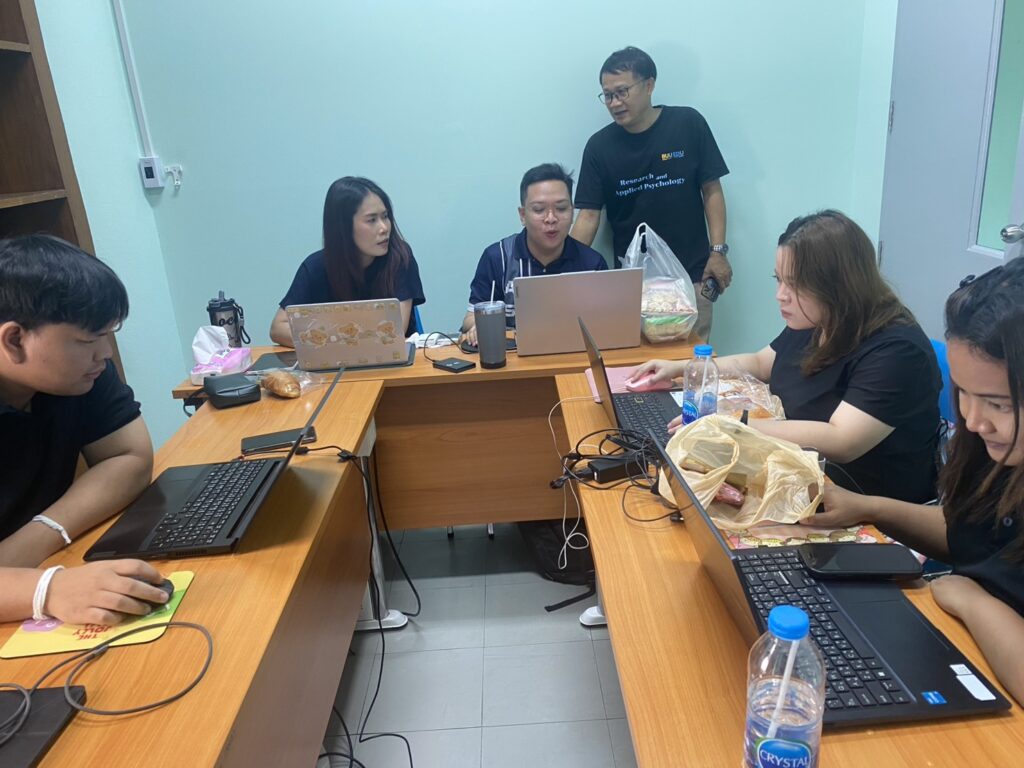
This activity helped students improve their ability to construct new research-based knowledge through participation in this workshop. They are expected to be more confident in submitting their research articles for publication in academic journals or presenting them at academic conferences. Additionally, they will demonstrate enhanced competencies in knowledge production aligned with 21st-century skills.
Project Leaders: Asst. Prof. Dr. Sompong Panhoon; Asst. Prof. Dr. Sureepom Anusasanan;
Dr. Sakesan Tongkhambanchong; Dr. Yanika Lunrasri