The inappropriate use of medicines remains a significant challenge within Thailand’s public health system. Problems such as using the wrong types of medicines, excessive medication consumption, incomplete antibiotic courses, and improper drug storage can lead to harmful consequences for consumers. These practices increase the risk of adverse drug reactions and contribute to the growing national issue of antimicrobial resistance. Therefore, enhancing public understanding of appropriate medication use is a critical strategy for promoting health safety and preventing drug-related risks within communities.
At the community level, Village Health Volunteers (VHVs) play a vital role in communicating health information, providing guidance, and monitoring health issues among households. Strengthening their knowledge regarding drug classifications and the interpretation of patient information leaflets—covering household medicines, dangerous drugs, and specially controlled drugs—is essential. With adequate knowledge, VHVs can accurately convey information to community members, reduce the risks associated with improper medication use, and promote rational drug use at the grassroots level.
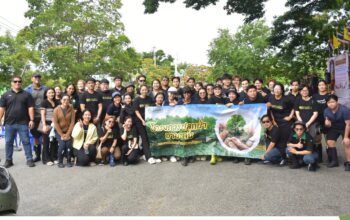
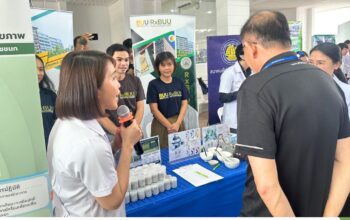
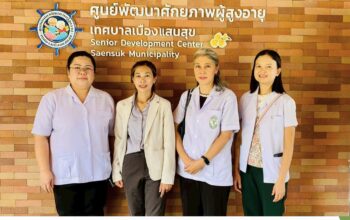
In response to this need, the Faculty of Pharmaceutical Sciences, Burapha University, in collaboration with Saensuk Municipality, organized the Project on Promoting Appropriate Medication Use and Community Health Awareness for Fiscal Year 2026. The project aims to enhance health literacy among community networks and establish a proactive and sustainable system for safe medication practices at the household level. The project has three main objectives: (1) to increase the knowledge of Village Health Volunteers regarding different types of medicines and enable them to correctly read and explain patient information leaflets; (2) to strengthen the primary healthcare system in the local area; and (3) to build collaborative networks between higher education institutions and local administrative organizations, reflecting the Faculty of Pharmaceutical Sciences’ role as an academic unit serving society.
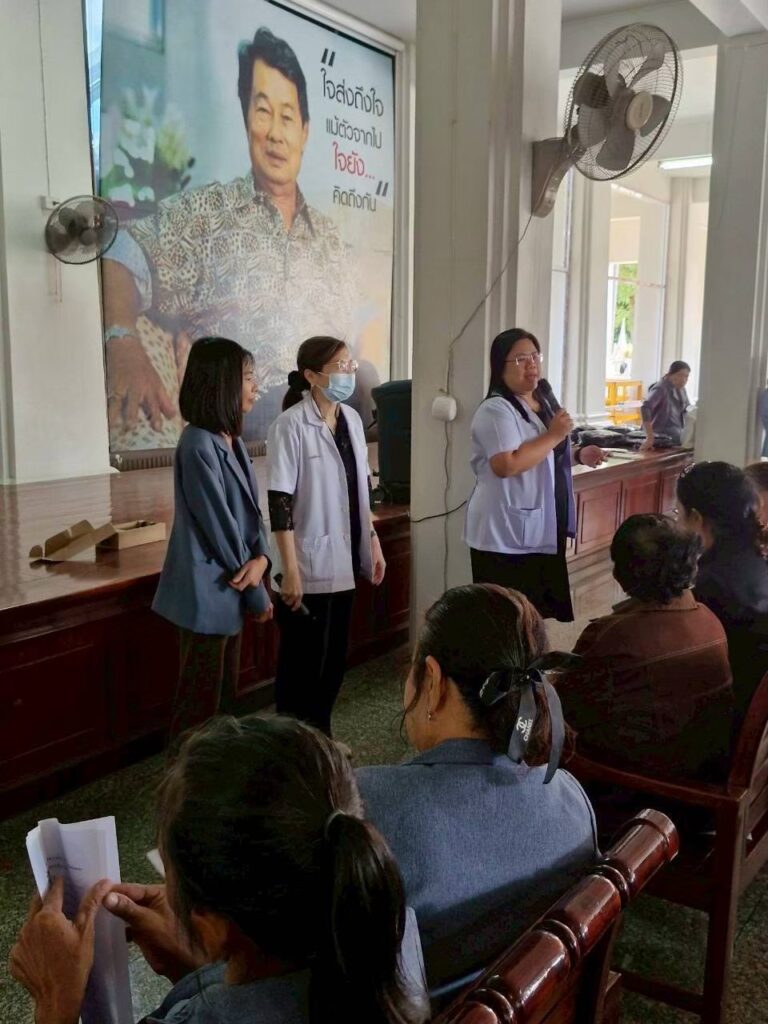
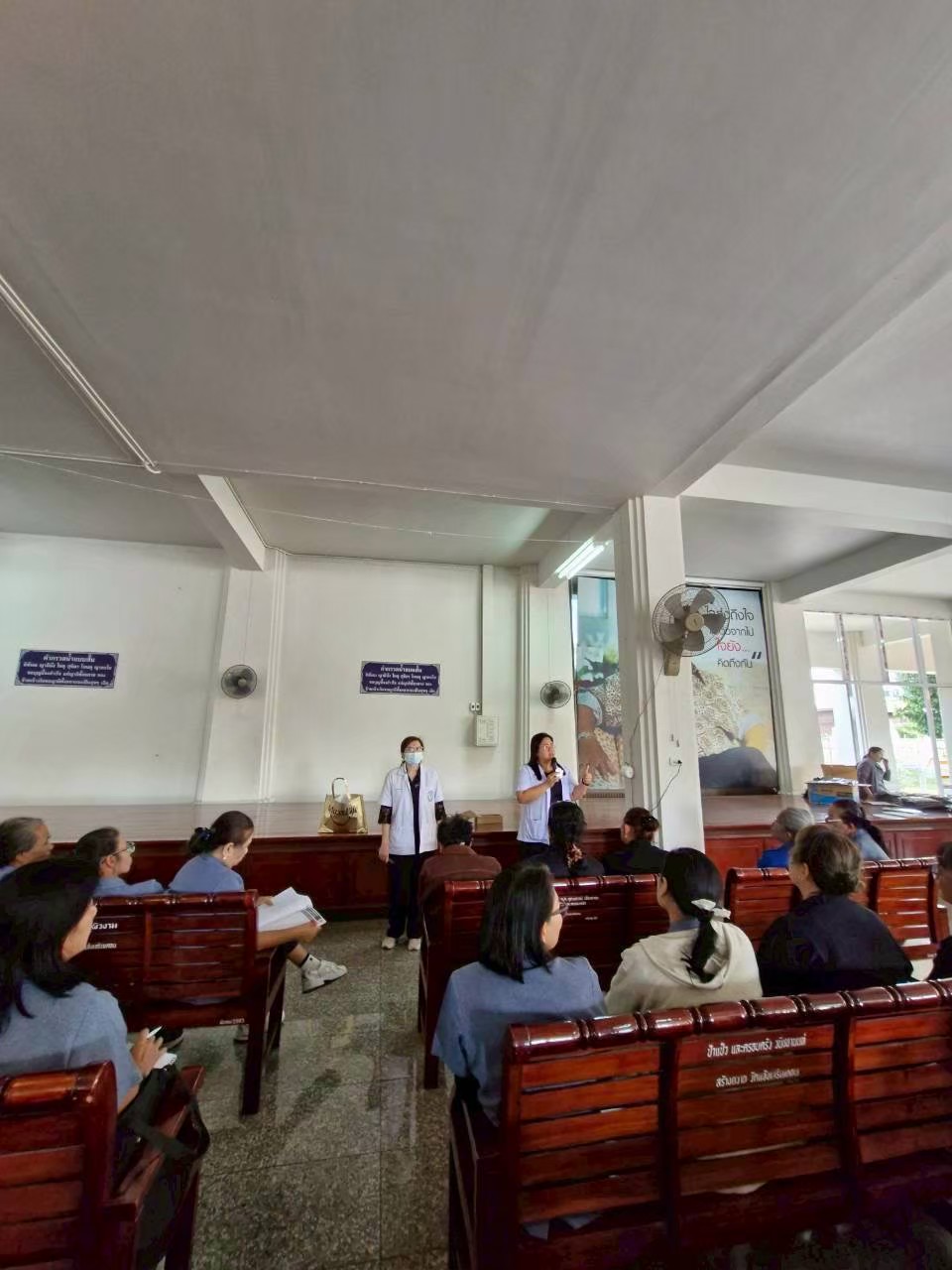
On December 9, 2025, the Faculty of Pharmaceutical Sciences, led by Assoc. Prof. Dr. Wantana Reanmongkol, Pharm.D., Pharmacy Manager of the Community Pharmacy Practice Unit; Asst. Prof. Dr. Pattaravadee Srikoon, Pharm.D.; and Dr. Kanchana Suksri, partnered with Saensuk Municipality to organize a knowledge-sharing activity for 300 Village Health Volunteers from Saensuk Municipality at Wat Chaeng Charoen Don. The training focused on drug classifications and patient information leaflets, including household medicines, dangerous drugs, and specially controlled drugs. Participants learned about common household medicines that can be safely stored in home medicine cabinets or sold in general stores that are not licensed pharmacies. They also received guidance on dangerous drugs, which require proper advice on dosage, duration of use, monitoring potential side effects, correct storage, and shelf life after opening. In addition, the session addressed specially controlled drugs that require a physician’s prescription for dispensing in hospitals and pharmacies, including psychotropic medications and narcotic drugs used for medical purposes.
As a result of the project, Village Health Volunteers gained a stronger understanding of appropriate medication use, which contributes to improving community health literacy and reducing disparities in access to accurate health information. The initiative helps communities move away from relying on informal or incorrect word-of-mouth information and instead encourages safe and evidence-based medication practices. Furthermore, the project strengthens community health security by promoting a shift in traditional medication behaviors toward safer and more rational drug use, ultimately reducing health risks and long-term healthcare expenses caused by improper medication practices. The initiative also enhances trust and collaboration among the university, local communities, and municipal authorities, serving as an important mechanism for sustainable health development in society.
This project aligns with the United Nations’ Sustainable Development Goal 3: Good Health and Well-being, which aims to ensure healthy lives and promote well-being for people of all ages through improved health knowledge and preventive healthcare systems at the community level. It also contributes to Sustainable Development Goal 17: Partnerships for the Goals by fostering collaboration between higher education institutions, local governments, and community networks to enhance public health and sustainable social development.
Project Leaders: 1. Assoc. Prof. Dr. Wantana Reanmongkol, Pharm.D., Pharmacy Manager of Community Pharmacy Practice Unit
2. Asst. Prof. Dr. Pattaravadee Srikoon, Pharm.D.
3. Dr. Kanchana Suksri